
Topic
ceiling beam Vastu remedies
Best for
Flats, resale homes, bedrooms, living rooms, study corners, and rentals.
Main rule
Do not alter structure. Move long-use furniture first.
On this page
- What ceiling beams mean in Vastu
- How to check your beam
- Room-wise remedies
- Comparison table
- Checklist and mistakes
- Frequently asked questions
What does a ceiling beam mean in Vastu?
In traditional Vastu discussions, a heavy beam directly above the head or body is usually considered uncomfortable. The reason is easy to understand even without fear-based language. A visible beam lowers the perceived ceiling height, creates a line of pressure, and visually divides the room. If a bed, sofa, dining chair, or study table sits exactly below it for many hours, some people feel compressed, distracted, or restless.
Modern apartments often expose beams because the structure is already decided by the builder. In a resale flat, you may not know where the beams are until you remove false ceilings or study the slab layout. In villas, beams can appear across living rooms, bedrooms, kitchens, stair areas, and parking zones. These beams are not decorative objects that can be removed casually. They are load-bearing parts of the building, so practical Vastu must begin with structural respect.
The best approach is calm: understand the beam, identify what happens below it, and improve the daily-use zone. A beam above an empty passage is usually less important than a beam above the bed. A beam near a wall is easier to manage than one crossing the exact centre of a room. A beam softened with proper lighting may feel fine, while a dark low beam above a study desk can feel heavy. Vastu works best when it reads the lived condition of the room, not only a rule in isolation.
If you are new to direction and room planning, read Apartment / Flat Vastu first. This article focuses only on ceiling beams and fixed structural lines.
How to check a ceiling beam before applying remedies
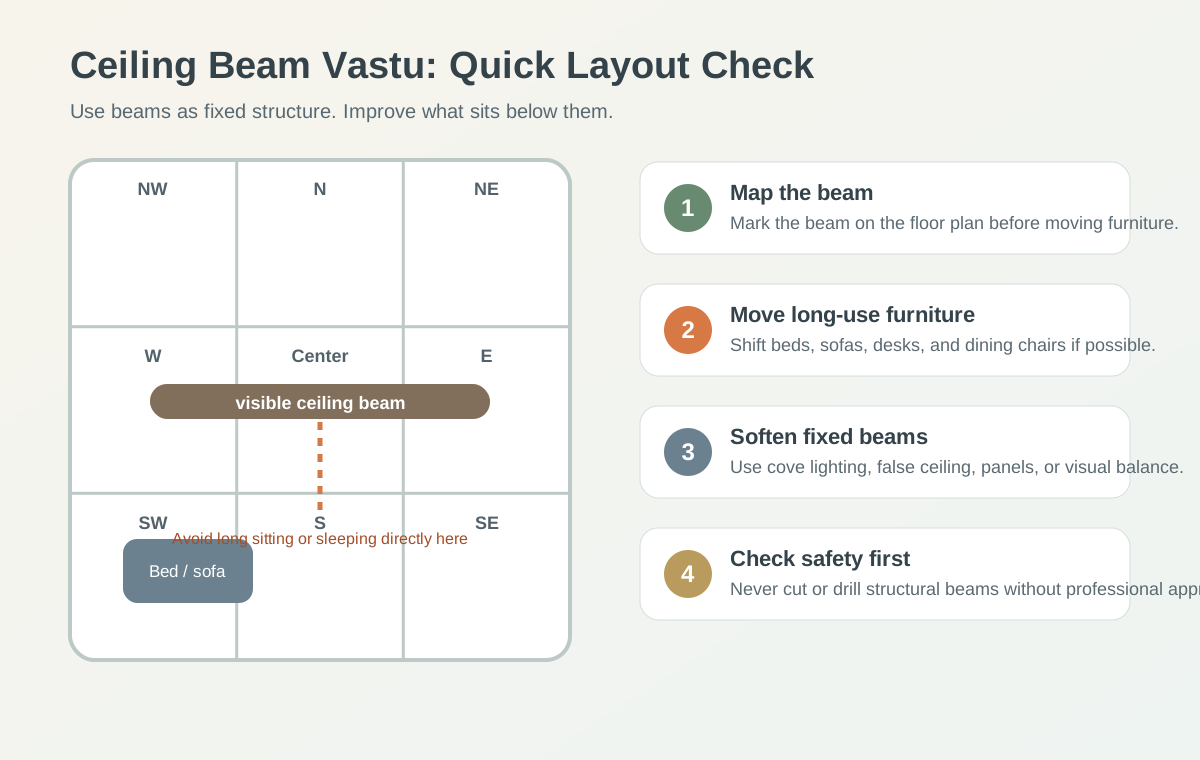
Start by locating the beam accurately. Stand in the room and mark the beam line on a rough floor plan. If the beam is visible, note whether it crosses the bed, sofa, dining table, desk, puja shelf, stove, or main walking path. If the beam is hidden by a false ceiling, check old plans, ask the builder, or observe boxed ceiling drops. Do not drill randomly to confirm structure.
Next, measure how low it feels. A beam in a tall room may be almost unnoticeable, while the same beam in a compact bedroom can feel dominant. Check light as well. Dark shadow under a beam increases the sense of pressure. Good cove lighting, an even ceiling colour, and a clean layout can reduce the visual weight without changing structure.
Then check duration. A beam above a passage affects you for seconds. A beam above a bed affects sleep for hours. A beam above a study table affects attention during exam preparation. A beam above a main sofa affects the place where the family relaxes every evening. Prioritise the long-use locations first.
Room-wise ceiling beam Vastu remedies
Bedroom beam above the bed
The bedroom is the highest priority because sleep is long and sensitive. If a beam crosses directly above the head, chest, or centre of the bed, first try shifting the bed. Even moving the bed a foot or two can help if the beam line no longer falls on the headboard or torso. Keep the headboard against a stable wall and preserve easy access to wardrobes and windows. For sleep basics, see Bedroom Vastu and Bedroom Vastu for Better Sleep.
If the bed cannot move because the room is small, use visual softening. A false ceiling, shallow ceiling panel, cove light, or continuous paint treatment can make the beam feel integrated. Avoid hanging heavy objects from the beam. Avoid fabric canopies near fans, lamps, or fire sources unless installed safely. The remedy should reduce pressure, not create a new hazard.
Living room beam above sofa or seating
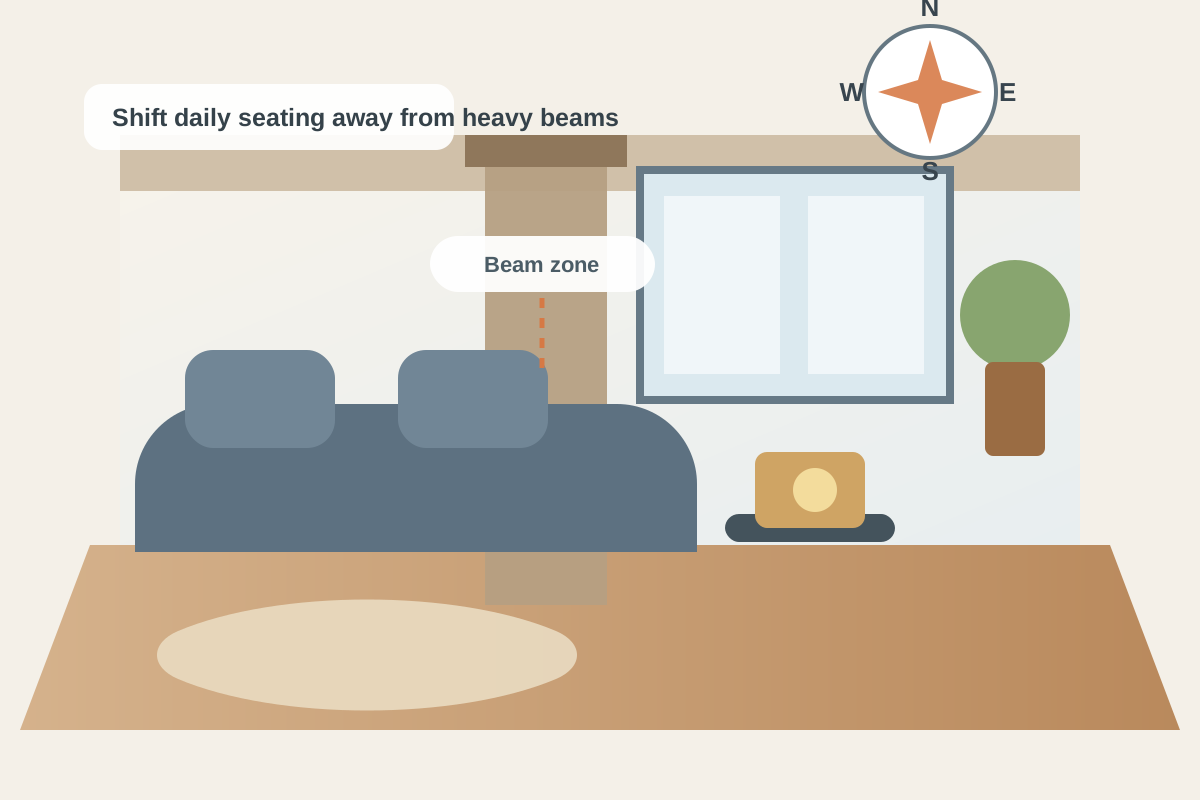
In a living room, the main sofa should ideally not sit directly below a heavy visible beam. Try moving the seating slightly forward or backward, placing the centre table under the beam instead of the human seating zone. If the beam divides the room, use it to define zones: sitting on one side, dining or passage on the other. A rug, wall art, and balanced lighting can make the split intentional. Use Living Room Vastu for related layout checks.
Study table or home office under a beam
A student or remote worker needs mental space. A beam directly above the desk can feel distracting, especially in a small room. Shift the desk so the chair is not exactly below the beam. Face north or east where practical, but do not sacrifice comfort, light, and ergonomics only to follow direction. Good study Vastu is focus-first: clear desk, good lamp, comfortable chair, and low visual noise. For deeper guidance, read Study Room Vastu.
Kitchen beam above stove or counter
A kitchen beam is often unavoidable because plumbing, ducts, and structural lines meet near service zones. Avoid placing the stove exactly below a low beam if the layout is still under planning. If the kitchen is already fixed, focus on safety: proper exhaust, enough head clearance, clean tiles, no dampness, and good task lighting. Do not cut or chase a structural beam for chimney ducts. See Kitchen Vastu and Gas Stove Vastu for appliance placement.
Dining table below a beam
Dining under a beam is less serious than sleeping under one, but it can still make the table feel compressed. If possible, place the beam between the dining table and walkway rather than directly above the main seats. Good dining Vastu is also about clean food habits, comfortable seating, enough light, and family harmony. Use Dining Table Vastu for a focused checklist.
Ceiling beam issue and remedy table
| Beam location | Concern | Best practical remedy |
|---|---|---|
| Above bed | Pressure during sleep | Move bed, use integrated ceiling design, improve soft light |
| Above sofa | Heavy relaxation zone | Shift seating, place table under beam, use balanced lighting |
| Above study desk | Distraction and compression | Move chair out of beam line, add task light, reduce clutter |
| Above stove | Heat, safety, visual heaviness | Keep clearance, improve exhaust, avoid unsafe drilling |
| Above dining | Compressed family seating | Reposition table or seats, brighten ceiling, keep table uncluttered |
| Passage beam | Usually lower concern | Use lighting and clean movement path |
Ceiling beam Vastu checklist
Map
Draw the beam line on the room plan before moving furniture.
Prioritise
Check bed, sofa, study table, dining seat, and stove first.
Move
Shift long-use furniture away from direct beam lines where possible.
Light
Use cove lights, ceiling colour, or panels to reduce harsh shadows.
Safety
Never cut, notch, or drill structural beams casually.
Maintain
Check cracks, leakage stains, damp patches, or exposed reinforcement quickly.
Common mistakes to avoid
- Removing or weakening a beam for Vastu without structural approval.
- Placing the bed exactly below a beam when another layout is available.
- Hiding leakage or cracks behind a false ceiling without fixing the source.
- Making the beam darker and more dominant in a low room.
- Using heavy hanging decor from a structural line without checking load and anchoring.
- Ignoring the study desk or work desk while only focusing on the bedroom.
- Buying symbolic remedies before correcting furniture placement, light, and clutter.
- Assuming every beam is equally important; duration of use matters.
Practical examples for modern homes
Example one: A 2BHK bedroom had a beam crossing the centre of the bed. The family could not change the room structure, but they shifted the bed toward a solid wall and moved a side table to preserve wardrobe access. The beam then crossed the walking side instead of the sleeping body. This simple change improved the room without construction.
Example two: A living-dining room had a beam dividing the space. Instead of fighting it, the family placed the sofa group on one side and the dining table on the other. A warm light strip along the beam made it feel like a planned divider. The Vastu remedy was also an interior design solution.
Example three: A student desk sat below a low beam in a small bedroom. Moving the desk near a window and using a wall shelf for books reduced visual pressure. The student still faced east, but the bigger improvement came from light, breathing space, and a cleaner desk surface.
Best practices for fixed apartment beams
Apartment Vastu is often about improving fixed realities. You may not control beams, shafts, columns, and structural walls, but you can control what happens around them. Keep the central walking area light, avoid putting heavy storage under every beam, and make sure furniture does not turn the room into a maze. If beams create awkward corners, use those areas for low storage, plants, floor lamps, or art instead of long sitting.
For rentals, use reversible remedies: furniture movement, lamps, light paint where allowed, curtains, removable panels, and better decluttering. Do not drill rented ceilings or alter false ceilings without permission. For owned homes, plan any ceiling work with an electrician and contractor so fans, lights, AC lines, sprinklers, and fire safety are not compromised.
When buying a property, do not reject a home only because beams exist. Check where they fall. A beam above a passage or wardrobe zone may be easy to live with. A low beam across the only possible bed position needs more thought. Combine this with Flat Buying Vastu Checklist and Vastu Remedies Without Demolition.
Summary and conclusion
Ceiling beam Vastu is not about fear. It is about comfort, structure, and furniture placement. Beams should not be cut or weakened, but the room can usually be improved by moving long-use furniture, reducing shadows, balancing ceiling design, and keeping the space clean and purposeful.
Prioritise the bed, sofa, study table, dining seat, and stove. If a beam only crosses a passage, it may need only lighting and cleanliness. If it crosses your sleeping or working zone, address it with layout first and design treatment second. The best remedy is the one that makes the home safer, calmer, and easier to live in.
Frequently asked questions
Is it bad to sleep under a ceiling beam in Vastu?
Traditional Vastu usually avoids sleeping directly under a heavy beam because it can feel visually pressuring. Practically, move the bed if possible. If not, soften the beam with lighting, a false ceiling, panels, or a balanced headboard plan.
What is the best remedy for a beam above the bed?
The best remedy is to shift the bed so the head and torso are not directly below the beam. If furniture cannot move, use safe design solutions such as a false ceiling, cove lighting, fabric-free panels, or a visual ceiling treatment approved by a professional.
Can I sit under a beam in the living room?
Short-term sitting is usually manageable. Avoid placing the main sofa or favourite daily seat exactly below a heavy beam if another comfortable layout is possible.
Are beams above a study table bad as per Vastu?
They are not ideal when the beam creates a compressed or distracted feeling. Move the desk slightly, improve light, keep the wall calm, and make sure the student does not feel visually boxed in.
Can a false ceiling correct beam Vastu?
A false ceiling can visually soften a beam, but it should not hide leakage, reduce ventilation too much, or violate electrical and fire safety rules. Use a qualified contractor.
Should a ceiling beam be removed for Vastu?
Do not remove, cut, notch, or drill a structural beam for Vastu. Beams carry load. Any structural change needs an architect or structural engineer.
What if every room in my apartment has beams?
Prioritise the bed, main sofa, study table, dining seat, and work desk. Keep long-use furniture away from direct beam lines first, then use lighting and ceiling design where movement is impossible.
Which colour is best for ceiling beam remedies?
Use the same ceiling colour or a slightly lighter neutral so the beam feels integrated. Avoid making a low beam darker unless the room is large and intentionally designed.
Can plants or pyramids fix a beam problem?
Decor items should not replace practical layout correction. If you like plants or symbolic items, keep them clean and secondary. Furniture position, lighting, and safety matter more.
Related Vastu guides
Bedroom support
Bedroom Vastu for Sleep explains bed placement and rest habits.
No-demolition help
Vastu Remedies Without Demolition keeps corrections practical.
Apartment planning
Apartment / Flat Vastu helps with fixed builder layouts.