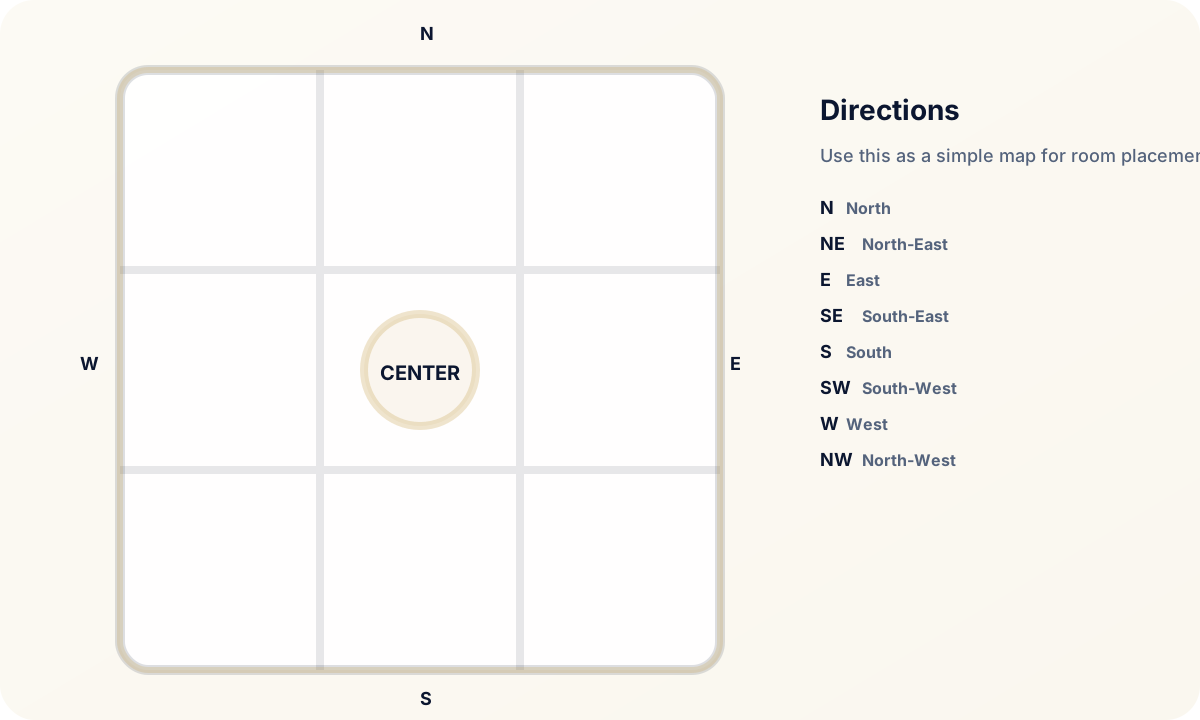
Strict zone rules used in these models
Common “good” placements
- Kitchen: South-East (SE) (fire zone)
- Master bedroom: South-West (SW) (heavy/rest zone)
- Pooja: North-East (NE) (clarity zone)
- Toilet: North-West (NW) (avoid NE)
- Staircase: South / South-West / West (avoid NE)
Common “not good” placements
- Toilet in NE
- Kitchen in NE
- Pooja in SW
- Master bedroom in NE
- Staircase in NE
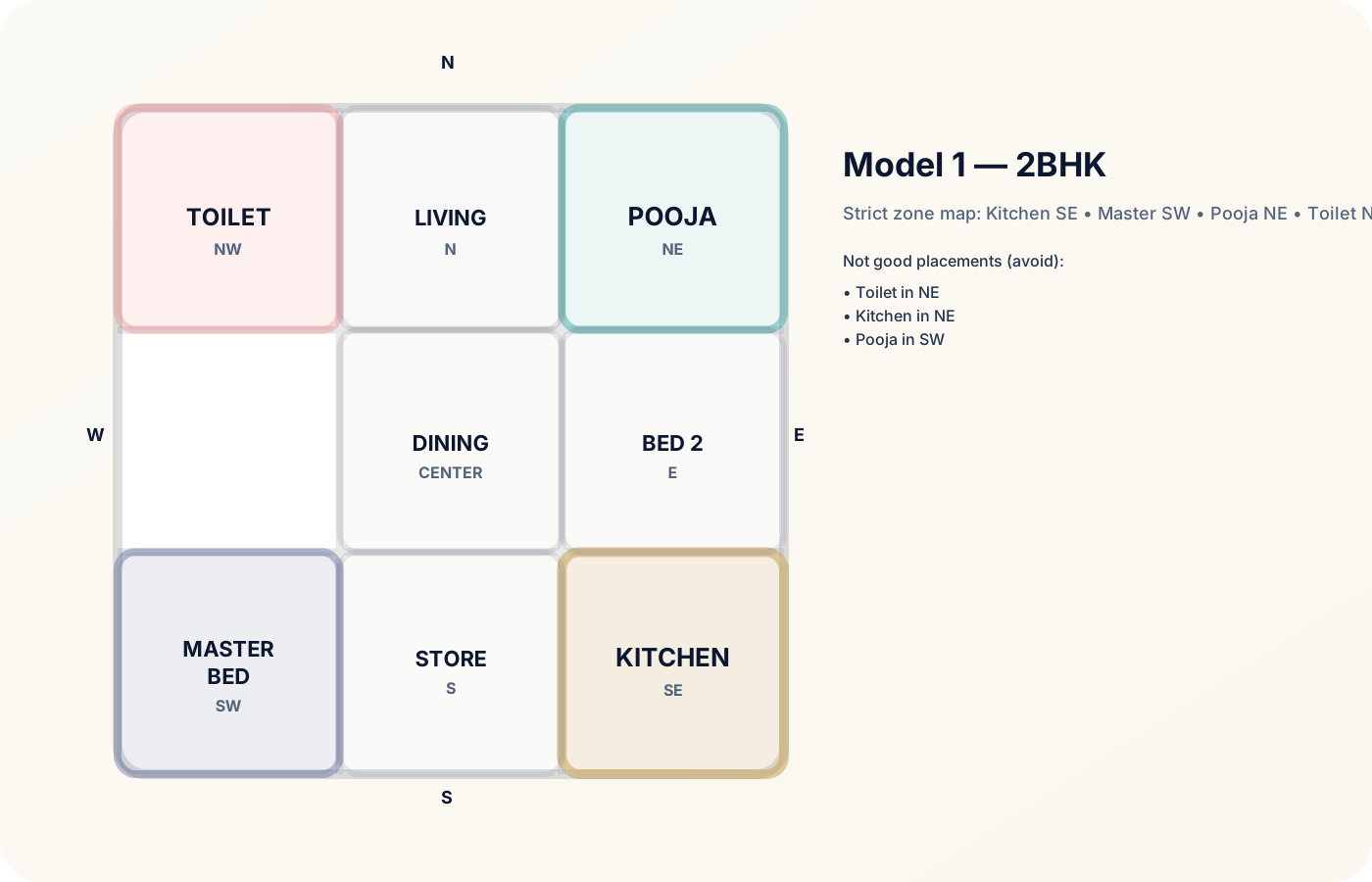
Model 1: 2BHK apartment (compact, practical)
Reason
This model keeps kitchen in SE, master bedroom in SW, and pooja in NE. Living/dining sits in the north/east for openness. Toilets are kept away from NE (often NW).
Not good in this model
- Toilet touching NE corner
- Kitchen shifted to NE (considered not good)
- Master bedroom placed in NE
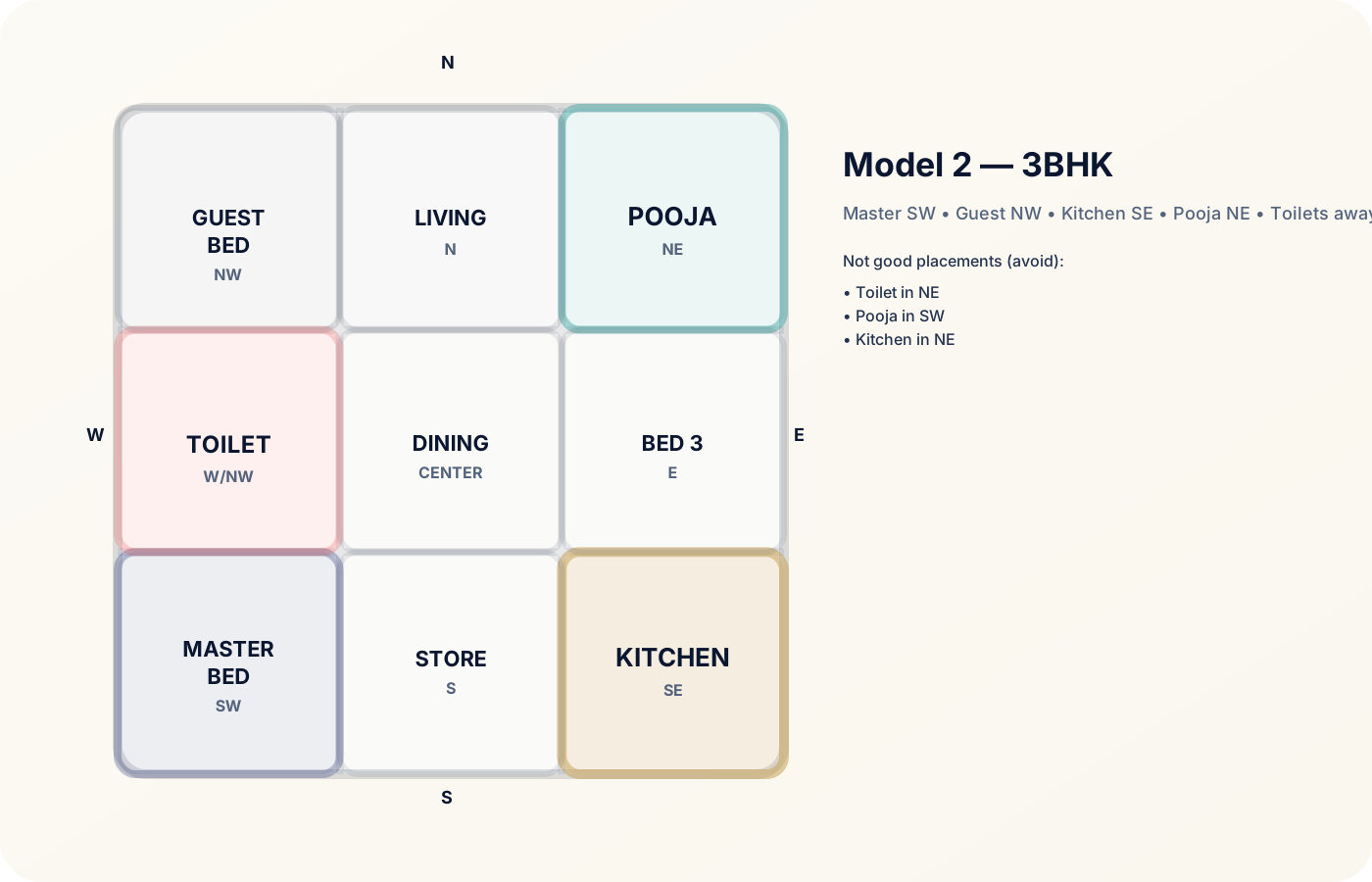
Model 2: 3BHK independent house (family + guest)
Reason
Master bedroom stays in SW. Guest bedroom is kept in NW. Kitchen stays in SE. Pooja is fixed in NE and kept clean/quiet.
Not good in this model
- Guest room in NE (NE reserved for pooja/clarity)
- Toilets in NE
- Kitchen in NW (kept as alternate only; not used here)
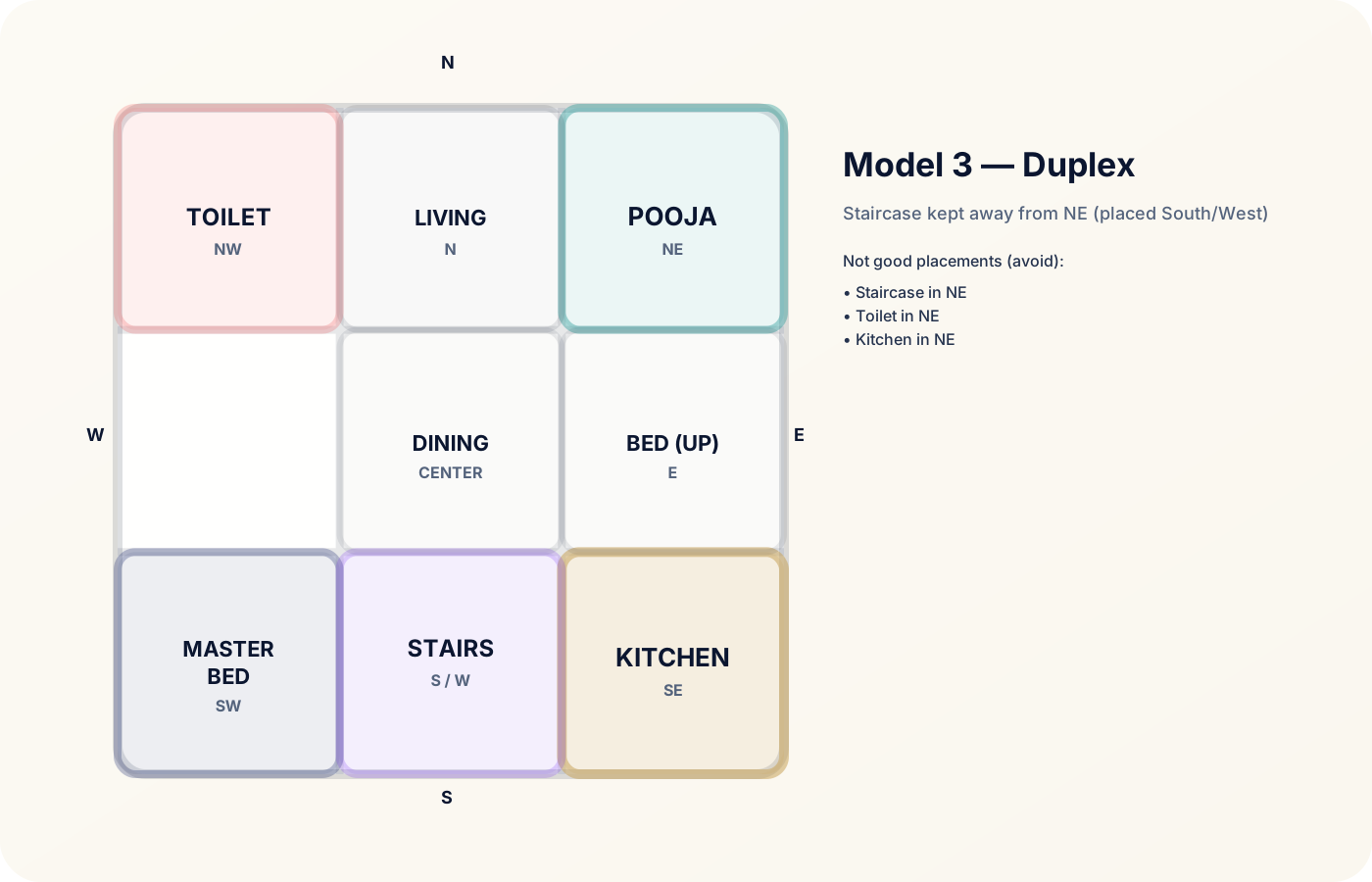
Model 3: Duplex (stairs in south / west)
Reason
Duplex layouts need a staircase. Traditional guidance avoids stairs in NE; this model places the staircase in South (or SW/West). Kitchen remains SE; master bedroom remains SW; pooja remains NE.
Not good in this model
- Staircase in NE
- Toilet under/near pooja in NE
- Kitchen in NE
Model 4: 1BHK / studio (small home)
Reason
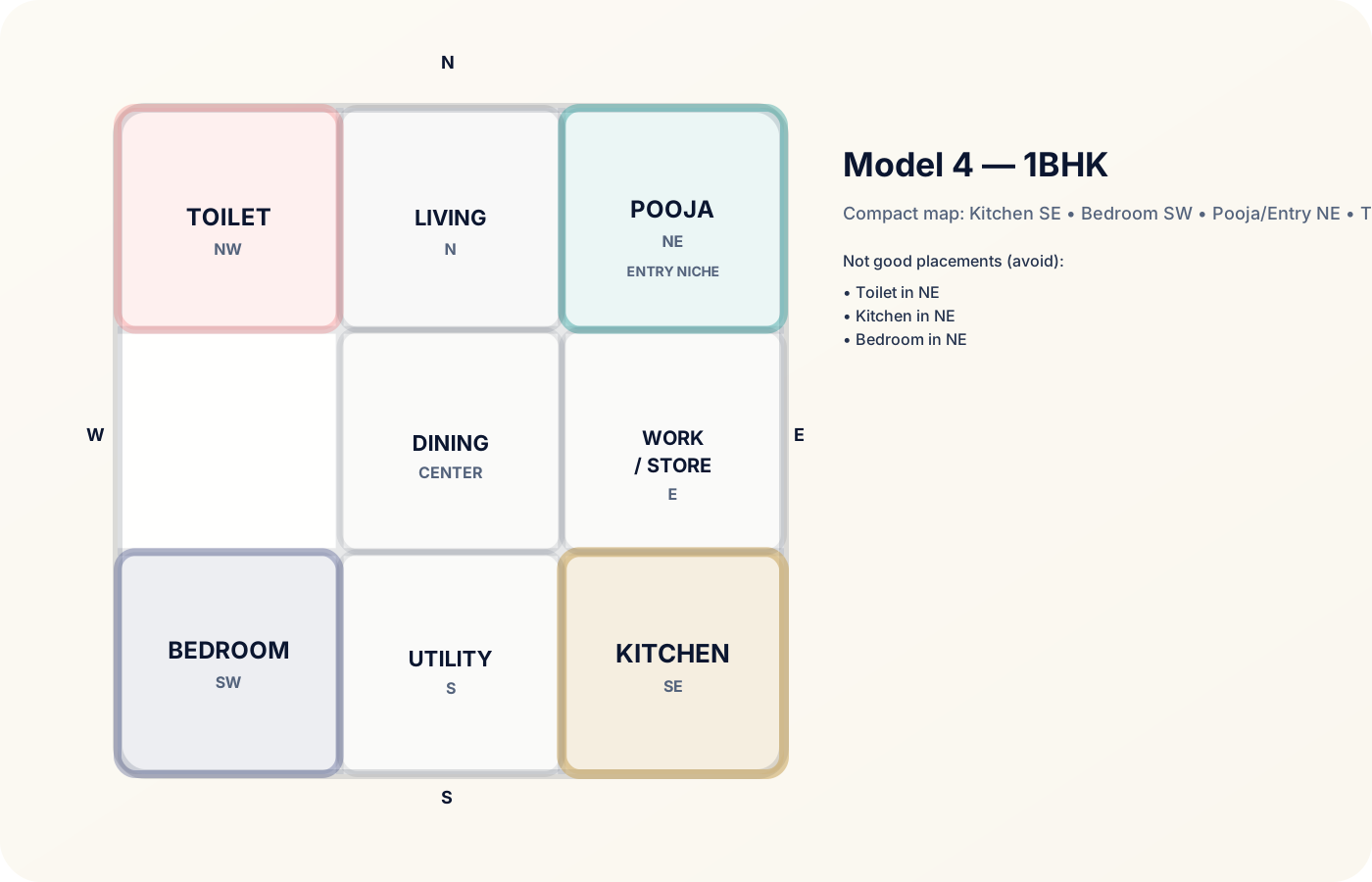
Small homes can’t separate everything. This model still keeps kitchen in SE and a sleep zone in SW. Pooja is a small NE corner shelf/space. Toilet kept away from NE (often NW).
Not good in this model
- Cooking in NE corner
- Bed placed in NE
- Toilet in NE
Model 5: Courtyard-inspired plan (Brahmasthan kept open)
Reason
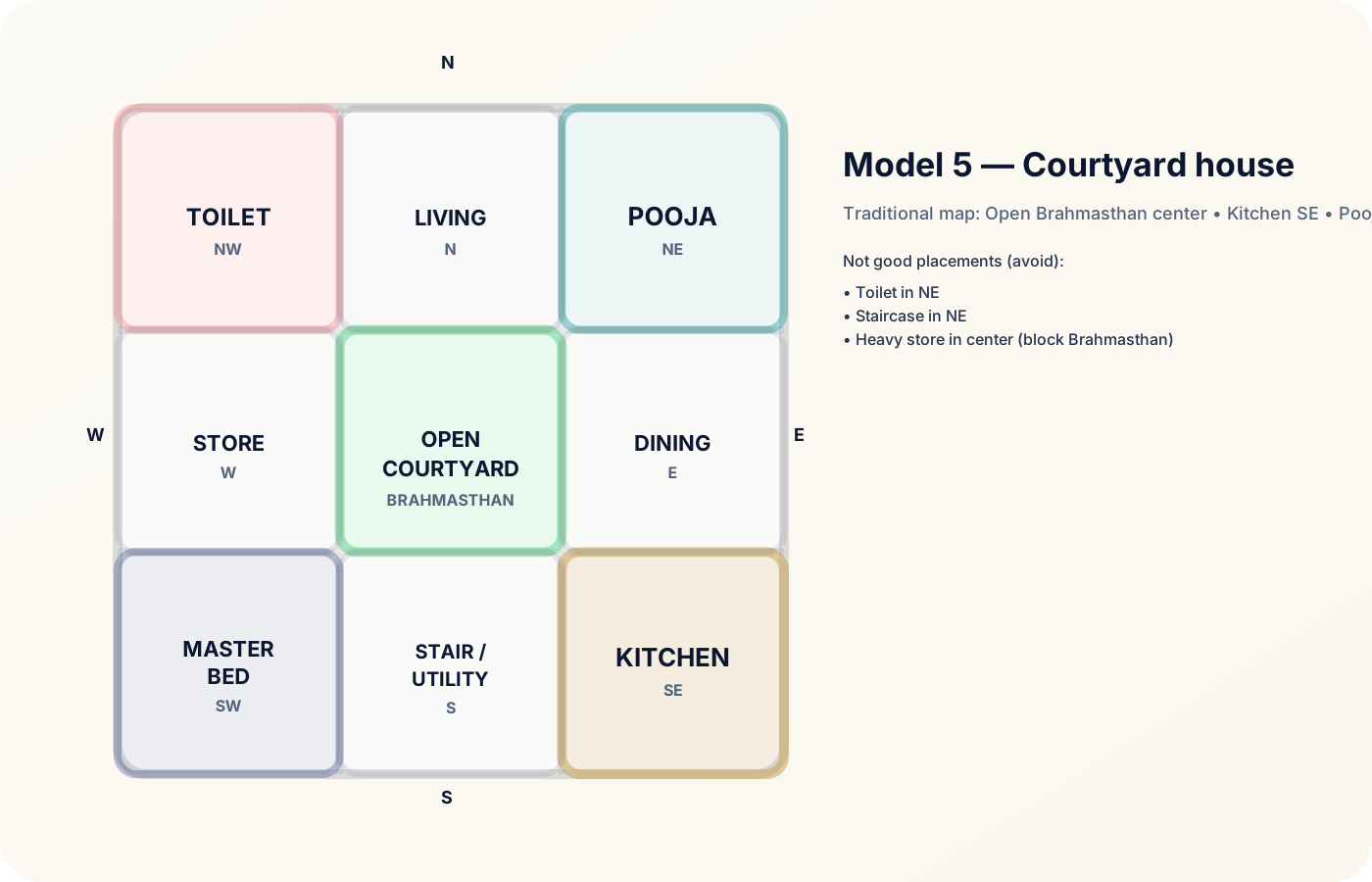
Traditional planning keeps the center (Brahmasthan) open/light. This model uses a central open zone and places rooms around it: kitchen SE, master SW, pooja NE, toilets away from NE.
Not good in this model
- Heavy store/toilet in the center (Brahmasthan)
- Kitchen in NE
- Pooja in SW
Model 6: 4BHK (family + guest + study)
Reason
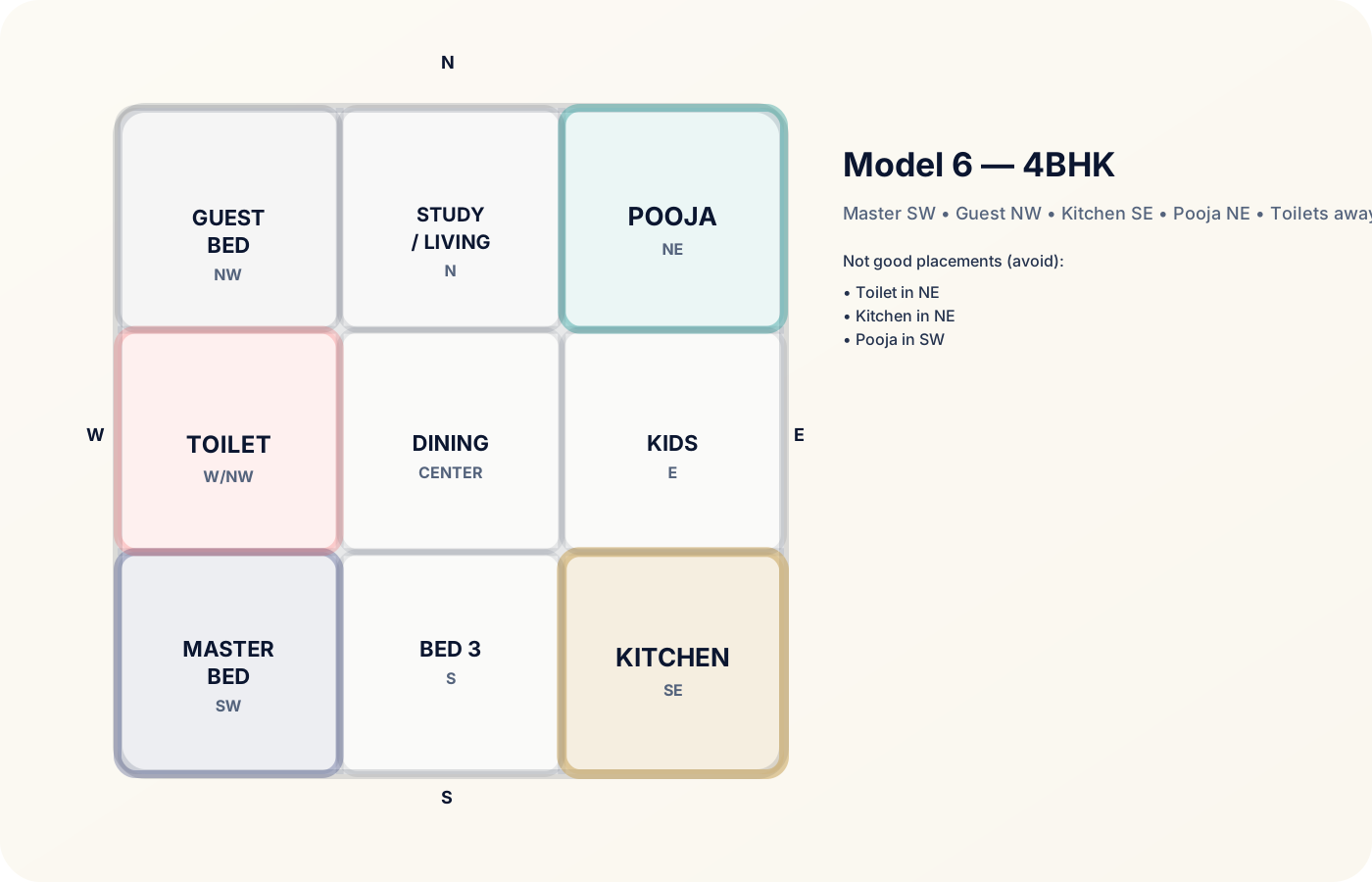
This 4BHK model keeps the core zones intact (kitchen SE, master SW, pooja NE). Guest room stays in NW and a study/living sits in the north. Toilets are kept on the west/north-west side (away from NE).
Not good in this model
- Toilet in NE
- Kitchen in NE
- Pooja in SW
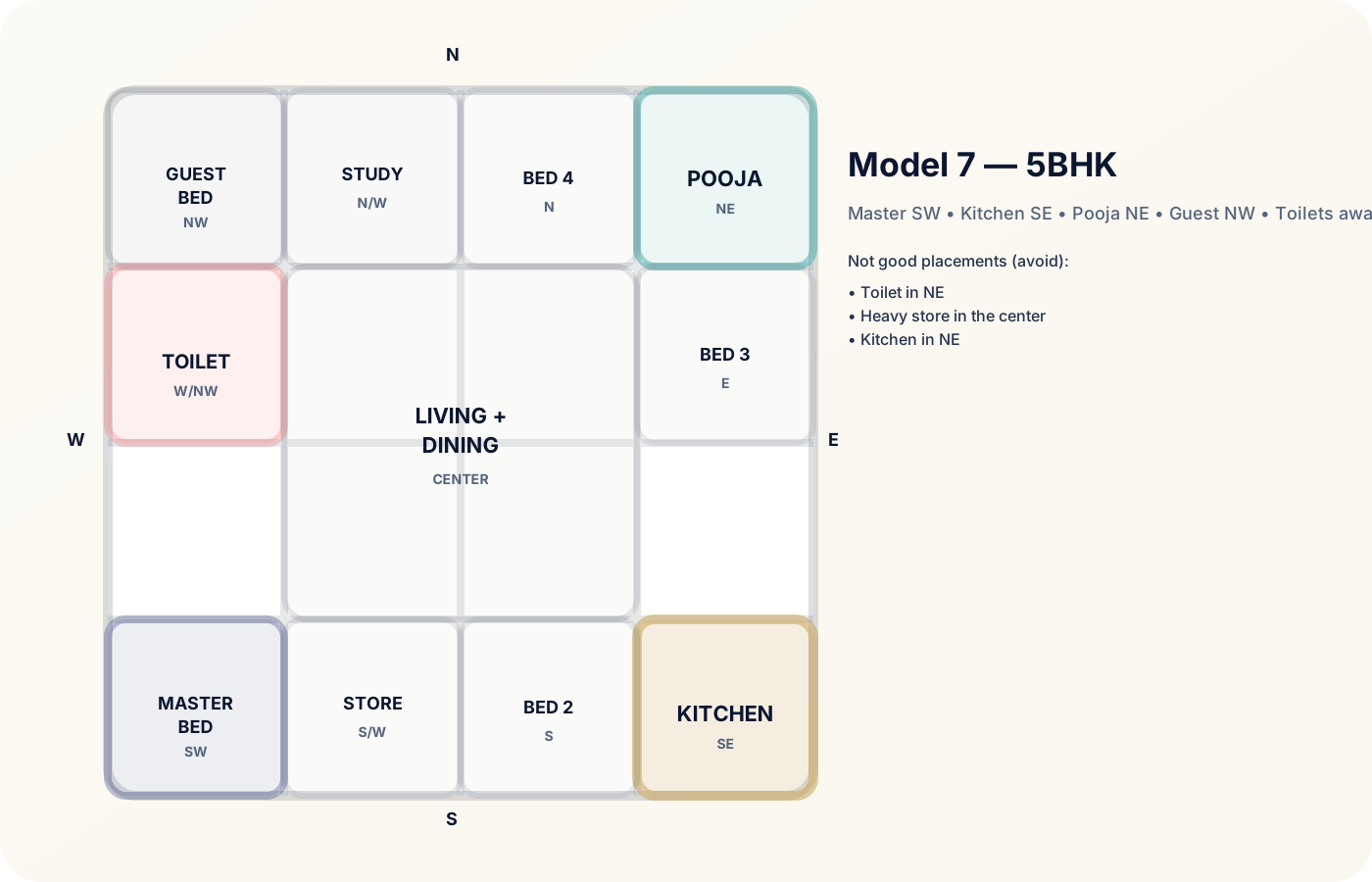
Model 7: 5BHK (larger home, more rooms)
Reason
Larger homes add bedrooms, but traditional planning keeps the key corners consistent: pooja NE, kitchen SE, master SW. Extra bedrooms and study sit around the center while keeping the center usable (living/dining).
Not good in this model
- Toilet in NE
- Heavy store in the center
- Kitchen in NE
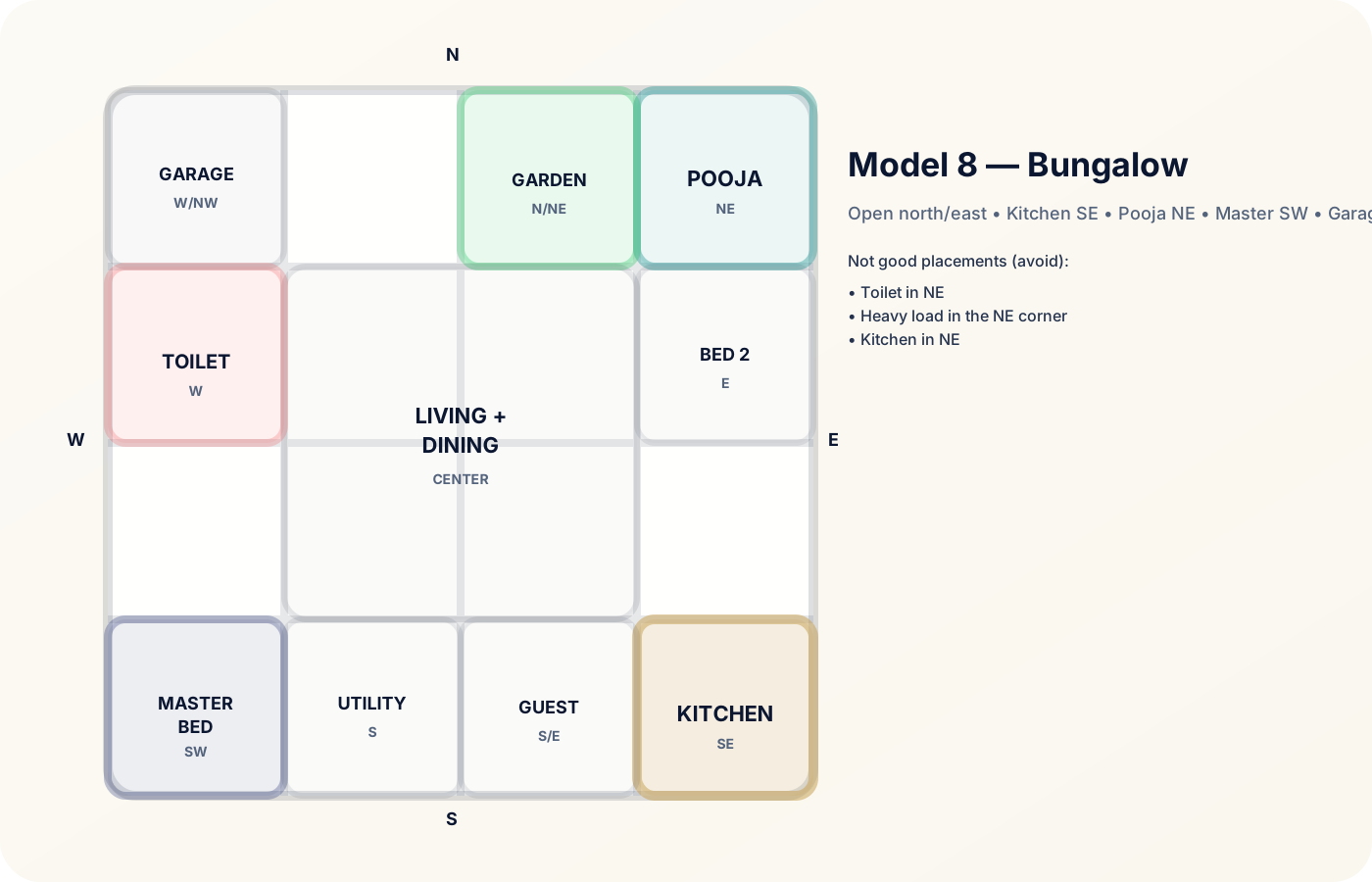
Model 8: Bungalow (open feel + garage)
Reason
Bungalows often have outdoor space. This model keeps the north/east lighter and uses a garage/parking zone on the west/north-west side. Kitchen stays SE and pooja stays NE. Master stays SW for stability.
Not good in this model
- Toilet in NE
- Heavy load stored in NE
- Kitchen in NE
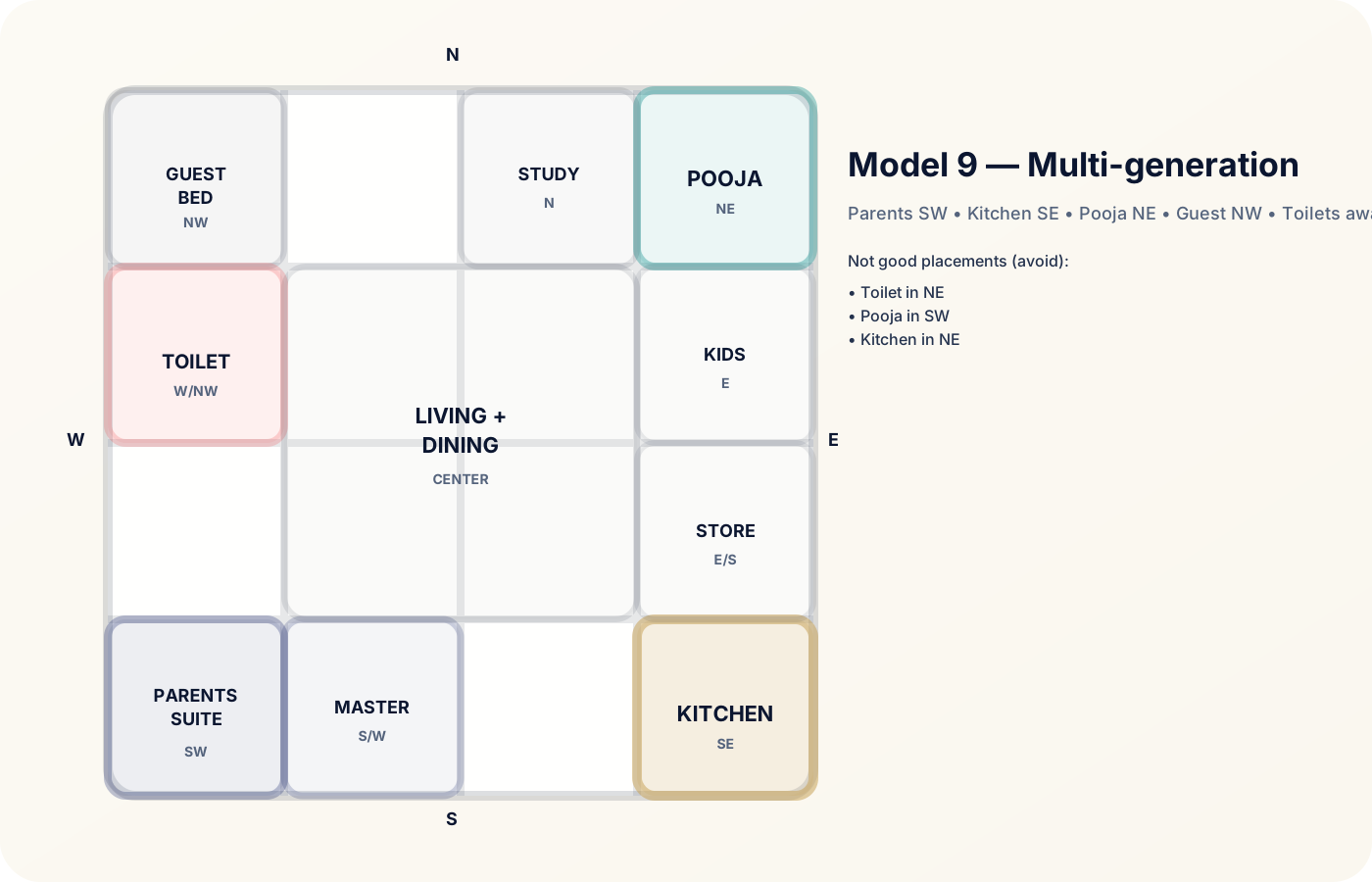
Model 9: Multi-generation home (parents + family)
Reason
For multi-generation homes, the heaviest rest zone is typically reserved for elders (SW). Other bedrooms distribute across south/east zones. Pooja NE, kitchen SE, and toilets away from NE remain the key anchors.
Not good in this model
- Toilet in NE
- Pooja in SW
- Kitchen in NE
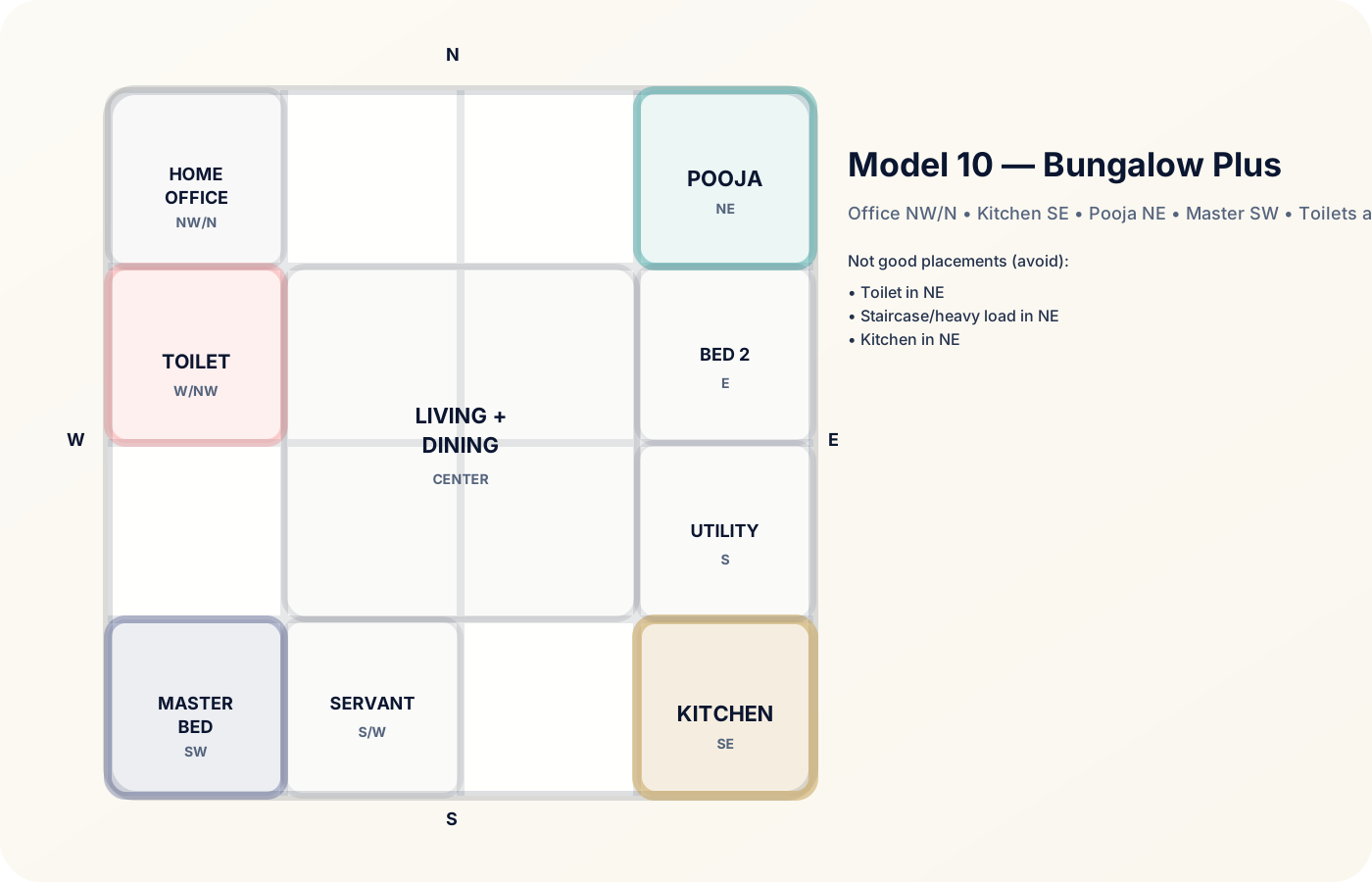
Model 10: Bungalow Plus (home office + servant room)
Reason
This model adds a home office and servant room while keeping the NE/SE/SW corner logic intact. Office is kept in the north/north-west band and the servant room is kept on the south/west side so NE remains light and quiet.
Not good in this model
- Toilet in NE
- Kitchen in NE
- Heavy load/stairs in NE