

What is Vastu Shastra?
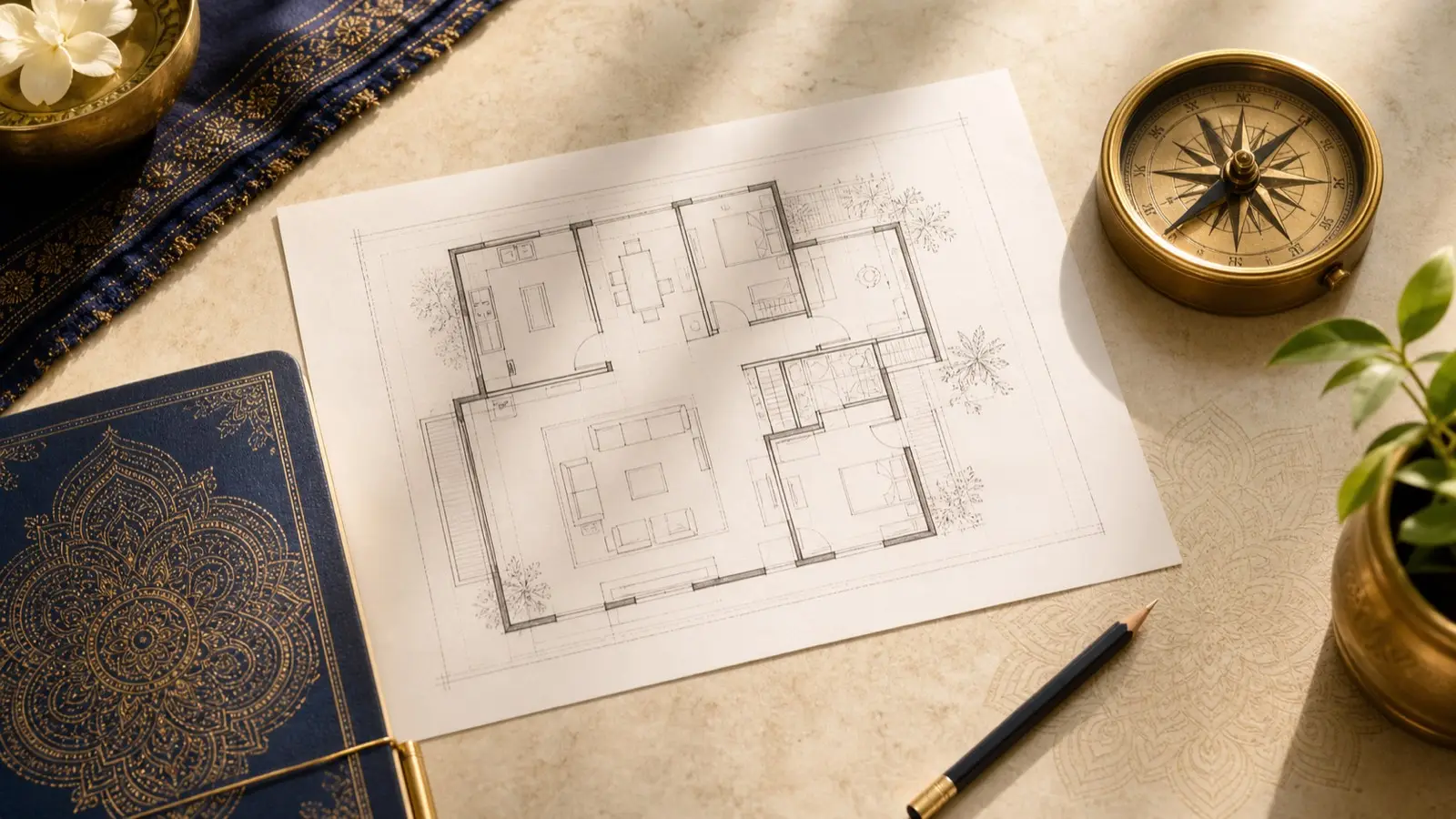
Vastu Shastra is a traditional Indian framework for planning spaces—homes, apartments, offices, shops, and plots—using a mix of directions, room placement, and daily flow. In simple terms, people use Vastu like a checklist: where is the entrance, where is the kitchen, where does light enter, where do we sleep, and how do we move through a space?
Different families and regions follow different traditions. Some follow Vastu very strictly; others use it as a general guide. At VastuEssentials, we take a balanced approach: use Vastu as a planning map, then validate changes with practical constraints—safety, ventilation, maintenance, and budget.
If you’re busy, start small: clean and brighten the entrance, improve airflow in the kitchen, and simplify the bedroom. These three steps alone make most spaces feel noticeably better—and they also align with the most common Vastu priorities.
Once you do this, you can use directions and room-wise rules with much more confidence.
Why Vastu feels important
For many Indian families, Vastu is tied to peace of mind during big decisions—buying a home, moving to a new rental, setting up a home office, or opening a clinic or shop. Even when people disagree on the “rules,” the intent is often the same: reduce stress, create harmony, and support daily routines.
The premium version of Vastu is not about fear. It’s about clarity: making your space easy to live in and easy to maintain. When a space is bright, breathable, organized, and thoughtfully arranged, it naturally feels better—no matter what you call it.
History & origin (short and practical)
Vastu ideas appear across older Indian architectural traditions. Over time, these ideas were interpreted and applied in many ways. Today, people apply Vastu to everything from independent houses to modern apartment layouts—often as a decision-making framework.
You don’t need to know every historical text to use Vastu responsibly. It’s more useful to understand the recurring themes: direction-based symbolism, the importance of the center (open space), and the idea of zoning activities (sleeping, cooking, working).
Science-first vs traditional: how to combine them
One reason Vastu becomes confusing is that people mix three different things:
- Practical design basics: daylight, airflow, hygiene, clutter control, safe wiring, and drainage.
- Directional planning: using north/east/south/west (and the corners) to organize the home.
- Traditional remedies: objects, symbols, rituals, and adjustments meant to restore balance.
The five elements (Pancha Bhoota) in everyday terms
Many Vastu explanations use the five elements—Earth, Water, Fire, Air, and Space—to describe balance in a home. Think of them as a way to check whether your home supports comfort and routine:
- Earth: stability (heavy storage, safe placement of large items)
- Water: flow and hygiene (clean water areas, drainage, leak prevention)
- Fire: heat and cooking (kitchen safety, ventilation, smoke control)
- Air: freshness (cross-ventilation, fans, windows, indoor air quality)
- Space: openness (movement paths, less clutter, a calm center)
You can use the five elements to troubleshoot. For example: if a home feels “heavy,” look at clutter and blocked pathways (Space/Earth). If it feels “hot” or stressful, check ventilation, sunlight control, and kitchen heat management (Fire/Air).
Directions: what people really mean
The most common Vastu conversation starts with directions: Which way is the house facing? Where is the entrance? Where is the kitchen? This is why direction-based pages are so popular.
Direction recommendations can vary, but the practical intention is consistent: align major activities with comfort. For example, people often prefer an entrance that feels bright and welcoming, a kitchen that is ventilated, and a bedroom that feels calm.
How to find directions correctly (without confusion)
Many Vastu “mistakes” are actually direction mistakes. Two people stand in the same room and get two different answers because they measured differently. Use this simple method:
- Use a phone compass: stand near the main door (not near large metal objects) and note the direction you face when you step out.
- Use the floor plan: if you have a builder plan, identify north (often marked) and then map rooms.
- Be consistent: don’t switch between “door direction,” “balcony direction,” and “road direction” in the same discussion.
- Avoid interference: compasses can shift near steel gates, elevators, and strong magnets—step away and re-check.
After you identify directions, treat them as a guide—not a verdict. If your kitchen is “not ideal,” your first response should be practical: improve ventilation, keep it clean, and reduce heat/stress in daily cooking. Then layer direction-based suggestions as optional improvements.
Vastu Purusha Mandala & the “center” concept
You may hear about the Vastu Purusha Mandala—often presented as a grid or map. A practical takeaway is the importance of the center of the home (sometimes called Brahmasthan). Even in modern interiors, it’s useful to keep the center relatively open: movement becomes smoother, the home feels less congested, and cleaning becomes easier.
If your home layout doesn’t allow an “open center,” don’t panic. Focus on what you can control: minimize clutter, improve circulation, and keep pathways unobstructed.
How to use Vastu as a practical checklist
The easiest way to use Vastu is not to memorize hundreds of rules. Instead, use a consistent checklist:
- Entrance: Is it bright, clean, and easy to access?
- Kitchen: Is it safe, ventilated, and easy to work in?
- Bedroom: Is it quiet, comfortable, and uncluttered?
- Water areas: Are there leaks, dampness, or drainage problems?
- Center/flow: Are walkways clear and furniture arranged for easy movement?
- Light/air: Does the home have adequate daylight and ventilation?
Once the basics are strong, you can go deeper into room-wise details and direction-facing logic.
Core Vastu principles (simple, premium version)
If you only remember a few ideas, remember these. They work for apartments, independent houses, and even commercial spaces. They also keep the experience premium: calm, clear, and practical.
Clarity at the entry
Keep the entrance bright, clean, and easy to access.
Calm in rest zones
Bedrooms should feel quiet, comfortable, and clutter-free.
Safety in fire zones
Kitchens must prioritize ventilation, cleanliness, and safe movement.
Dryness in wet zones
Bathrooms and drains should not create dampness, leaks, or mold.
Flow in pathways
Arrange furniture to support movement, not block it.
Balance over fear
The goal is a livable home, not an anxious one.
When people say “Vastu is working,” it often means the home is easier to maintain, daily routines are smoother, and the space feels stable. These principles move you toward that outcome even if you don’t follow every traditional rule.
Room-wise Vastu: what to prioritize first
Real homes are imperfect. Instead of chasing perfection, rank changes by impact. If your budget or freedom is limited, this order gives you the best return:
- Entrance (approach, light, clutter-free)
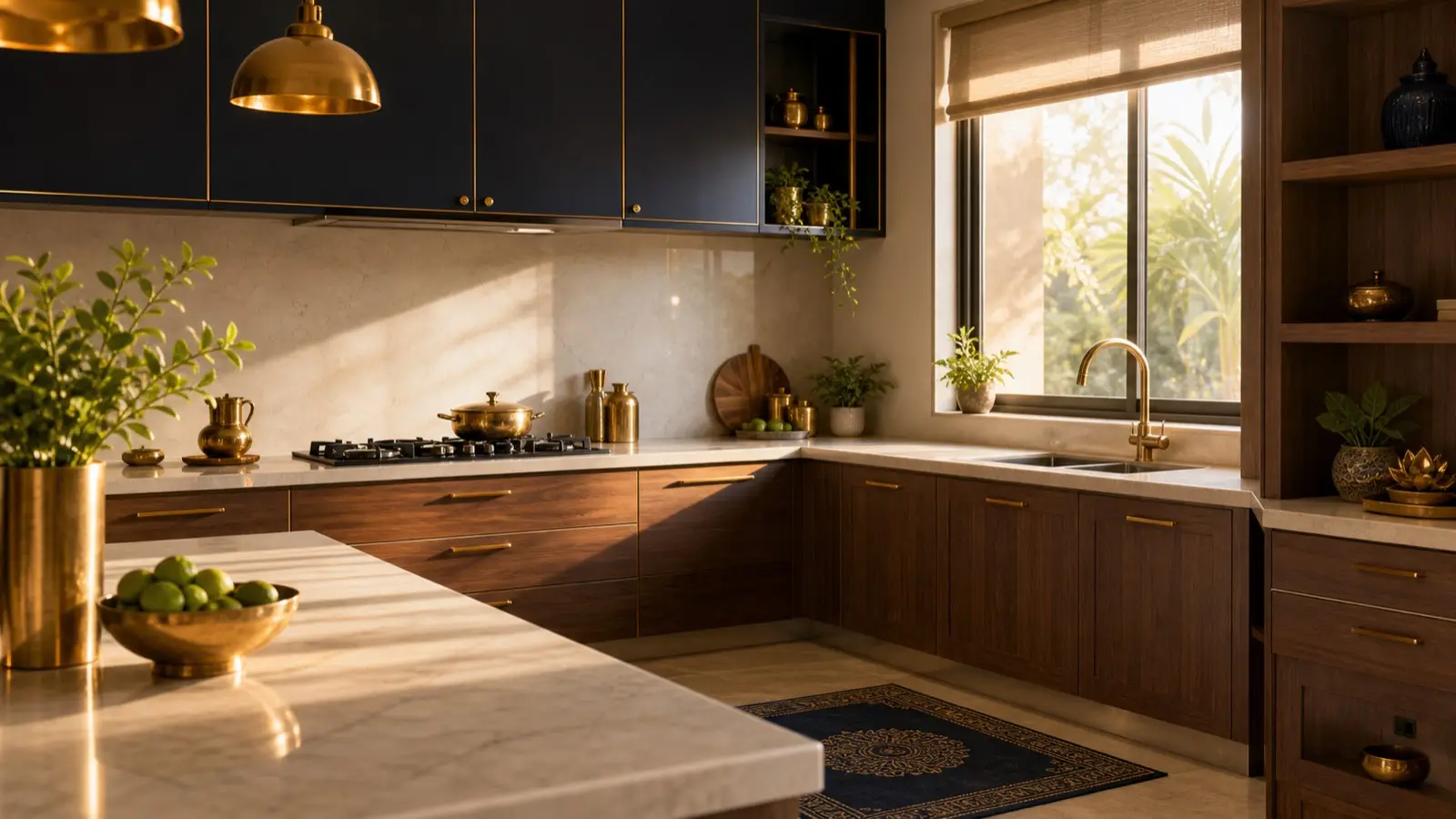
- Kitchen (fire safety + ventilation)
- Master bedroom (sleep quality + calm)
- Bathrooms (leaks, dampness, hygiene)
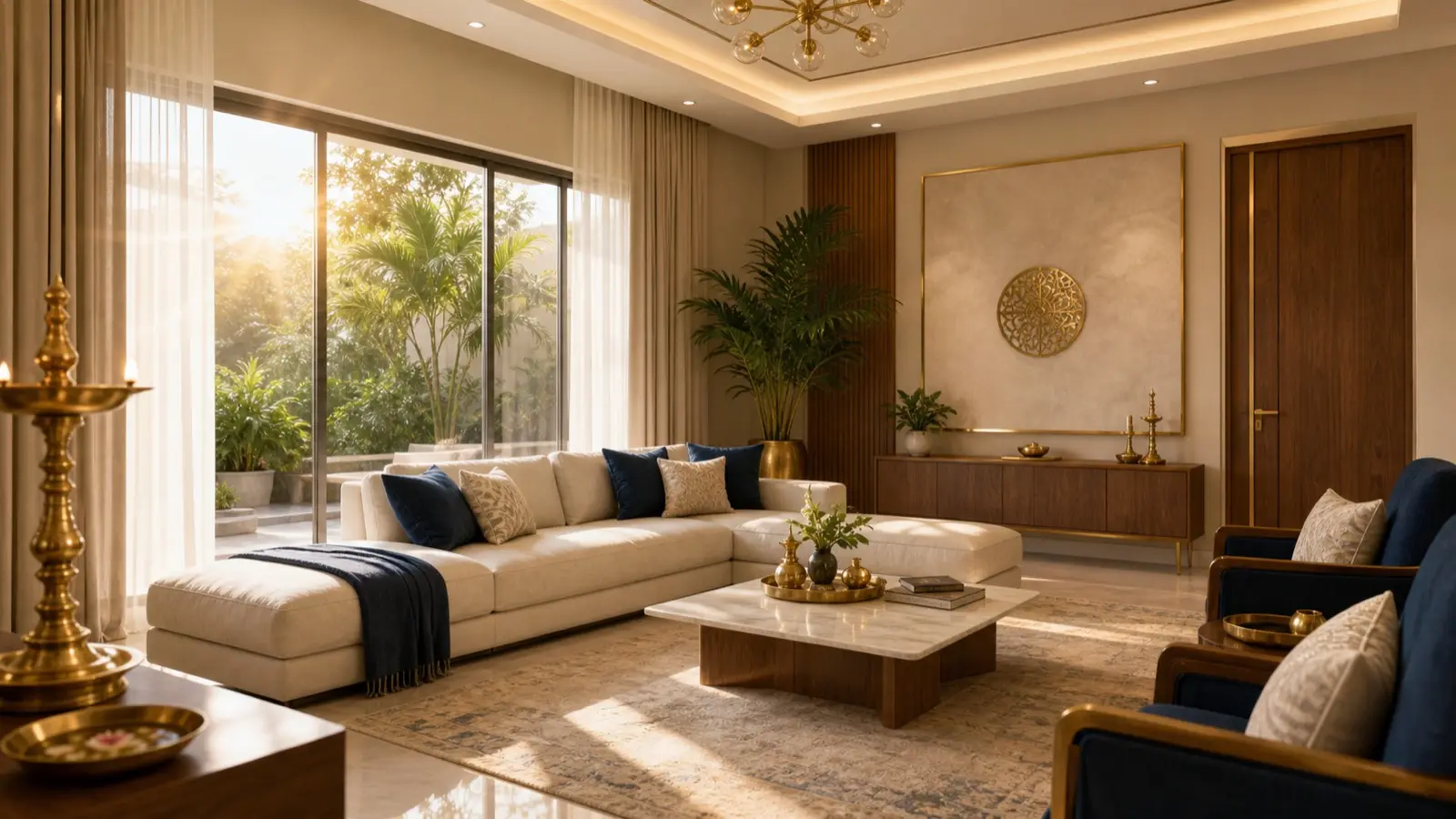
- Living room (seating + circulation flow)
- Study / home office (focus + lighting)


Home Vastu vs apartment Vastu (what changes)
Apartments and rentals are the most common real-world scenario—and the most misunderstood. In an apartment, you usually cannot relocate plumbing lines, knock down walls, or change the building entrance. That means Vastu should be applied as smart constraints + small wins.
In apartments, focus on what you can control: decluttering, lighting, ventilation, furniture placement, and daily flow. This approach is also the most cost-effective and realistic.
Plot & land Vastu (practical view for buyers)
Plot discussions often become complicated because people evaluate many things at once: facing, road position, slope, shape, and neighborhood. If you are evaluating a plot, keep the process calm and practical.
- Access: Is the approach road convenient and safe?
- Drainage: Does water exit easily? Any long-term dampness risks?
- Shape: Is the plot practical for a floor plan you actually want?
- Slope: Does the slope support drainage and stability?
- Legal checks: documents and approvals matter more than any remedy.
Vastu can guide decisions, but it should not override soil quality, engineering advice, and legal verification.

Vastu for workspaces (office, clinic, shop)
Commercial Vastu is best treated as experience design: reduce friction for customers, support calm decision-making, and create clean, maintainable zones for work. High-impact ideas include:
- Reception/welcome: clear signage, comfortable waiting, bright entry.
- Work zones: reduce glare, reduce noise, and create stable seating.
- Hygiene zones: keep cleaning and storage organized to reduce stress.
In clinics, a hygienic look and a smooth patient flow often matters more than any single directional rule.
How to avoid fear-based advice (and keep it premium)
A premium Vastu experience should feel calm and empowering. If content or advice makes you anxious, pause and return to basics: hygiene, ventilation, lighting, and movement. Be cautious of anyone who:
- Claims your life will be ruined unless you buy a specific expensive remedy.
- Refuses to explain the logic and only uses fear.
- Suggests unsafe renovations or ignores professional/safety constraints.
Vastu should support your decisions—not replace them. When improvements are practical and maintainable, the home naturally feels more balanced.
Common mistakes (and easy fixes)
If you want quick improvement without overthinking, scan this list and fix the most obvious items first. These are “premium” fixes because they improve comfort and reduce daily friction.
Blocked entrance
Remove clutter, improve lighting, keep the door smooth.
Dark corners
Add warm light, lighten curtains, clean windows.
Stuffy rooms
Improve ventilation, add exhaust, avoid damp storage.
Kitchen heat stress
Use exhaust well, declutter counters, separate wet/dry zones.
Bedroom restlessness
Reduce harsh light, reduce noise, simplify bedside clutter.
Constant mess
Create “homes” for keys, bags, and chargers.

Quick start: a calm 7-day Vastu upgrade plan
If you feel overwhelmed, use a simple weekly plan. The goal is not “perfect Vastu.” The goal is a home that feels lighter, cleaner, and more organized—step by step.
- Day 1 (Entrance): clear clutter, improve lighting, clean the doorway and threshold area.
- Day 2 (Living room): create clear movement paths, fix awkward furniture placements, remove visual clutter.
- Day 3 (Kitchen): declutter counters, check exhaust/ventilation, keep wet and dry zones organized.
- Day 4 (Bedroom): simplify the space, reduce harsh light at night, keep the sleeping zone calm.
- Day 5 (Bathrooms): fix leaks, improve drainage and drying, remove damp items, focus on hygiene.
- Day 6 (Storage): organize one storage area (wardrobe, kitchen shelf, or loft) to reduce daily stress.
- Day 7 (Direction check): note facing + entrance + kitchen + bedroom directions and try the Direction Finder.
After this, you’ll know exactly which room needs attention. Then you can follow room-wise pages one by one without pressure.
Mini glossary (simple meanings)
These terms appear often. You don’t need to memorize them—just use them to understand the idea behind a suggestion:
Facing
The direction the main entrance side generally opens toward.
Brahmasthan
The center zone; practically, keep the middle more open and uncluttered.
Vastu Purusha Mandala
A directional grid used to map zones and placements.
Remedy
An optional change/object used after practical fixes are done.
Zone
Grouping activities (sleep, cook, work) so each area feels calm and functional.
Flow
Clear, natural movement paths through the home.
Common myths vs facts (premium, calm perspective)
Misinformation spreads quickly online. Here are a few healthier ways to interpret common claims:
Myth: “One mistake ruins everything.”
Better: start with entrance, kitchen, and bedroom—highest impact first.
Myth: “Only one facing is good.”
Better: most facings can work with thoughtful layout and daily comfort.
Myth: “Buy expensive fixes.”
Better: cleanliness, decluttering, lighting, and ventilation matter more.
Myth: “Remedy replaces safety.”
Better: never compromise on structural, fire, or electrical safety.
Where to go next (recommended path)
Pick the path that matches your situation:
- Introduction if you want the full beginner overview.
- Home Vastu if you are planning for an apartment/house/rental.
- Room-wise Vastu if you want checklists for specific rooms.
- Plot & land if you are buying land or evaluating a plot.
- Direction Vastu if your focus is facing + entrance logic.
- Remedies if you want no-demolition tips.
Beginner-friendly links
Use these three pages as your foundation:
- Introduction to Vastu Shastra (meaning, elements, directions)
- Is Vastu scientific? (balanced perspective)
- Vastu vs Feng Shui (avoid confusion)