
Facing, entrance, and overall layout
Is a south-facing house really bad in Vastu?
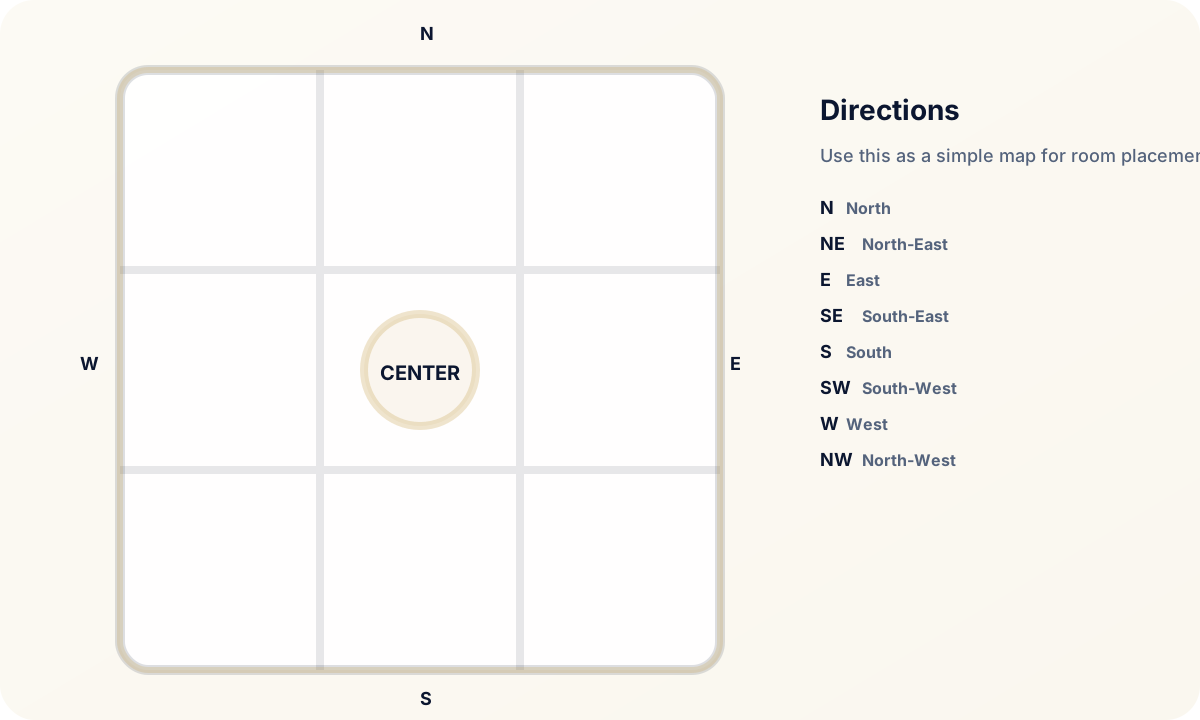
A south-facing house is not automatically “bad”. In many Vastu traditions, south exposure is treated as stronger/warmer, so planning focuses on keeping the south and south-west heavier (storage, staircase, master bedroom) and keeping the north and north-east lighter (open space, pooja, living). If your plan is balanced, a south-facing home can still feel comfortable. Start by checking: entrance zone, kitchen zone, toilet locations, and drainage/slope. Practical tips that match traditional logic: keep the NE corner clean and open, avoid heavy storage there, fix dampness quickly, and make sure daylight and airflow reach the living area. If heat is high, shading and cross-ventilation often improves the “feel” more than any remedy. Use the Direction Vastu overview as a map.
Which direction should the main door face?
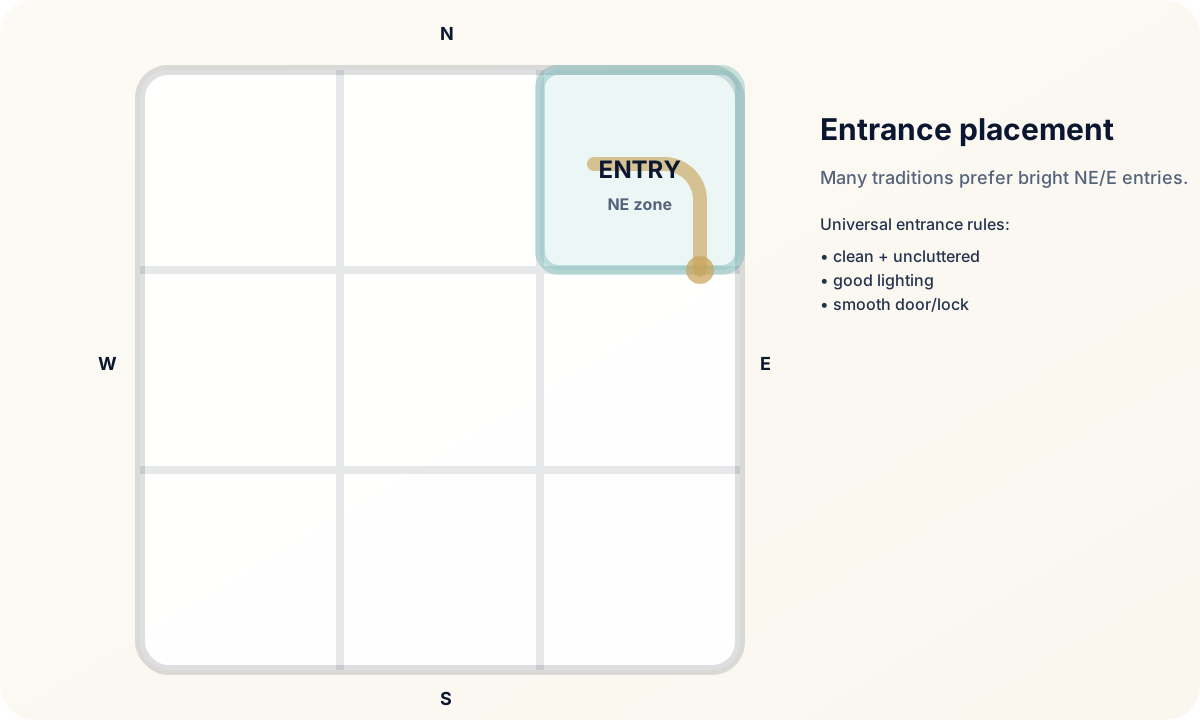
Common guidance prefers East or North facing entrances or entrance positions in the North-East / North / East sector, with a clean approach, good lighting, and clutter-free landing. Avoid placing the main door in a way that opens directly into a toilet view, a messy shoe pile, or a tight dead-end. If your entrance is fixed, improve it with bright lighting, a clear walkway, and simple decor. Small details matter: a smooth door swing, a working lock, no creaking hinges, and a pleasant first view (a plant, artwork, or clean wall) are “Vastu-friendly” and also good design. See Entrance & Main Door Vastu.
What should be avoided near the main entrance?
Traditional do’s: clean threshold, good light, working doorbell, and breathable air. Traditional avoid list includes: trash bins, shoe clutter, broken decor, sharp clutter (tools), damp corners, and strong unpleasant odors. Also avoid a big mirror directly facing the main door in many traditions (it’s treated as “pushing energy out”). If you need a mirror, place it on a side wall.
Can a staircase in the center of the house create Vastu dosha?
Many Vastu approaches advise keeping the center (Brahmasthan) open/light. A heavy staircase in the exact center can make circulation tight, reduce light/air, and symbolically “press” the core. If you already have it, focus on practical fixes: increase lighting, keep the area clutter-free, avoid storage under the stairs, and keep the staircase visually light. For ideal placement guidance, see Staircase Vastu.
Kitchen, dining, and bathroom questions
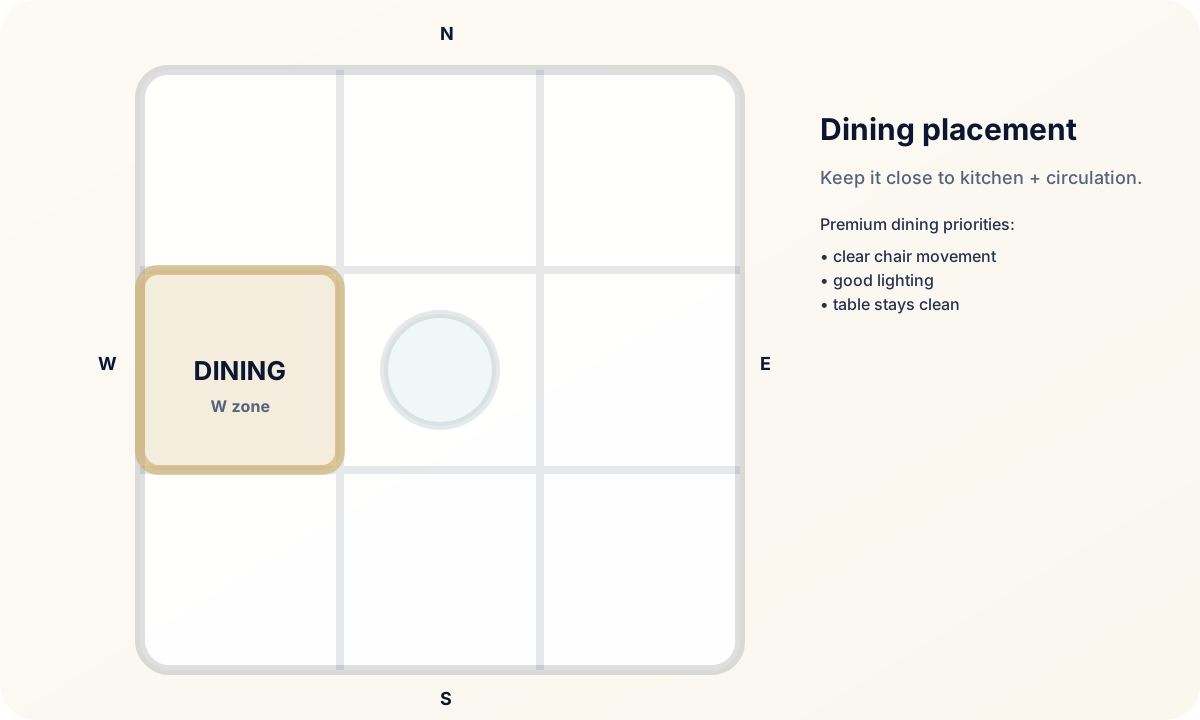
What is the best direction for the kitchen?
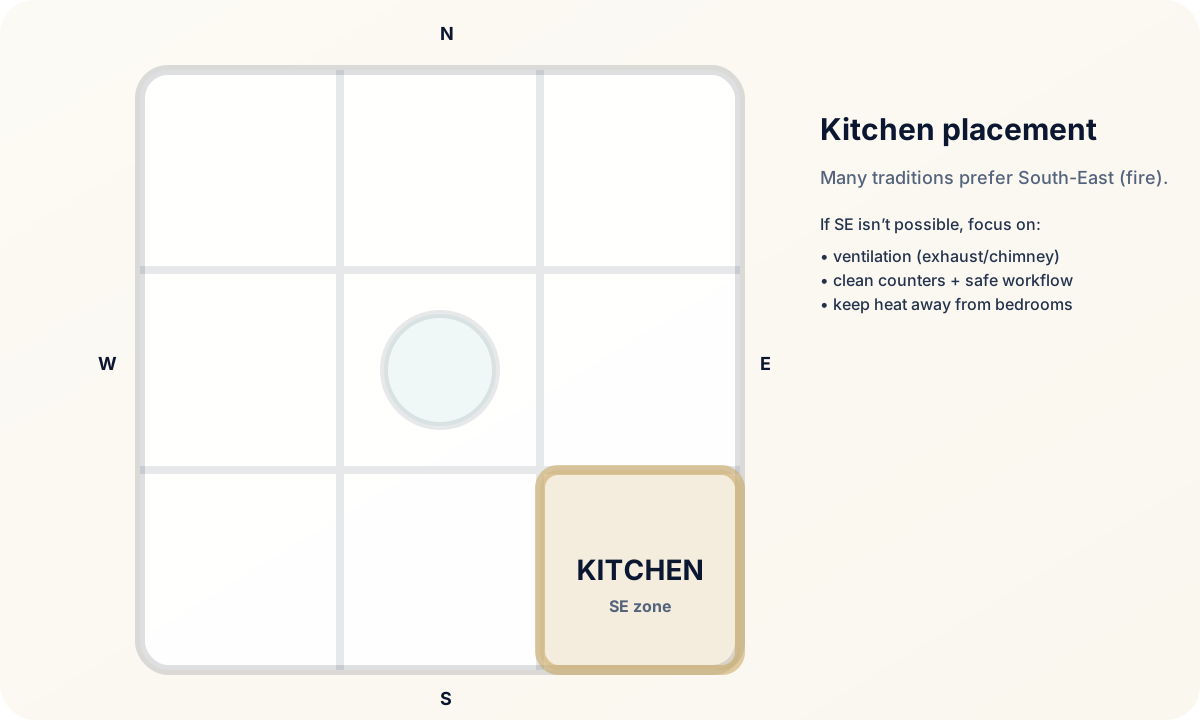
A widely followed rule is Kitchen in South-East (SE) (often linked to the fire element). If SE is not possible, many practitioners treat North-West (NW) as a secondary option for kitchens in some layouts. Avoid placing the kitchen in North-East in traditional guidance. Within the kitchen, common tips include: cook facing East, keep the sink/water to the north or north-east side inside the kitchen, and avoid placing the stove directly next to the sink. Keep the cooking area bright and smoke-free: a good chimney/exhaust and clear countertops often fixes the biggest “imbalance” people feel. Also keep the gas/stove area stable and away from a strong cross-draft that blows the flame. See Kitchen Vastu.
Is it bad to have a toilet near the kitchen?
Traditionally it’s considered not ideal if a toilet shares a wall with the kitchen or if toilet doors open directly toward the cooking zone. Practically, it can also create odor, dampness, and hygiene concerns. If you can’t change it, focus on: strong ventilation, always-closed toilet door, dry floors, and keeping the kitchen wall dry and clean. Also avoid storing food on the shared wall side if possible. A simple improvement is to create a small visual buffer: a slim shelf, a tall plant (where light allows), or a partition that blocks direct sightlines between the toilet door and cooking area. Traditional logic aims for separation between “waste” and “cooking”; practical design aims for cleanliness and comfort—both point to the same fixes.
Is a bathroom in the northeast corner harmful?
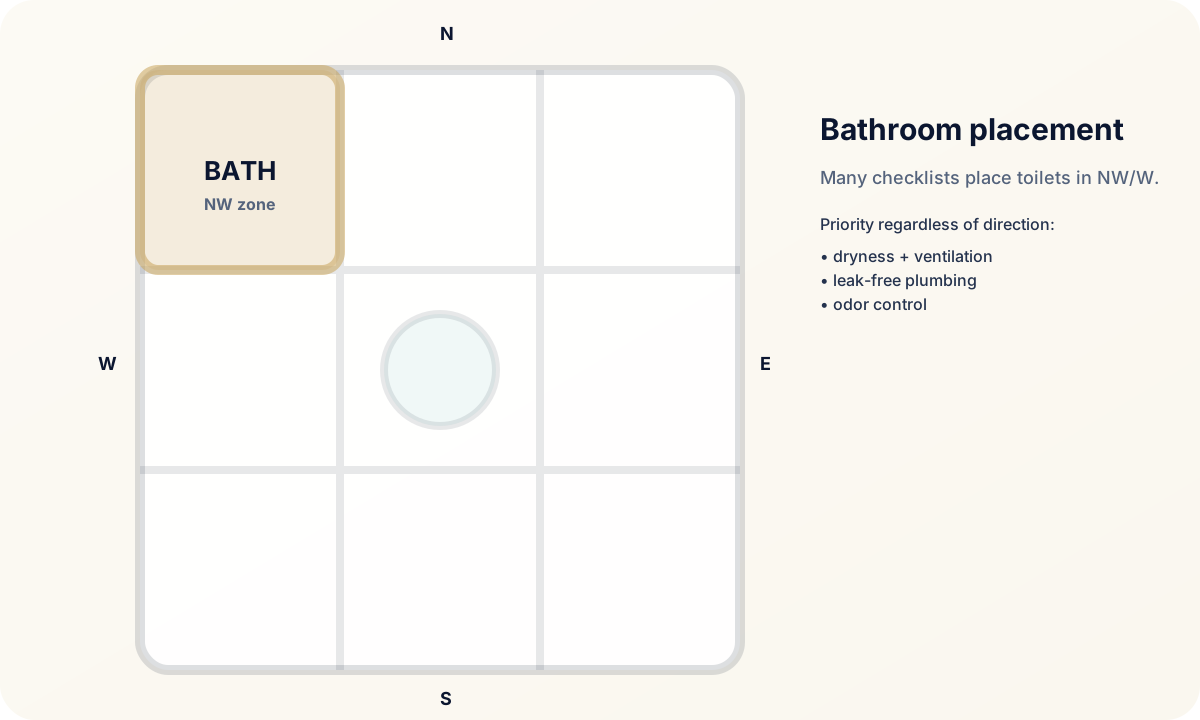
Many traditions treat the North-East (NE) as a light/clean zone and therefore consider toilets/bathrooms there as not good. If your home has this, prioritize practical corrections: excellent ventilation, leak-proof plumbing, dry floors, and keeping the bathroom bright and clean. If there is a pooja nearby, keep strong separation (no shared wall, no shared ceiling leaks, and no direct line-of-sight). Also avoid storing heavy cleaning chemicals right in the NE corner if you can relocate them to a west/south storage area. Many people see the best improvement simply by eliminating dampness and keeping the toilet door closed with consistent cleaning. For room guidance, see Bathroom & Toilet Vastu.
What are the Vastu remedies without demolition?
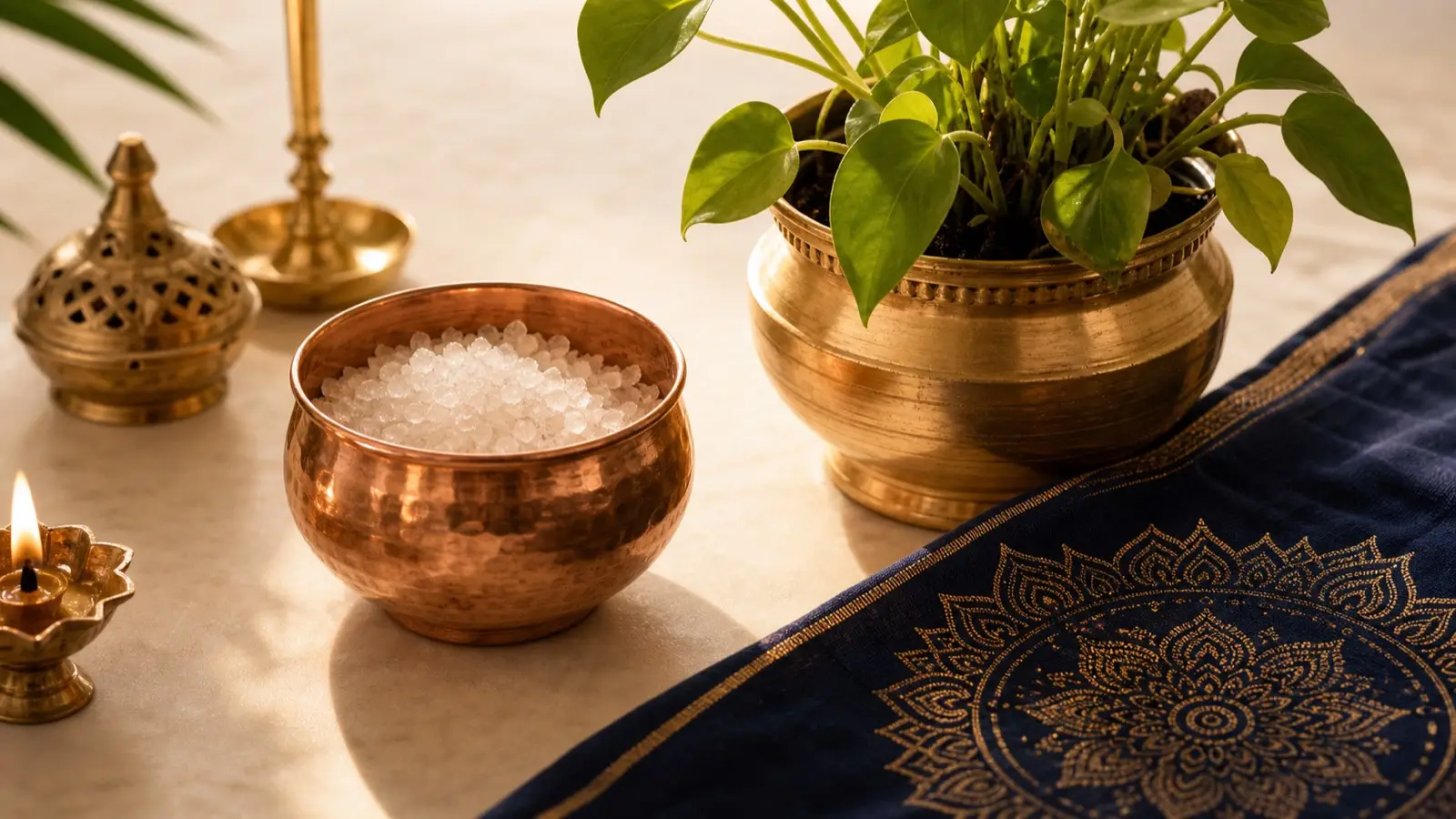
“No-demolition” remedies are usually behavior + arrangement: declutter, repair leaks, improve ventilation, add layered lighting, keep entry clean, and balance storage (heavy items toward south/west, lighter items toward north/east). Many people also use simple traditional remedies like salt bowls (kept safely away from kids/pets), plants (where sunlight allows), and calming scents—without spending too much. A strong “premium” fix is to improve day-to-day flow: clear walking paths, reduce visual clutter, and keep one calm corner (pooja/meditation/reading) that stays tidy all week. These habits match Vastu intent and also improve real comfort. See Vastu Remedies Without Demolition.
Bedroom, mirrors, sleep, and relationships
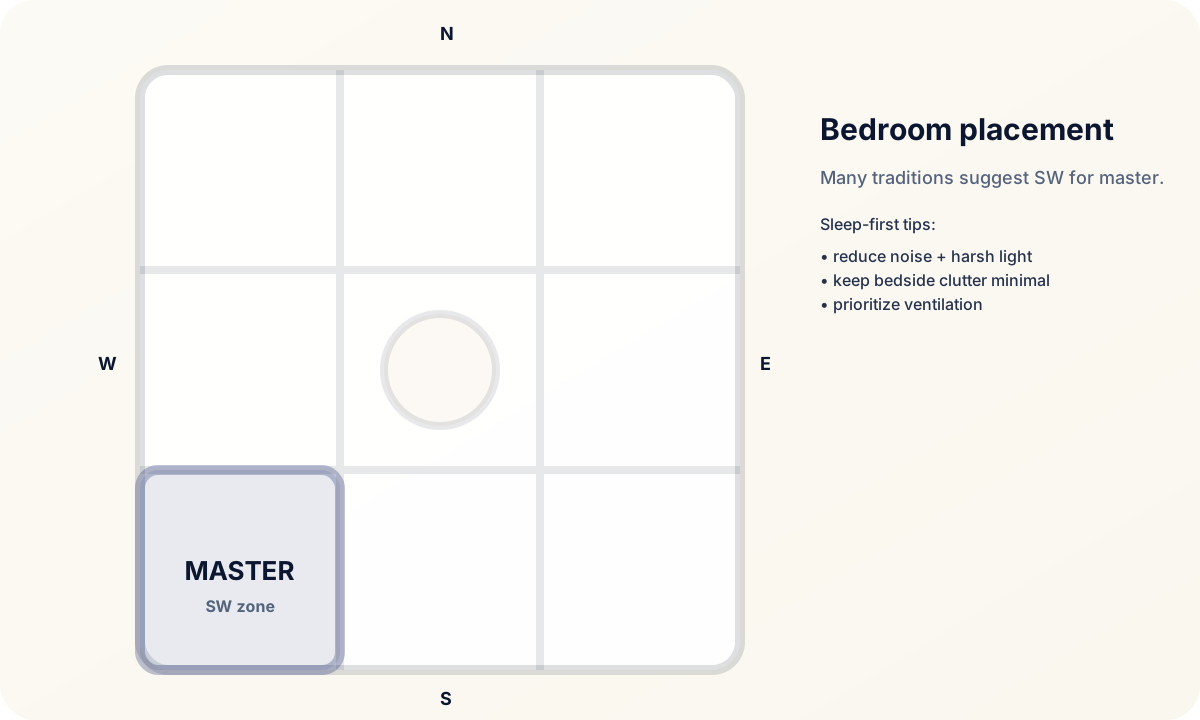
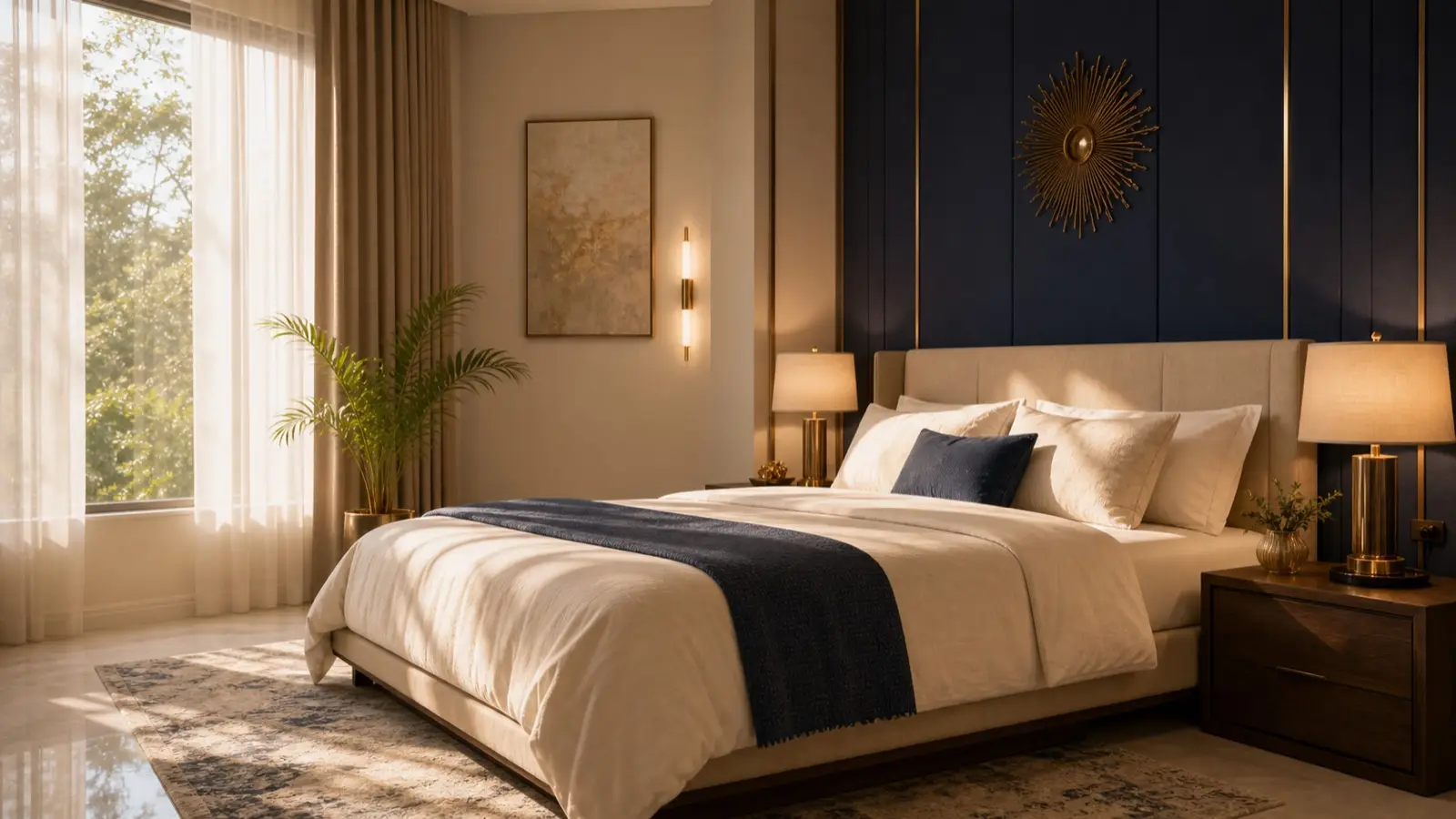
Which direction is best for sleeping?
A common traditional rule is to sleep with the head toward South (or sometimes East), and avoid head toward North in many Indian Vastu traditions. If your bed placement is fixed, focus on practical sleep quality: reduce glare, keep the room quiet, and avoid electronics near the pillow. For master bedroom placement, many traditions prefer South-West. See Bedroom Vastu.
Can mirrors face the bed in a bedroom?
Many traditional recommendations say avoid a mirror directly facing the bed (especially reflecting the sleeper) because it can feel unsettling and is considered disturbing for rest. If you need a mirror, place it inside a wardrobe door or on a side wall, or cover it at night. Also avoid clutter around dressing areas and keep lighting soft. If the mirror is unavoidable, you can reduce impact by changing the angle (so it doesn’t reflect the bed) or by using a curtain/cover. From a practical design perspective, the goal is a calmer sleep environment with fewer visual disturbances.
Can beams above the bed create negative energy?
Traditional guidance often treats a heavy overhead beam above the bed as not ideal. Practically, it can also create a sense of pressure. If you can’t move the bed, you can soften it with a false ceiling, fabric canopy (safely installed), or reposition the bed so your head is not under the beam. Keep the headboard solid and avoid sharp wall shelves above the pillow.
Can Vastu improve relationships in the family?
Vastu is not a guarantee, but it can support relationships indirectly by improving privacy, comfort, and daily flow. Common traditional priorities: keep the living area bright and open, avoid clutter in shared spaces, keep the kitchen calm (less heat/argument triggers), and ensure bedrooms have good sleep conditions. In Vastu logic, the South-West is associated with stability, so a calm, clutter-free master bedroom there is often recommended.
Pooja, Brahmasthan, plants, water, and wealth

Which direction is ideal for a pooja room?
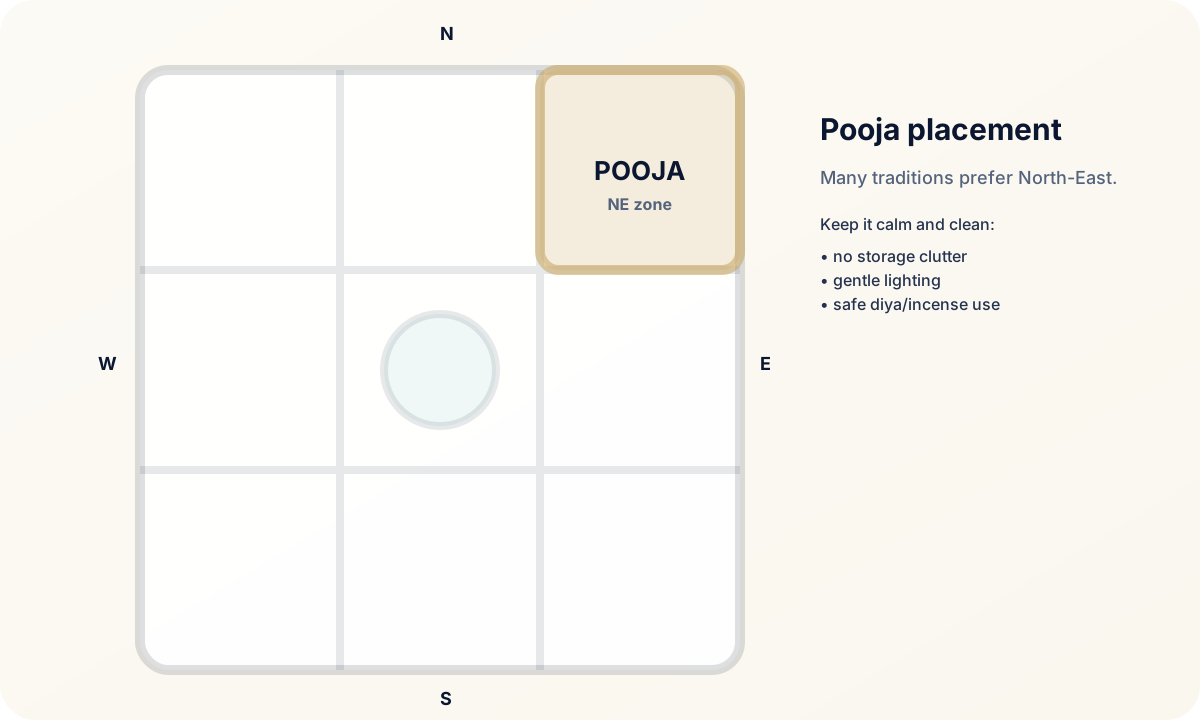
A widely used guideline is Pooja in North-East (NE). If a full room isn’t possible, a neat corner shelf in NE is often suggested. Common do’s: keep it clean, bright, and quiet; avoid placing it against a toilet wall; avoid storing random items above it. For details, see Pooja Room Vastu.
What is Brahmasthan in Vastu Shastra?
Brahmasthan refers to the central zone of the house. Traditional planning often keeps this center open, light, and uncluttered. Not everyone has a courtyard; in modern homes it can simply mean keeping the middle circulation area airy: avoid heavy storage, avoid dark corners, and keep the space easy to walk through. This is why central staircases or heavy stores are considered not ideal in many approaches.
Which plants are considered lucky according to Vastu?
Traditions commonly suggest healthy, easy-care plants that support air quality and calm: Tulsi (holy basil) (where culturally appropriate), money plant (pothos), bamboo (popular modern choice), and flowering plants where sunlight allows. Avoid thorny plants in tight indoor areas if they feel harsh. Most important: choose plants you can keep healthy—dying plants create clutter and stress.
Is keeping a water fountain inside the home good for Vastu?
Water features are often recommended only if you can keep them clean and well-maintained. Many traditions place water in the North / North-East zone (light, fresh, flowing). Avoid placing water features in the South-West in many interpretations. If maintenance is hard, skip it—stagnant water or dampness is more harmful practically. If you do add a fountain, keep it small, silent, and splash-free, and make sure it doesn’t create damp walls or slippery floors. In many homes, a simple bowl of fresh water with daily cleaning achieves the same “freshness” feeling with less risk than a powered fountain.
Is it bad to buy a west-facing apartment?
West-facing apartments can be perfectly livable. Traditional guidance often treats west light as strong in afternoons, so prioritize heat control: shading, ventilation, and a calm bedroom. Ensure key placements are reasonable: kitchen in SE (or accepted alternate), toilets away from NE, and a stable master zone. Facing is one factor; daily comfort matters most.
Which direction is best for underground water tanks?
Many traditions prefer underground water storage toward the North / North-East side, while heavy overhead tanks are often placed toward the South-West or west side in some approaches. Site rules, soil, and structural safety are critical—follow engineering guidance first. For related guidance, see Borewell & Water Tank Vastu.
What is the ideal placement for a safe or locker?
A common guideline places a safe/locker in the South-West (a “stable/heavy” corner in many Vastu interpretations) and suggests the door opens toward North or East. Keep the locker area dry and well-maintained, and avoid placing it in the North-East in traditional guidance. If SW is not possible, some practitioners use a west/south band while keeping the locker on a solid wall. Regardless of Vastu, prioritize real-world security: anchor it properly, avoid obvious visibility from the entrance, and follow building safety rules.
Can Vastu affect financial growth?
Vastu is a traditional system; it’s not a proven guarantee of money or business results. Still, many people use it because it promotes habits that support productivity: a clean entry, an organized work zone, fewer distractions, better maintenance, and better sleep. If you want the “premium” feeling Vastu promises, focus on measurable basics first (ventilation, lighting, hygiene, clutter control). Then use Vastu rules as a framework for layout decisions—not as fear or pressure. A helpful way to apply it is to set a weekly routine: one day for decluttering, one for repairs/maintenance, and one for deep cleaning the kitchen and bathrooms. These actions are “Vastu-friendly” in traditional terms and also improve real comfort and focus.
Study, work, business, and common mistakes
Which direction is best for a study room?
A common recommendation is a study in the East or North zone, with the desk facing East or North. Keep the study bright, quiet, and organized. Avoid a dark, damp corner. For checklists, see Study Room Vastu.
Which direction should a home office desk face?
Traditional guidance commonly suggests facing East or North while working, with solid support behind you (a wall rather than an open doorway). Keep cables tidy and avoid placing the desk directly in line with a toilet door. See Home Office Vastu.
Which direction is best for business growth?
Vastu traditions vary by business type, but common themes include: keep reception/open zone in the North/East, keep heavy storage in South/West, and place decision-makers in South-West facing North or East. See Office Vastu.
What are the most common Vastu mistakes in apartments?
Frequent issues include: toilets in/near NE, poor ventilation, blocked center circulation, clutter at the entrance, and kitchen corner problems. Since apartments are fixed, prioritize non-demolition upgrades: lighting, airflow, storage balance, and sensible furniture placement.
Quick answers (more questions)
Which colors should be avoided in bedrooms?
Many traditions avoid very aggressive bright colors for sleep; use calming tones and keep bold colors as accents.
Can electronic devices impact Vastu energy?
Practically: yes for sleep and clutter. Keep devices away from the bed, reduce night brightness, and manage cables.
Is keeping broken items at home bad in Vastu?
Commonly yes—repair or remove broken items to reduce clutter and avoid “stuck” spaces.
Can Vastu defects be corrected using crystals or pyramids?
Some people use them as symbolic remedies, but prioritize real fixes first and avoid expensive purchases.
Is an irregular-shaped plot bad according to Vastu?
Not always—regular shapes are easier; irregular plots need smarter zoning and drainage planning.
What are the signs of negative energy in a house?
Vastu words differ, but practical signs are similar: dampness/mold, stale air, dark cluttered corners, persistent odors, frequent minor accidents from poor layout, and sleep disruption. Fix leaks, brighten and ventilate rooms, clear pathways, and remove broken items first.