
What is room-wise Vastu?
Room-wise Vastu is the practical way most people use Vastu Shastra in daily life: instead of memorizing hundreds of rules, you focus on one room at a time—kitchen, bedroom, living room, and other areas—and apply a simple checklist: placement, flow, light, air, and cleanliness. Direction-based traditions are used as a guide, but a premium approach keeps it calm: start with what improves comfort and maintenance first.
Use it one room at a time for best results.
In Indian homes, room-wise decisions matter because the same apartment layout can feel very different based on how furniture, storage, and daily routines are arranged. This guide is educational only and designed to be easy to follow.
Most requested room-wise pages
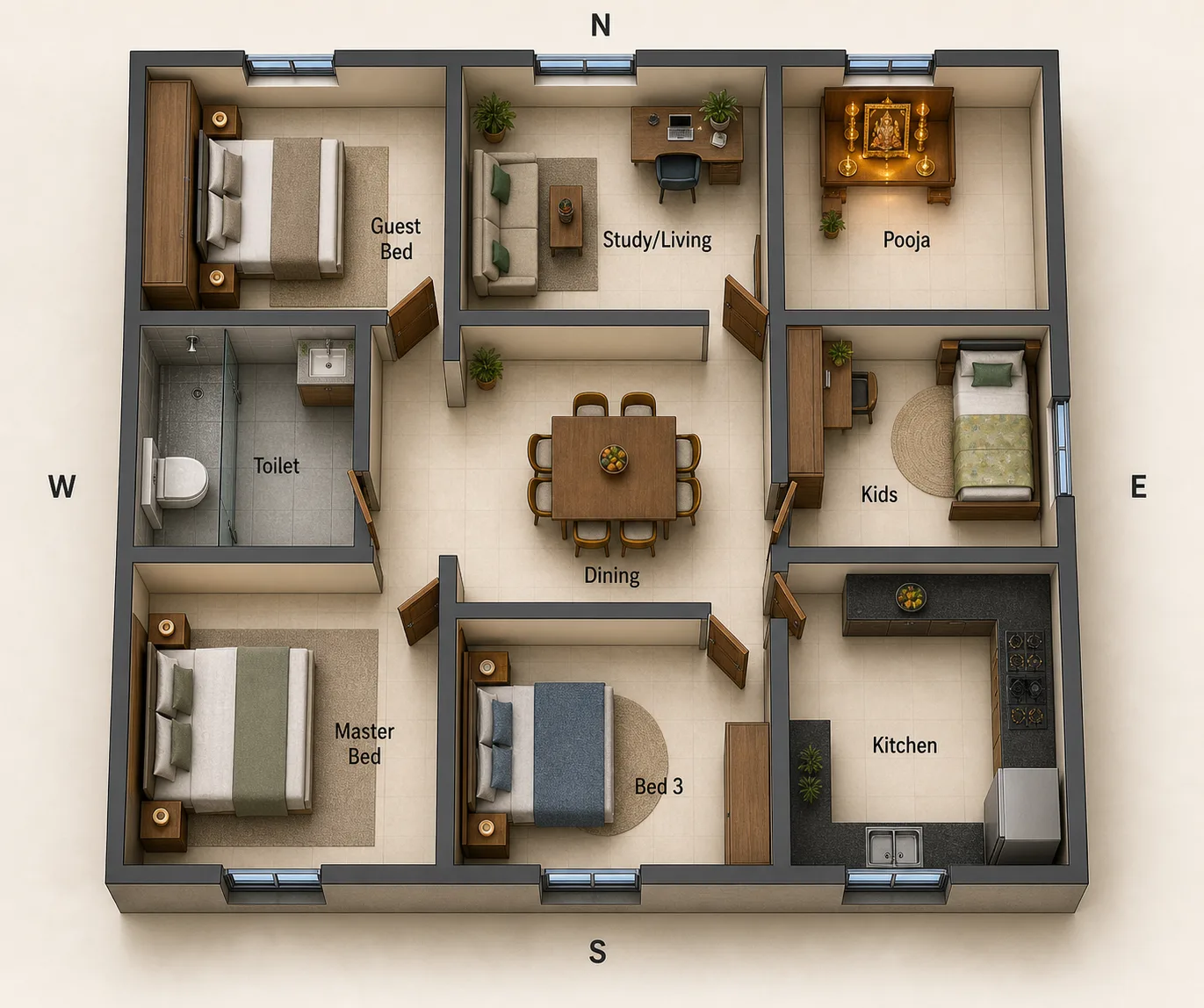
Home Vastu Planning
3-bedroom Vastu planning guide for entrance, rooms, kitchen, pooja, utility, storage, light, and airflow.
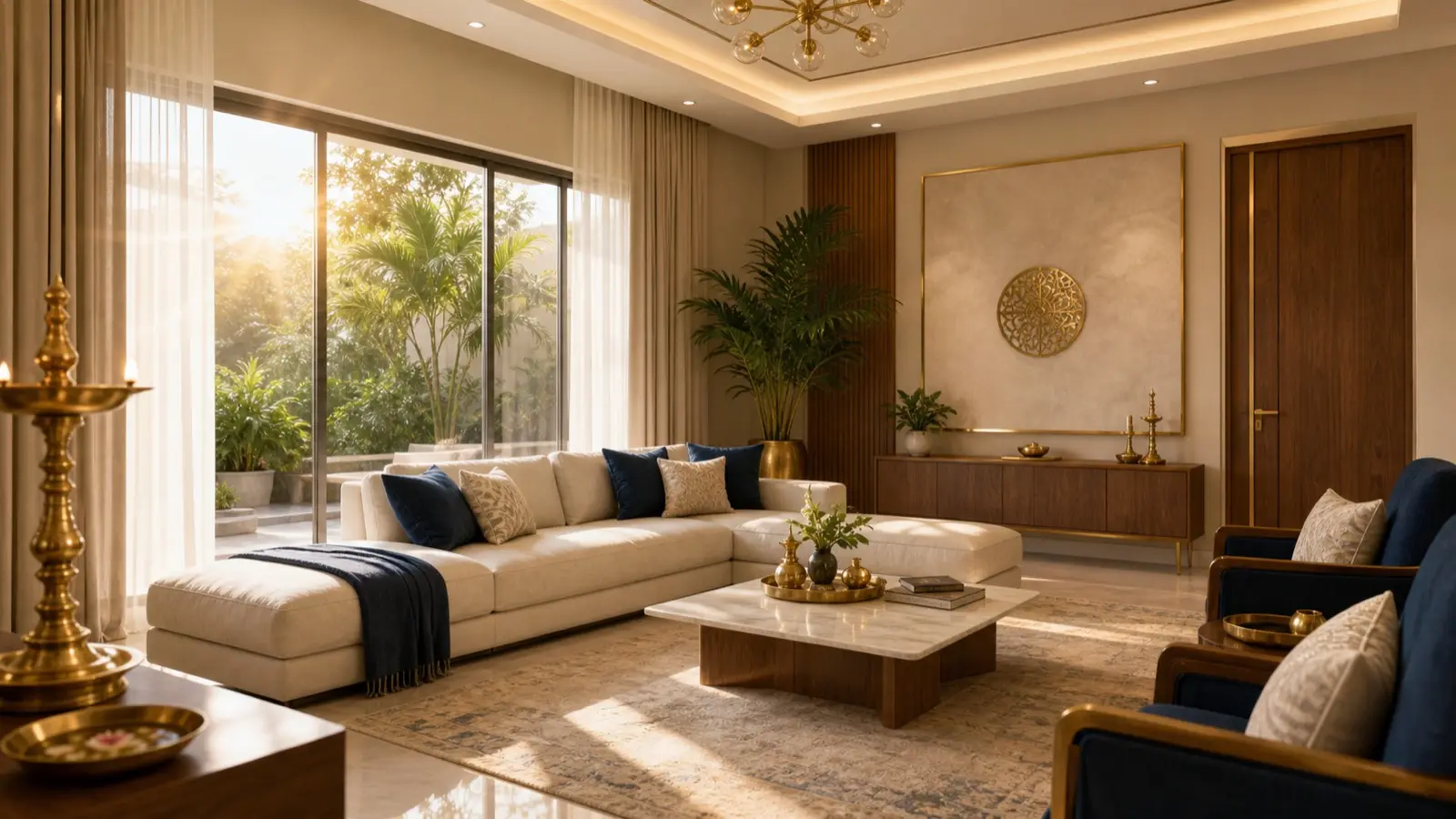
Living room Vastu
Seating, flow, and a welcoming feel for daily life.
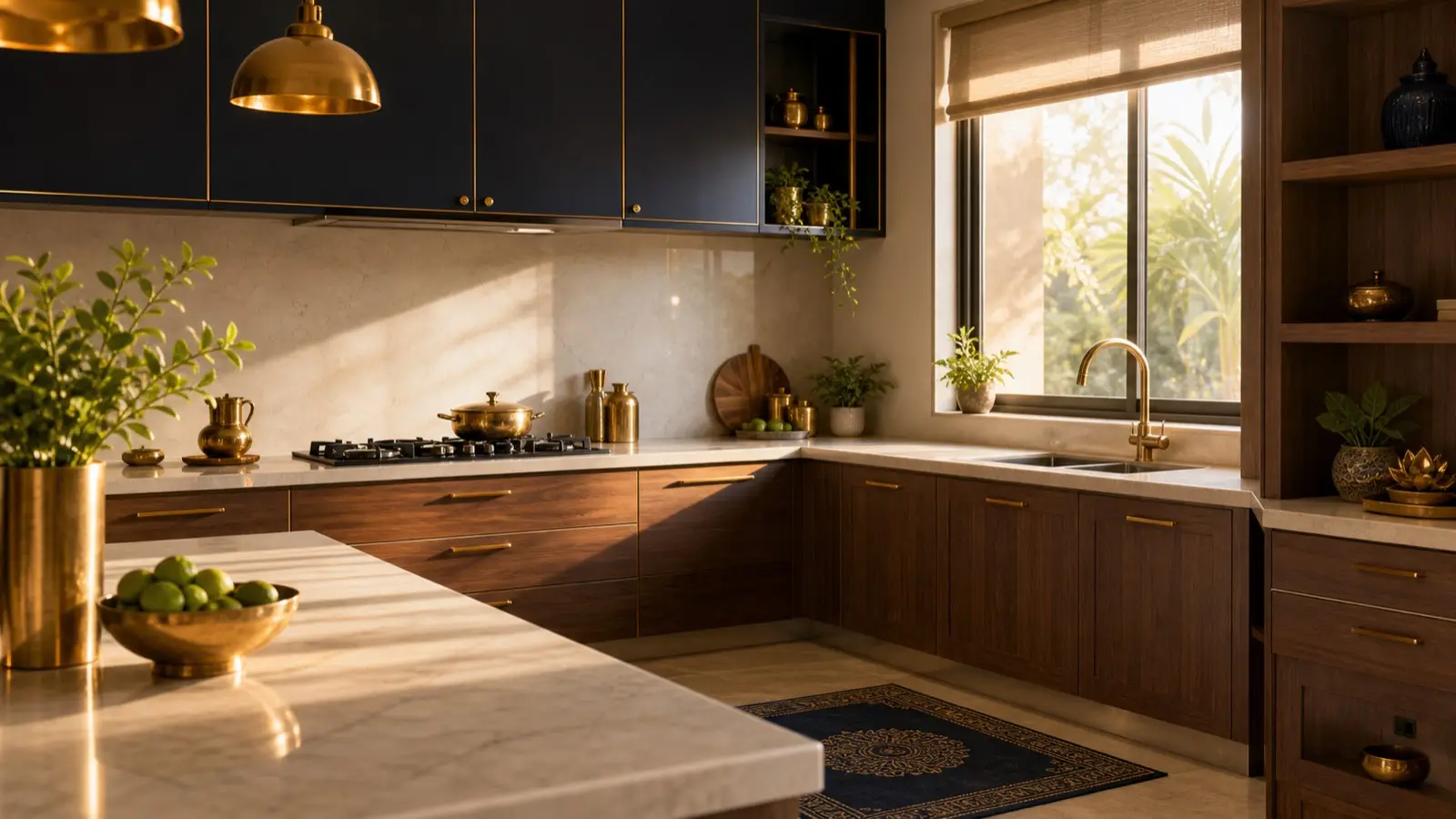
Kitchen Vastu
Safety, ventilation, and smooth cooking workflow.
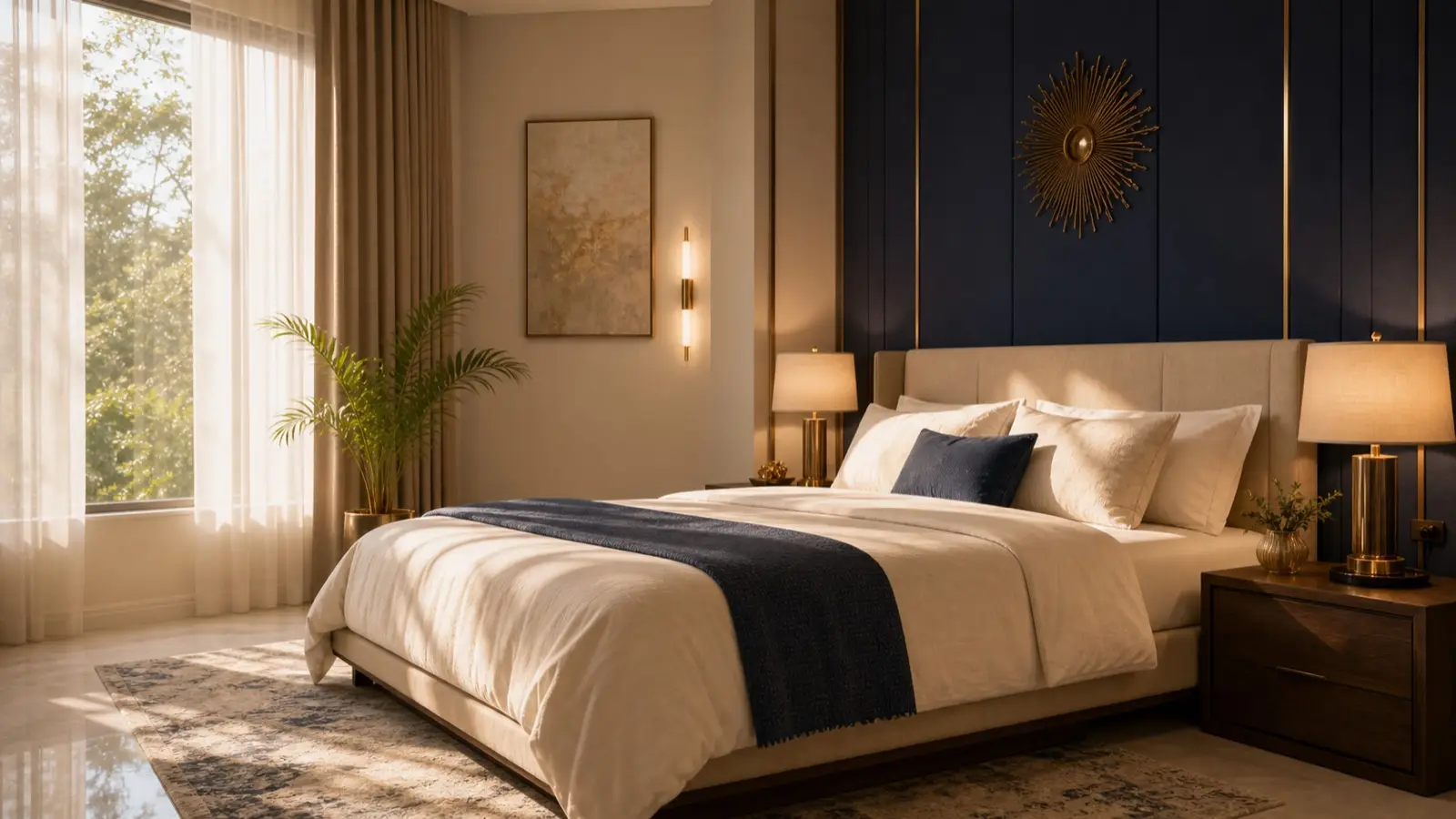
Bedroom Vastu
Sleep-first setup with calm lighting and low clutter.

Bathroom & Toilet Vastu
Dryness, ventilation, hygiene, and practical fixes.

Pooja Room Vastu
NE guidance, calm setup, and no-clutter routines.
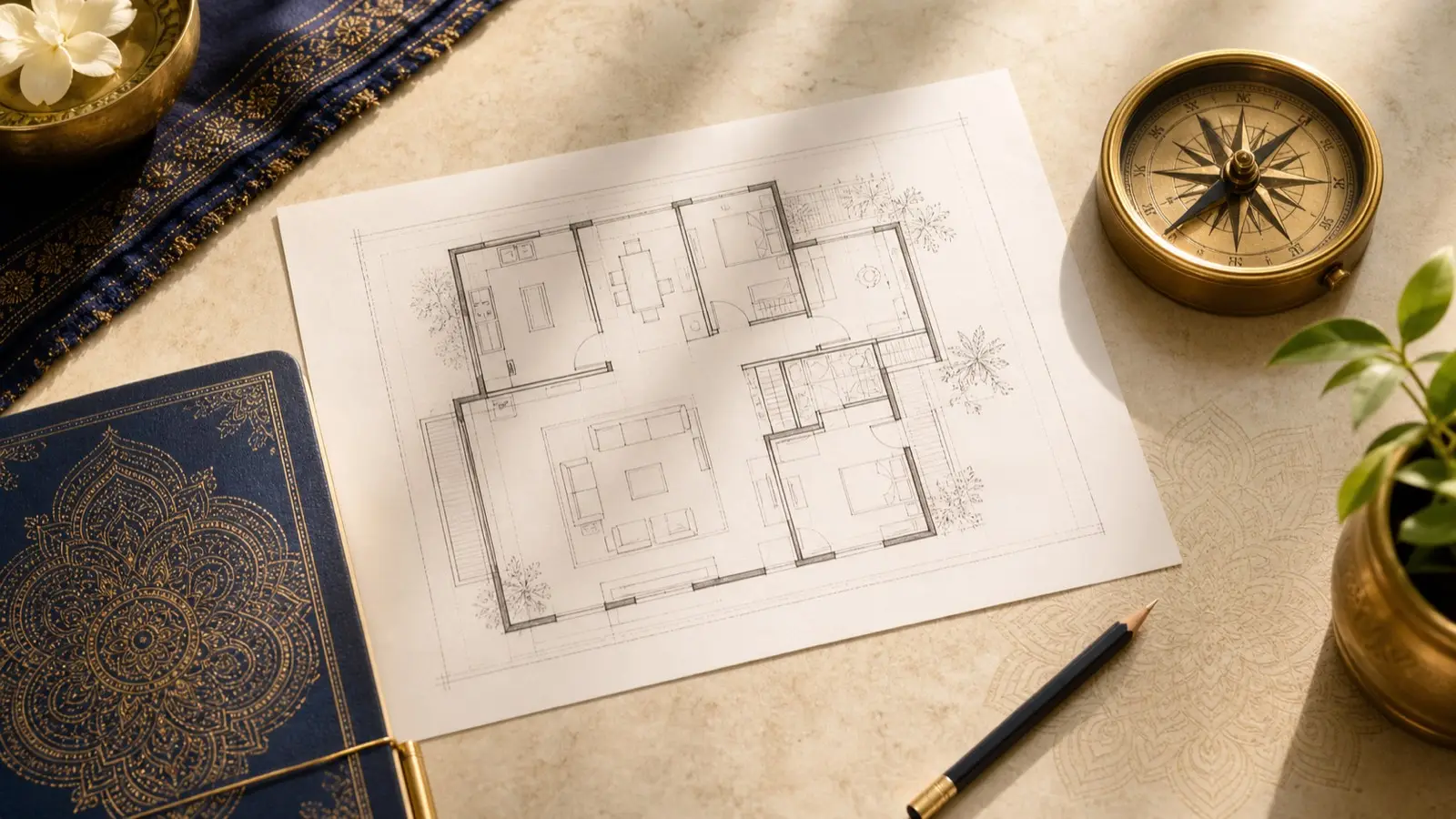
Study Room Vastu
Focus-first desk setup with lighting and noise rules.
Dining Room Vastu
Flow, clear table rule, and warm lighting.
Balcony Vastu
Airflow, plants, drainage, and clutter control.
Staircase Vastu
Safe circulation, lighting, and under-stair storage rules.

Parking / Garage Vastu
Vehicle flow, safety, lighting, drainage, and clutter fixes.
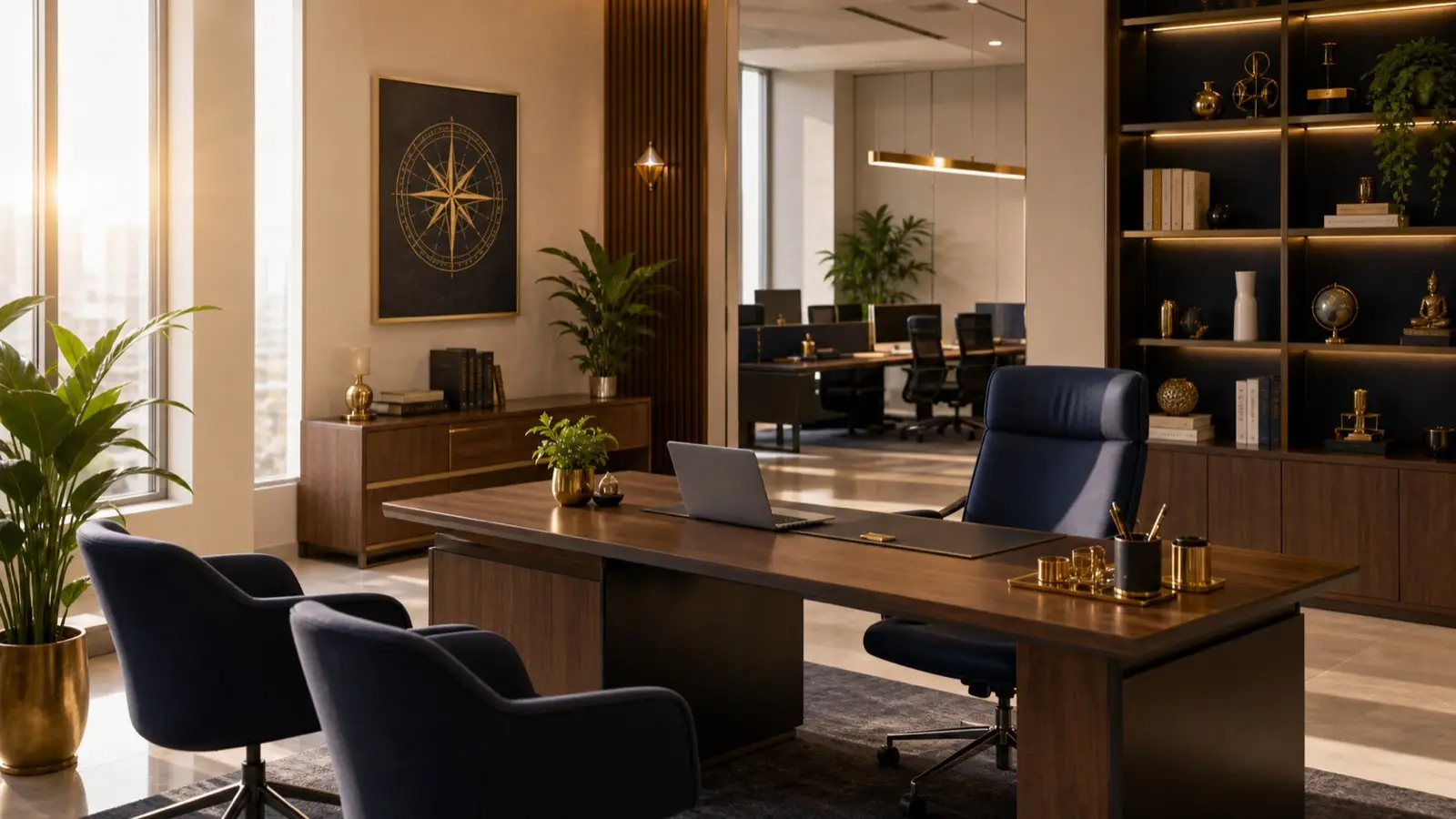
Home Office Vastu
North/east guidance, desk layout, focus, and routines.
More room-wise pages (special zones)
Use these pages when you want to go deeper than the “main rooms”. Each page is a practical checklist with a simple direction diagram to help you visualize placement. For a quick interactive review, try the Room Placement Checker. Educational only — always prioritize safety, hygiene, ventilation, and daily comfort.
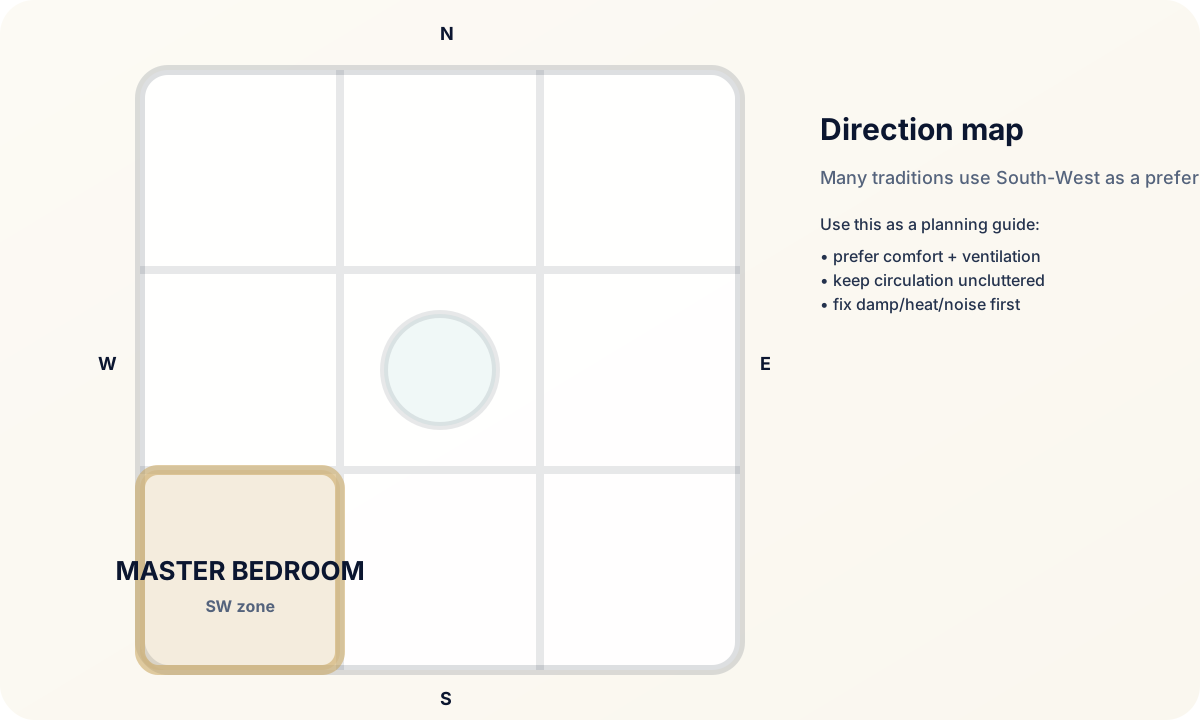
Master bedroom
Sleep-first layout with calm colors and bed placement notes.
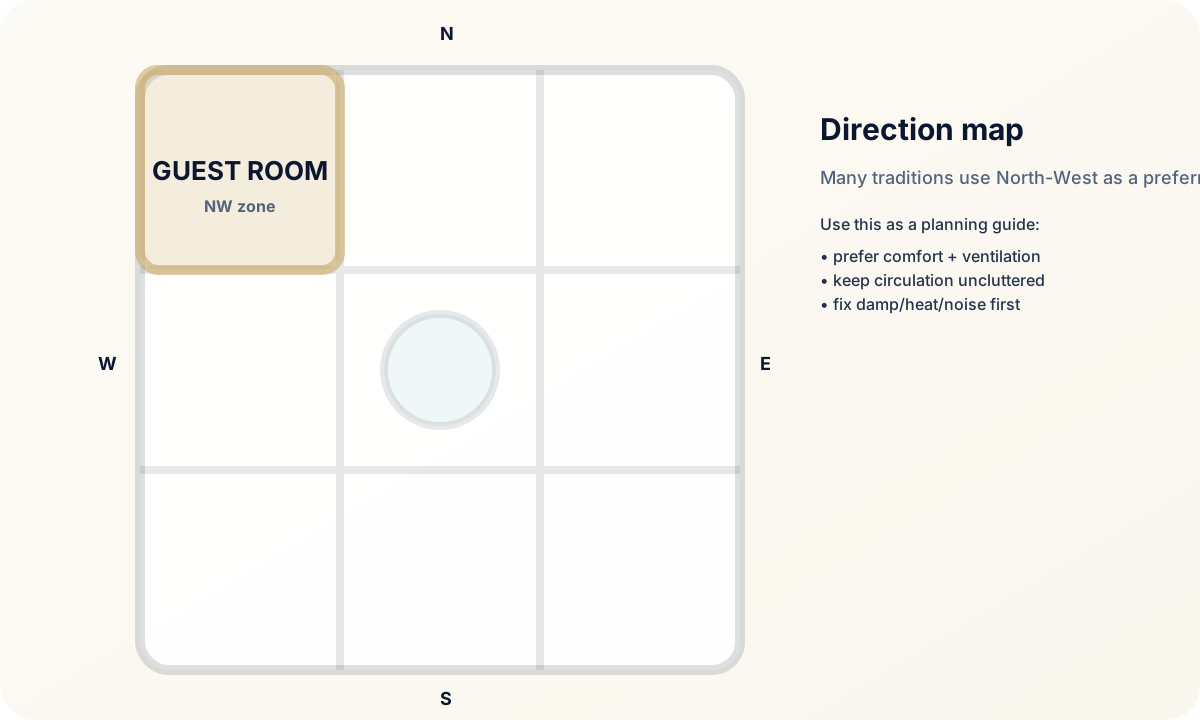
Guest room
Comfort, storage, and clutter-free circulation for visitors.
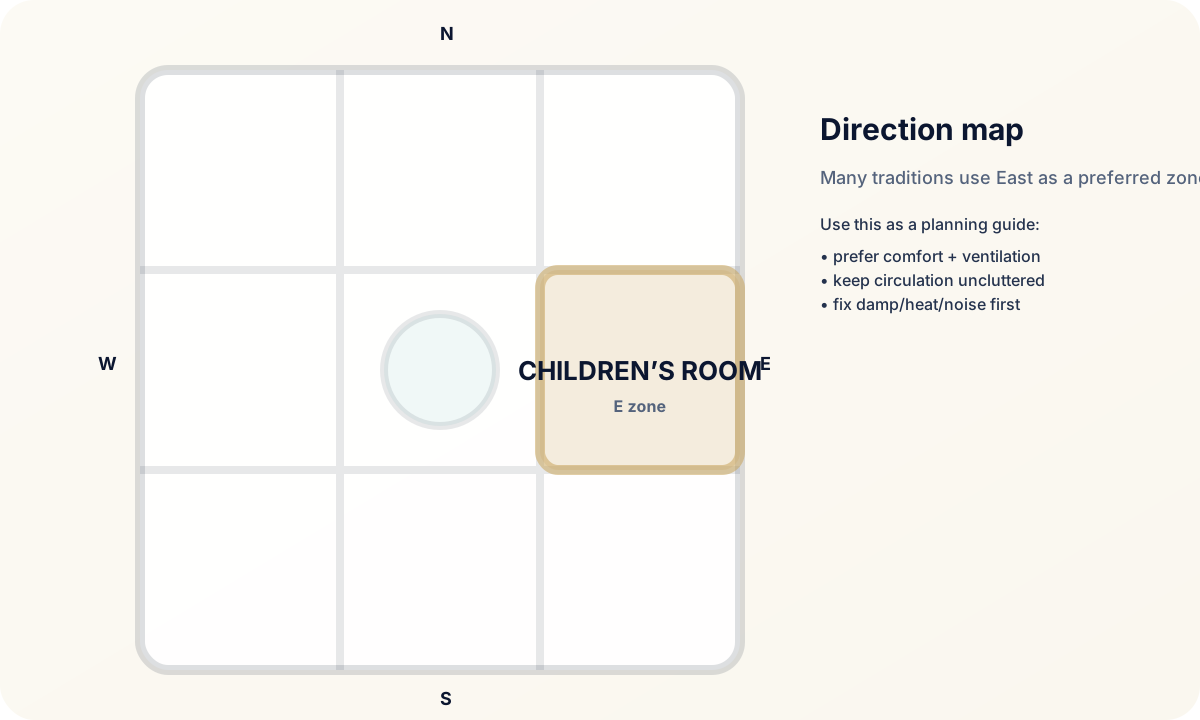
Children’s room
Light, study corner, sleep routine, and calm color guidance.
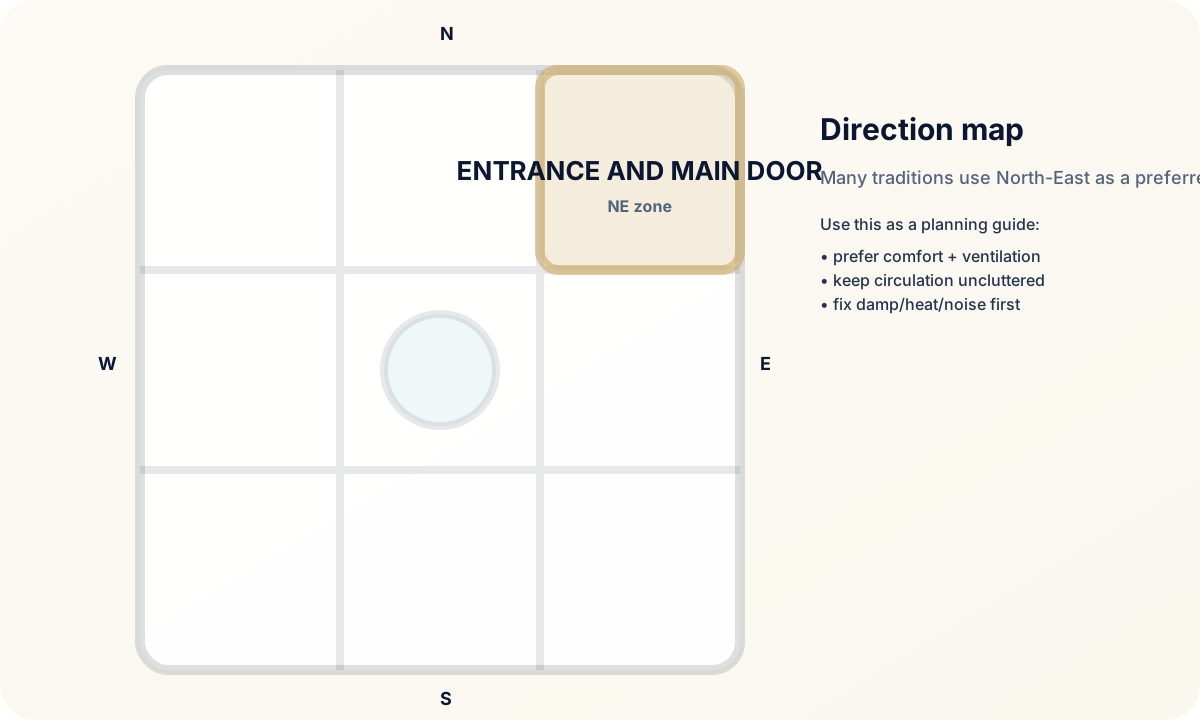
Entrance / main door
Entry flow, lighting, shoe storage, and “first view” rules.
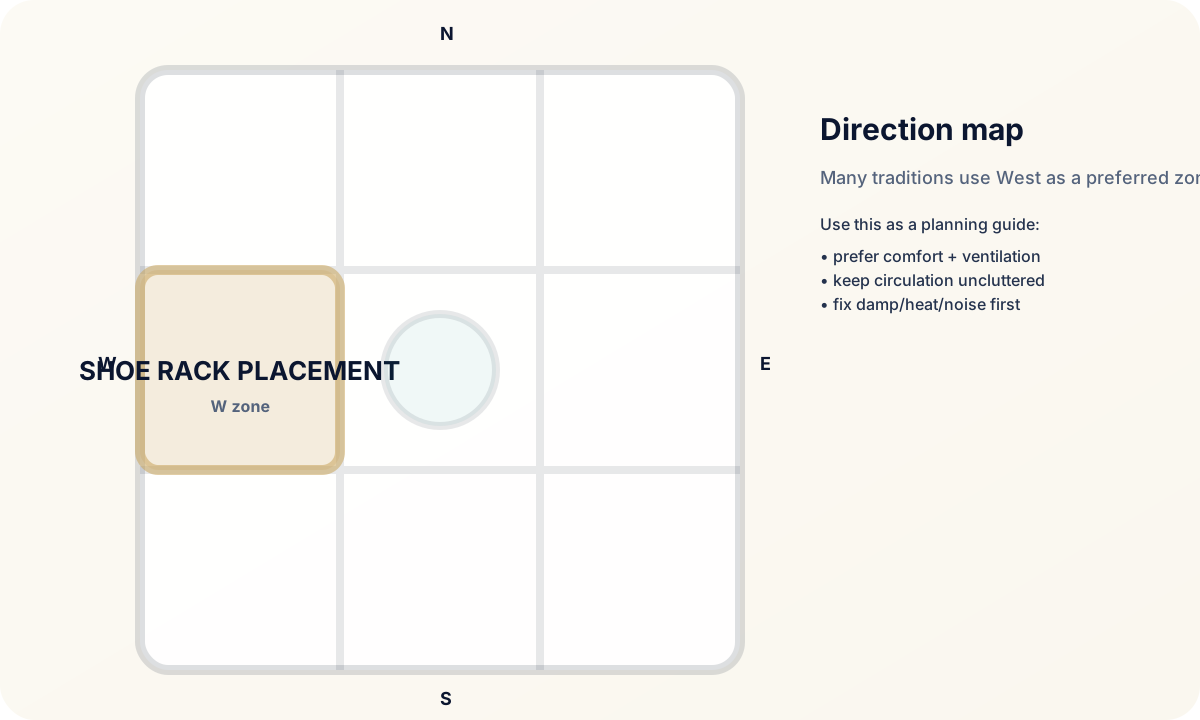
Shoe rack placement
Hygiene-first placement that keeps entry calm and clean.
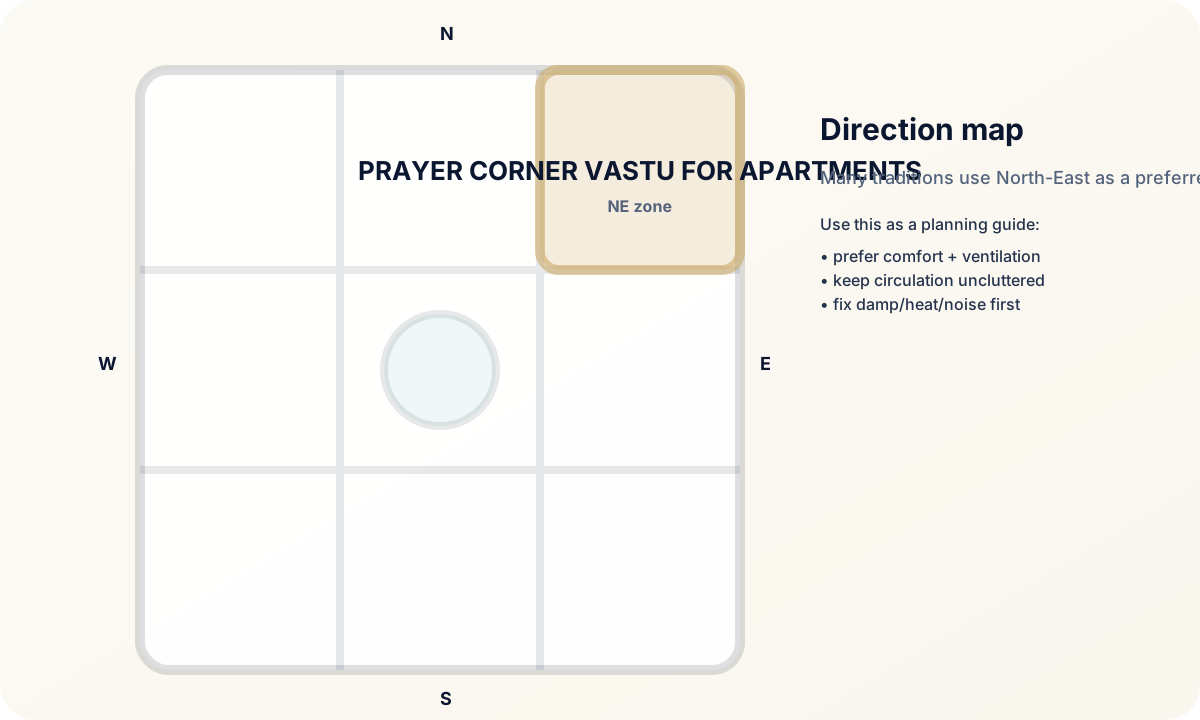
Prayer corner (apartments)
Small-space setup that stays tidy and truly usable daily.
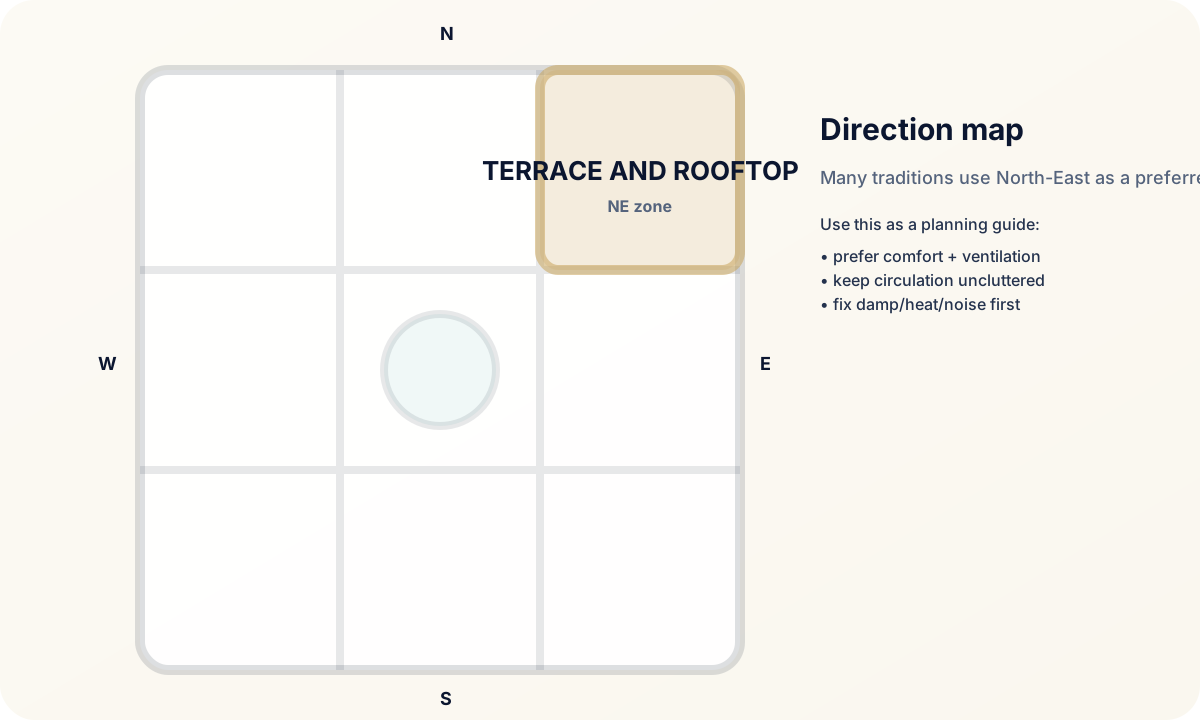
Terrace / rooftop
Slope, drainage, seating, and practical outdoor maintenance tips.
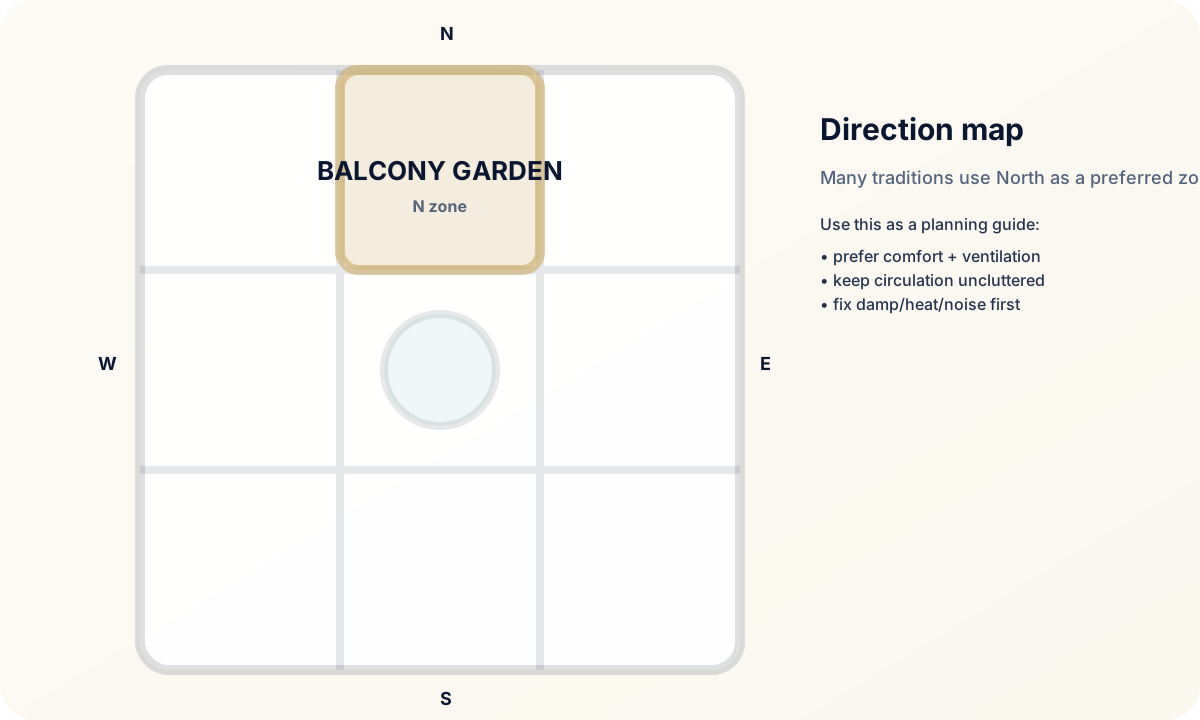
Balcony garden
Plants, watering, clutter control, and airflow-friendly setup.
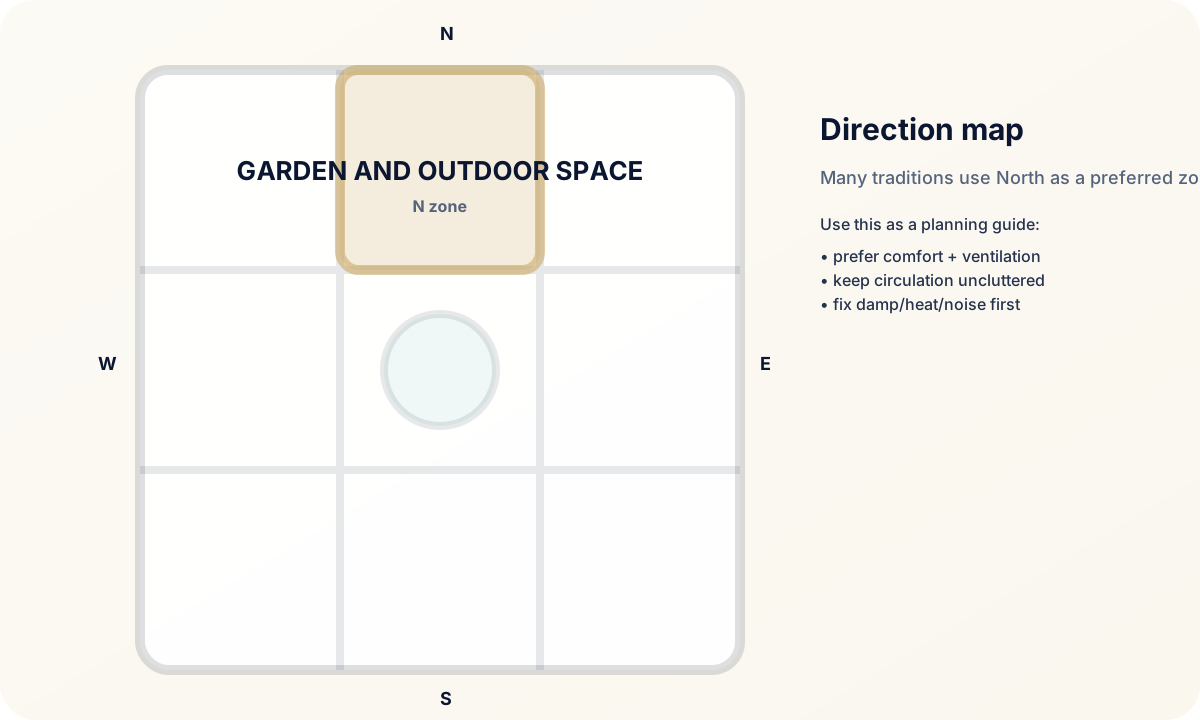
Garden / outdoor space
Paths, lighting, water, and easy-to-maintain landscaping rules.
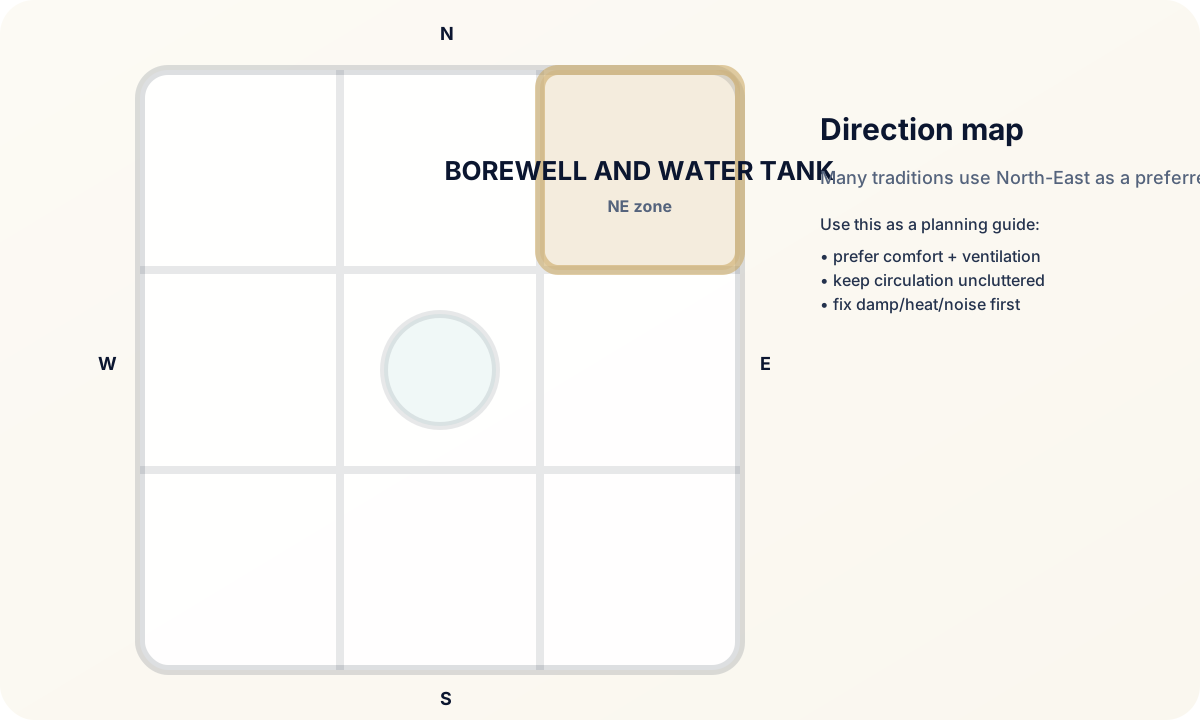
Borewell / water tank
Safety + hygiene first, with simple direction guidance.
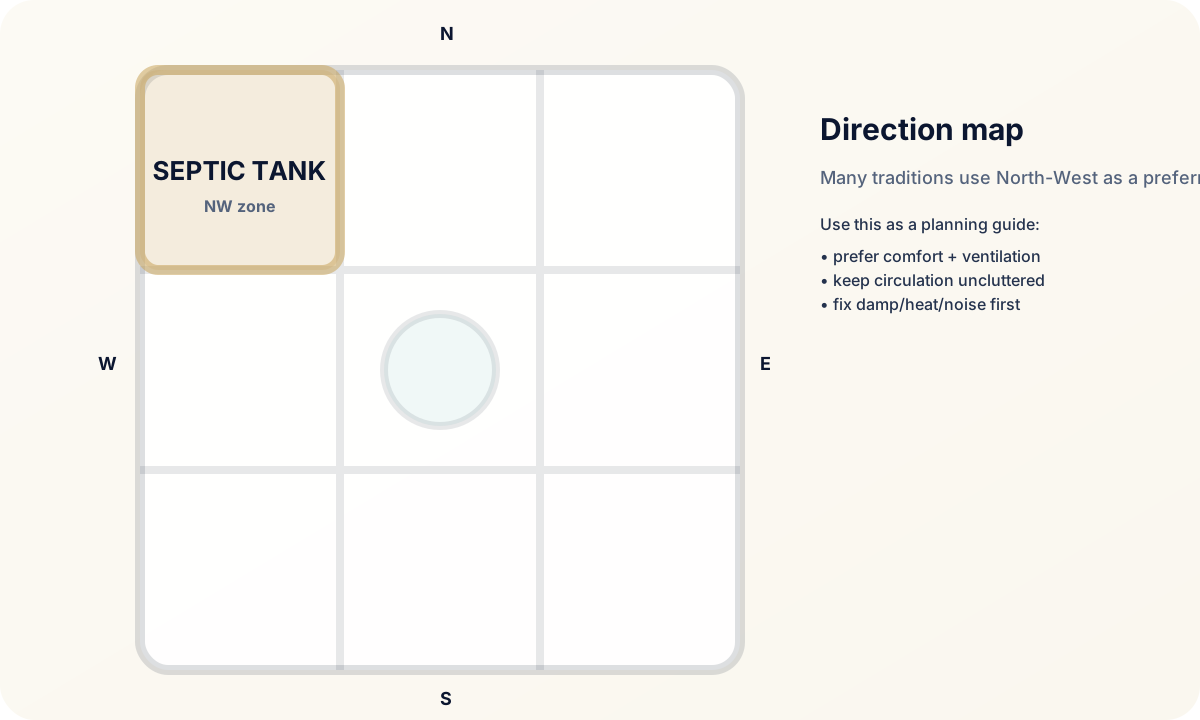
Septic tank
Access, smell control, hygiene, and practical planning notes.
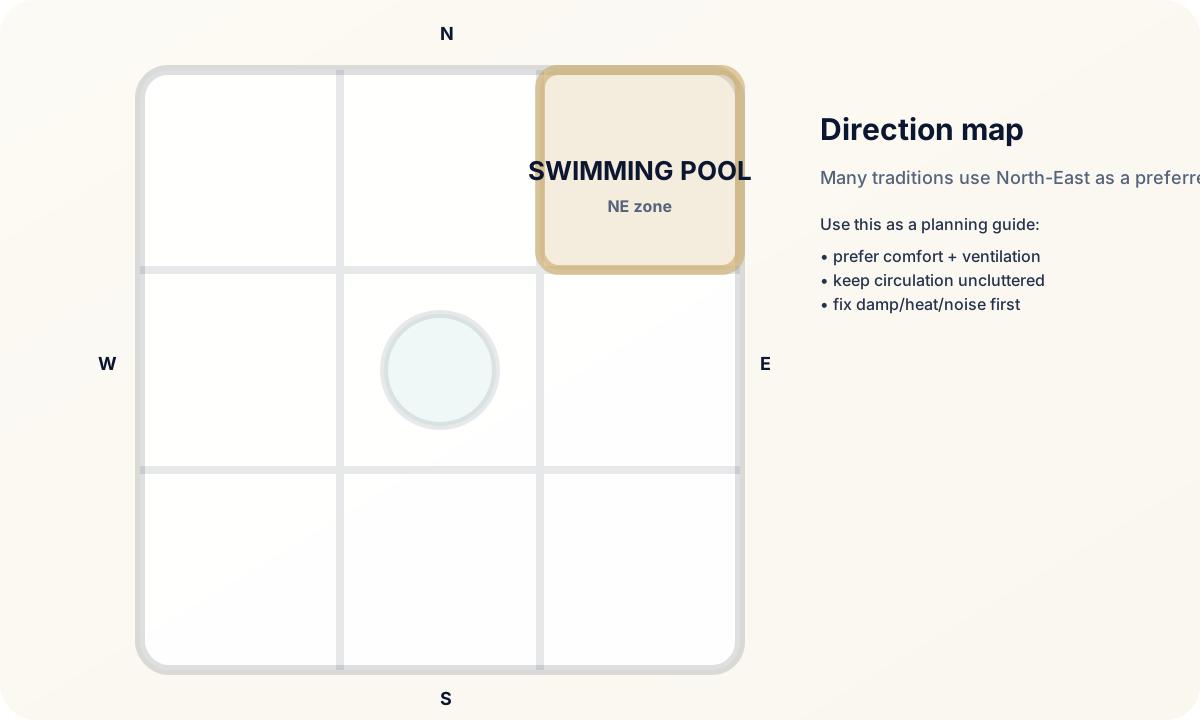
Swimming pool
Slope, safety, maintenance access, and direction notes.
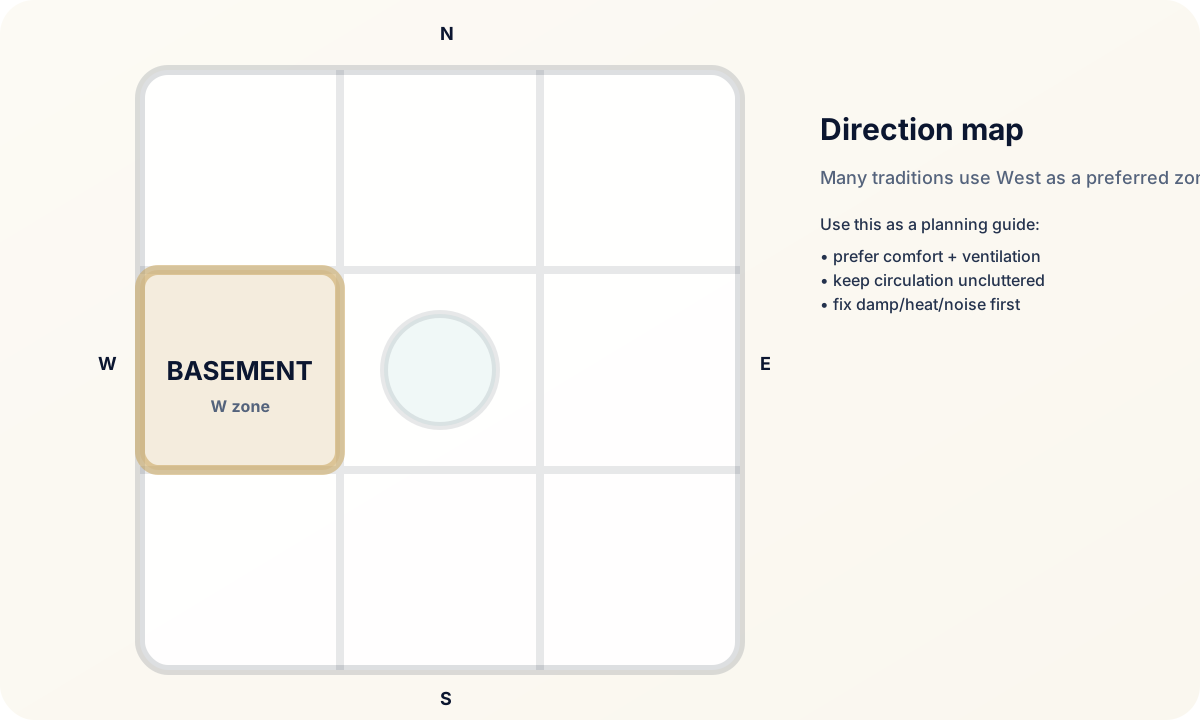
Basement
Damp control, ventilation, and safe storage planning.
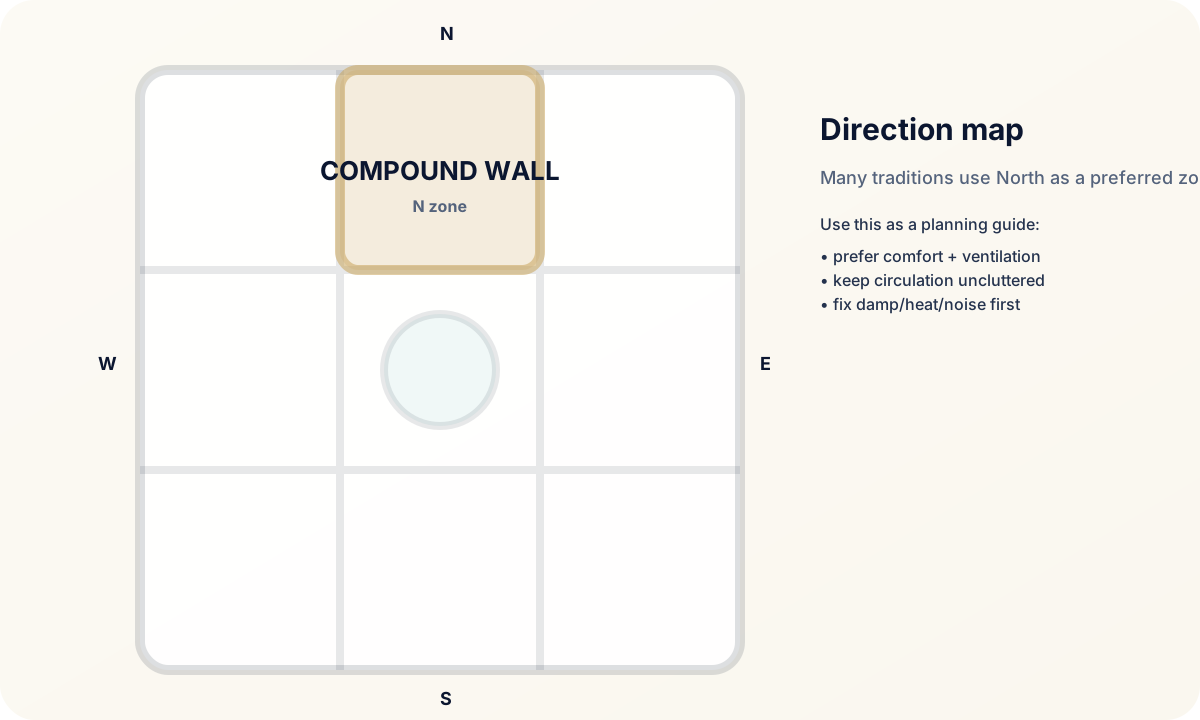
Compound wall
Gates, heights, and light/air movement around the plot.
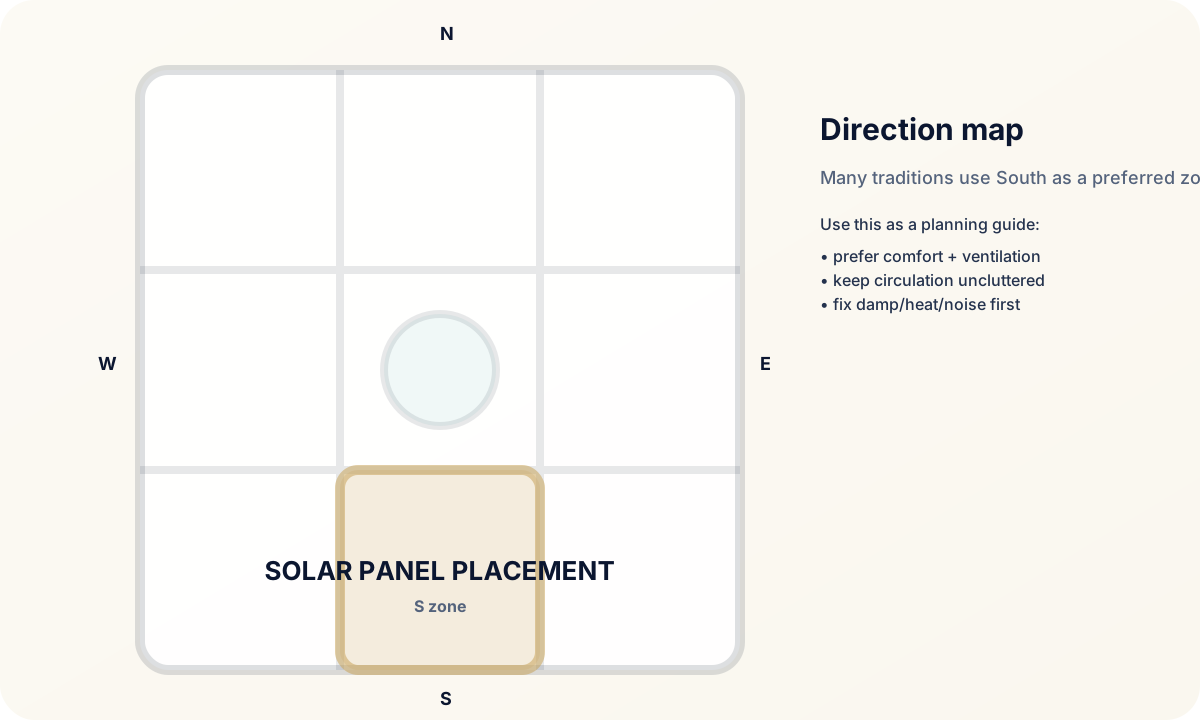
Solar panels
Safety-first rooftop placement with shadow and access notes.
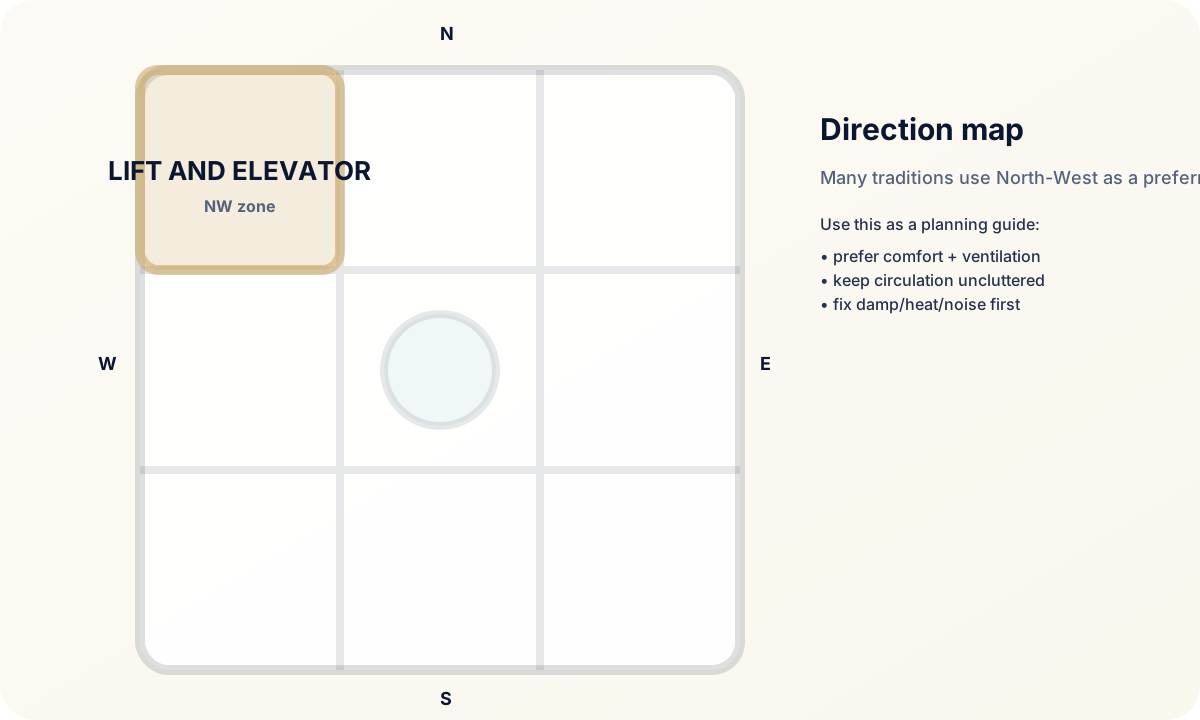
Lift / elevator
Circulation, safety, and placement guidance for multi-floor homes.
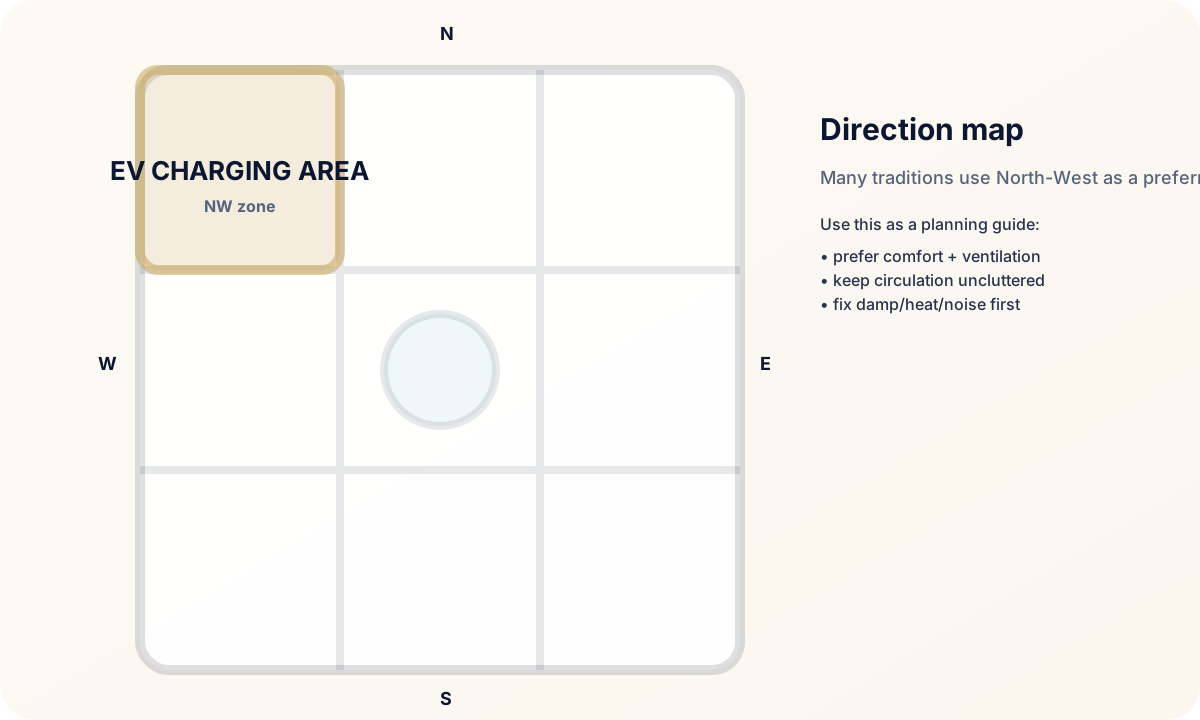
EV charging area
Electrical safety, moisture control, and cable routing tips.
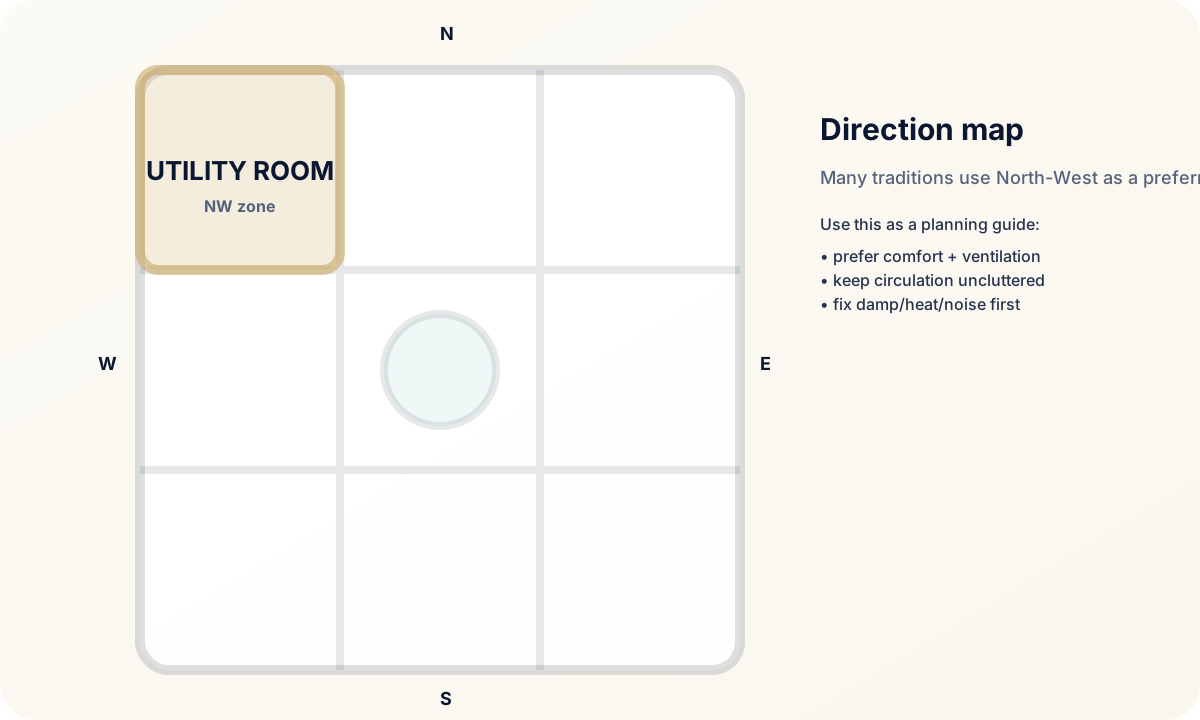
Utility room
Wet-area organization, ventilation, and storage rules.
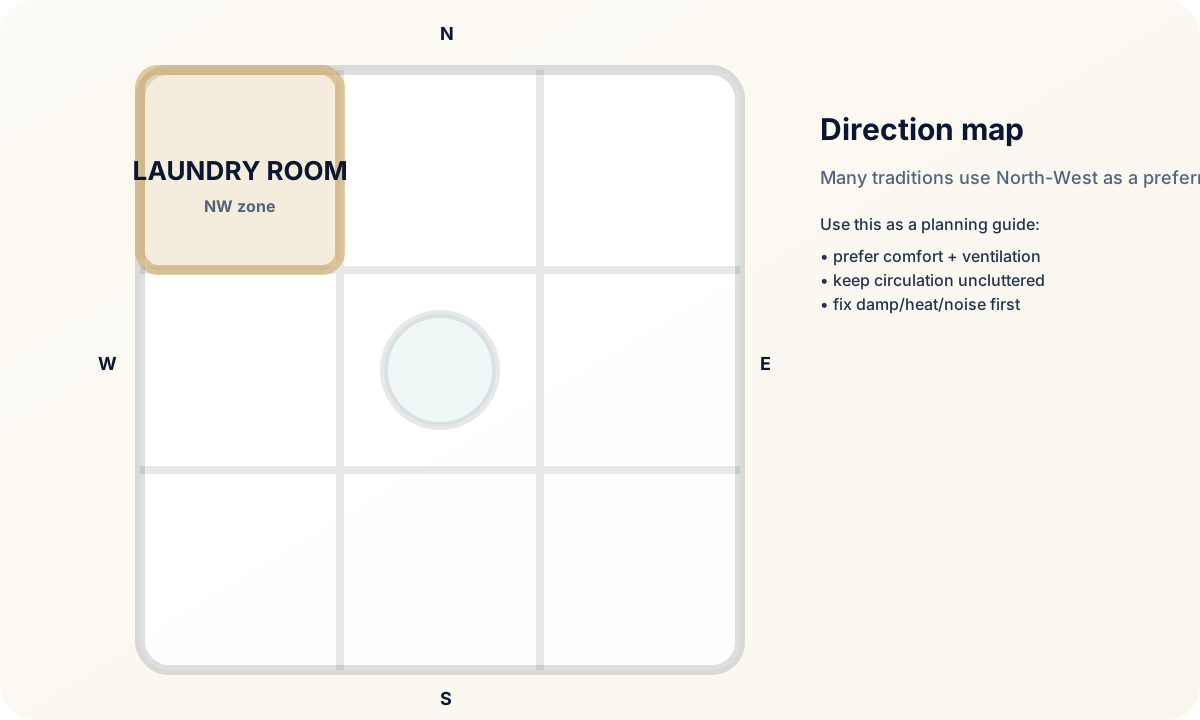
Laundry room
Dryness, exhaust, workflow, and clutter control.
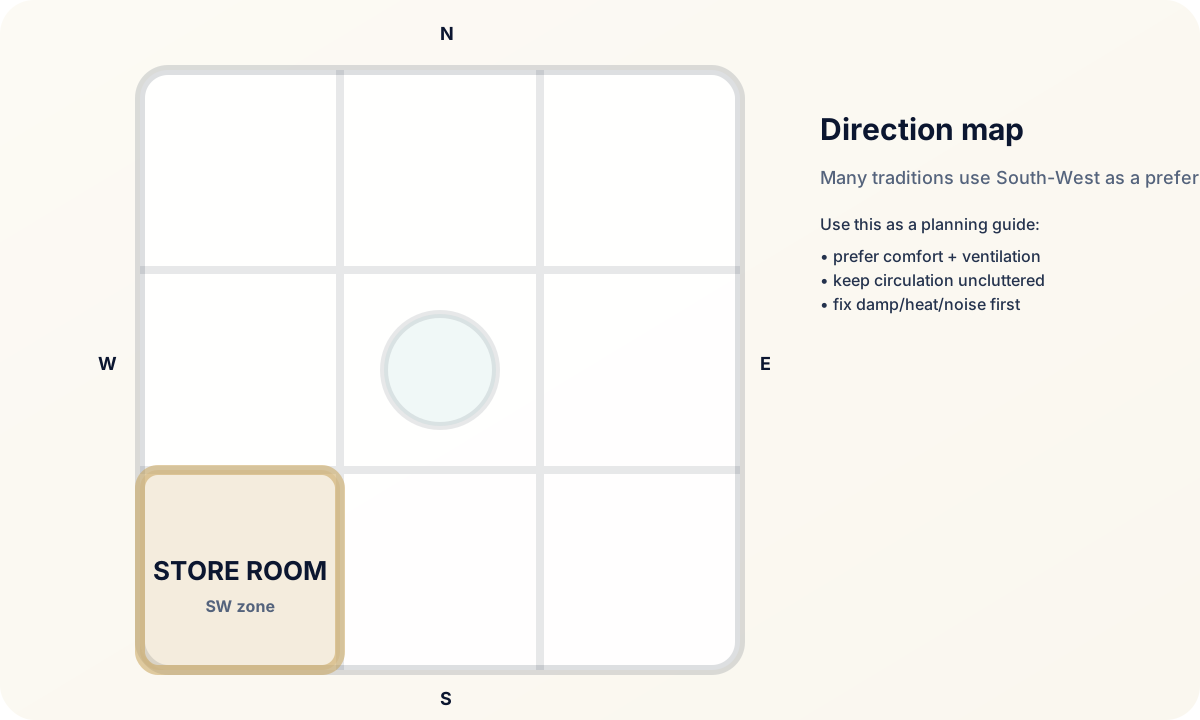
Store room
Organization-first storage so the home stays visually light.
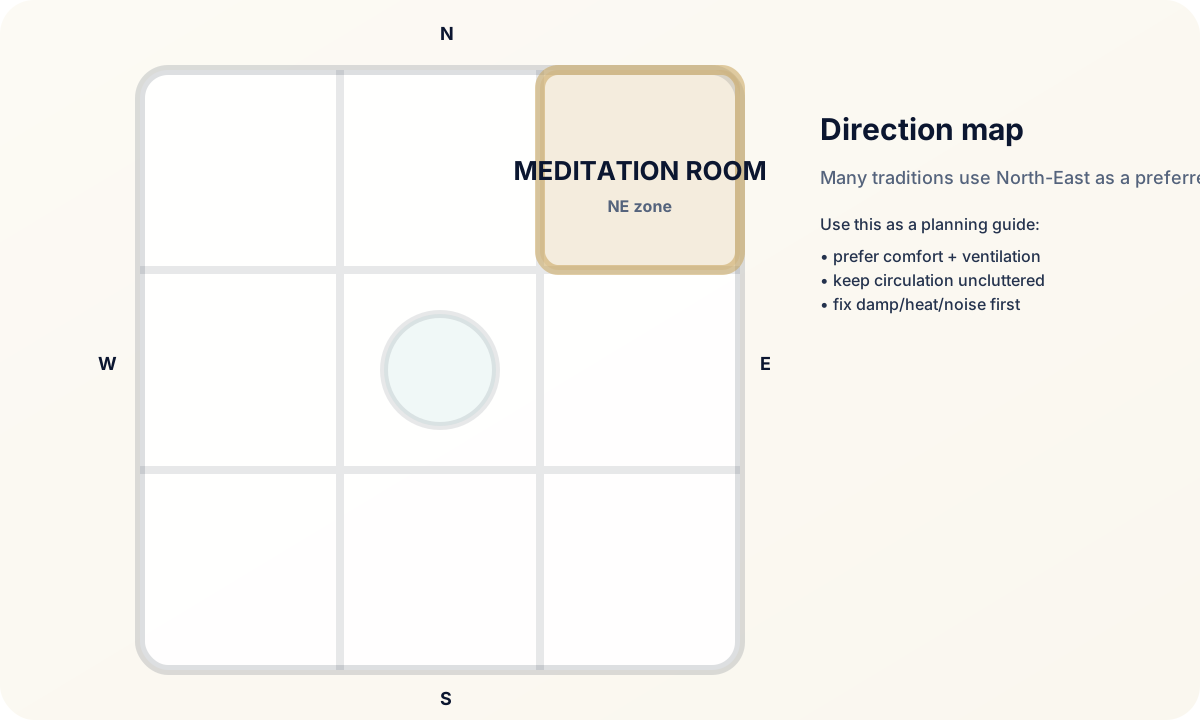
Meditation room
Quiet corner setup, lighting, and minimal-clutter routine.
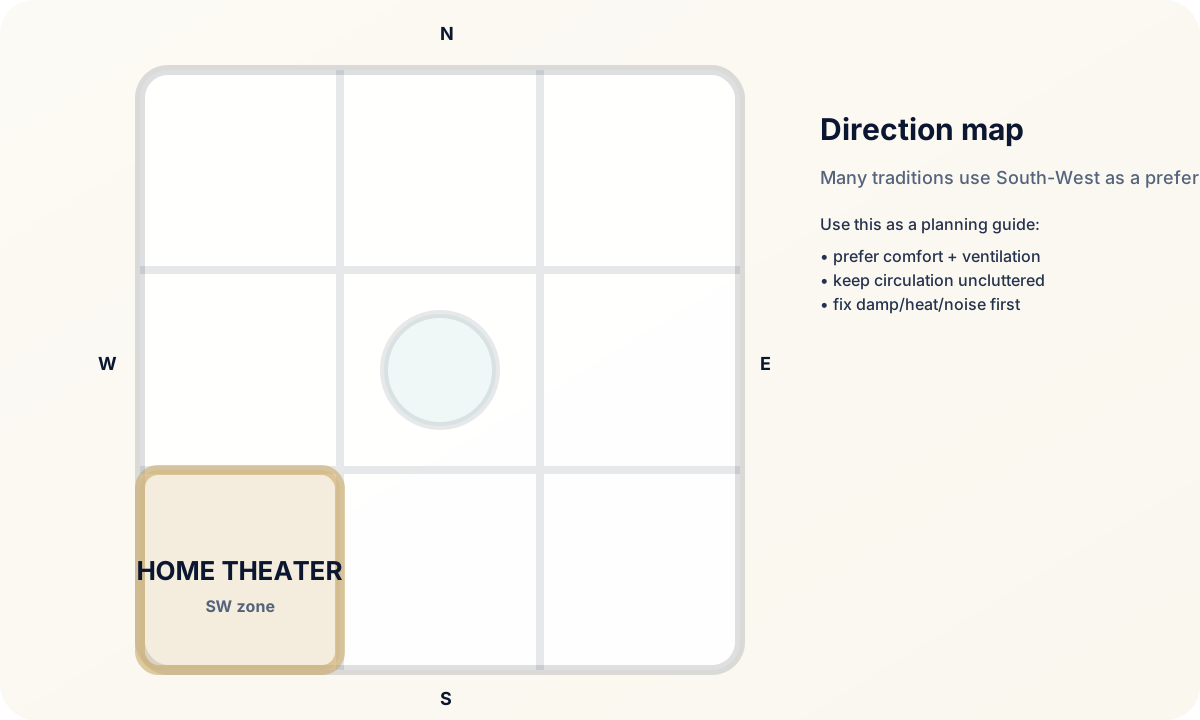
Home theater
Darkness, acoustics, seating comfort, and wiring safety tips.
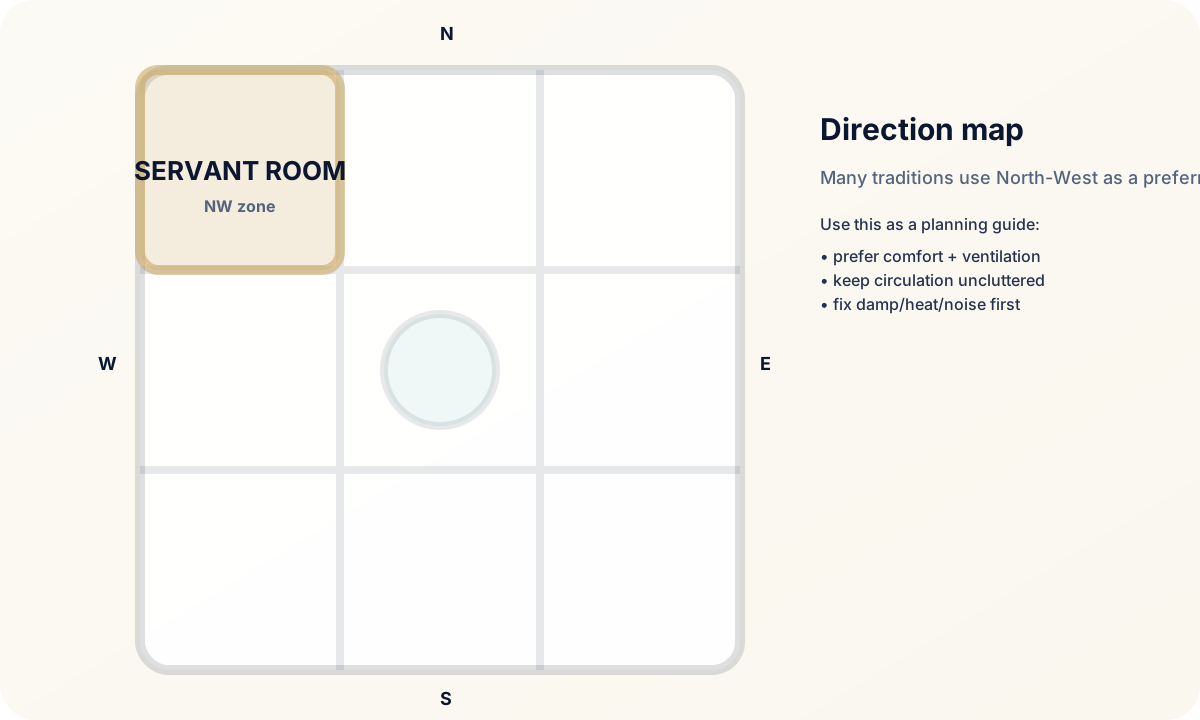
Servant room
Privacy, comfort, ventilation, and practical placement notes.
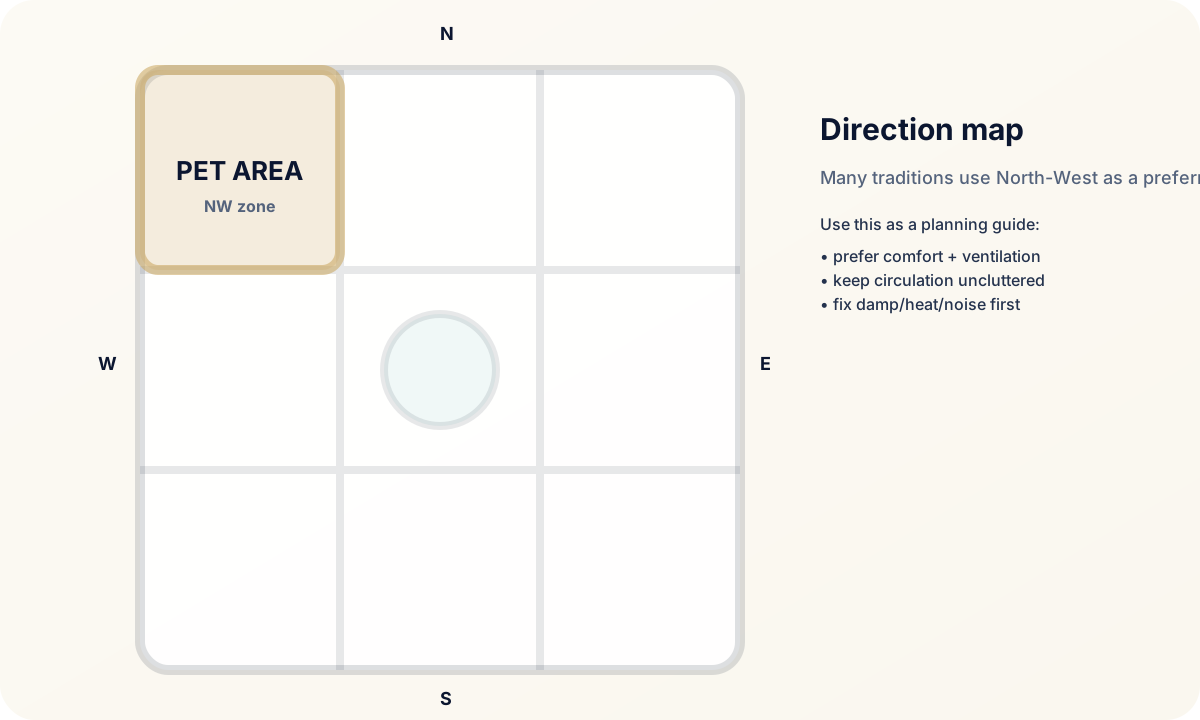
Pet area
Hygiene, airflow, and a simple routine that stays clean.
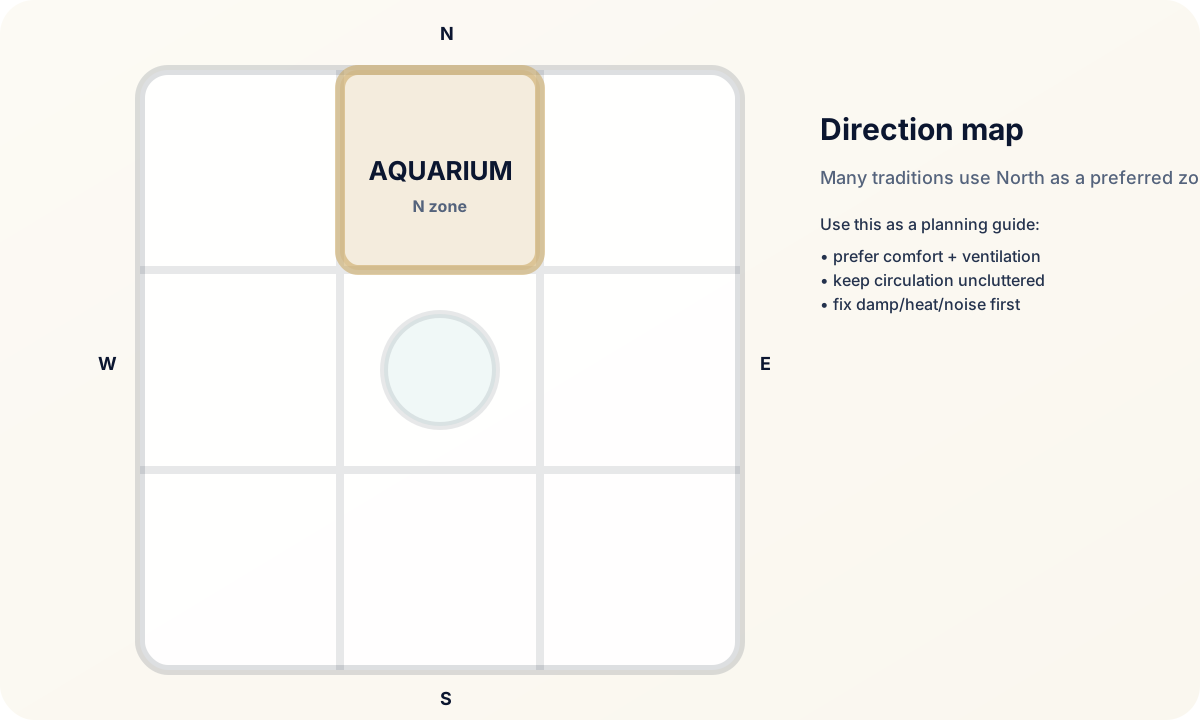
Aquarium
Safe placement, wiring, water hygiene, and maintenance notes.
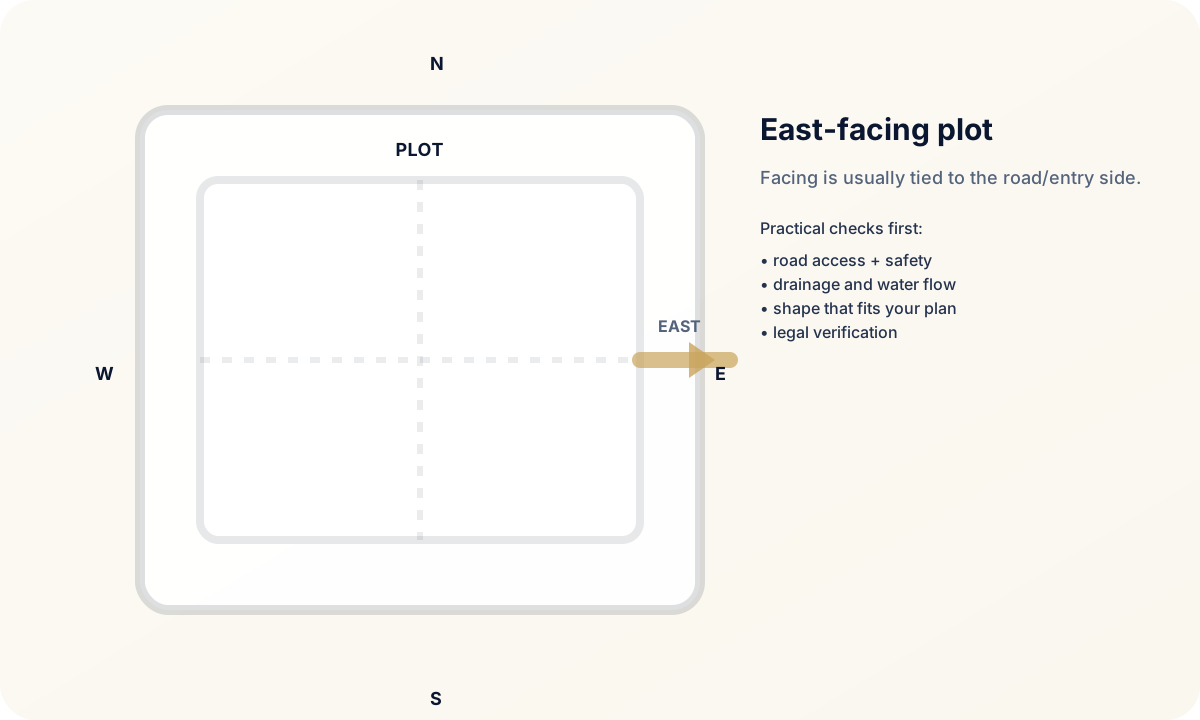
East-facing plot
If you’re buying land, use plot checklists to avoid costly mistakes.
Directions for room placement (simple map)
Directions are the “map” used by many traditions. The goal is not to panic if one room is not in the “ideal” zone. The goal is to understand the intention: keep cooking heat in a good zone, keep sleeping calm, and keep entry bright.
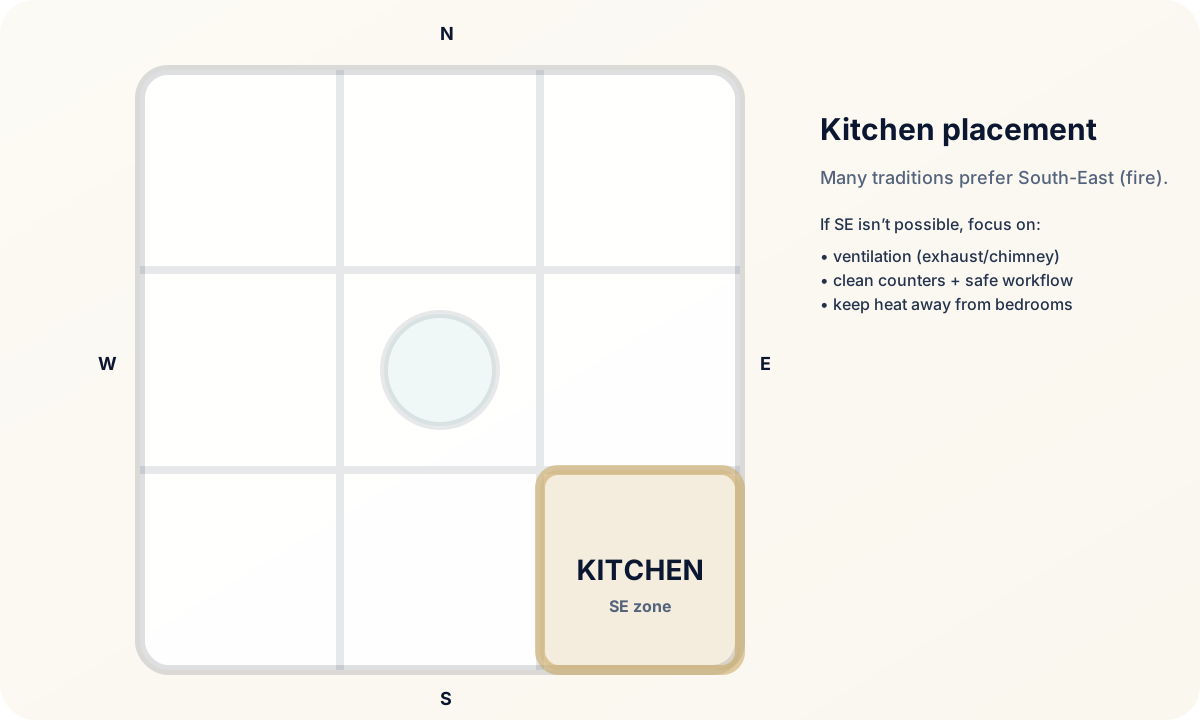
Example: kitchen in South-East
Many traditions recommend South-East for kitchen (fire). If not possible, improve ventilation and workflow.
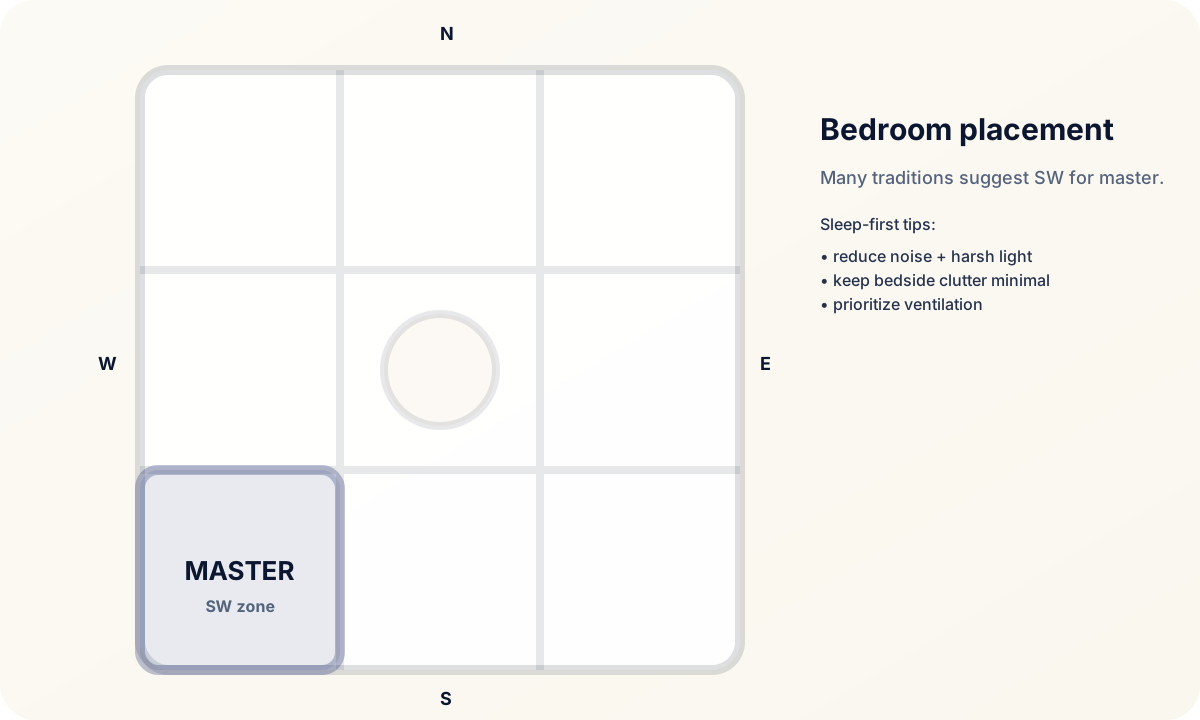
Example: master bedroom in South-West
Many traditions suggest SW for master. If not possible, focus on sleep comfort and calm zoning.
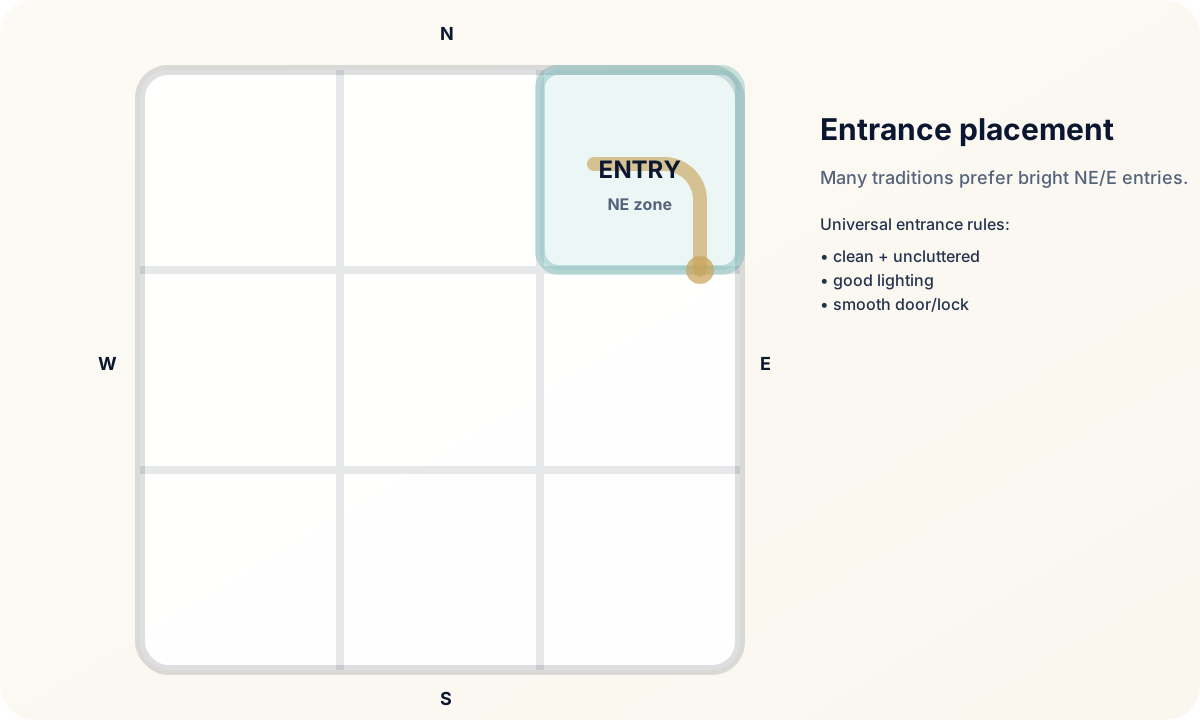
Example: entrance at North-East
Many traditions prefer bright NE/E entries. Universally, keep entry clean, bright, and uncluttered.
If your layout is fixed (most apartments)
Many visitors cannot move rooms at all. That’s normal—especially in apartments. In that case, use the direction diagrams as a way to understand the “ideal,” then focus on the premium fixes that actually change daily experience: strong kitchen ventilation, clean and bright entrance, calm bedroom lighting at night, and clear movement paths. These are the changes that most families feel immediately.
If you want to make direction-based improvements without demolition, do it through placement: position the bed for comfort, place storage to reduce clutter, and arrange seating to keep circulation smooth. Direction becomes a gentle guide instead of a rigid rule.
Room-wise Vastu priorities (what to fix first)
If you want quick improvement, start with the rooms that affect daily routine most. This order works well for most Indian homes:
1) Entrance
Clarity, lighting, and clutter control at the entry.
2) Kitchen
Ventilation, hygiene, and safe movement in the cooking zone.
3) Bedroom
Sleep comfort, calm lighting, and reduced noise.
4) Bathrooms
Leaks, dampness, ventilation, and hygiene.
5) Living room
Flow, seating comfort, and a welcoming feel.
6) Study/office
Lighting, focus, and an uncluttered work zone.
Room-wise checklists (grid format)
Use these as quick scans. Fix the easiest items first.
Living room checklist
Flow
Keep a clear path from entry to seating and to bedrooms.
Seating
Comfort first; avoid awkward placements that block movement.
Light
Use warm lighting; reduce dark corners; keep windows clean.
Clutter
Reduce surface clutter for a calmer feel.
Kitchen checklist
Ventilation
Use chimney/exhaust; open windows when possible.
Hygiene
Keep counters clear; clean wet zones quickly.
Workflow
Separate wet and dry tasks; keep tools reachable.
Heat
Keep heat away from sleeping zones; reduce smoke.
Bedroom checklist
Sleep-first
Comfortable bed, calm temperature, minimal disturbance.
Low clutter
Keep bedside simple; avoid storing too many items under the bed.
Night lighting
Warm lights; reduce screen brightness near bedtime.
Quiet
Reduce noise and echo; add soft furnishings if needed.
Other room-wise topics (what to add next)
These pages are the usual next requests. As you add them, keep the same format: short explanation, checklist, and a few practical “common mistakes + fixes.”
Bathroom & toilet
Dryness, hygiene, ventilation, and leak control.
Pooja room
Clean, calm corner; dedicated zone without clutter.
Study room
Good lighting, posture, and focus-friendly layout.
Home office
Work boundaries, noise control, and desk clarity.
Dining room
Comfortable seating, clear table rule, warm light.
Balcony
Airflow, plants, drainage, and clutter control.
Staircase
Safe circulation and storage discipline.
Parking / Garage
Vehicle flow, lighting, and dry, clean entry.
Bathroom & toilet Vastu (dryness + hygiene first)
Bathrooms are “wet zones.” In real homes, the biggest Vastu problem is rarely direction—it’s dampness, leakage, and hygiene. If a bathroom stays damp, it impacts the mood of the entire home. A premium approach is simple: keep bathrooms dry, ventilated, and easy to clean.
Leak check
Fix taps, flush tanks, and seepage early to prevent mold and stress.
Ventilation
Use exhaust fans; keep windows usable; avoid storing wet mops indoors.
Drying routine
Wipe wet surfaces quickly; keep floor dry after bathing.
Clean zones
Keep toiletries organized so cleaning is fast and frictionless.
If you want to apply direction rules, do it only after the basics are solved. A clean, dry bathroom beats any “perfect placement” that still smells damp.
Pooja room / pooja corner Vastu (calm + consistency)
Many homes do not have a separate pooja room. That’s okay. A premium pooja setup is a dedicated, calm corner that stays clean and is not used as storage. Consistency matters more than complexity.
Dedicated corner
Choose one calm spot and keep it for pooja only.
Keep it clean
Avoid clutter; store items neatly; keep the area dust-free.
Gentle lighting
Warm light and a tidy arrangement feels more peaceful than many objects.
Respect safety
If using diyas/incense, ensure ventilation and fire safety.
Study room / home office Vastu (focus-first)
People often ask for the “best direction” for study. A practical, premium approach starts with focus: comfortable seating, glare-free lighting, and a stable routine. If your desk faces a wall and you feel focused, that’s a win. If your desk is in a noisy passage, even a “perfect direction” may not help.
Task lighting
Use a good lamp; avoid glare; keep screen brightness comfortable.
Noise control
Choose the quietest corner; reduce distractions; use soft furnishings if echo is high.
Cable discipline
A clean charging station reduces visual stress and looks premium.
Keep it separate
Avoid mixing work zone with the bed zone when possible.
Dining room and kitchen-adjacent areas
Dining areas benefit from cleanliness and comfortable seating. If the dining space is used as storage, the room will feel heavy. Keep it simple: clear surfaces, easy movement, and good lighting.
Clear table
Reduce “always-on” clutter; keep a simple centerpiece at most.
Movement
Make sure chairs can move comfortably; avoid blocking pathways.
Balcony Vastu (airflow + green freshness)
Balconies are natural “air” zones. Keep them usable and uncluttered. If you enjoy plants, keep them healthy—dying plants create the opposite effect. If the balcony becomes a storage dump, the home often feels less breathable.
Airflow
Keep balcony doors and windows functional; allow cross-ventilation.
Healthy plants
Fewer healthy plants is better than many neglected plants.
Staircase & parking/garage (safety + discipline)
Staircases and parking zones affect daily stress more than people think. If stairs become cluttered, the home feels congested. If parking becomes chaotic, you start every day with friction. A premium home has discipline in these zones.
Keep stairs clear
No storage on steps; keep railings safe; ensure good lighting.
Garage order
Keep tools in one area; avoid random piles; ensure ventilation and cleanliness.
Room-wise color guidance (practical palette)
Color suggestions vary widely. A safe premium rule: choose colors that support the room’s purpose and look clean in your lighting. Use warm neutrals for calm; use bold colors as accents, not everywhere.
Living room
Warm neutrals + light tones; keep the room airy.
Bedroom
Muted calming tones; reduce overstimulation at night.
Kitchen
Clean bright tones; focus on hygiene, ventilation, and safe workflow.
Study
Neutral base + minimal accents; prioritize glare-free task lighting.
Quick start: 7-day room-wise improvement plan
If you want progress without overthinking, follow this plan. It’s designed for apartments and rentals too, and it helps you build momentum.
Day 1 — Entrance
Clear clutter, improve lighting, and keep the approach clean.
Day 2 — Living room
Fix flow: remove one unnecessary item and open pathways.
Day 3 — Kitchen
Declutter counters, improve exhaust use, and clean wet zones.
Day 4 — Bedroom
Calm the sleep zone: reduce clutter and harsh lighting at night.
Day 5 — Bathrooms
Fix leaks, improve drying, and keep hygiene zones organized.
Day 6 — Storage
Organize one cabinet/wardrobe so daily mess reduces.
Day 7 — Direction check
Note facing + entrance + key rooms and use the Direction Finder tool.
Repeat weekly
Small improvements build a premium home experience over time.
Mini glossary (room-wise)
Simple meanings so you can understand recommendations quickly.
Zone
A room area dedicated to an activity (sleep, cook, work).
Flow
Clear movement paths through the home and within a room.
Wet zone
Bathrooms/sinks: focus on dryness, hygiene, and ventilation.
Fire zone
Kitchen/cooking: focus on safety, ventilation, and cleanliness.
Facing
General orientation of the home/entrance side for direction discussions.
Remedy
Optional adjustments used after practical fixes are complete.
How to identify directions correctly (quick method)
Room-wise guidance becomes confusing when directions are measured inconsistently. Use a simple method and stick to it:
- Phone compass: stand at the main door (not near big metal grills) and note the direction you face when stepping out.
- Floor plan: if you have a builder plan, identify north (often marked) and map rooms accordingly.
- Be consistent: avoid mixing “road direction,” “balcony direction,” and “door direction” in one decision.
After you map directions, don’t treat them as a verdict. Treat them as a planning layer. If a room is not in the “ideal” zone, the premium response is to improve the practical basics (light, airflow, hygiene, clutter control) and then consider small layout adjustments.
No-demolition room-wise upgrades (apartment-friendly)
Most visitors here are in apartments or rentals. That’s normal. Room-wise Vastu can still work if you focus on “small wins”: declutter surfaces, improve lighting, increase ventilation, and rearrange furniture for flow. These changes make the home feel lighter quickly and are easy to maintain.
Declutter surfaces
Reduce visual noise on tables/counters for instant calm.
Improve lighting
Warm light + fewer dark corners improves how the room feels.
Ventilation routine
Open windows at set times; use exhaust where needed.
Furniture for flow
Keep pathways clear and avoid blocking door swings.
Room-wise do’s and don’ts (quick grid)
These are the “universal” rules that work across most room-wise traditions because they improve comfort and reduce friction. If you’re unsure what to do, start here.
Do: keep pathways open
Clear circulation makes the home feel calmer and easier to maintain.
Don’t: block doors and corners
Blocked doors and cramped corners increase stress and daily friction.
Do: prioritize ventilation
Kitchen and bathroom ventilation prevents lingering smells and dampness.
Don’t: ignore leaks and dampness
Moisture problems affect health, mood, and the overall “feel” of the home.
Do: reduce surface clutter
Calm surfaces make the room look premium and feel organized.
Don’t: chase perfection
Most homes improve more from consistent basics than strict “perfect” rules.
After you apply these, directions become easier to work with because the home’s baseline quality improves. Think of directions as an optimization layer, not the foundation.
When (and how) to use remedies
Remedies are optional. Use them only after the practical fixes are done—otherwise they become “decorations that don’t solve the real problem.” A premium remedy approach is simple and meaningful: one or two items that support your routine, not a shopping list.
Room-wise myths vs facts
Myth: “One wrong room ruins everything.”
Better: fix high-impact rooms first (entry, kitchen, bedroom).
Myth: “Only direction matters.”
Better: ventilation, hygiene, and flow often matter more.
Myth: “Remedies replace layout.”
Better: use remedies only after practical fixes.
Myth: “Perfect is required.”
Better: a calm, livable home is the goal.
Recommended next steps
- Start with Home Vastu overview if you want a full-home checklist.
- Use Direction Vastu if your focus is facing and entrance placement.
- Try the Direction Finder for a basic educational score.
Room-wise Vastu for apartments vs independent houses
The same room-wise checklist works in both apartments and independent houses, but the “levers” are different. In apartments, you usually cannot move plumbing or walls, so the premium method is operational: improve lighting, airflow, storage discipline, and furniture placement. In independent houses, you may have more freedom—but the risk is overbuilding and blocking airflow/light.
If you apply only one idea from this page, apply this: improve one room per week. Consistency beats perfection. After a few weeks, the home will feel noticeably calmer and more organized, and direction-based suggestions become easier to apply without stress.
Start with the entrance, then kitchen, then bedroom—these three usually give the fastest results for comfort, hygiene, and calm.
Use these quick rules:
Apartments / rentals
Small wins: declutter, lighting, ventilation routine, furniture flow, no-demolition remedies.
Independent houses
Keep circulation open, avoid cramped extensions, plan storage intentionally, prioritize daylight and drainage.
Frequently asked questions (room-wise)
Start with entrance clarity, then kitchen ventilation and workflow, then the master bedroom for sleep comfort.
Don’t panic. Improve ventilation, keep counters clean, and keep heat/smoke away from bedrooms.
Yes. Use no-demolition changes: declutter, improve lighting, improve airflow, and adjust furniture for better flow.
Start with a small set: entrance, kitchen, bedroom, bathrooms, and flow. If those are strong, your home will feel more balanced even before you go into deeper traditional rules.
In most modern homes, cleanliness, airflow, and clutter control make the biggest difference quickly. Directions can guide you, but they work best when the basics are already handled.