
Commercial Vastu basics (what to prioritize)
Commercial Vastu is most useful when you treat it like a planning checklist: where do people enter, how do they move, where do decisions happen, where do money and inventory stay, and which areas must remain clean and quiet. Many traditions apply similar “zone logic” as residential Vastu, but commercial spaces need extra attention to movement paths, noise control, hygiene, and clear signage. A workplace that is bright, organized, and safe usually “feels positive” even to people who don’t follow Vastu.
The practical priority order
- Safety first: exits, wiring, fire equipment, clear walkways
- Air + light: ventilation, glare control, layered lighting
- Flow: reception → service → payment → exit with minimal confusion
- Clean zones: toilets, pantry, storage kept dry and maintained
- Decision zone: owner/manager seating placed for calm focus
Common zone logic (traditional)
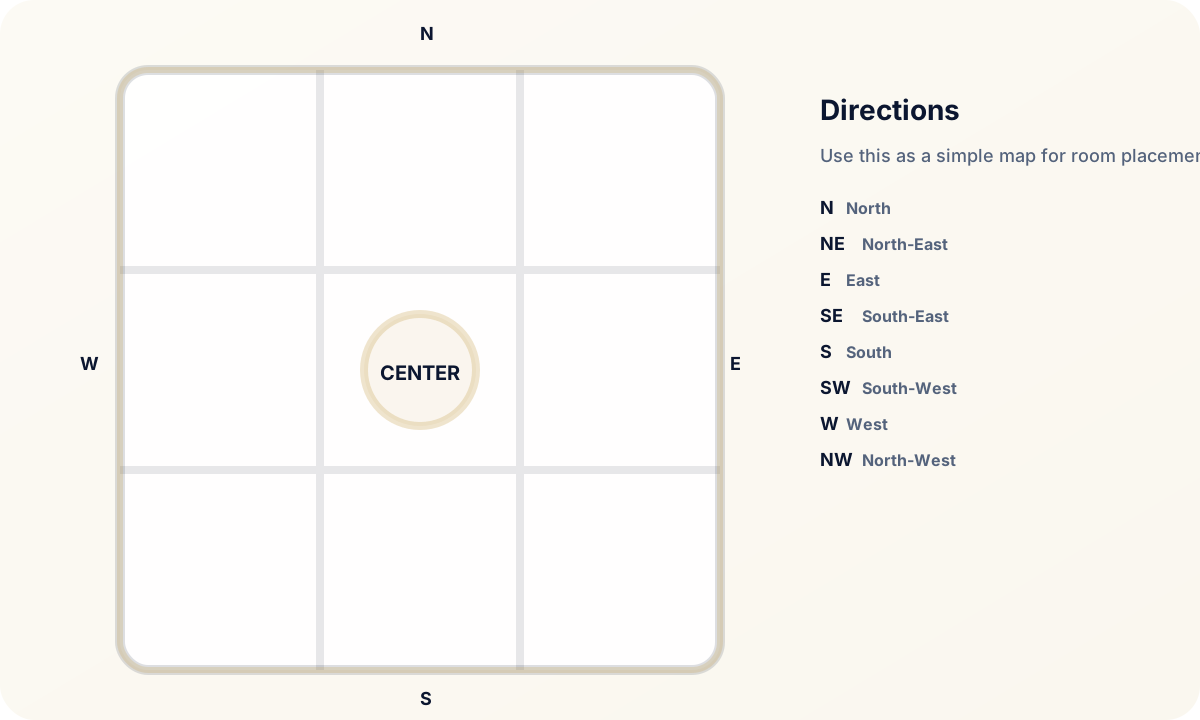
You will find different school opinions, but these anchors appear frequently: keep North/East lighter and open for welcome and movement, keep South/West heavier for storage and stability, keep toilets away from the most “light/clean” corner (often NE), and keep the owner/decision-maker with solid support behind them. Use Direction Finder to map zones quickly.
Office Vastu (layout that supports focus + leadership)
For offices, Vastu advice usually aims to reduce chaos: clear entry, calm seating, good lighting, and less clutter around decision-making. Even simple fixes (desk orientation, storage discipline, and noise control) can make a workplace feel premium. For a deeper office-only page, visit Office Vastu.

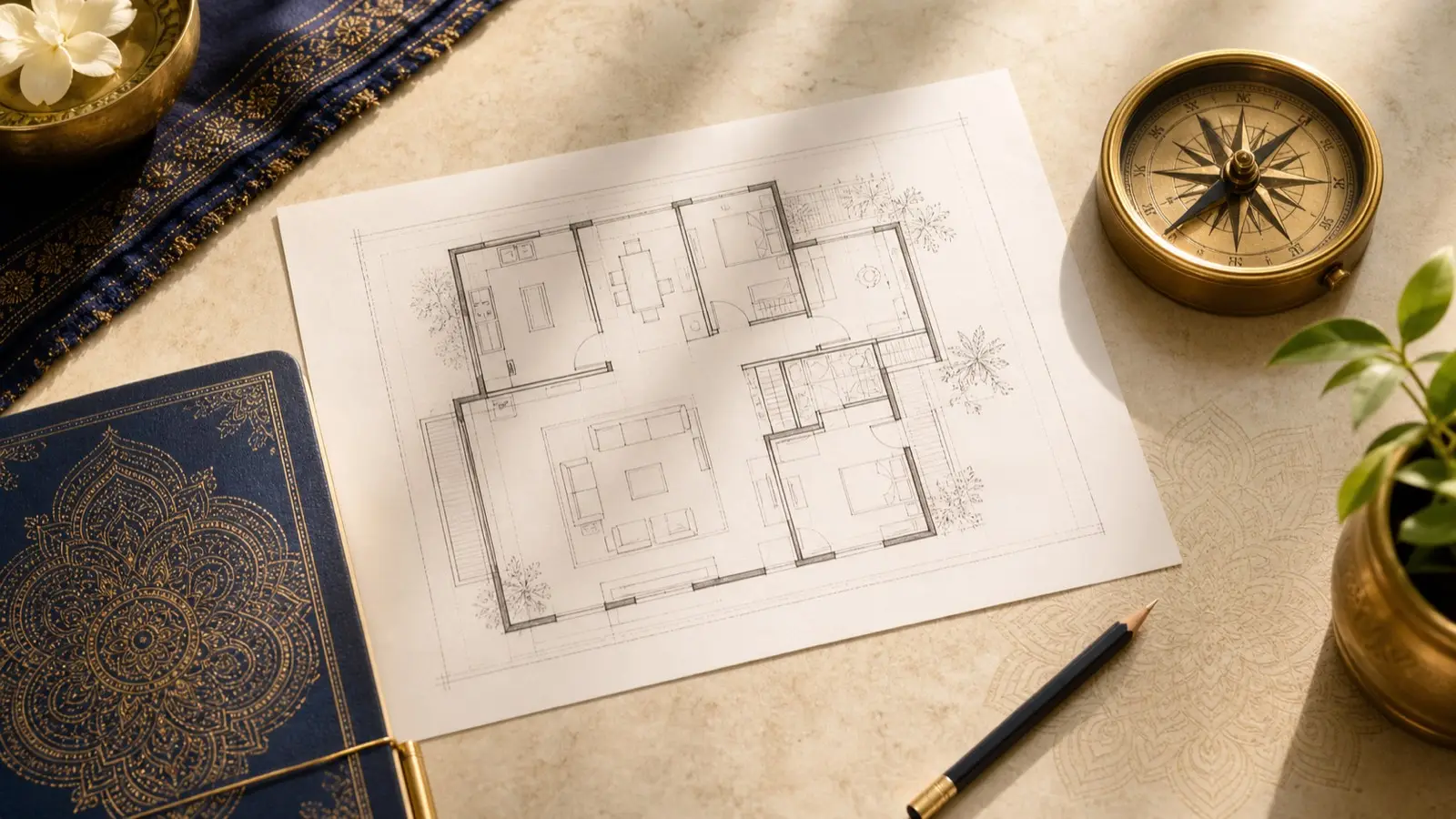
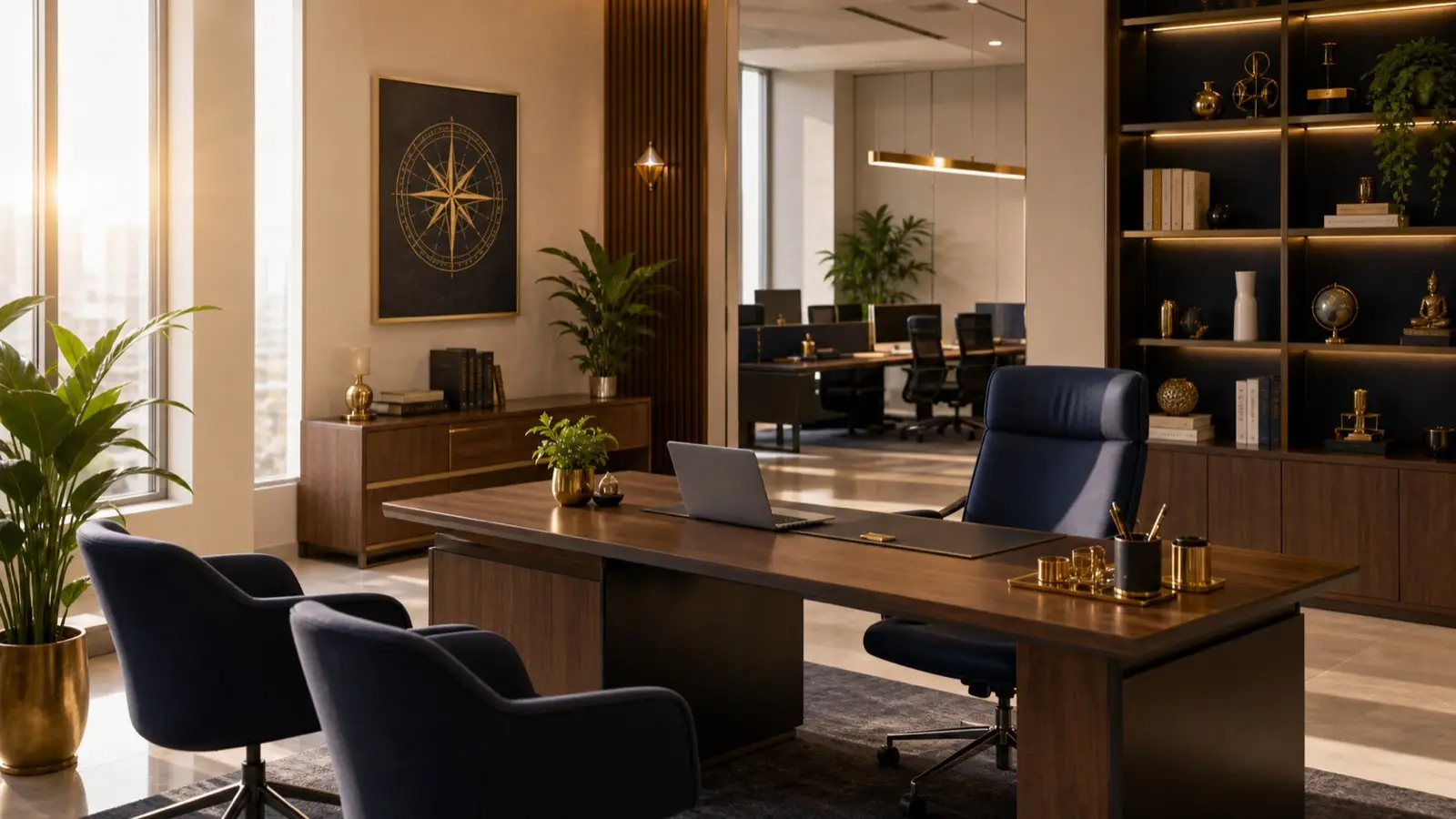
Office seating (owner/manager)
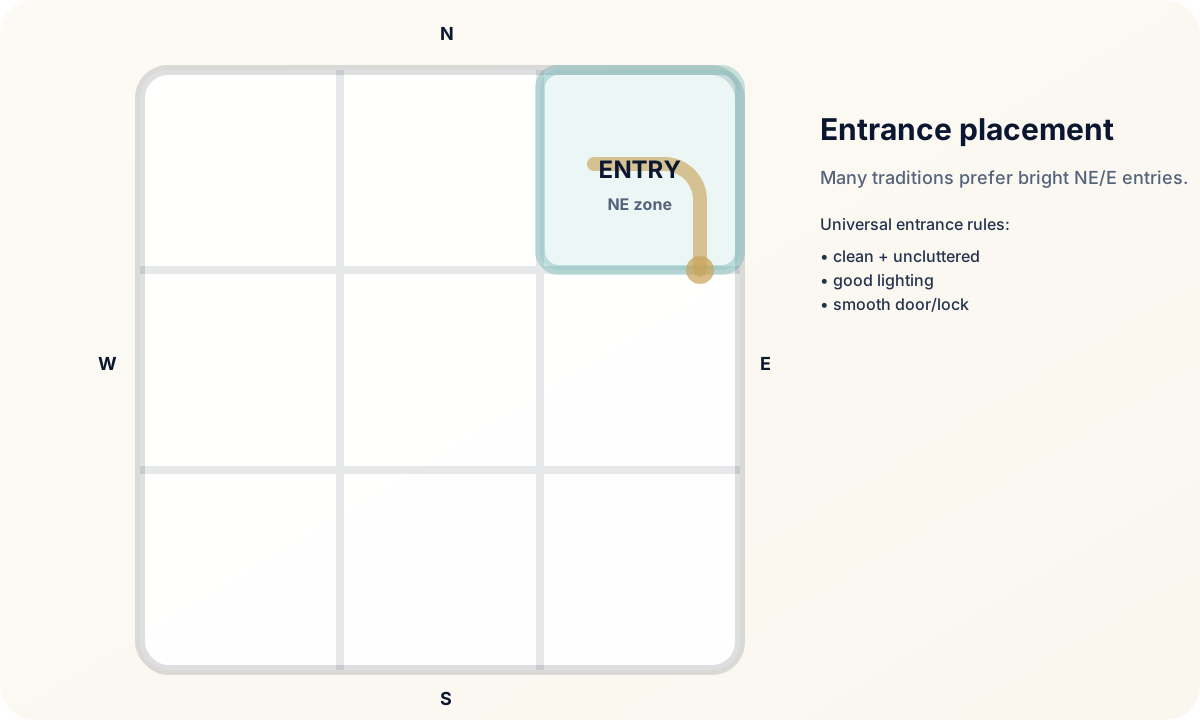
Many practitioners place the owner/leader in a South-West or west/south zone for stability, and suggest facing North or East while working. The practical meaning: give the leader a quiet corner with a solid wall behind, avoid sitting with a walkway directly behind, and reduce visual distractions in the line of sight. This improves confidence and focus for real.
Reception + meeting rooms
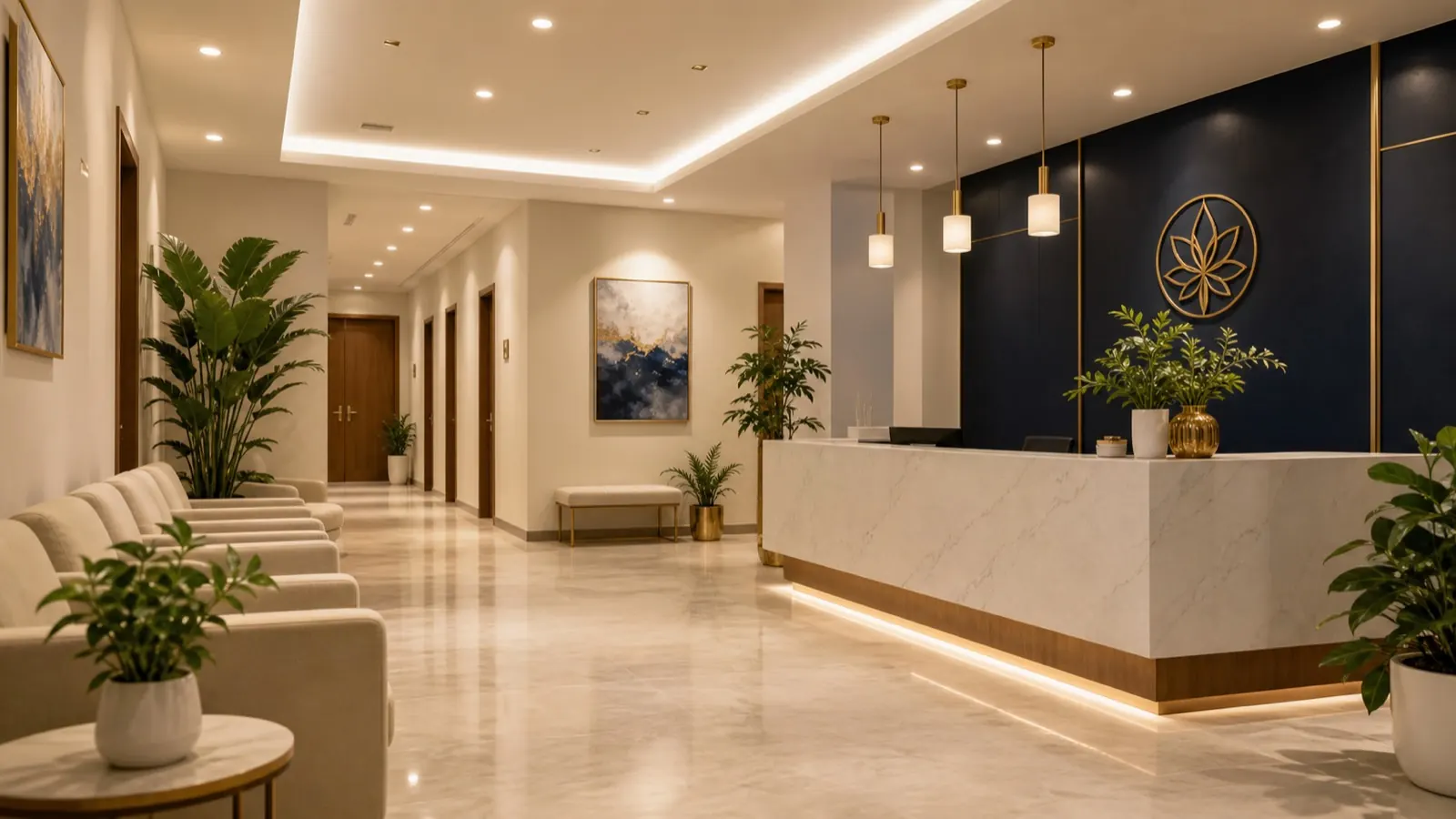
Keep reception bright, tidy, and easy to understand. A visitor should instantly know where to go. Use clear signage, avoid tight clutter near the entrance, and keep the first view pleasant (light, plant, clean wall, or brand element). Meeting rooms work best when the table does not block circulation and when the room has controllable lighting (reduce glare for screens).
Accounts + cash handling
Cash counters and accounting rooms are traditionally placed with stability in mind (often south/west) and with the person facing north/east. The practical goal is privacy, security, and reduced disturbance. Place safes on solid walls, avoid obvious visibility from the entrance, and keep the area dry. If you accept customer payments, reduce confusion with a single clear payment desk.
Storage and inventory
Commercial clutter kills “energy” and kills productivity. Keep heavy storage in a consistent zone (often south/west), label everything, and keep floor paths clear for safety. If storage spills into reception or meeting areas, the workplace feels cheap and stressful. A clean storage system is the most premium remedy.
Shop / retail Vastu (customer flow + trust)
Retail Vastu is mainly about: easy entry, clear browsing flow, and a simple checkout/payment area. If customers feel confused, cramped, or pressured, they leave. The most practical “Vastu fix” is to improve the customer journey.
Entry + product display
Keep the entrance clean, bright, and unobstructed. Avoid a tall clutter wall right at the entry. Create a “welcome zone” where customers can pause and orient. Use lighting to highlight key products without creating glare. If your shop is small, one strong focal display is better than many cramped displays.
Cash counter and storage
Many Vastu approaches keep the cash counter in a stable zone, with the cashier facing north/east. Practically, you want security and a clear path: customers should know where to pay, but the cash drawer should not be easy to grab. Keep billing clutter hidden and keep packaging/inventory organized.
Clinic / hospital Vastu (calm + hygiene + patient flow)
Clinics must prioritize hygiene and compliance. Vastu in healthcare settings is best used for calm: good lighting, clear waiting flow, and clean air. For details, see Clinic / hospital Vastu.
Reception and waiting
Keep reception calm, with clear signage and privacy for patient conversations. Waiting areas should be well-ventilated, not overly cluttered, and easy to clean. Soft lighting reduces anxiety. From a Vastu lens, this creates a welcoming “positive” zone; from a practical lens, it improves patient satisfaction.
Doctor cabin and treatment areas
Ensure the doctor can sit with a solid backing and minimal disturbance. Treatment rooms should prioritize privacy, quiet, and cleanliness. Keep dirty/clean flows separated (waste disposal, linen, cleaning supplies) and prevent odors from traveling into reception.
Factory / warehouse Vastu (safety + logistics)
Warehouses and factories are dominated by safety and logistics. Vastu-style thinking can still help if you use it to organize zones: receiving, storage, production, dispatch, office, pantry, and toilets. If the layout is confusing, accidents and delays increase.
Material flow
Create a clean flow: receiving → storage → processing → packing → dispatch. Keep lanes marked, avoid mixed piles, and keep heavy loads away from emergency exits. A tidy warehouse feels “positive” because it reduces risk and stress. This is also one of the best ways to improve business efficiency.
Owner office + admin
Place admin/office areas where noise and dust are lower, with good light and air. If you follow traditional rules, keep heavy storage in south/west zones and keep north/east areas lighter. But do not compromise safety, ventilation, or workflow to force a zone.
Hotel / restaurant Vastu (comfort + service flow)
For hospitality, the “energy” is mostly guest experience: comfort, cleanliness, and smooth service. Restaurants benefit from clear entry, visible seating logic, and a kitchen that controls heat and smoke. Hotels benefit from strong housekeeping systems and easy navigation.
Dining area
Keep seating comfortable with enough walkway space. Avoid placing seats in tight corners with poor ventilation. Use warm lighting that flatters faces and food, and reduce noise echo (soft surfaces help). A calm dining area is a Vastu-friendly space because it supports satisfaction and repeat visits.
Kitchen and washrooms
Kitchens need exhaust and cleanliness. Washrooms should be easy to find, odor-free, and never feel damp. If washrooms are near dining, use strong ventilation and ensure doors do not directly face the dining view. In Vastu and in design, separation of eating and waste areas supports comfort.
Commercial Vastu zone cheat sheet (fast decisions)
If you only remember one thing: use zone logic to reduce friction. Zones are not magic—zones are a way to decide where to keep “light, movement, and welcome” and where to keep “heavy, storage, and support functions”. The table below uses common traditional ideas plus practical workplace design.
North / North-East (lighter zone)
Typical use: reception, customer-facing areas, open display, collaboration corners, a calm pooja/quiet corner (if you keep one), and “welcome” visuals. Practical reason: these areas benefit from brightness and openness. Traditional avoid list often includes toilets or heavy storage here because they make the zone feel blocked. If your business has heavy footfall, keep this zone easy to clean and easy to understand.
South / South-West (stable zone)
Typical use: owner/manager cabin, accounting, safe/locker, heavy storage, server rooms (where possible), and back-office functions. Practical reason: these are “quiet” functions that work better with fewer interruptions. In traditional language, SW is linked to stability and control, which matches the real-world need for privacy and focus.
East (growth + visibility)
Typical use: meeting rooms, training rooms, client seating, and active collaboration zones. Practical reason: east-facing light can feel energizing in the morning, and these functions benefit from clarity. In shops, east-facing displays often get good visibility. Avoid blocking windows with heavy cabinets.
West / North-West (movement + support)
Typical use: secondary cabins, support teams, dispatch/packing corners in some layouts, and (often) toilets placed away from NE. Practical reason: NW zones are used for movement and churn in many traditions. Keep them organized and well-ventilated so they don’t feel messy or stale.
Cash counter, locker, and accounts (security + clarity)
Money-handling areas create stress if they are exposed, messy, or confusing. Vastu advice often overlaps with basic security: keep the cash counter controlled, keep the locker on a solid wall, and keep the accounting area quiet. If customers queue, your payment area should be visible and obvious, but the cash drawer and documents should not be on display. If your business is digital-first, treat the “accounts” area as your calm back office: stable seating, neat cables, and low disturbance.
Traditional orientation (common)
Many practitioners suggest the cashier/accountant faces North or East and the locker is placed toward South-West (or a stable south/west zone), with the locker door opening toward north/east. Use this as a guideline only if it doesn’t conflict with security or operations.
Practical “premium” checklist
- One clean billing surface; paperwork stored out of sight
- Stable internet + power backup where needed
- Secure visibility (staff can see queue, queue can’t see cash drawer)
- Daily close-out routine (count, file, clear desk)
Pantry, water, and staff comfort
Staff comfort is a “Vastu remedy” that directly affects performance. A tiny pantry that is dark, smelly, or messy becomes a stress source. Keep pantry and water zones clean, well-ventilated, and easy to maintain. In many traditions, water is placed in the North/North-East zone, and heat/fire functions are placed in the South-East. If you can’t follow that perfectly, focus on what is measurable: clean water, good ventilation, and no damp corners.


Toilets, waste zones, and odor control
In commercial spaces, toilet placement and maintenance can make or break customer perception. Traditional Vastu often avoids toilets in the “lightest” corner (commonly NE) and prefers placing them in W/NW/S zones depending on the layout. In practice, toilets can be anywhere if they are clean, dry, ventilated, and not directly visible from the entrance or dining/reception. If a toilet is near a customer area, use a buffer: corridor, partition, strong exhaust, and a clear cleaning routine.
If you can choose placement
Keep toilets away from the main entrance line-of-sight and away from the most “clean/quiet” corner used for reception or pooja. Make sure they have proper ventilation and don’t share a wall with food prep areas if possible. If you run a clinic or restaurant, treat toilet cleanliness as a brand promise.
If placement is fixed
Use the most effective remedies: strong exhaust, consistent cleaning, odor control, and a visual buffer so customers don’t see the toilet door from key areas. Repair leaks immediately. A dry, bright toilet often removes the “negative energy” feeling that people complain about.
Colors and materials (how to make a space feel premium)
Many Vastu guides talk about colors, but the practical goal is simple: reduce visual stress. Use a clean base palette (light neutrals), keep brand colors as accents, and avoid harsh glare. In offices, use warm-neutral lighting in meeting and reception, and task lighting for desks. In clinics, use bright clean lighting with soft surfaces to reduce anxiety. In retail, use spotlighting for products without making walkways dark. If you want to apply Vastu-style color logic, keep calmer tones in heavy/stability zones (south/west) and keep brightness and openness in north/east zones.
When Vastu conflicts with operations
Commercial layouts are constrained by leases, compliance rules, plumbing locations, loading docks, and customer flow. If you must choose, pick operations and safety. Then apply Vastu as a no-demolition refinement: reduce clutter, improve lighting, improve ventilation, adjust seating, and keep zones tidy. If you want no-demolition fixes that apply everywhere, use Vastu Remedies and Remedies without demolition.
Common mistakes (and the simplest fixes)
Mistake: clutter and messy storage
Clutter is the #1 reason commercial spaces feel “low energy”. Fix: label storage, set a daily reset routine, and keep walkways clear. A clean, organized storage zone is a premium upgrade that improves both Vastu feel and productivity.
Mistake: poor lighting or harsh glare
Fix: add layered lighting (ambient + task), reduce glare on screens, and keep reception brighter than corridors. Better light improves mood and trust—two things Vastu also aims to support.
Mistake: confusing customer journey
Fix: clear signs, visible reception, and a simple payment route. If people feel lost, they assume the business is disorganized. “Good energy” in commercial spaces often means clarity and ease.
Mistake: ignoring ventilation and odors
Fix: exhaust fans, openable windows where possible, and consistent cleaning schedules. Odors are a major reason people feel uncomfortable and associate the space with negativity. Air quality is a no-demolition remedy that works everywhere.
Quick setup checklist (premium basics)
Use this as a weekly review. Most items are no-cost or low-cost.
If you want a simple rule: customers should see your best zone (clean, bright, organized), and your messy zones should be hidden and managed. This alone improves trust and repeat business more than any object remedy, without extra spending, consistently.
Daily
- Clear reception counter and payment desk
- Keep walkways uncluttered
- Ventilate toilets and pantry
- Empty trash and remove odors
Weekly
- Deep clean one storage zone
- Check lighting (replace dead bulbs)
- Review signage and customer flow
- Fix any leaks/dampness immediately