
Vastu remedies without demolition (what this really means)
“Remedies without demolition” means improvements you can make without breaking walls or moving major plumbing. In a premium, modern interpretation, remedies are not about fear or magic objects. They are about making the home feel brighter, cleaner, more breathable, and easier to maintain. If a suggestion increases clutter, creates constant noise, or adds maintenance, it usually makes the home feel worse—not better.
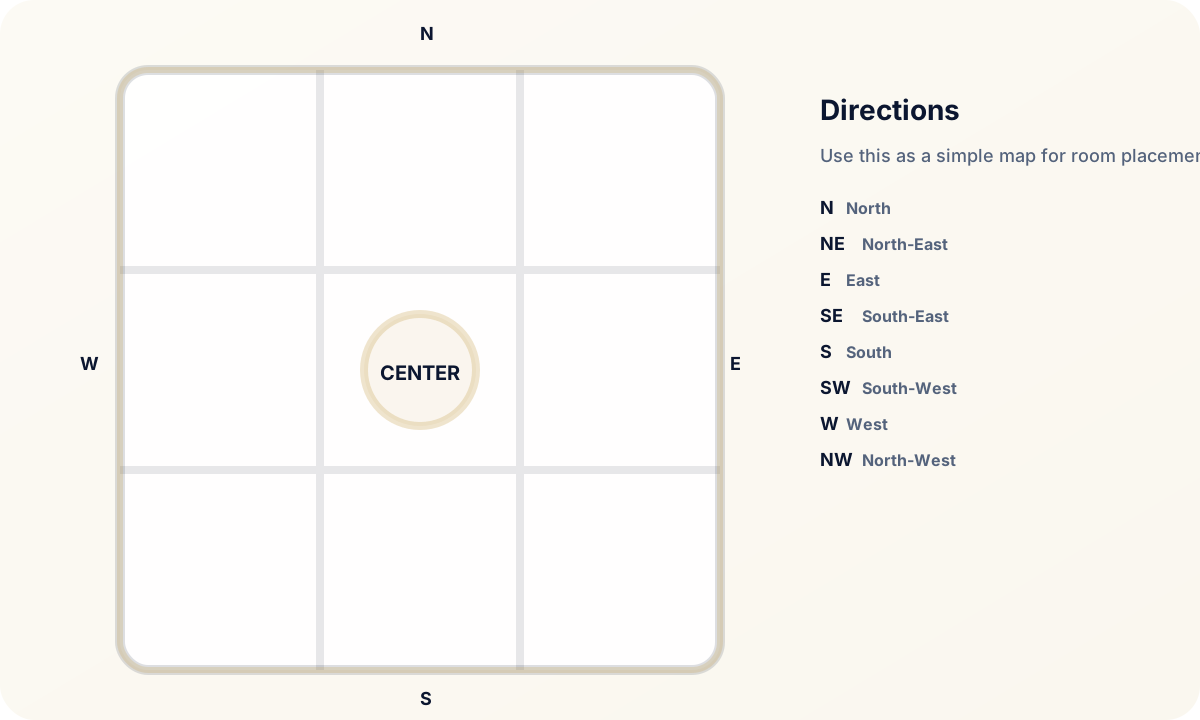
Many Vastu traditions use direction zones (NE/SE/SW/NW) as a planning map. We’ll use that map in this guide too—but with one rule: comfort and safety always come first. When a “direction remedy” conflicts with hygiene, ventilation, or electrical safety, choose the safe option.
Ideal direction (how remedies are commonly mapped)
“Ideal direction” for remedies depends on what problem you’re fixing. Instead of memorizing dozens of rules, think in categories: light and freshness, fire/heat, sleep/quiet, and wet/hygiene zones. Below are common direction preferences used by many checklists, shown visually.
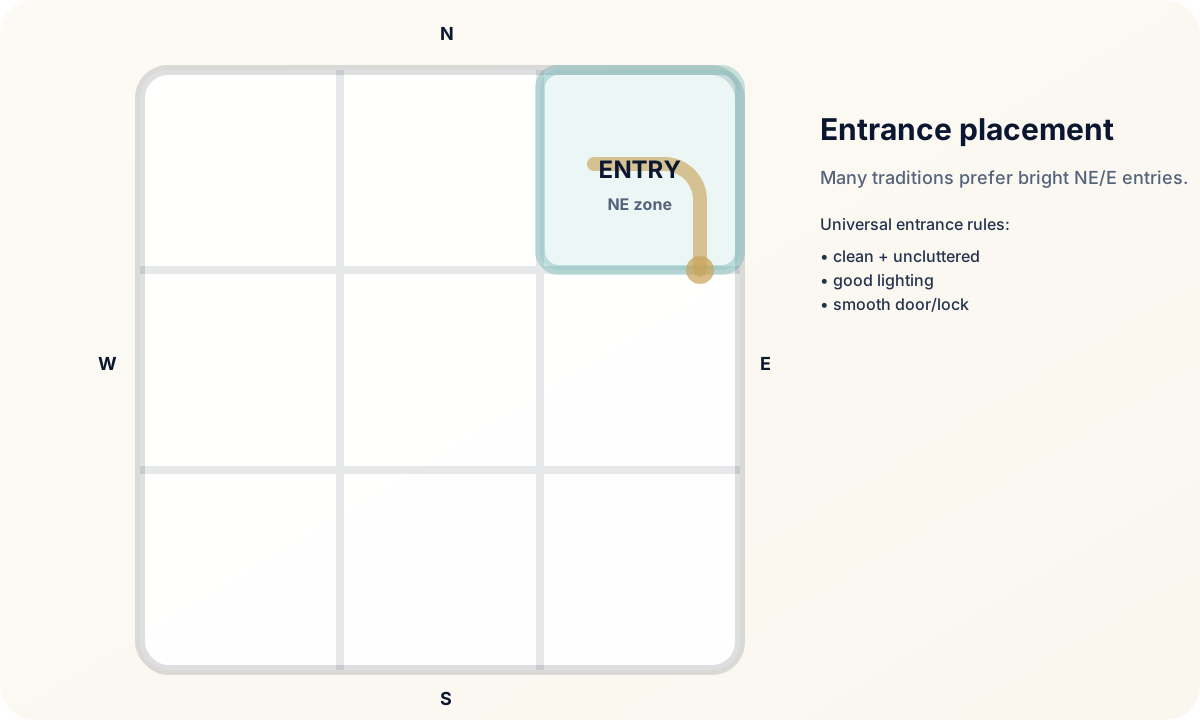
Entrance remedies (NE / East)
Entry should feel bright and uncluttered. A “remedy” is often just warm lighting, closed shoe storage, and a clear walking path. See also: Entrance & Main Door Vastu.
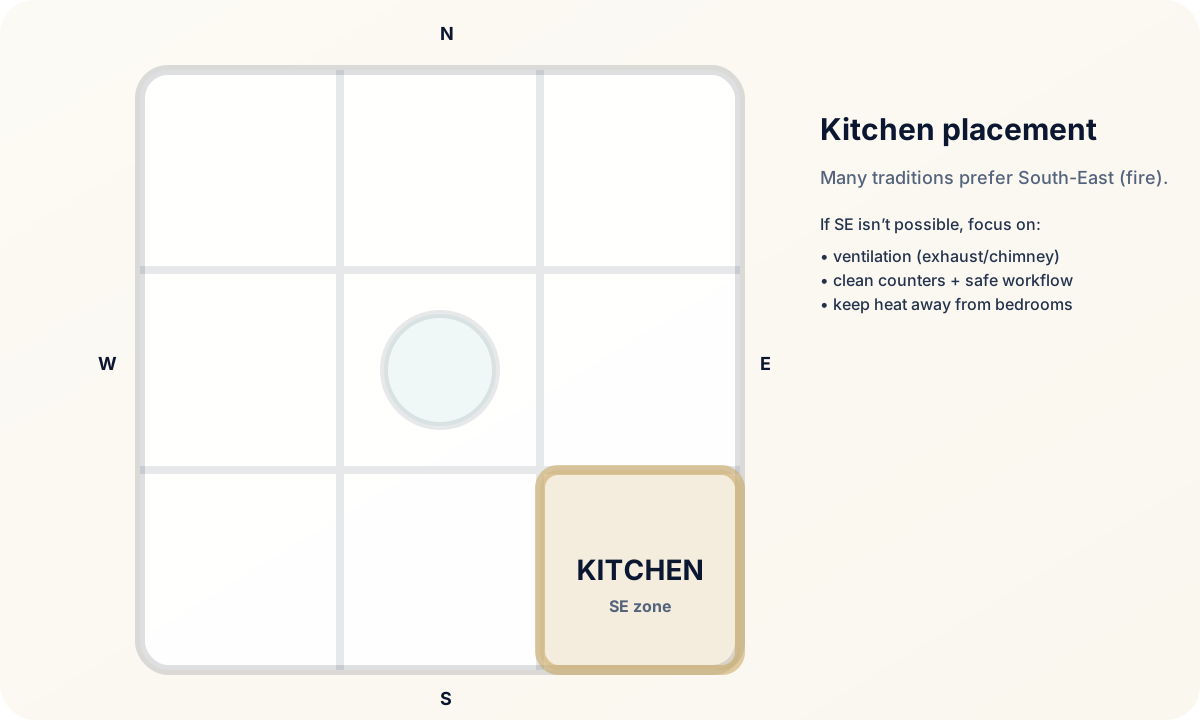
Kitchen remedies (SE)
The premium “kitchen remedy” is ventilation + safe workflow. If your kitchen is fixed, focus on chimney/exhaust and keeping the stove zone clean. See: Kitchen Vastu.
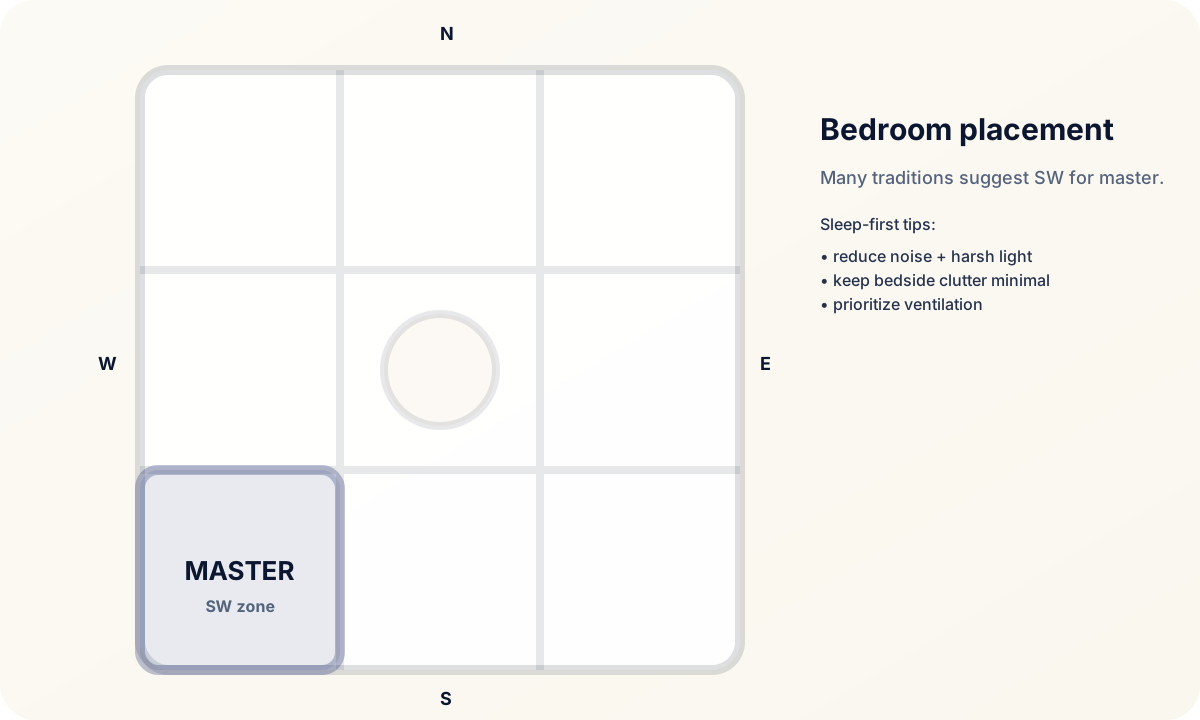
Bedroom remedies (SW)
Bedroom “remedies” should improve sleep: darkness at night, less noise, and less clutter. Keep electronics minimal and cables tidy. See: Bedroom Vastu and Master Bedroom Vastu.
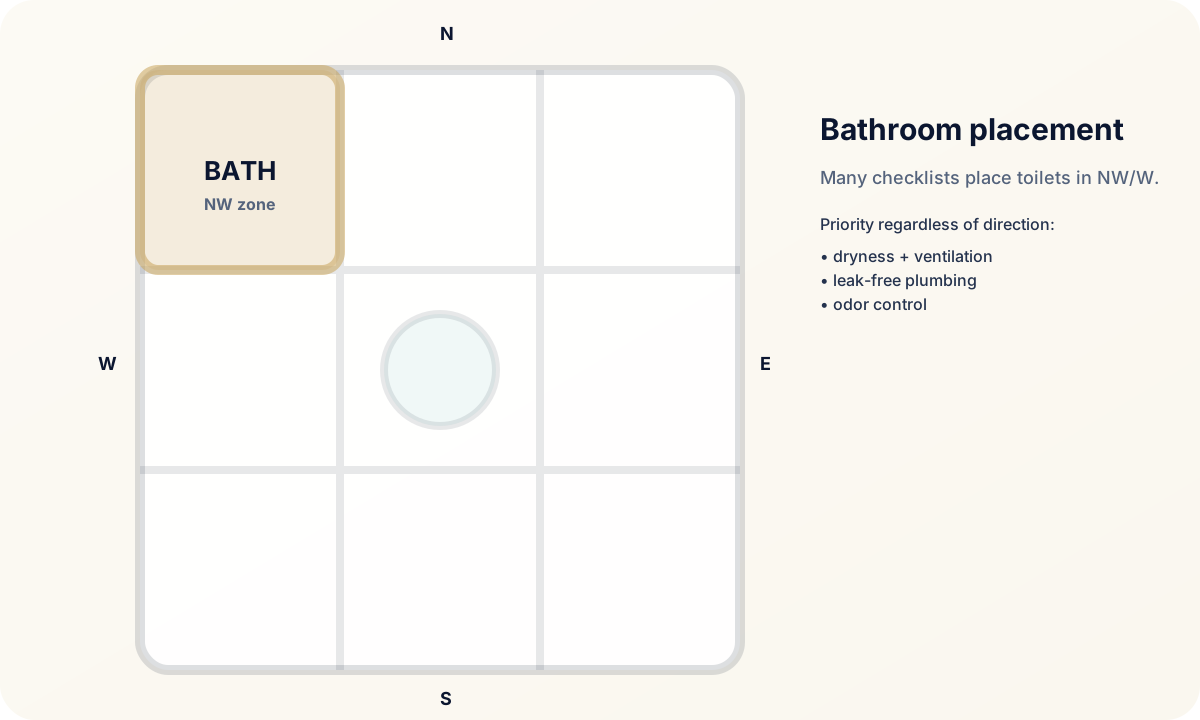
Toilet / wet-zone remedies (NW)
Toilets need dryness and strong exhaust. If anything smells damp, the best remedy is ventilation + leak fixing. See: Bathroom & Toilet Vastu.
Best colors (premium palette that supports remedies)
Colors aren’t “magic.” They influence mood, perceived cleanliness, and how easy a room feels to maintain. Premium homes typically use neutral bases and one calm accent per space. Use these as a simple guide:
Base neutrals
Ivory, warm white, beige, light grey. Best for brighter, larger feeling rooms.
Calm accents
Muted green or soft blue. Use in curtains, cushions, bedsheets, or one wall.
Warm lighting
Warm bulbs in corners make rooms feel calmer. Use neutral light for study/task areas.
If you want one “remedy color rule”: avoid very dark paint in small rooms if it makes dust or damp patches feel more visible. A room that looks clean easily will feel premium easily.
Placement tips (the remedies that actually work)
The best no-demolition remedies are usually boring—because they work: storage, airflow, lighting, and layout. Use this section as your practical checklist.
1) Declutter + closed storage
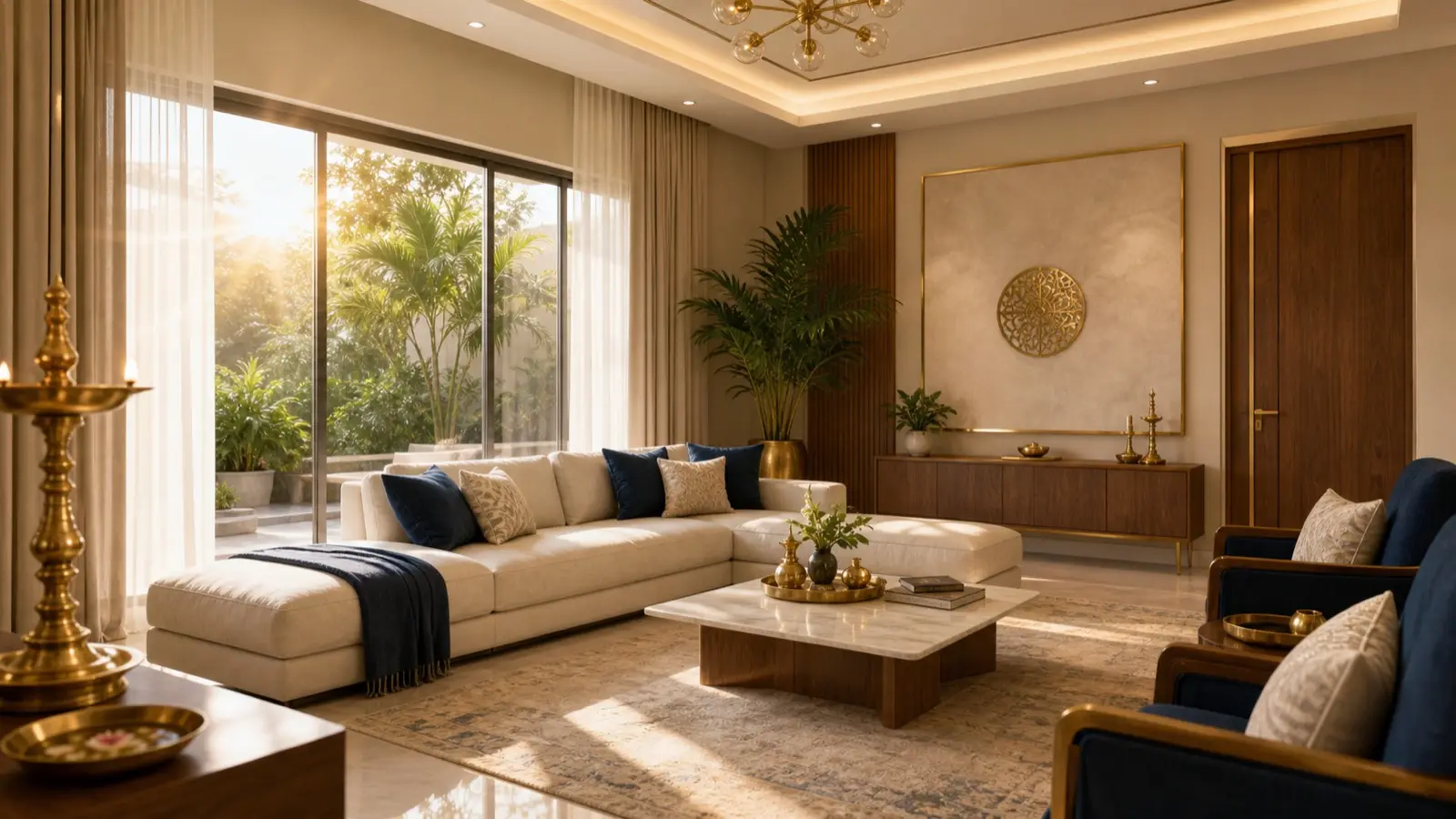
Clutter is the #1 reason a space feels “blocked.” Replace open piles with closed storage: boxes, baskets, cabinets. Keep floors visible where possible—cleaning becomes faster and the room feels lighter.
2) Ventilation upgrades
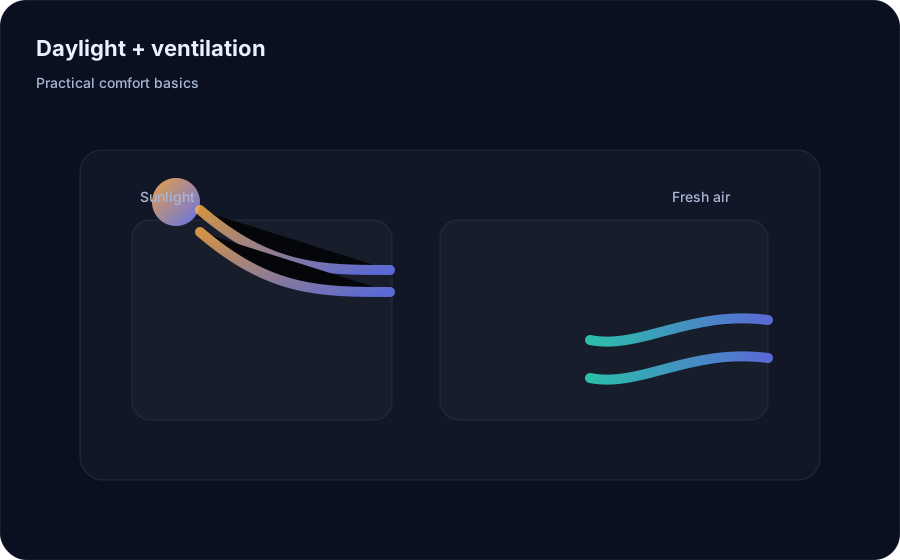
If you remember one remedy: fix stale air. Open windows daily, clear vents, and use exhaust where smell or dampness exists. In kitchens, chimney/exhaust is often the best “Vastu remedy” for comfort.
3) Mirrors (use only with intention)
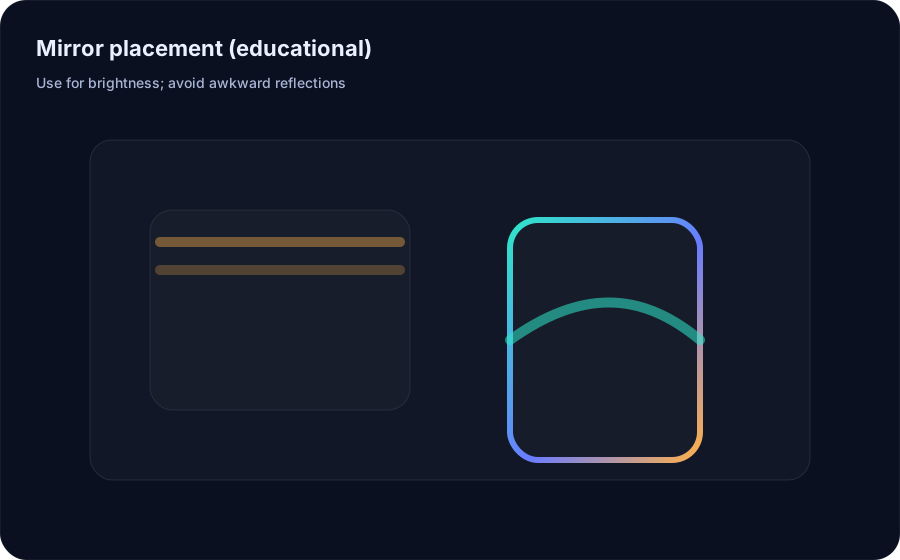
Mirrors can brighten dark zones—but they also reflect what you don’t want to see. Use them to reflect daylight or a clean wall. Avoid mirrors facing clutter, toilets, or directly facing the main door if it creates distraction.
7-day no-demolition remedy plan (premium and realistic)
If you want a fast improvement, use this simple plan. It’s built around what actually changes a home: circulation, light, air, and maintenance. The key is to do one change per day and keep it easy enough to repeat.
Day 1 — Map directions
Confirm North once. Mark NE/SE/SW/NW on your floor plan (or use Direction Finder).
Day 2 — Entry feels premium
Closed shoe storage + warm light + clear path. Entry clutter is the fastest “energy blocker”.
Day 3 — Kitchen airflow
Improve exhaust (chimney/fan). Remove oil/heat clutter around the stove and fix leaks near the sink.
Day 4 — Bedroom sleep
Declutter bedside, reduce cables, add curtains, and use calm lighting. Sleep quality is the best “remedy”.
Day 5 — Toilets dry routine
Strong exhaust + dry floors. Fix damp smell sources; keep cleaners stored safely.
Day 6 — Light corners
Add one lamp in the darkest corner (living/bedroom). Bright corners reduce “heavy” feel instantly.
Day 7 — Keep only what works
Pick 3 habits to repeat monthly (declutter reset, ventilation, dry routine). Premium comes from repetition.
Tip: if you want to use traditional objects (copper, crystals, pyramids), add them only after Days 1–5. Otherwise you risk adding clutter before fixing the real problem.
Direction-based remedy map (what to do in each zone)
A common Vastu teaching tool is to treat directions like “functional zones.” Use this as a decision shortcut: when you don’t know what to do, pick the zone you’re improving and apply the matching comfort-first remedy.
NE (clarity / calm)
Keep light, clean, and uncluttered. Best “remedy”: remove storage piles, add daylight, keep a calm corner (prayer/meditation if you prefer). Link: Prayer corner.
SE (heat / cooking)
Ventilation, clean stove zone, safe workflow. Avoid paper clutter near heat.
SW (rest / stability)
Heavy rest zone: bedroom calm, less noise, less clutter. Use curtains and warm light.
NW (movement / wet)
Toilets, laundry, storage movement: keep dry, ventilated, and odor-free.
Traditional remedies: when they help (and when they don’t)
This is the “premium filter” for traditional items. Use them only when they support comfort and cleanliness. If you can’t maintain them easily, skip them.
Plants
Plants work when they are healthy. Choose easy plants for your light level, and keep watering simple so you don’t create damp corners. For balconies, see: Balcony garden.
Wind chimes
Sound can feel uplifting, but constant noise is stressful. If you use wind chimes, keep them subtle and avoid bedrooms and work zones. A premium home is calm—not noisy.
Salt, copper, pyramids, water features (safe, minimal use)
These are popular “no-demolition” remedies people search for. The premium approach is to treat them as optional. Use them only if they don’t create safety issues or maintenance burden. If you’re not sure, skip them—your home will still improve from ventilation, lighting, and clutter control.
Salt
Symbolic cleansing in some traditions. Keep it hygienic (closed container), away from children/pets, and never in walkways.
Copper
Traditional preference for some homes. Keep copper items clean and minimal; don’t add clutter “just because.”
Pyramids
Used by some as directional markers. If you use them, place securely and never in a way that blocks circulation.
Water features
Water is linked to calm in many traditions, but in real homes it can create dampness or mosquito risk. Only consider a water feature if you can keep it clean, prevent splashes, and ensure it’s safe near wiring.
Safety checklist (don’t skip this)
A remedy should never make your home less safe. Use this quick safety checklist before adding any new decor or “remedy” item:
Electrical
No water near switches/extension boards. No loose cables where you walk. Use proper load-rated sockets.
Wet areas
Fix leaks first. Keep floors dry. Exhaust fans working. Don’t place symbolic items that get wet or moldy.
Walkways
Don’t block doors, passages, or exits. Premium homes feel open and easy to move through.
Bedrooms
Avoid heavy decor above the bed. Keep sound remedies away. Keep charging neat and safe.
If you ever feel confused about a remedy, return to the basics: airflow, light, cleanliness, and easy maintenance. Those four items outperform everything else.
Myths vs facts (how to keep remedies calm)
Myth: more objects = more results
Fact: more objects often means more dust and clutter. Premium results come from fewer, better decisions.
Myth: direction fixes everything
Fact: direction is a map. Comfort comes from light, air, hygiene, and routines.
Myth: a “bad” corner ruins the home
Fact: one fixed issue (leak, smell, clutter) can change the whole home quickly. Fix practical issues first.
Myth: remedies replace planning
Fact: planning and maintenance win. Remedies should support planning—not replace it.
Room-wise remedies (quick fixes by area)
Use this section when you want “what should I do first?” guidance for a specific room. Each box is intentionally simple—so it’s easy to follow in real life.
Entrance
Warm light + closed shoe storage + clear first view. Add one fragrance only if the area is clean and ventilated. Link: Entrance & Main Door Vastu.
Kitchen
Ventilation first (chimney/exhaust). Keep stove area clean, fix leaks, and keep heat away from stored paper/plastics. Link: Kitchen Vastu.
Bedroom
Sleep-first: dark at night, quiet, uncluttered. Reduce harsh lights; tidy charging cables; avoid heavy storage near bed. Link: Bedroom Vastu.
Toilet / bathroom
Exhaust + dry floors + leak fixes. Use a simple dry routine (squeegee / towel) to remove water quickly. Link: Bathroom & Toilet Vastu.
Traditional remedies (use safely, keep it minimal)
Traditional items can be meaningful for many families. The premium version is to keep them minimal and easy to maintain. If an item collects dust or blocks circulation, it’s not helping.
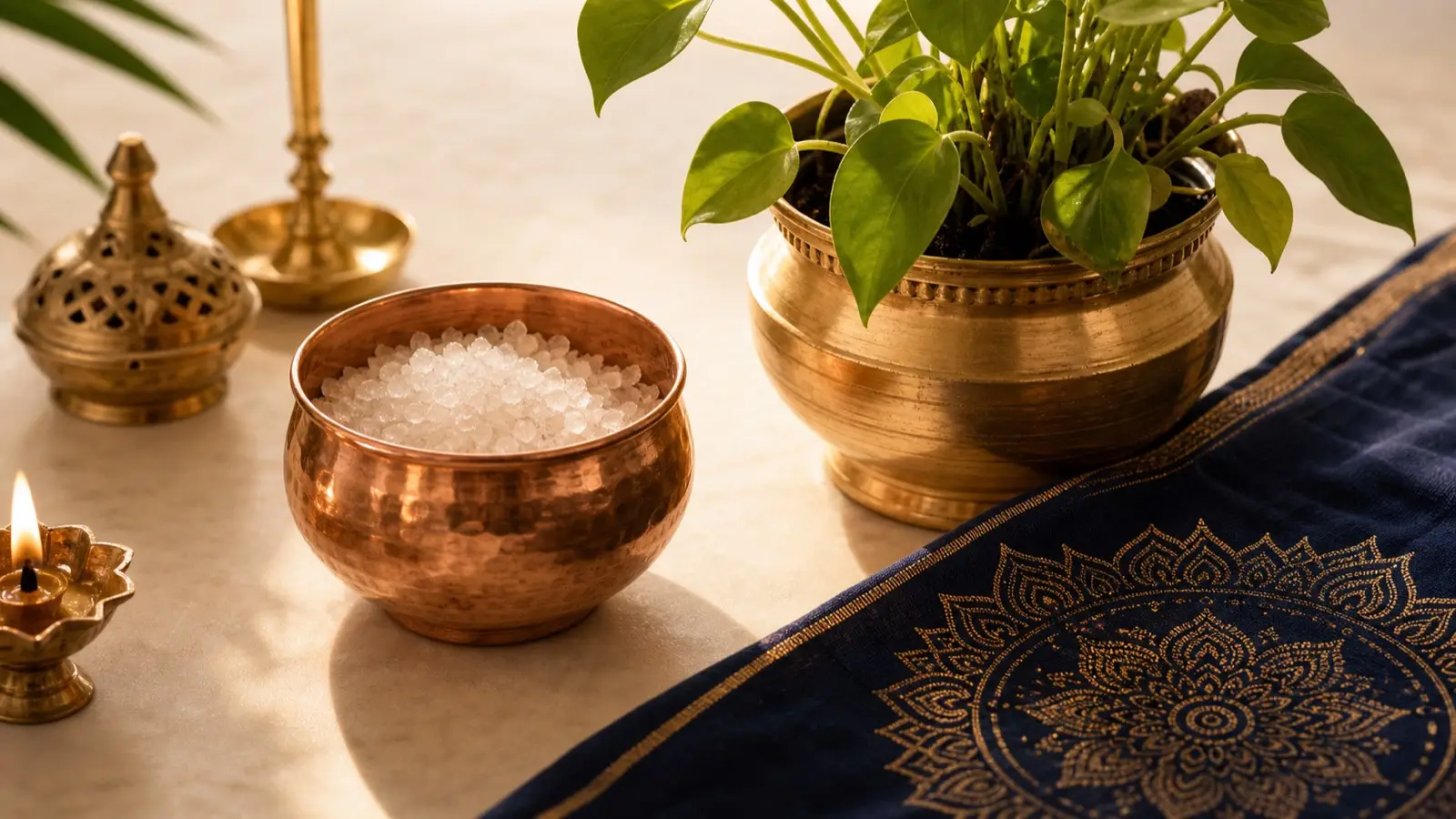
Salt
Symbolic cleansing for some. Keep hygienic and avoid slip hazards. Don’t place near children/pets.
Plants
Choose low-maintenance plants that match your daylight. Healthy plants feel premium; dying plants feel heavy.
Copper items
Traditional in some homes. Keep clean; avoid sharp edges; don’t replace real maintenance with objects.
Crystals (optional / external)
If you enjoy crystals as decor, keep them tidy and intentional. Avoid turning them into clutter. See: Energize With Crystals.
Water features
Small fountains are suggested in some traditions, but in real homes they can create dampness or mosquitoes. Only use if you can keep it clean, dry around it, and safe for children.
Common mistakes (why remedies fail)
Most remedy failures come from two issues: (1) trying to fix a practical problem with an object, and (2) adding clutter. Use this checklist to avoid those traps:
Mistake: ignoring ventilation
If the home smells damp/hot, fix airflow before adding any “energy” objects.
Mistake: mirror reflects mess
A mirror doubles the visual clutter. Clean first, mirror second.
Mistake: too many remedies
Too many items create dust and maintenance. Premium = fewer, intentional pieces.
Mistake: unsafe placement
Avoid water near wiring, heavy decor above beds, and anything that blocks exits.
Do’s & don’ts (premium, safe, repeatable)
Do
- Do improve airflow first (windows, exhaust, clear vents).
- Do use closed storage to reduce visual clutter.
- Do use warm light to soften harsh corners.
- Do fix leaks and dampness quickly (it changes the whole home).
Don’t
- Don’t add “remedy objects” that create dust and maintenance.
- Don’t place water features if you can’t keep them clean and mosquito-free.
- Don’t obstruct walkways or exits with decor.
- Don’t treat Vastu as fear—treat it as a calm checklist.
Summary checklist (save this)
If you want a one-screen “premium” checklist, use this. It covers the majority of outcomes people want from remedies without demolition: a home that feels brighter, cleaner, calmer, and easier to maintain—without overthinking directions. Keep it simple, safe, and repeatable for your family daily, consistently.
Daily
60-second reset • open windows briefly • keep entry clear
Weekly
Deep-clean wet corners • wipe mirrors • check clutter piles
Monthly
Review 3 upgrades • fix one comfort issue • remove one unnecessary item
Always
Safety first (wiring/water/leaks) • ventilation first • keep it minimal
Recommended next
If you want this to feel premium, apply remedies in this order: entry → kitchen → bedroom → toilets. Then expand to room-wise checklists.