

What is Home Vastu (in simple words)?
Home Vastu is the way people apply Vastu Shastra ideas to a house or apartment: facing and entrance direction, room placement, cleanliness, and how the home feels day-to-day. The best way to use it is as a checklist for comfort and routine. A premium approach is calm and practical: improve light, airflow, hygiene, and movement paths first—then apply direction-based suggestions.
Different traditions may give different rules, but the outcomes people want are similar: a home that feels stable, peaceful, and easy to maintain. This guide is educational only and focuses on the highest-impact actions.
Choose your home type
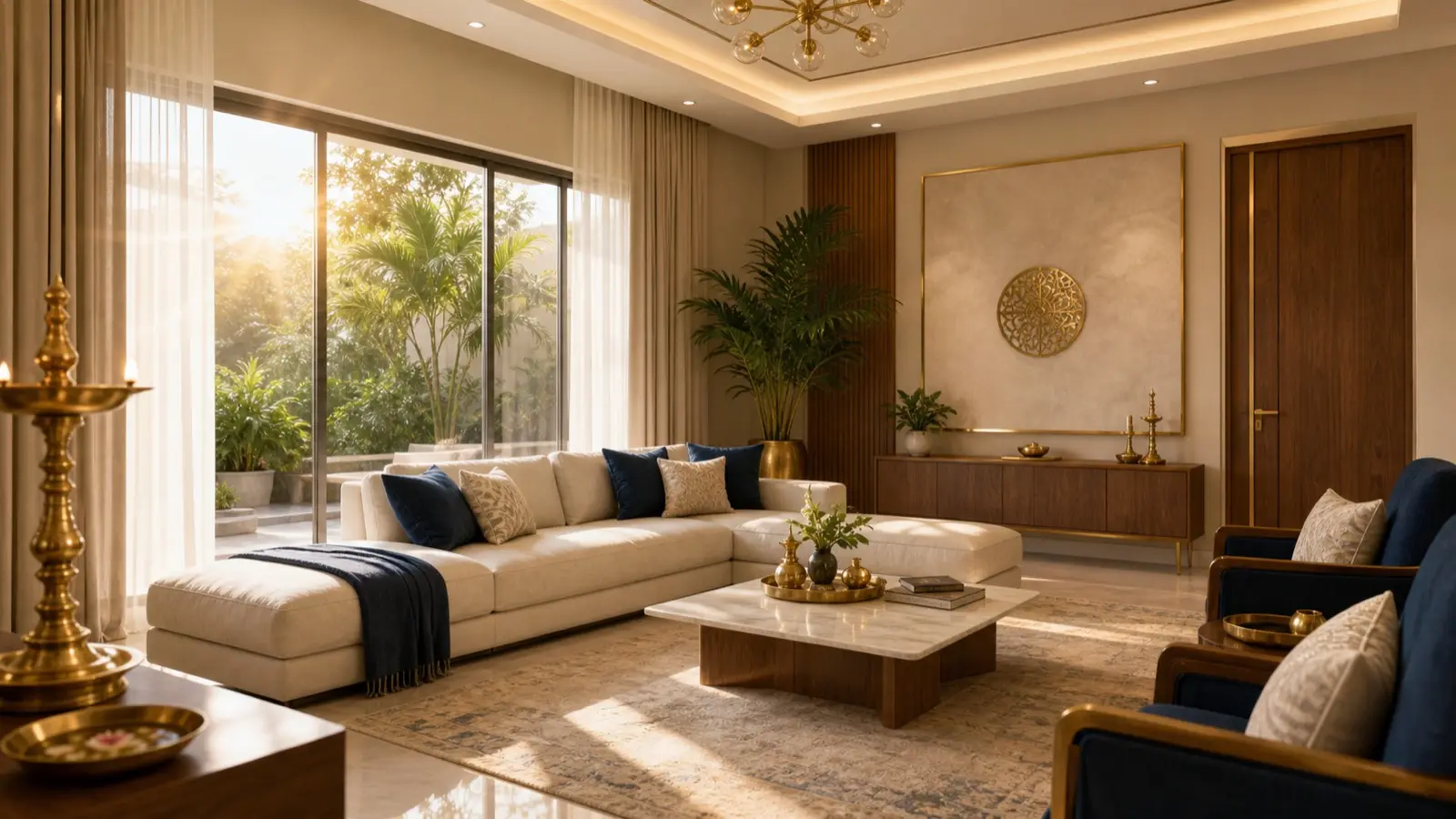
Independent house
More flexibility with layout, entrances, and rooms.
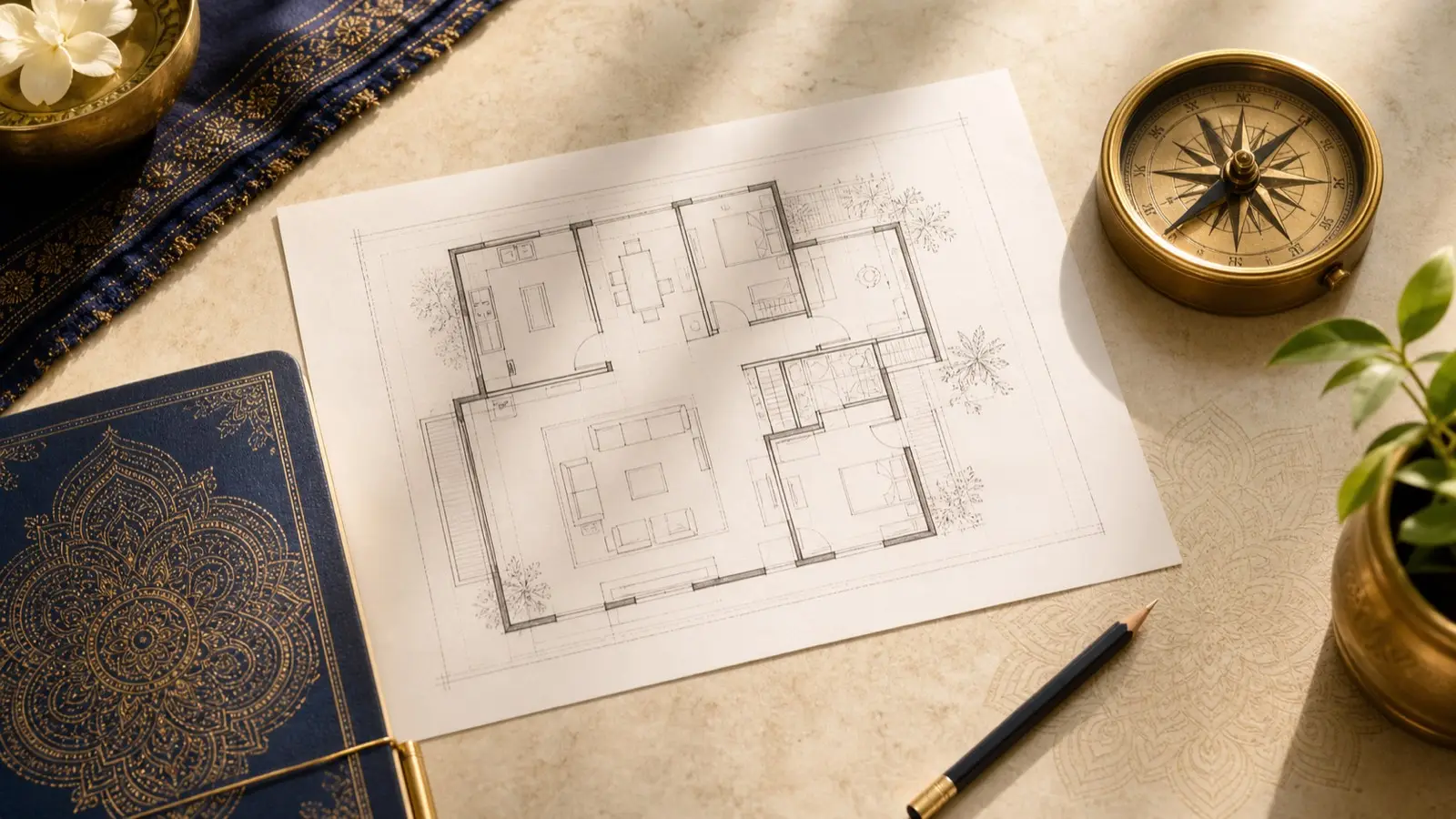
Apartment / flat
Use no-demolition improvements + smart furniture placement.
Rental home
Focus on declutter, light, airflow, and gentle remedies.
Home Vastu priorities (the short list)
If you’re not sure where to start, use this order. It works for almost all homes and keeps the process calm:
1) Entrance
Bright, clean, clutter-free approach and a smooth working door.
2) Kitchen
Ventilation, hygiene, and safe movement (fire + heat management).
3) Master bedroom
Sleep comfort, low noise, low clutter, calm lighting at night.
4) Bathrooms
Fix leaks, manage dampness, keep dry and hygienic zones.
5) Flow + center
Clear pathways, less congestion, easier cleaning and circulation.
6) Light + air
Improve daylight and cross-ventilation wherever possible.
Facing and entrance: the most asked Home Vastu question
“Which facing is best?” is the most common question. The premium answer is: most facings can work when the entrance is kept welcoming, the kitchen is safe and ventilated, and the bedroom is calm. Instead of chasing a single “perfect” facing, use directions as a planning tool.
Start by identifying your house facing and main entrance direction. Be consistent: don’t mix balcony direction, road direction, and door direction in the same discussion. If a phone compass gives confusing readings near metal grills or elevators, step away and re-check.
Room-wise Home Vastu: the 3 rooms that matter most
Most families improve the home the fastest by focusing on three rooms first: kitchen, bedroom, and living room. Even small changes here can improve daily comfort.
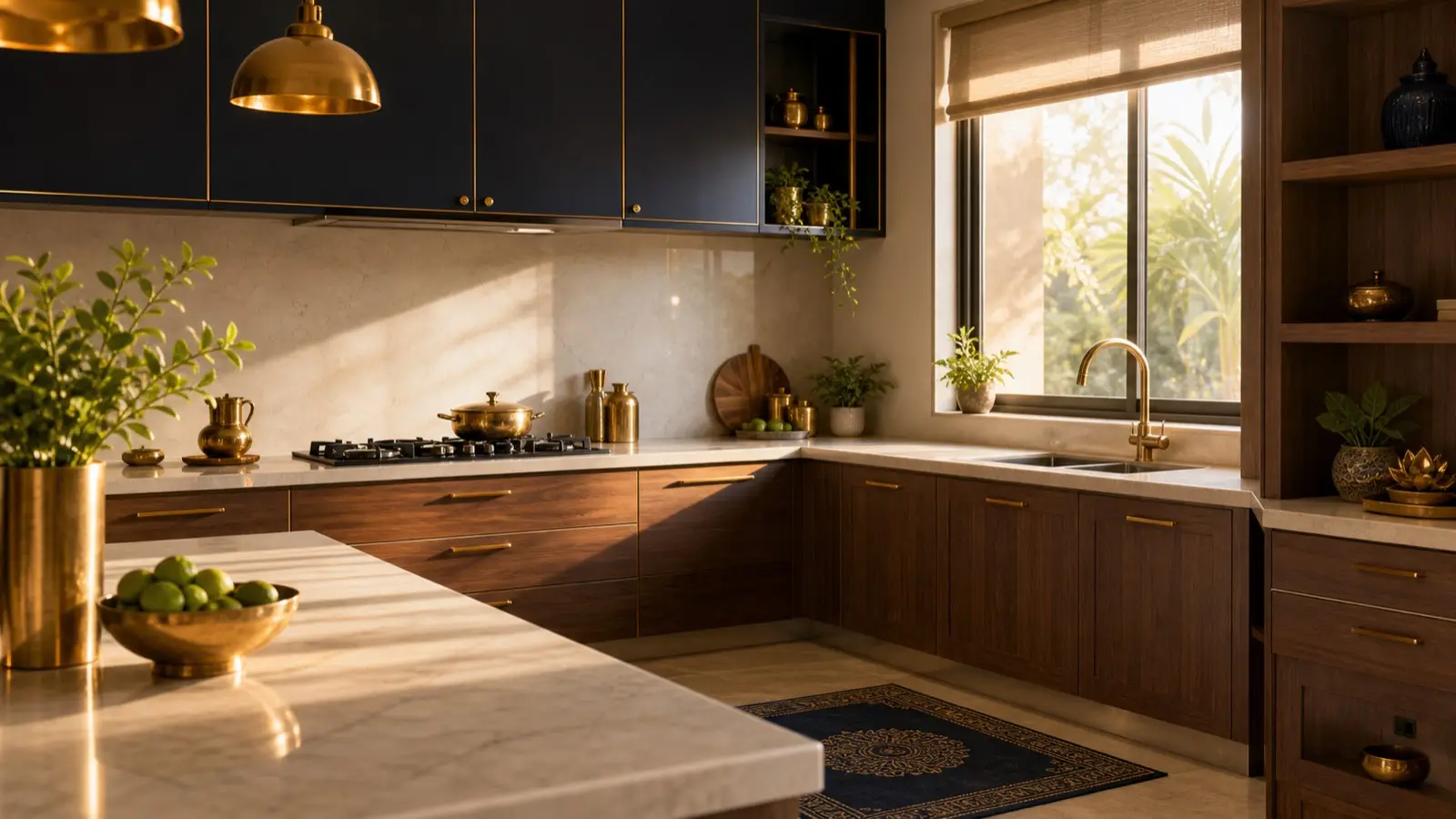
Kitchen Vastu
Ventilation, cleanliness, stove/sink zones, and practical do’s & don’ts.
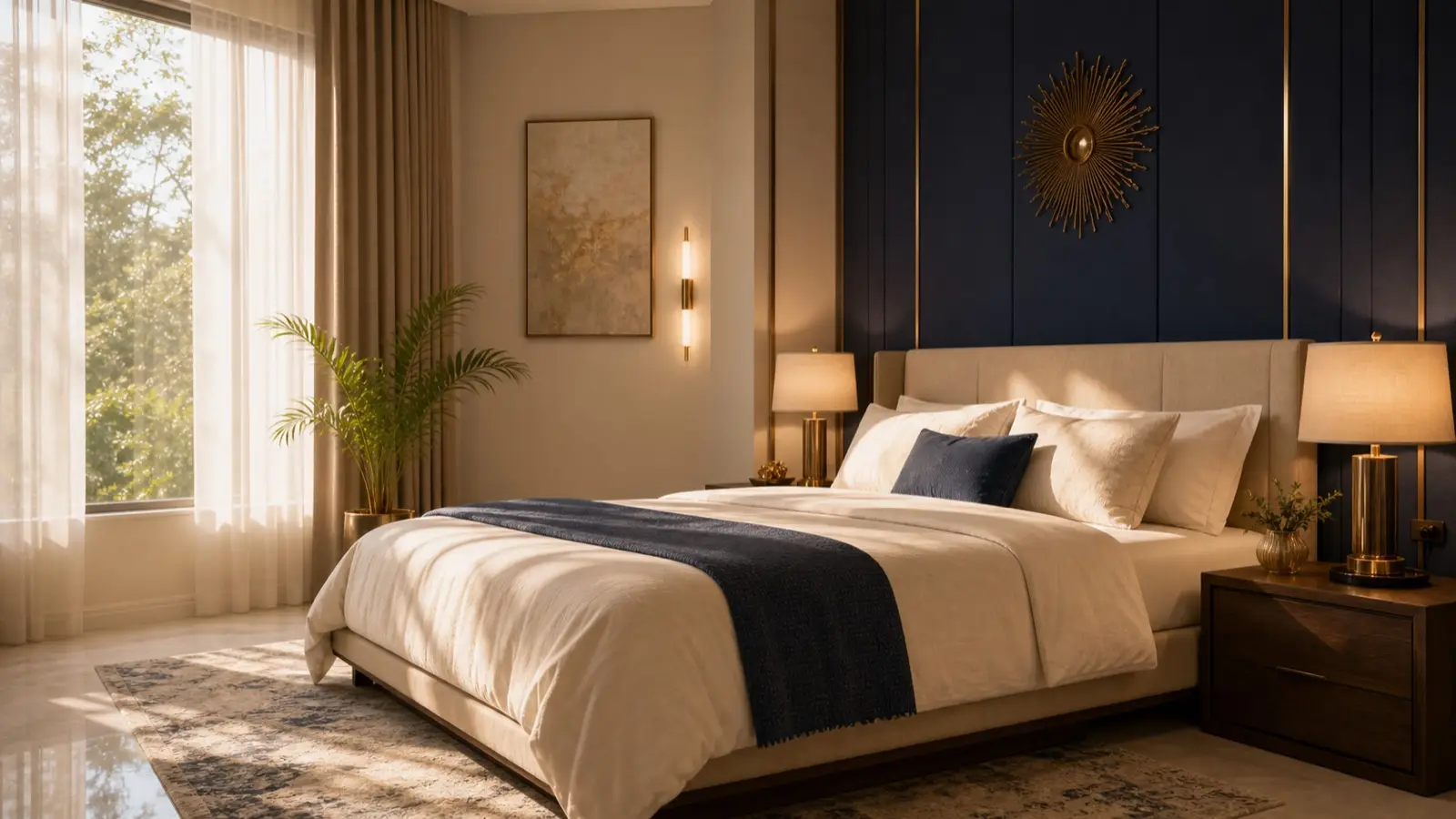
Bedroom Vastu
Sleep-first placement, calming colors, and clutter-free rest zones.
Living Room Vastu
Seating comfort, movement paths, light, and a welcoming feel.
Entrance Vastu for home: the premium basics
A home feels “good” quickly when the entrance experience is clean and welcoming. This isn’t only traditional—it is also practical. The entrance is where you carry dust, noise, and outside stress into the home. A premium entrance setup reduces friction: it is easier to clean, easier to access, and creates a sense of calm.
Keep it bright
Use warm lighting, avoid a dark doorway, and keep the nameplate/door clean.
Keep it clear
Avoid clutter piles; maintain a clear path from door to living space.
Control shoes & dust
Use a tidy shoe zone and a doormat to reduce dust travel into rooms.
Fix the door
A squeaky hinge and hard lock creates stress—repair it for instant improvement.
Direction-based traditions often emphasize certain entry directions. Even if you’re unsure about direction rules, the basics above are always beneficial.
Kitchen Vastu for home: safety + ventilation first
In most homes, the kitchen is the “fire zone.” A premium kitchen Vastu setup is less about superstition and more about keeping cooking safe, smoke-free, and hygienic. If your kitchen placement is not ideal, focus on exhaust, airflow, and organization. These changes often matter more than moving appliances by a few inches.
Ventilation
Use a strong chimney/exhaust and keep windows usable during cooking.
Wet & dry zones
Separate sink and stove workflows so cooking feels smooth and safe.
Clean counters
Less clutter improves hygiene and reduces stress during busy cooking.
Safe storage
Store heavy items safely; avoid unstable stacking and blocked pathways.
Bedroom Vastu for home: sleep-first, calm-first
Bedroom Vastu works best when it supports sleep. A premium bedroom is quiet, uncluttered, and comfortable. If you want quick results, reduce visual noise: remove extra furniture, hide cables, keep the bedside area simple, and avoid harsh lighting at night.
Sleep comfort
Prioritize mattress comfort, airflow, and stable temperature.
Low clutter
Keep the bed area open; avoid storing many items under the bed.
Night lighting
Use warm lights; reduce blue light at night for better sleep quality.
Quiet zone
Reduce noise; add soft furnishings to reduce echo if needed.
Living room Vastu for home: flow and welcome
The living room is where your family spends most time. This is why “flow” matters. A premium living room has clear walking paths, comfortable seating, and a bright, breathable feeling. If the space feels crowded, remove one unnecessary item first (a stool, a side table, or an oversized storage unit). Small simplifications can transform the whole room.
Bathroom Vastu for home: dryness and hygiene
Bathrooms are “wet zones.” In modern homes, the biggest Vastu-related problem is not direction—it’s dampness, leaks, and hygiene. If your bathroom has persistent damp smell, it will affect the mood of the home regardless of facing. Prioritize drying, ventilation, and leak repair.
Fix leaks
Small leaks create long-term mold and stress—repair early.
Drying
Use exhaust, keep surfaces dry, and avoid storing wet mops indoors.
Ventilation
Ensure airflow; consider exhaust upgrades if the bathroom stays damp.
Clean zones
Keep toiletries organized to reduce clutter and simplify cleaning.
Pooja room and study/home office (simple guidance)
Many homes want Vastu guidance for a pooja corner and a study/home office. The premium way to choose these spaces is: pick a calm corner, keep it clean, avoid storing unrelated clutter nearby, and ensure the lighting feels gentle. For study/home office, prioritize posture, desk lighting, and reduced distractions.
If you have no separate room, don’t worry. A dedicated, clean corner works well. Consistency matters more than perfection.
Colors for Home Vastu (premium palette approach)
Color advice varies widely online. A practical approach: choose colors that support the purpose of the room and work with your light. Use warm neutrals for calm, and use accent colors sparingly. The “best” color is the one that looks clean in your lighting and helps you maintain a peaceful mood.
Living areas
Warm neutrals + light tones; keep it airy and welcoming.
Bedrooms
Calm muted tones; avoid overly harsh or stimulating colors.
Kitchen
Clean, bright colors; focus more on hygiene and light than symbolic color rules.
Study/work
Neutral base + minimal accents; prioritize glare-free task lighting.
Home Vastu for families (kids, elders, work-from-home)
Every family uses a home differently. A premium Home Vastu setup is not one fixed layout—it is a layout that supports your daily life. If you have kids, you need safe movement paths and easy-to-clean zones. If you have elders, you need comfortable seating, reduced fall risks, and clear night lighting. If you work from home, you need a consistent focus zone that doesn’t interfere with rest.
The simplest way to apply Vastu here is zoning: keep “active zones” (play, cooking, TV) separate from “rest zones” (sleep, prayer, quiet reading). Even a small apartment can feel balanced when these zones are clear.
Kids’ zone
Keep sharp/heavy items stored safely; leave open space for movement and play.
Elders’ comfort
Stable seating, less clutter, and warm night lighting reduces stress and risk.
Work-from-home
Create a consistent desk corner with good light; avoid mixing it with the bed area.
Family calm
Reduce noise and visual clutter in shared spaces; keep cleaning simple.
Plants, clutter, and “energy” (a practical interpretation)
Many people describe a home as having “good energy” when it is easy to breathe in and easy to maintain. Indoor plants can help the home feel fresher, but only if they are cared for. A dying plant creates the opposite feeling. Similarly, clutter creates visual stress. If you want your home to feel more Vastu-friendly quickly, reduce clutter from high-traffic areas first: entrance, kitchen counters, and the bedside area.
A premium tip is to reduce “horizontal clutter” (surfaces) rather than obsessing over “hidden clutter” (closed storage). When your counters and tables look calm, the whole home feels calmer.
Simple remedies for homes (no-demolition, optional)
Remedies are optional. If you choose them, keep them meaningful and simple. The best “remedies” are still practical: clean, organize, improve light, and improve airflow. Traditional remedies can be used as a finishing layer—never as a substitute for safety or hygiene.
Apartment Home Vastu: the premium “small wins” approach
In apartments, you typically can’t change the building entrance, move plumbing shafts, or restructure the layout. That’s normal. The premium Vastu approach is to focus on what you can control: furniture placement, cleanliness, lighting, ventilation, and daily flow.
A simple rule for apartments: if you can’t fix something physically, fix it operationally. For example, if the entrance is dark, improve lighting and keep the approach clean. If the kitchen is not ideal, improve exhaust, reduce clutter, and keep the wet/dry zones organized. Practical wins compound.
Independent house Home Vastu: avoid overbuilding and keep flow
In an independent house, you have more flexibility—which can be both good and risky. The biggest mistake is overbuilding or creating cramped zones that block light and airflow. Try to keep movement paths clean, keep the center relatively open, and design for easy cleaning and maintenance.
If you are building or renovating, keep safety and professional engineering first. Vastu can guide choices after the structural plan is safe and practical.
Home Vastu checklist (grid format)
Use this checklist as a quick scan. Fix the easiest items first. You can revisit and refine later.
Entrance
Clear approach, bright light, uncluttered doorway, smooth locks/hinges.
Living room
Clear circulation, comfortable seating, reduce visual clutter.
Kitchen
Strong exhaust/ventilation, clean counters, safe work triangle.
Bedroom
Calm lighting, reduced noise, uncluttered bedside, comfortable sleep zone.
Bathrooms
Fix leaks, manage dampness, keep dry/clean storage.
Storage
Organize one zone at a time; avoid dumping items in pathways.
Light
Clean windows, use warm lighting, reduce harsh glare.
Air
Cross-ventilation, exhaust fans, reduce damp storage and odors.
Common Home Vastu mistakes (and easy fixes)
These mistakes are common in Indian homes and apartments. The fixes are usually simple and make the home feel more premium:
Clutter near entrance
Move shoes/racks aside, keep a clear walkway, add a warm light.
Poor kitchen ventilation
Use exhaust well, open windows when possible, reduce smoke build-up.
Too many heavy items
Remove unused furniture, simplify storage, keep center pathways open.
Damp corners
Fix leaks, dry wet zones quickly, improve airflow and sunlight exposure.
Bedroom overstimulation
Reduce harsh lighting at night, reduce noise, keep bedside uncluttered.
Messy wiring/charging
Create one clean charging station; hide cables and reduce visual noise.
Quick start: a calm 7-day Home Vastu plan
If you want progress without overthinking, follow this simple plan. It’s designed for busy families and works for rentals too:
Day 1 — Entrance
Declutter, clean, improve lighting, and keep the approach clear.
Day 2 — Living room
Create movement paths; remove items that block flow.
Day 3 — Kitchen
Declutter counters, improve exhaust use, clean and organize zones.
Day 4 — Bedroom
Simplify the room; reduce harsh light at night; calm the sleep zone.
Day 5 — Bathrooms
Fix leaks, improve drying, and remove damp storage.
Day 6 — Storage
Organize one cabinet/wardrobe; reduce daily mess.
Day 7 — Direction check
Note facing + entrance + kitchen + bedroom and try the Direction Finder tool.
Repeat weekly
Small improvements build a premium home experience over time.
Mini glossary for Home Vastu
These terms appear often. Keep them simple and practical.
Facing
The direction your main entrance side generally opens toward.
Entrance direction
The direction you face when stepping out from the main door.
Zone
Grouping activities so each area feels calm and functional.
Flow
Clear movement paths through the home (less congestion).
Remedy
An optional adjustment used after practical fixes are done.
Brahmasthan
The center zone; practically, keep the middle more open and uncluttered.
Myths vs facts (Home Vastu)
Use a calm perspective—avoid fear-based claims.
Myth: “Only one facing works.”
Fact: Most facings can work with thoughtful room planning and comfort.
Myth: “One issue ruins everything.”
Fact: Fix the entrance + kitchen + bedroom first for the biggest impact.
Myth: “Buy expensive items.”
Fact: Declutter, lighting, airflow, hygiene, and safe layouts matter more.
Myth: “Remedies replace safety.”
Fact: Never compromise on structural, fire, or electrical safety.
Tools to support your plan
Tools can help you organize decisions—especially when multiple rooms are involved.
- Direction Finder (facing + entrance + room directions)
- Plot Shape Analyzer (starter)
Where to go next
If you want to go deeper, use these paths:
- Room-wise Vastu for room checklists.
- Direction Vastu for facing/entrance logic.
- Vastu remedies for no-demolition tips.
Frequently asked questions (Home Vastu)
Traditions vary. A practical approach is to focus on a welcoming entrance, a safe ventilated kitchen, and a calm bedroom. Most facings can work when the layout and daily comfort are prioritized.
Yes. Focus on decluttering, lighting, airflow, and gentle no-demolition improvements. See Rental Home Vastu.
Remedies are optional. Most homes improve a lot with practical basics: hygiene, lighting, ventilation, and flow. If you use remedies, use them as a finishing layer—avoid fear-based selling.
Fix the entrance experience (light + clutter), improve kitchen ventilation, and simplify the bedroom. Then move to bathrooms (leaks/dampness) and finally the living room flow.