
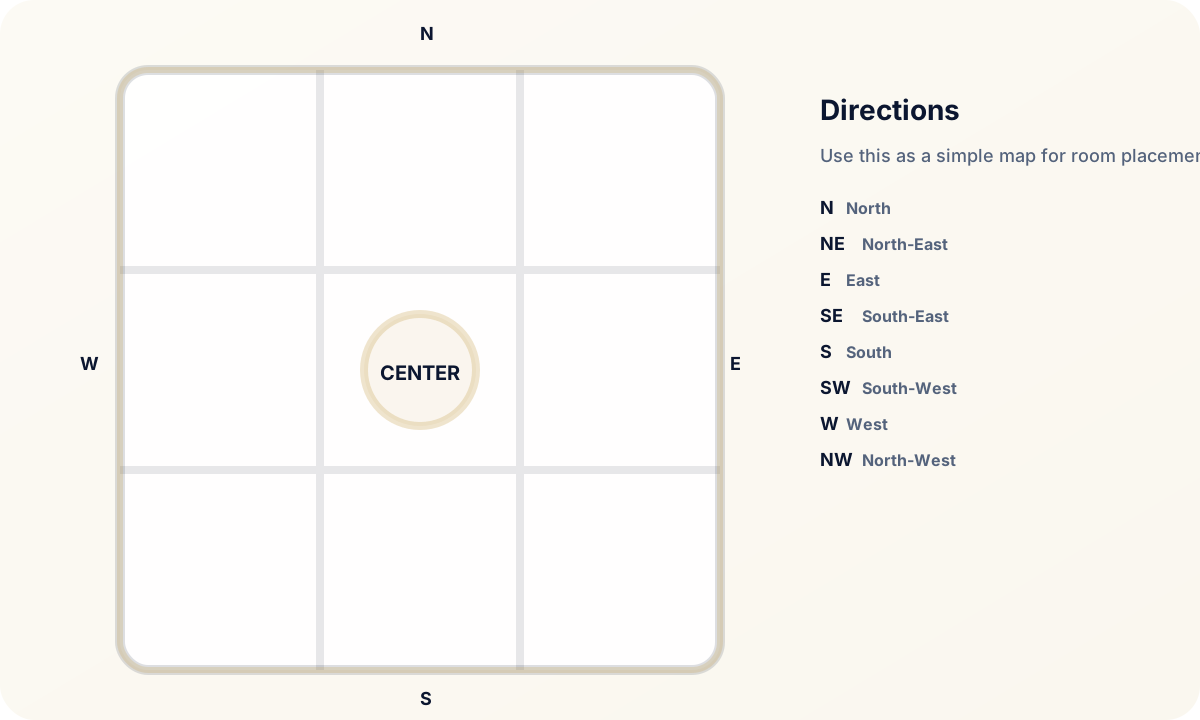
Independent house Vastu (what this page covers)
Independent houses give you the most flexibility. You can plan the gate, the entrance path, the staircase, and room placement in a way that supports daily comfort. This guide is educational only and written in a calm, practical style: use directions as a planning map, but always prioritize engineering, safety, ventilation, daylight, and maintenance.
If you’re renovating an existing house, you can still apply most steps—start with entry flow, ventilation, and clutter control today.
Step 1: confirm directions (don’t guess)
Before you plan rooms, confirm north and draw a simple direction grid over your site plan. Avoid taking compass readings next to metal gates, cars, or heavy wiring. If readings differ, step away and measure again. Once north is clear, you can plan room zones with confidence.
Tool shortcut: use the Direction Finder to learn directions and zones quickly.
Step 2: facing vs entrance vs room zones
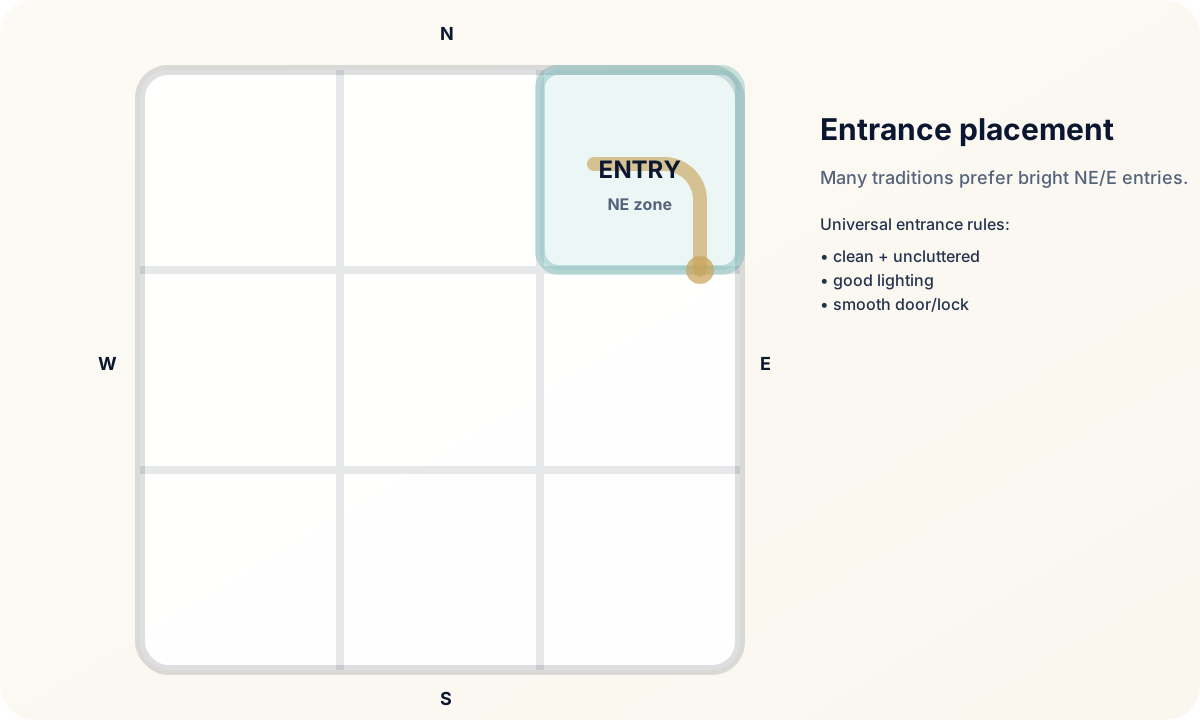
People often mix these ideas. Facing usually refers to the road/door side orientation. Entrance placement is the gate + main door path and where it lands in a zone. Room zones are where each room sits on the direction grid. A premium plan works when all three align: entry feels welcoming, rooms feel comfortable, and circulation is easy.
Facing (label)
A useful label for planning sunlight and entry—but not a shortcut to quality.
Entrance (experience)
Daily comfort: safe, bright, uncluttered, and easy to maintain.
Room zones (layout)
Where kitchen/bedrooms/toilets sit on the grid; used by many traditional rules.
Flow (premium factor)
Clear pathways and an open center make cleaning and living easier.
Entrance & gate planning (premium checklist)
The entrance is the most “felt” part of a home. A premium entrance feels calm: safe approach, comfortable walking path, controlled privacy, good lighting, and minimal clutter.
Keep the path clean
Avoid storing items on the entry path. A clean path improves daily mood.
Create a small buffer
If the door opens directly into the living room, use a foyer screen or seating layout for privacy.
Light the threshold
Warm lighting at the door is an instant premium upgrade (and safer at night).
Plan parking early
Ensure parking and gate swing do not block the main walking path or create daily friction.
Room zoning (common traditional recommendations)
Traditions vary, but many independent-house checklists share a similar zoning logic: keep clean/light zones uncluttered, place cooking thoughtfully, and place heavy/sleep zones in stable areas. Use these as a starting point.
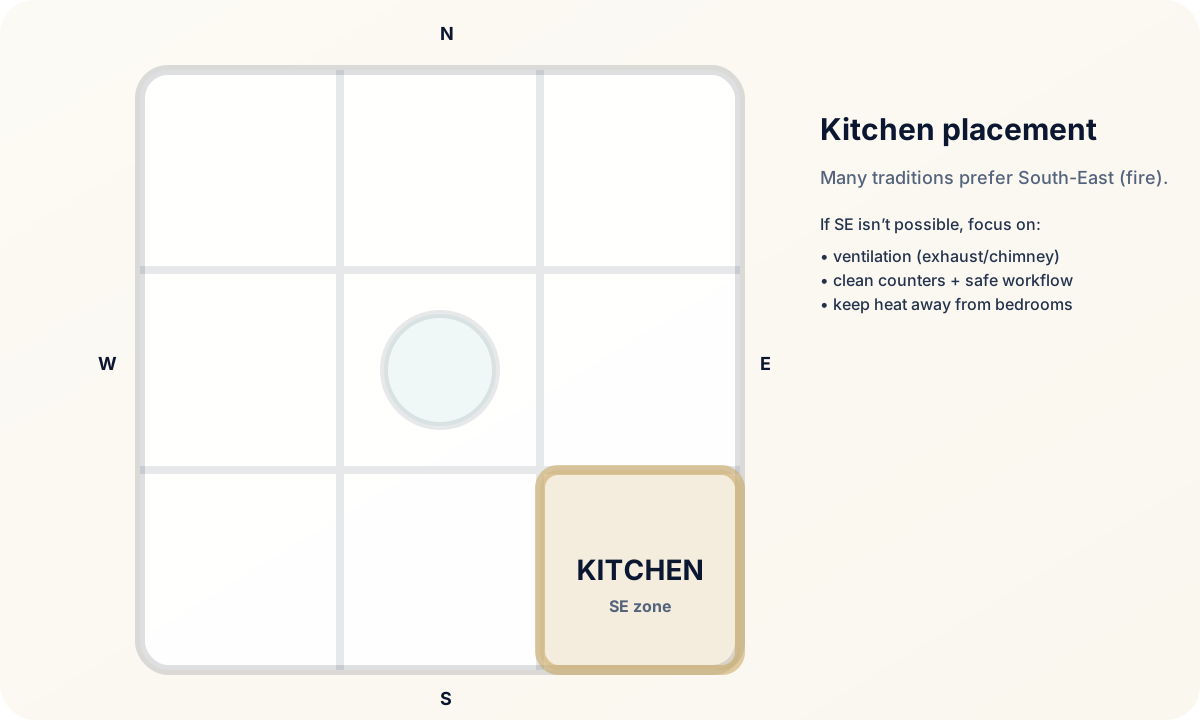
Kitchen planning (safety-first)
A premium independent house kitchen is designed for safe movement, clean storage, and strong ventilation. Direction is a planning preference; workflow is the real result.
Ventilation
Place exhaust and windows so cooking smell exits quickly. This matters more than any single rule.
Stove + sink logic
If possible, keep heat and water zones comfortably separated for safe workflow.
Storage discipline
Closed storage reduces visual stress and keeps the kitchen easier to clean.
Fire safety
Keep gas lines safe, avoid clutter near heat, and ensure electrical points are protected.
Read the detailed checklist: Kitchen Vastu.
Bedroom planning (sleep-first)
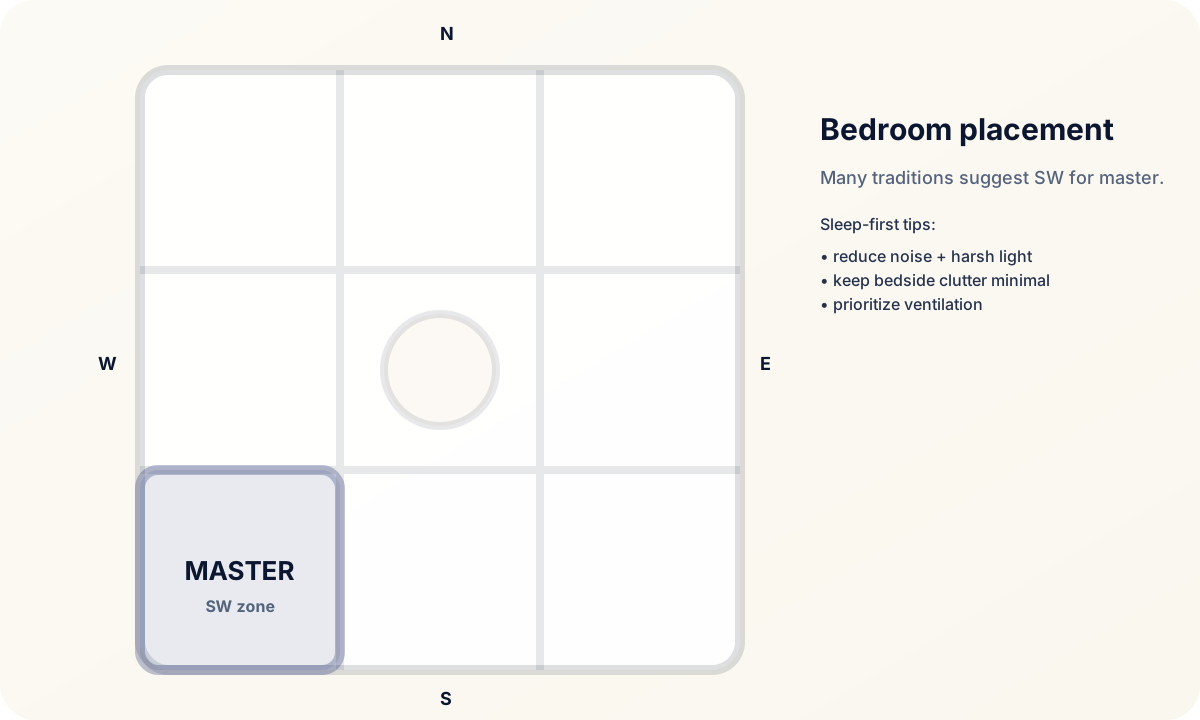
Independent houses often allow better sleep if bedrooms are planned away from noise and harsh heat. For Vastu, master bedroom placement is often discussed as a stability zone (commonly SW in many traditions). Practically, it should be quiet, well-ventilated, and easy to darken at night.
Noise control
Avoid bedrooms near noisy roads; plan buffers using setbacks, walls, and trees.
Light control
Use curtains and soft lighting. Sleep quality is the premium metric.
Bed placement
Solid headboard wall, comfortable clearance on sides, and uncluttered floor space.
Storage
Closed wardrobes reduce dust and visual load; avoid piling items under the bed.
Read the detailed checklist: Bedroom Vastu.
Toilets, stairs, and utilities (practical rules)
These areas cause the most worry because they are expensive to change. In an independent house, plan them early with hygiene and safety as the priority. If a traditional rule conflicts with building codes or engineering, choose code and safety first.
Toilets
Plan strong exhaust, dry floors, and leak-free plumbing. Avoid placing toilets where they create smell near entry.
Stairs
Keep stairs safe and well-lit; avoid storing clutter underneath to prevent damp smell.
Water elements
Place borewell/sump/septic by code and maintenance access. Prevent seepage near foundations.
Electrical + heat zones
Plan wiring cleanly; avoid overloaded points; ensure the kitchen has safe electrical layout.
Living room & family areas (comfort + flow)
In independent houses, the living room often sits near the entry and sets the daily “mood” of the home. Premium living spaces feel open and breathable: comfortable seating, clear circulation, and good lighting. Direction traditions often prefer bright zones for living, but your best guide is practicality: choose a place where the family naturally gathers and where the entry experience feels welcoming.
Seating placement
Give the main seating a solid wall backing and keep walking paths clear around it.
Center circulation
Keep the center open (easy movement + easy cleaning). Avoid bulky furniture in the main path.
Light and glare
Use layered lighting: ceiling + floor/table lamps. Control harsh sunlight with curtains.
Clutter control
Closed storage makes the living room feel premium. Avoid “open piles” near entry.
Read the detailed checklist: Living Room Vastu.
Pooja / meditation / study zone (keep it simple)
Many traditions prefer a clean, bright zone (often discussed as NE) for pooja or meditation. In independent houses, the best practical choice is a space that stays clean, quiet, and uncluttered. It does not have to be large. A premium pooja space is defined by routine and cleanliness, not decoration.
Keep it bright
Soft light and a clean shelf/cabinet often works better than a big room that gathers clutter.
Avoid mixing with storage
Don’t combine pooja with heavy storage. Clutter reduces the calm feeling.
Landscape, openness, and boundaries (often ignored)
Independent houses are not only “inside rooms.” The outside environment strongly affects how the home feels: noise, dust, privacy, and maintenance. A premium plan uses simple landscaping and boundary decisions to reduce stress: a clean entry garden strip, shade for harsh sun, and a comfortable buffer from the road.
Buffer from road
Use setbacks, a boundary wall, and greenery to reduce dust and noise. This improves daily comfort.
Shade and heat control
Trees, pergolas, and shading devices can make west/south sides more comfortable.
Rainwater exit plan
Ensure rainwater exits without creating dampness near foundations or conflicts with neighbors.
Privacy
Plan window placement and boundary height so living and bedrooms feel secure—especially on corner plots.
Budget-friendly premium upgrades
You don’t need expensive “Vastu items” to get results. Focus on upgrades that improve routine and maintenance.
Lighting plan
Warm entry light + layered living room lighting changes the feel instantly.
Ventilation upgrades
Strong kitchen and toilet exhaust is one of the best “remedies” you can buy.
Closed storage
Cabinets reduce visible clutter and make cleaning simpler—premium without showing off.
Leak prevention
Waterproofing and fast leak fixes prevent dampness, mold, and stress.
Common mistakes (and premium alternatives)
Mistake: ignore drainage
Alternative: plan slope and rainwater outlets early to avoid dampness and repairs.
Mistake: dark corridors
Alternative: add daylight openings and layered lighting; dark circulation feels heavy and unsafe.
Mistake: cluttered entry
Alternative: design storage properly (shoes, keys, bags) so the entry stays clean.
Mistake: treat remedies as a shortcut
Alternative: solve the practical problem first (ventilation, hygiene, safety), then add optional traditions.
Quick start: 7-day planning checklist
This is a calm way to start planning without getting lost.
Day 1 — Confirm directions
Fix north, map the plot and rooms to zones, and mark the entrance path.
Day 2 — Entrance + parking
Plan a safe approach, buffer, lighting, and comfortable parking flow.
Day 3 — Kitchen design
Place kitchen for workflow and ventilation; choose safe stove and storage layout.
Day 4 — Bedrooms
Place bedrooms for quiet sleep; plan windows and noise buffers.
Day 5 — Toilets + wet areas
Plan exhaust, waterproofing, and easy maintenance access.
Day 6 — Stairs + circulation
Keep pathways wide and simple; avoid blocked center circulation.
Day 7 — Review calmly
Review your plan calmly and finalize your top priorities.
Myths vs facts (independent house)
New builders often hear extreme statements online. Use these calm truths to stay grounded while planning.
Myth: facing guarantees success
Fact: layout, drainage, ventilation, and maintenance decide daily comfort far more than a label.
Myth: one “wrong” room ruins the home
Fact: you can design strong comfort fundamentals and reduce stress even if a few placements aren’t ideal.
Myth: remedies replace planning
Fact: planning wins. Fix practical issues first; keep optional traditions minimal and uncluttered.
Myth: “premium” means expensive
Fact: premium is ease: clean entry, good light, strong airflow, safe kitchen, quiet sleep.
Optional: 30-day planning checklist
If you’re planning a new build, use a longer checklist so decisions feel calm. Week-by-week planning helps you avoid rushed choices and prevents expensive corrections later.
Week 1 — Plot + entry
Confirm directions, design gate + entry path + parking, and plan privacy buffers.
Week 2 — Kitchen + wet areas
Finalize kitchen workflow, exhaust placement, waterproofing, and toilet ventilation.
Week 3 — Bedrooms + noise
Place bedrooms for sleep, control light/noise, and plan windows for airflow.
Week 4 — Circulation + review
Open walkways, avoid blocked center flow, and review what actually improved daily comfort.
Mini glossary (independent house)
Setback
Mandatory boundary space; affects daylight, ventilation, and parking flow.
Entry buffer
A small foyer/space that improves privacy and reduces “collision” entry.
Drainage
Rainwater exit plan; prevents dampness and future repairs.
Zone map
NE/SE/SW/NW grid used for room zoning and direction rules.
Circulation
The walking paths of the home. Premium plans keep circulation wide, clear, and easy to clean.
Waterproofing
Critical for toilets and terraces. Poor waterproofing creates dampness and long-term stress.
Ventilation
Cross-ventilation and exhaust planning. Strong ventilation improves comfort regardless of direction labels.
Maintenance access
Easy access for repairs (plumbing, sump, septic, electrical). Premium homes plan this early.
A simple rule: if a design choice makes cleaning or repairs harder, it will feel “heavy” over time. Choose the plan that is easiest to maintain.
Frequently asked questions (independent house)
Entrance flow + room zoning + ventilation. A bright, uncluttered entry and a safe kitchen with good airflow usually creates the biggest comfort upgrade. If drainage is weak, fix it early—it affects the entire home.
Prioritize safety and ventilation. Place the stove where cooking is comfortable and airflow is strong. Good design and maintenance matter more than a perfect zone label.
Yes. A premium entrance is one continuous experience: gate → path → door → foyer. Planning them together prevents awkward parking and blocked circulation.
Usually not. If your plan is comfortable and easy to maintain, simple routines (clean entry, good lighting, ventilation) are enough. If you prefer traditional practices, keep them minimal and uncluttered.
Choose plumbing reality over stress. Prioritize waterproofing, strong exhaust, bright lighting, and leak-free maintenance. If a traditional rule conflicts with practical plumbing, treat it as optional and focus on hygiene.
Control afternoon heat with shading, curtains, ventilation, and reflective treatments if needed. Comfort strategies usually matter more than changing layouts. If the room is a bedroom, prioritize cooling and sleep-friendly darkness.
Start with the entrance + circulation, then kitchen, then bedrooms. These decisions determine daily routine and are hard to change later. After that, plan toilets and utilities for maintenance access.
Not for beginner planning. Start with a reliable north and map the home into broad zones (NE/SE/SW/NW). Exact degrees vary by tradition and can cause unnecessary stress. Premium planning is about clarity and comfort—if the layout is bright, ventilated, safe, and easy to maintain, you’re already doing the most important work.
If you focus on fundamentals, you feel improvements quickly. Entry lighting and clutter control can feel better immediately. Better kitchen ventilation and wet-area hygiene usually feels better within a week. Sleep improvements often take 1–2 weeks. If the home still feels uncomfortable, check practical causes like dampness, heat, or noise and address them directly.
Treat them as practical zones. Terraces should drain well and avoid water stagnation. Basements must be waterproofed and ventilated properly (or they will create damp smell and maintenance problems). If you have multiple floors, keep the basic logic consistent: safe entry flow, a hygienic kitchen, and bedrooms planned for quiet sleep.
Recommended next
If you’re actively planning a build, read Direction Vastu first, then validate your draft plan by checking circulation, ventilation, light, and maintenance, and only then go deep into room pages. This order keeps planning calm and prevents last-minute redesign stress.
- Read: Direction Vastu (zone map and entrance logic).
- Go room-wise: Room-wise Vastu (checklists).
Remedies (no demolition)
If your layout is already comfortable, remedies should stay simple. Avoid adding items that create clutter or maintenance. The best “remedies” in a new independent house are consistent routines: clean entry, good ventilation, dry wet areas, and uncluttered circulation. Use direction-based traditions only as gentle refinement after these fundamentals are stable.