
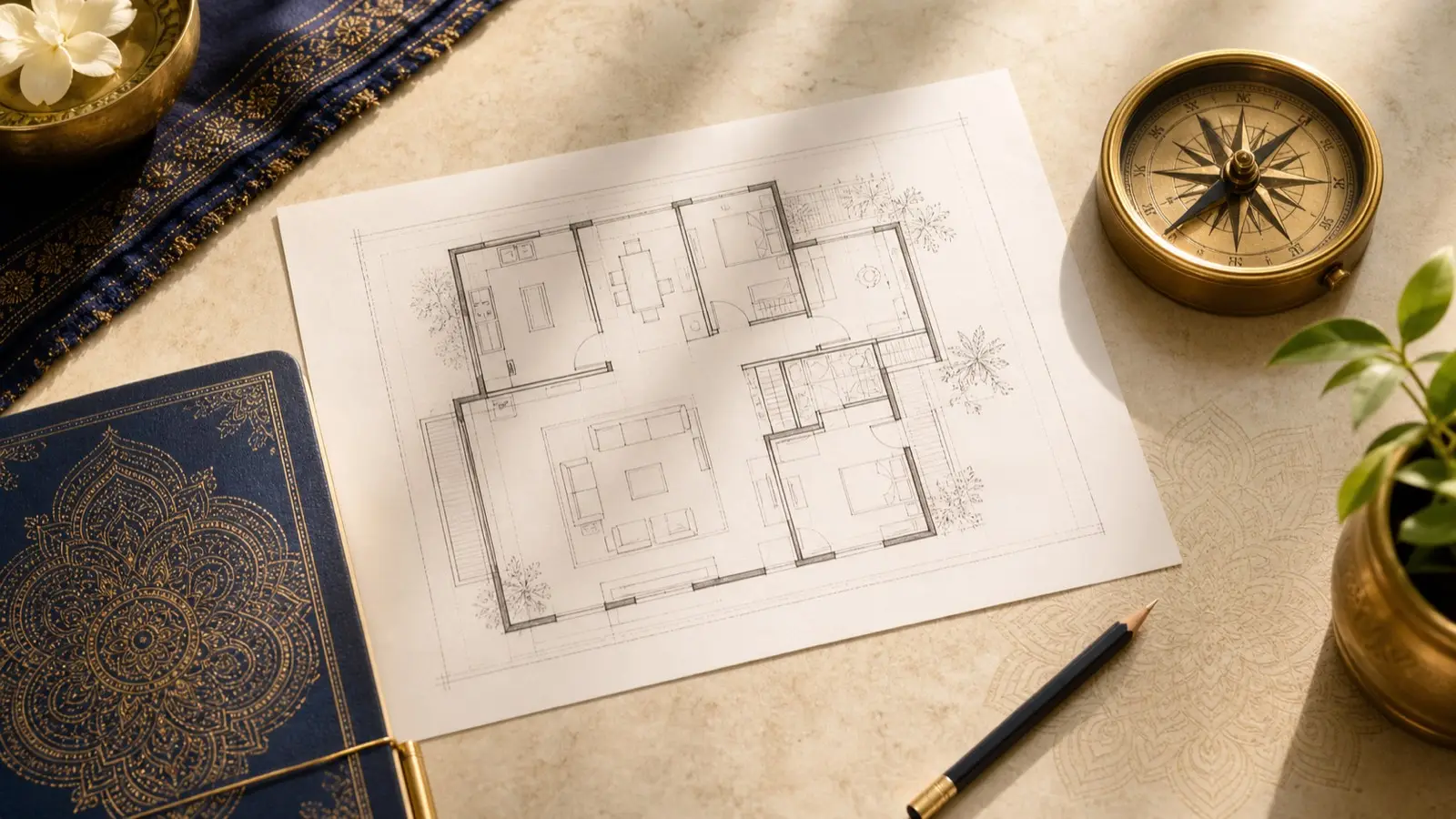
Apartment / Flat Vastu (the premium way)
Flats have constraints: you can’t move structural walls, plumbing shafts, or shared services. That’s why the premium approach is no-demolition and comfort-first. Use Vastu directions as a planning map, then apply changes you can actually maintain: lighting, airflow, decluttering, and furniture layout.
Once those basics are stable, you can refine room zones and decor calmly, without overthinking over time.
Step 1: measure directions (keep it simple)
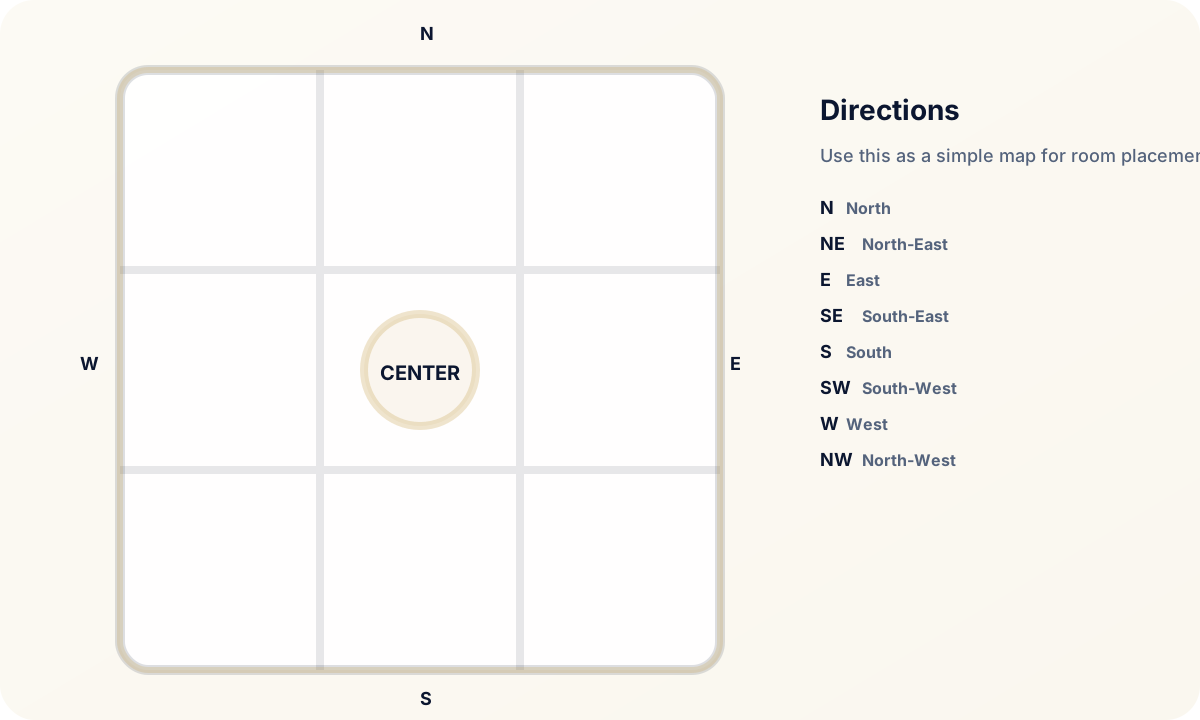
You don’t need perfect degrees. Identify north reliably and map your rooms to zones. Avoid measuring next to metal grills and elevators. Take two readings in different spots and confirm. Then mark where the entry, kitchen, bedrooms, and toilets sit on the grid.
Tool shortcut: use the Direction Finder to learn directions quickly.
What you can change vs what you can’t
Knowing this prevents stress and wasted money.
Usually changeable
- Furniture layout and seating flow
- Lighting quality (warm layers)
- Ventilation habits and exhaust fan upgrades
- Decluttering and closed storage systems
- Color tones (paint, curtains)
Usually fixed
- Toilet and plumbing shaft locations
- Main structural walls and columns
- Balcony position and window sizes
- Building entrance orientation
- Neighbor noise patterns
The premium approach is to improve what is changeable, and reduce stress about what is fixed. Most results come from daily comfort upgrades.
Entrance checklist (the highest-impact apartment fix)
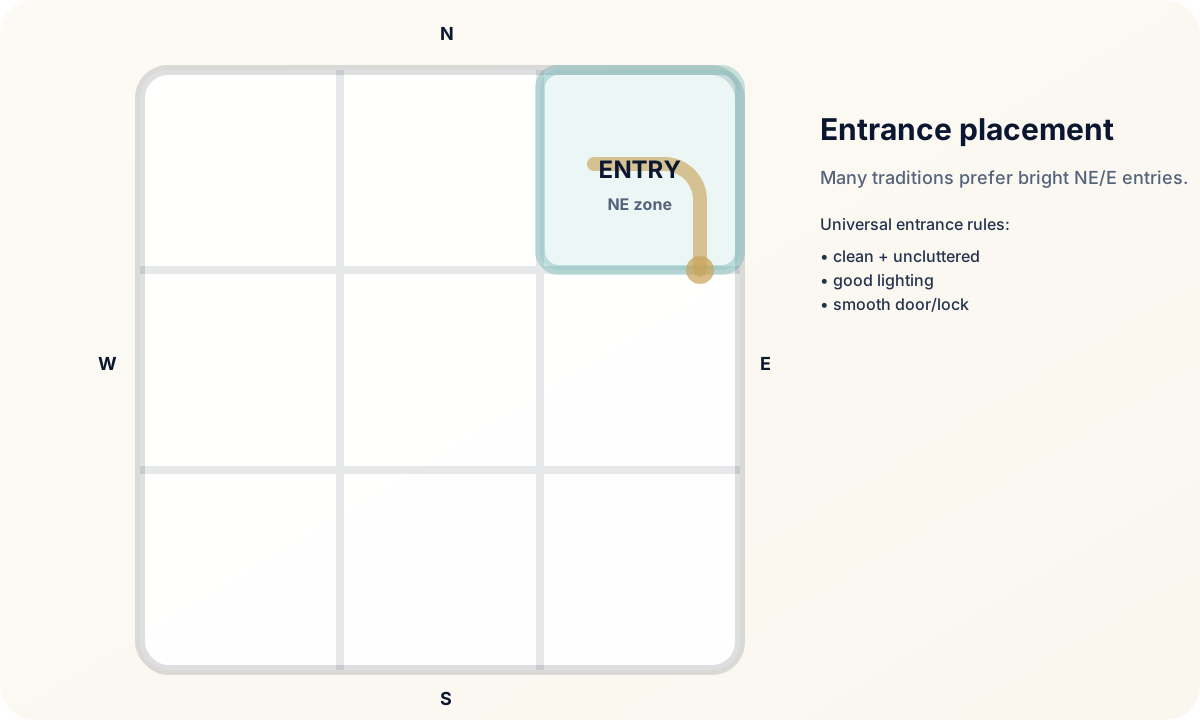
Even in a small flat, the entrance is a daily “reset point.” A clean entry makes the whole home feel lighter.
Bright and welcoming
Warm light at the door and a clean threshold improves the feel instantly.
Shoe/clutter system
Use closed storage or baskets so the entry stays visually calm.
Clear walking path
Avoid obstacles. If the door opens into a wall, use a small buffer (console table or screen).
Smell control
If entry smells stale, improve ventilation first. Air quality is the best “remedy.”
Kitchen Vastu in apartments (fire + hygiene)
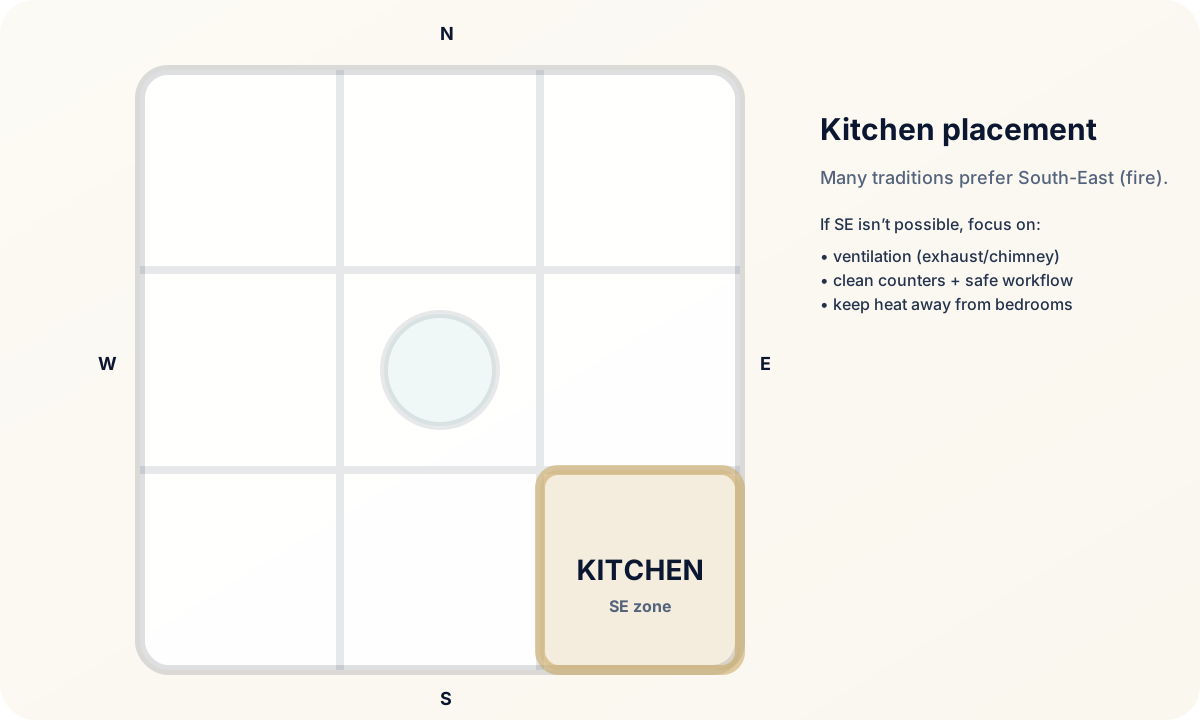
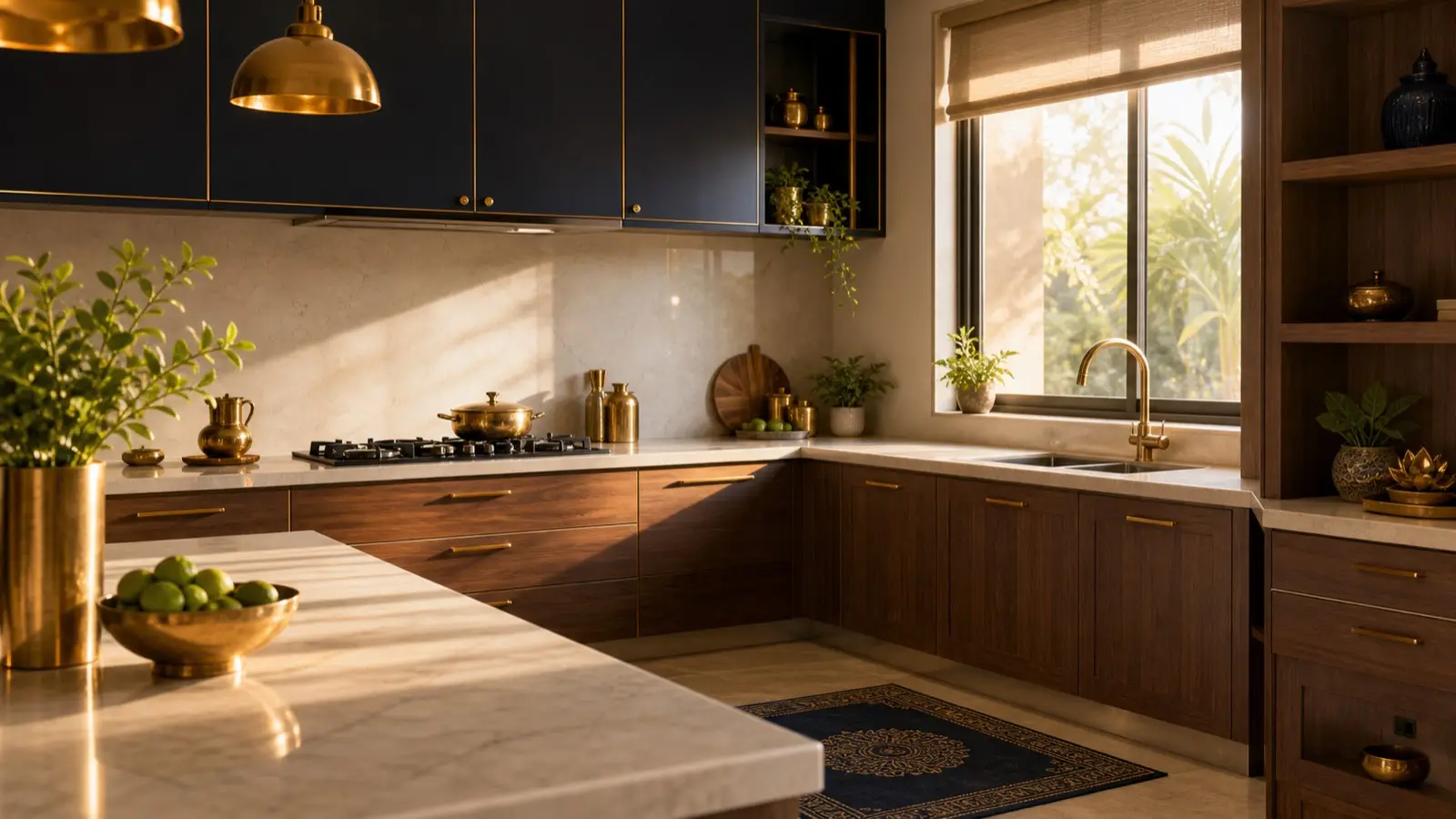
Many traditions recommend the South-East for kitchen. But in apartments, the kitchen may be fixed. Use direction guidance gently and prioritize safety and hygiene: strong exhaust, clear workflow, and clean storage.

Exhaust matters most
Upgrade the exhaust fan if smell lingers. Clean filters regularly.
Separate heat and water
If possible, keep stove and sink spaced apart to reduce stress in workflow.
Keep countertops clear
Less clutter means easier cleaning and calmer feel.
Fix leaks quickly
Dampness creates smell and discomfort—solve it directly.
Read the detailed checklist: Kitchen Vastu.
Bedroom Vastu in apartments (sleep-first)
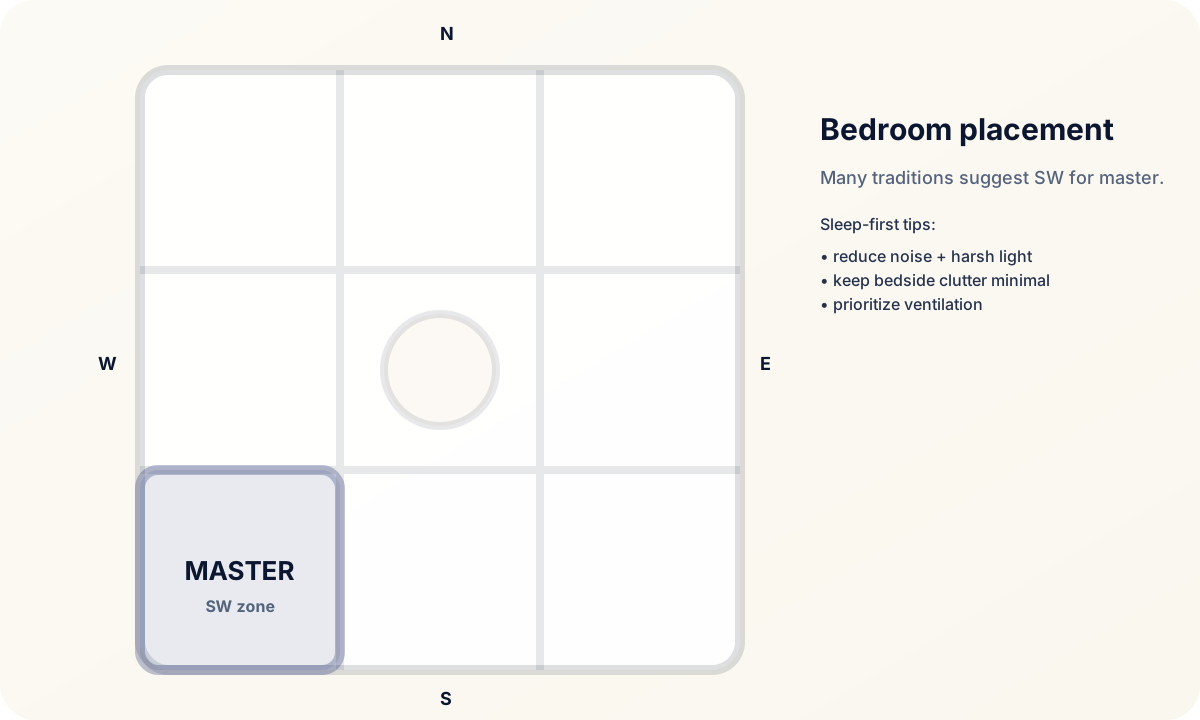
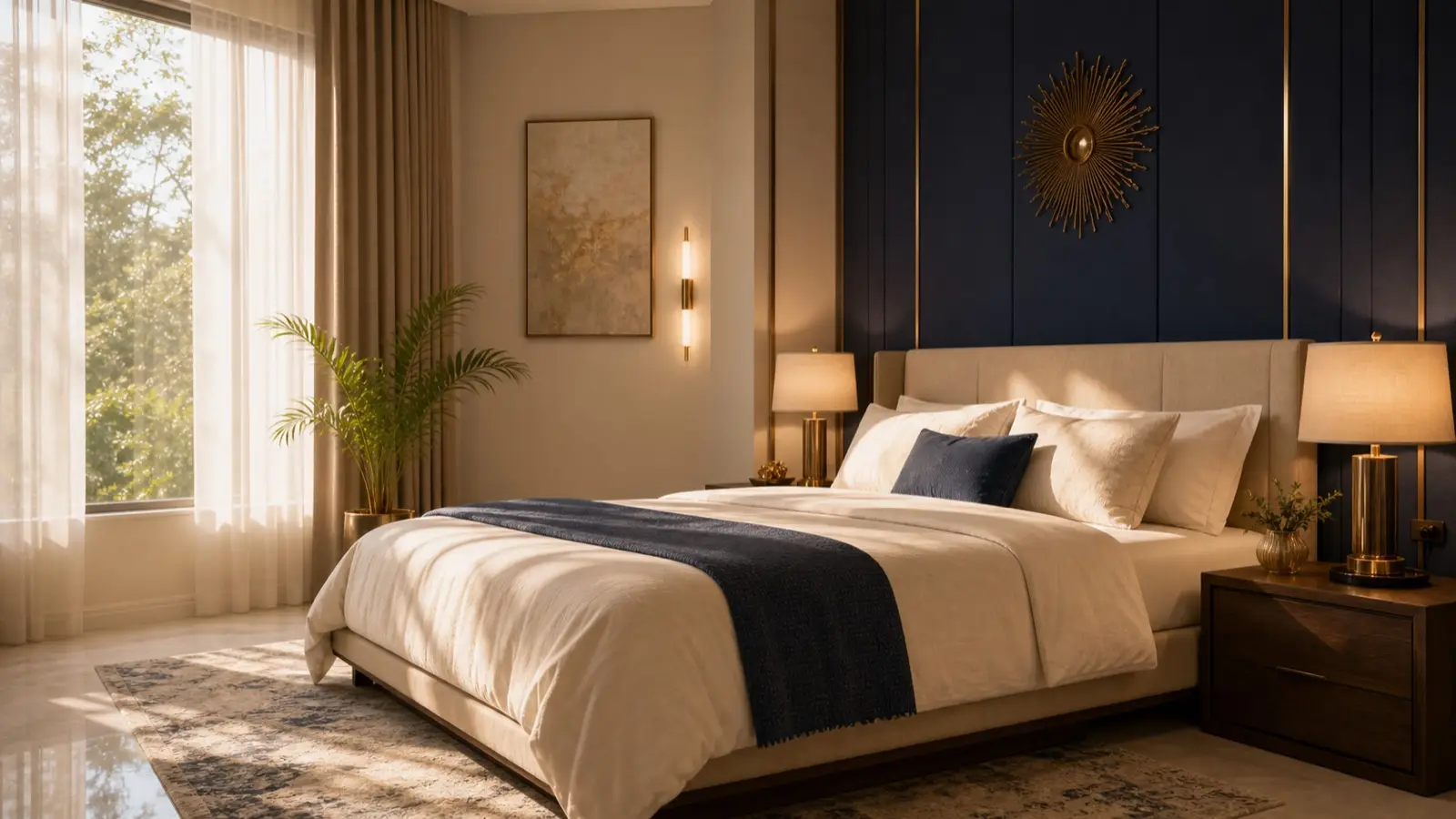
Many traditions suggest the master bedroom in a stable zone (commonly discussed as SW). In apartments, bedrooms are fixed. The premium approach is to improve sleep quality: light control at night, noise reduction, and clutter reduction.
Light control
Blackout curtains and warm bedside lamps improve sleep quality.
Noise control
Use door seals, rugs, and routine. Choose the quietest room for the master if you have a choice.
Bed placement
Solid headboard wall and comfortable clearance on both sides if possible.
Clutter reduction
Visible clutter increases mental load. Closed storage feels premium.
Read the detailed checklist: Bedroom Vastu.
Toilets, balcony, and airflow (practical Vastu)
Apartment comfort is often decided by airflow and wet-area hygiene. If toilets smell or floors stay damp, the home feels heavy regardless of direction preferences. Treat these areas as “must fix.”
Toilet ventilation
Use strong exhaust and keep floors dry. Fix leaks immediately.
Balcony airflow
Don’t block balcony windows with storage. Cross-vent is a premium feature.
Sun/heat control
Use curtains/shading to manage harsh heat (especially west side).
Center flow
Clear walkways and keep the center open for easy movement and cleaning.
Living room Vastu in apartments (flow + comfort)
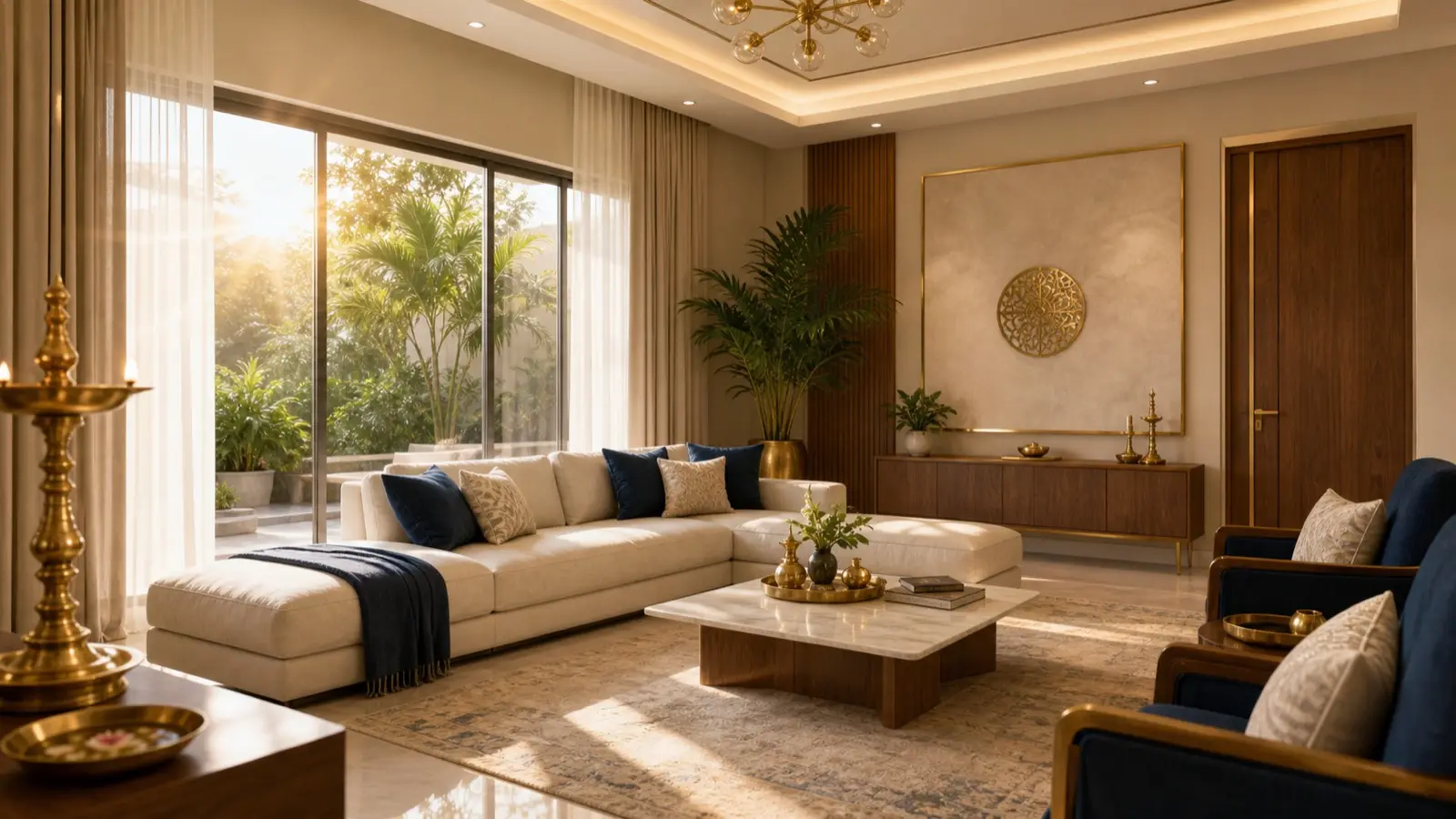
In flats, the living room often does many jobs: family time, guests, sometimes even work. Direction traditions may suggest certain zones for living, but the premium approach is universal: make circulation clear, give seating a comfortable “back,” and keep the entry-to-living transition smooth. If the living room feels cramped, the whole home feels cramped.
Seating layout
Avoid blocking the main path. Keep a comfortable walking loop around seating.
TV placement
Avoid glare from windows; use curtains and lighting layers to reduce eye strain.
Guest comfort
A clean, bright living space feels welcoming—this is the “energy” people notice.
Clutter discipline
Closed storage beats open piles. Less visible clutter makes the home feel larger.
Read the detailed checklist: Living Room Vastu.
Work-from-home / study setup (direction + focus)
Many people care about Vastu most for focus and productivity. In practice, focus comes from daylight comfort, low distraction, and ergonomics. If possible, place your desk where you get soft daylight without screen glare. Keep your work zone uncluttered and separate from sleep areas. The direction map can guide placement, but the real result is a consistent routine.
Daylight without glare
Position the desk so daylight comes from the side. Use curtains to reduce harsh brightness.
Back support
A solid wall behind you often feels more secure and helps posture and concentration.
Noise discipline
Use rugs and soft furnishings to reduce echo. Choose the quietest corner available.
Declutter rule
Clear your desk daily. Visual noise reduces focus more than any direction debate.
Colors and decor (simple, premium)
Colors matter because they change how space feels. Instead of strict rules, use a calm approach: choose light neutrals for brightness and cleanliness, then add one or two accent colors. In small apartments, heavy dark colors can make the space feel smaller if daylight is limited.
Entry + living
Warm neutrals with soft lighting create a welcoming first impression.
Bedroom
Muted tones support sleep. Keep the room darker at night for better rest.
Kitchen
Bright, clean colors reduce visual stress. Prioritize washable finishes.
Avoid visual overload
Too many strong colors and patterns feels restless. Premium homes feel calm.
Common apartment mistakes (and quick fixes)
Most “bad Vastu” complaints in flats are actually comfort issues: stale air, damp bathrooms, clutter, and harsh light. Fixing these creates the biggest improvement with minimal cost.
Mistake: blocked ventilation
Fix: don’t block balcony/windows; keep exhaust fans strong and clean.
Mistake: dark corners
Fix: add layered lighting (warm LEDs) and reflective surfaces thoughtfully.
Mistake: cluttered entry
Fix: closed shoe storage + hooks + a daily 60-second reset habit.
Mistake: damp toilets
Fix: exhaust + dry floors + leak repair. Hygiene beats remedies.
If you are buying a flat (simple evaluation checklist)
If you are choosing between apartments, use a calm, practical evaluation. Many people ask “Which facing is best?” A premium approach is: pick a flat that supports your routine. Daylight, ventilation, and noise matter every single day. Direction labels are helpful, but only after comfort fundamentals are satisfied. Use the Apartment Vastu Checklist to compare flats room by room.
1) Ventilation reality
Does the flat get fresh air? Is the balcony usable and not blocked by walls close by?
2) Daylight comfort
Is there enough daylight without harsh heat? Can you control glare with curtains?
3) Wet area hygiene
Are toilets/kitchen dry and well ventilated? Any damp smell is a long-term stress signal.
4) Noise and privacy
Is the bedroom away from lift/garbage chute/road noise? Privacy improves sleep and peace.
Once these are good, use direction zoning as a refinement layer: map the entrance, kitchen, and bedrooms on the grid and ensure your most important room (sleep or cooking) is not compromised. If you want to compare two flats quickly, run the same checklist and choose the one with fewer compromises.
Myths vs facts (apartments)
Myth: apartments can’t follow Vastu
Fact: room-wise checklists and comfort upgrades work extremely well in apartments.
Myth: one zone decides everything
Fact: ventilation, hygiene, and clutter control decide daily comfort more than labels.
Myth: remedies replace fixes
Fact: fix dampness and airflow problems first; then add optional traditions minimally.
Myth: it must be expensive
Fact: lighting and ventilation upgrades are often the highest ROI improvements.
Quick start: 7-day apartment plan
Use this to feel a difference fast without rebuilding anything.
Day 1 — Map zones
Confirm north and map rooms to zones; note your top 3 discomfort points.
Day 2 — Entry reset
Declutter the entry and add warm lighting; create a shoe/storage system.
Day 3 — Kitchen airflow
Improve exhaust; clear counters; fix leaks; simplify storage.
Day 4 — Bedroom sleep
Add curtains; reduce clutter; make lighting calm; reduce noise.
Day 5 — Toilets
Dry floors, strong exhaust, and leak check. Hygiene matters most.
Day 6 — Living room flow
Fix seating flow and clear walkways. Add layered lighting.
Day 7 — Review
Review your notes and choose 3 monthly habits to repeat.
Optional: 30-day apartment plan
If you want the home to feel consistently calmer (not just “clean today”), use a longer plan. It’s designed for flats: small improvements that are easy to repeat. Premium results come from habits.
Week 1 — Entry + flow
Create an entry system, declutter walkways, and fix lighting in dark corners.
Week 2 — Kitchen + wet areas
Upgrade exhaust, simplify storage, fix leaks, and keep floors dry.
Week 3 — Bedroom + sleep
Curtains, calm lighting, clutter reset, and a consistent sleep routine.
Week 4 — Review + refine
Pick 3 upgrades to repeat monthly, and keep it simple.
Mini glossary (apartments)
No-demolition
Changes that don’t modify walls: light, airflow, declutter, furniture placement, routines.
Zone map
NE/SE/SW/NW zones used for planning preferences. Helpful but not fear-based.
Airflow
Cross-ventilation and exhaust planning—often the biggest comfort driver in flats.
Entry system
Storage + lighting routine at the door to keep entry clean and welcoming.
Cross-ventilation
Air movement between two openings (window/balcony). Helps smell and heat control.
Declutter reset
A daily 60-second habit to prevent the home from feeling heavy over time.
If you want a simple guideline: prioritize what you touch daily (entry, kitchen, bedroom). Improvements here feel premium immediately.
Frequently asked questions (apartments)
Yes. Use direction guidance as a preference, then prioritize ventilation, safe workflow, and cleanliness. Apartment Vastu is mostly about routines and practical upgrades—not rebuilding.
Entry declutter + warm lighting, plus kitchen/toilet ventilation. These fixes often create immediate “feel” improvements with minimal cost.
Not for comfort. Start with ventilation, hygiene, and clutter control. If you enjoy traditional add-ons, keep them minimal and avoid creating new clutter.
Most flats have fixed plumbing. Use the premium approach: strong exhaust, dry floors, bright lighting, and quick leak repair. If the toilet smells or stays damp, fix that first—hygiene improvements matter more than labels.
Entry declutter and lighting can feel better on day 1. Kitchen ventilation and wet-area hygiene often feels better within a week. Sleep improvements usually take 1–2 weeks. If nothing improves, the issue is practical (noise, dampness, poor ventilation design) and needs direct fixes.
Not automatically. Comfort depends on heat control, daylight, airflow, and bedroom placement. Use shading and ventilation to manage harsh sun, and prioritize sleep quality and hygiene.
Use a practical rule: avoid mirrors that reflect clutter, harsh glare, or disturb sleep. Use mirrors to improve light and spaciousness thoughtfully, especially in narrow corridors. If a mirror makes the home feel restless, move it—comfort is the best guide.
Many traditions prefer a clean, bright zone (often discussed as NE). If your flat doesn’t allow that, choose the cleanest, calmest corner available, keep it uncluttered, and use soft lighting. Routine and cleanliness matter more than exact placement.
Plants can improve mood and air freshness, but keep it premium: choose easy-care plants, avoid blocking light/ventilation paths, and prevent damp soil smell. If a plant creates mess or mosquitoes, it’s not helping—comfort and hygiene come first.
For most flats, a calm checklist is enough. Start with directions, entry flow, kitchen ventilation, toilet hygiene, and bedroom sleep quality. If you are doing major renovation, professional help can be useful—but prioritize architect/engineer guidance first.
Remedies (no demolition)
Apartment Vastu summary checklist (fast scan)
If you want a premium outcome, repeat these basics monthly.
Entry
Warm light + closed shoe storage + clear walking path.
Kitchen
Strong exhaust + clean counters + leak-free sink area.
Bedroom
Better sleep: curtains, calm lighting, low clutter, reduced noise.
Toilets
Dry floors + strong exhaust + quick leak repair.
Living room
Clear circulation + layered lighting + controlled glare.
Airflow
Don’t block windows/balcony; open ventilation daily.
These checklist items are intentionally simple because they work across all facings and all apartment layouts. If you do them consistently, most “Vastu anxiety” reduces naturally. Keep the home breathable and uncluttered, and direction rules become a calm bonus instead of pressure.
Recommended next
- Room checklists: Room-wise Vastu.
- Direction clarity: Direction Vastu.
- Tool: Direction Finder.
If you keep one habit, keep this: fix the practical problem you can see and feel (air, light, hygiene, clutter) before you worry about any label. That approach makes apartment Vastu feel premium because it’s measurable: the home becomes easier to breathe in, easier to clean, and calmer to sleep in. Once those basics are stable, directions can be used as a gentle refinement layer—without stress.