

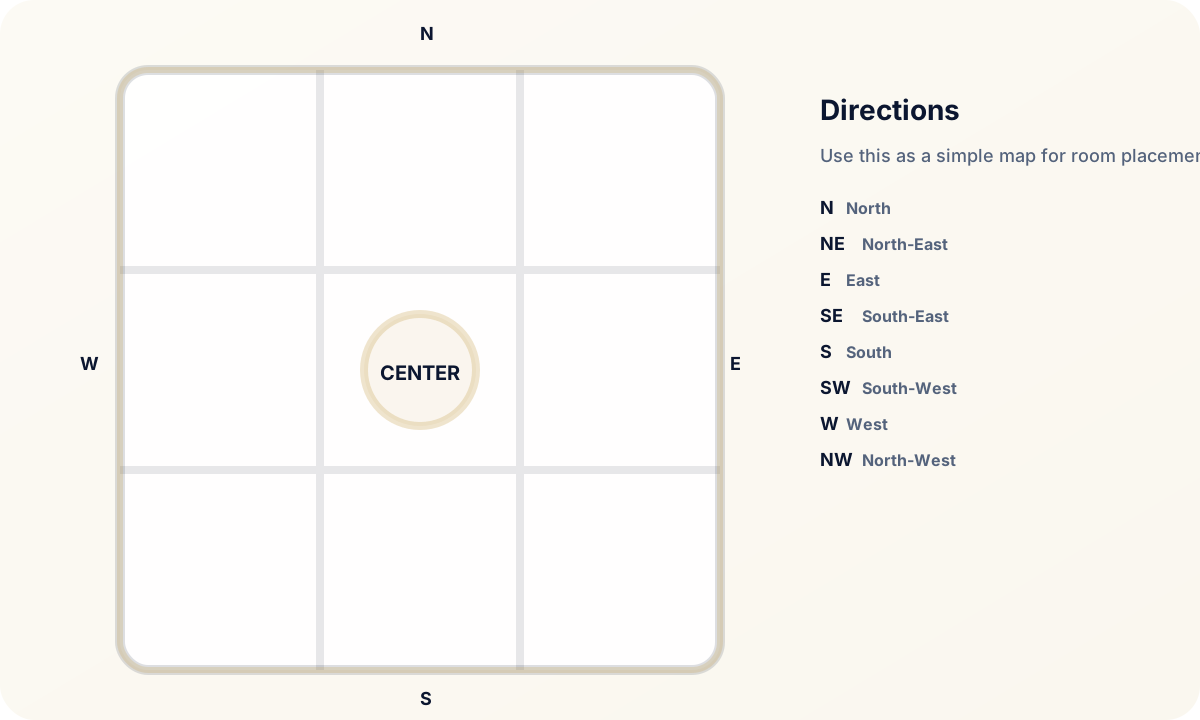
What “Direction Vastu” actually means
Direction Vastu is the part of Vastu Shastra that uses cardinal directions (north, south, east, west) and zones (north-east, south-east, south-west, north-west) to guide decisions like: where should the main door be, where should the kitchen go, what zone is better for the master bedroom, and how do you keep the center of the home open and easy to move through.
A premium approach is simple: directions are a map, not a fear tool. You still prioritize light, airflow, hygiene, quiet sleep, and daily convenience. When a direction rule conflicts with engineering, safety, or comfort, choose safety and comfort first.
Start with tools (fast clarity)

Facing vs direction vs entrance (common confusion)
People often mix three different ideas:
Facing
Usually the direction your plot/house “faces” based on the road side or main door side.
Directions inside the home
Where rooms sit on the compass grid (NE/SE/SW/NW and center).
Entrance placement
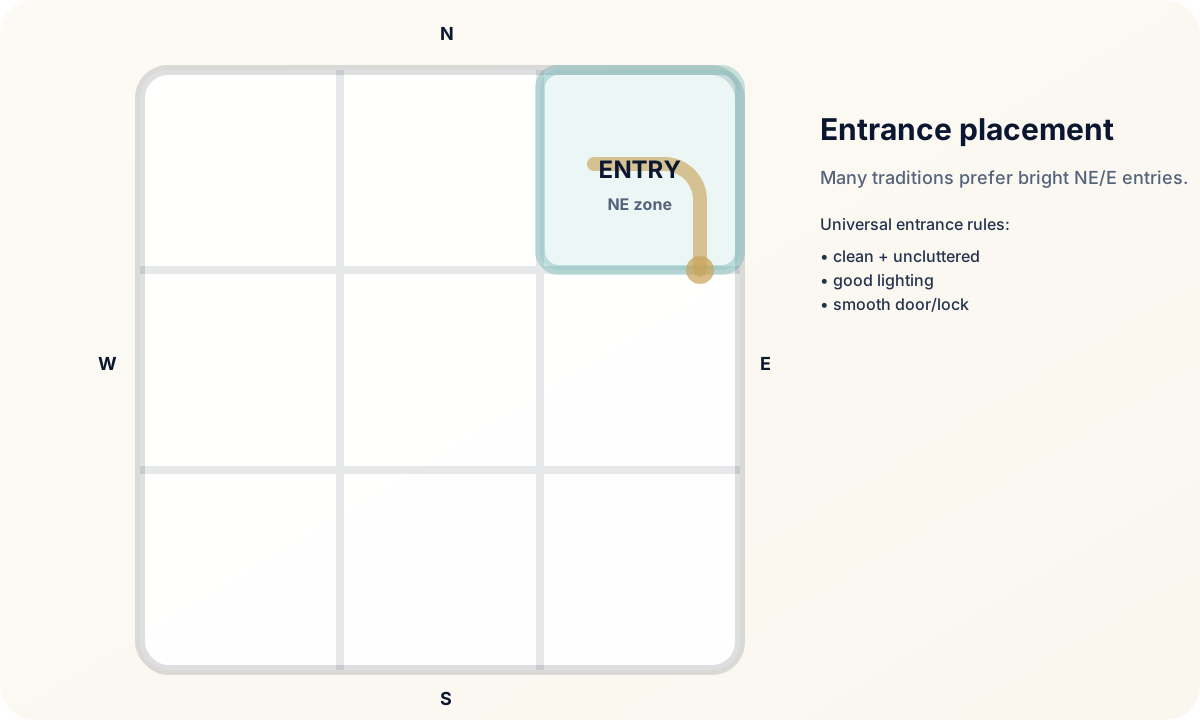
Where the gate path + main door land within a zone (for example, a bright NE area).
Room logic
How you place fire/water/heavy-use rooms so daily life feels smooth and safe.
Direction Vastu becomes premium when you treat it like architecture: you map zones, then you choose layouts that improve comfort and maintenance.
How to measure directions (simple and reliable)
Measurement is where most mistakes happen. If the measurement is wrong, every “rule” feels wrong too. Use these calm steps:
Step 1 — Stand in the open
Avoid metal grills, cars, elevators, and heavy wiring. These can affect compass readings.
Step 2 — Confirm north twice
Take two readings in different spots. If they disagree strongly, step away and re-check.
Step 3 — Use the main door line
For most homes, use the main door/gate path to decide facing and entry zone.
Step 4 — Map rooms to zones
Once north is fixed, place your rooms on the compass grid (NE/SE/SW/NW). Then plan improvements.
Direction zones (quick meaning map)
Traditions vary, but many schools use a simple idea: keep the entry/clean zones bright, place fire-use rooms thoughtfully, and keep heavy rooms stable. Use this table as a friendly reference—not as a strict rulebook.
North-East (NE)
Often treated as a light, fresh zone. Keep uncluttered; good for entry, pooja, study, or open space where possible.
South-East (SE)
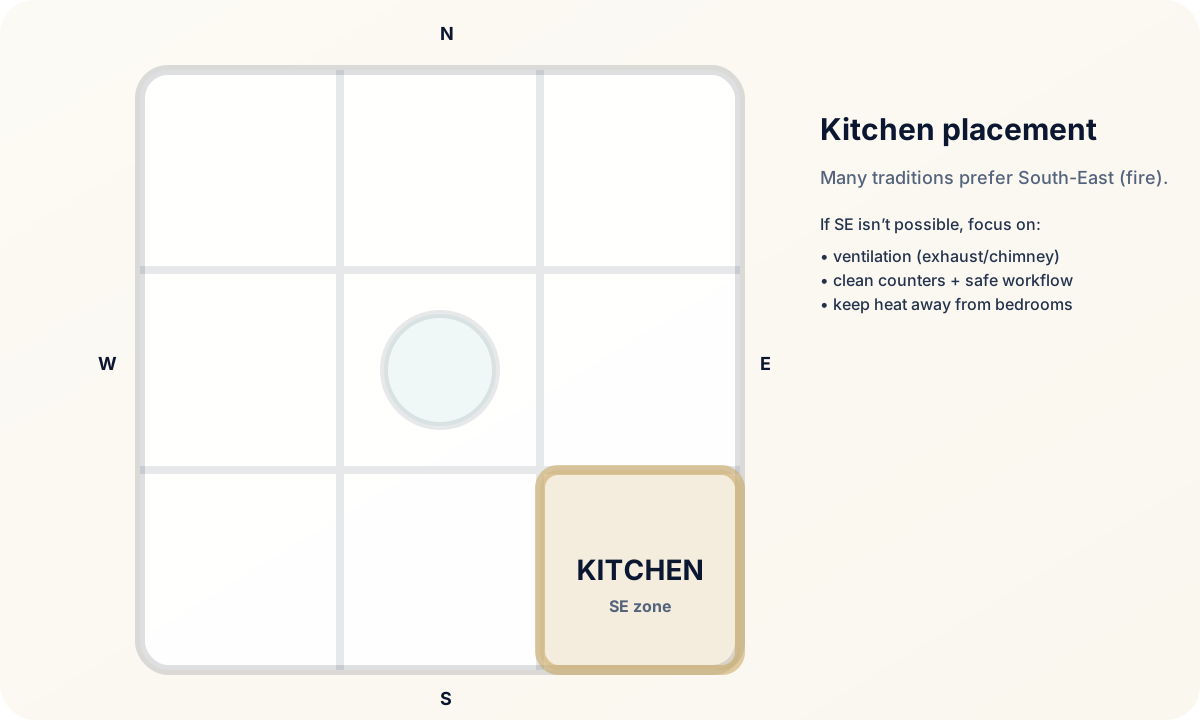
Commonly linked with the fire element. Many traditions recommend SE for kitchen or cooking activities.
South-West (SW)
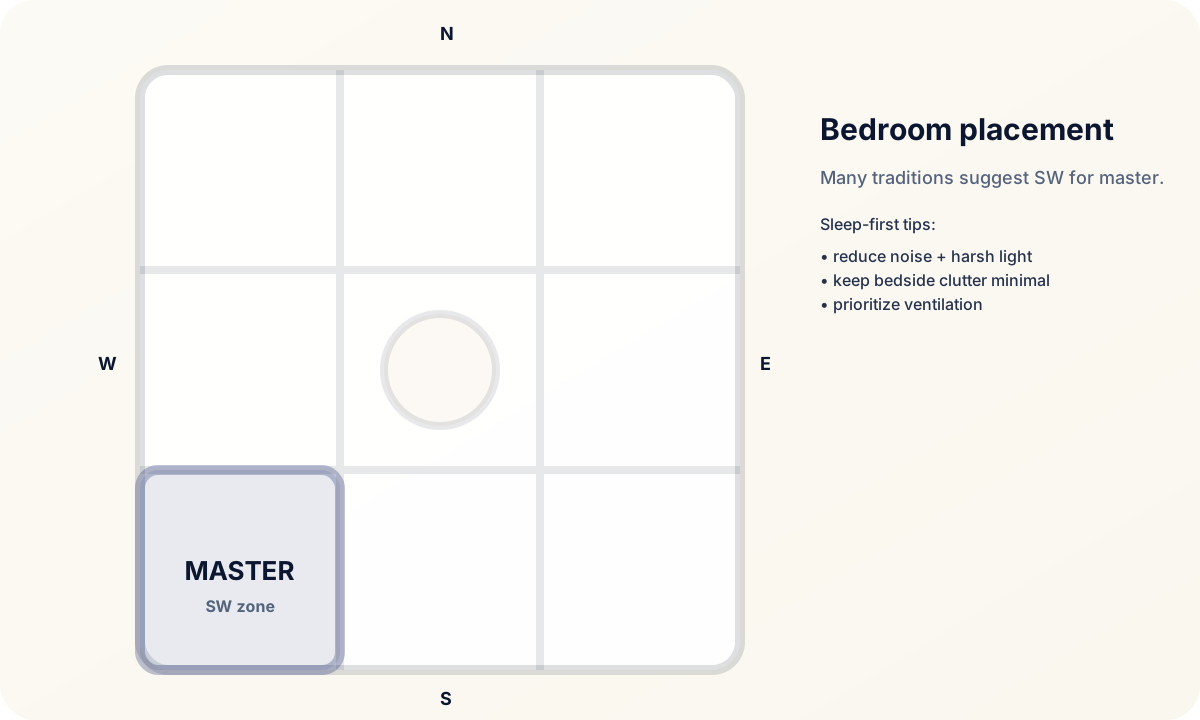
Often treated as a stable/heavy zone. Common pick for master bedroom or storage-heavy rooms.
North-West (NW)
Often linked with movement/air. Can work for guest rooms, utilities, or flexible spaces (depends on plan).
If your plan doesn’t match these zones perfectly, don’t panic. Use the zone map to understand tradeoffs, then improve the basics: ventilation, cleanliness, and daily flow. Premium Vastu is calm, repeatable, and practical. Small upgrades compound over time, consistently.
Room placement diagrams (easy to understand)
Direction rules feel premium when you can visualize them. These diagrams show common traditional recommendations on a simple square plan.
Main door direction: premium basics
The “main door rule” is often misunderstood. A premium interpretation focuses on what an entry should do: feel safe, bright, and welcoming; allow a smooth path to living areas; and avoid immediate clutter, sharp obstacles, or poor ventilation.
Keep it bright and clear
Good light, clean threshold, and clear walking path feel calm from day 1.
Avoid “collision” entry
If the door opens into a wall or clutter, daily movement feels blocked. Create space or a small foyer buffer.
Ventilate the entry zone
Airflow near the entrance reduces damp smell and makes the home feel fresher.
Make the path welcoming
A simple doormat, warm light, and uncluttered shoe storage improves the “first impression” daily.
Entrance placement checklist (easy, no fear)
Many Vastu lists talk about “best door directions,” but premium results usually come from entry quality rather than a rigid angle. Use this checklist to evaluate any entrance—apartment or independent house.
Door → living flow
The walking path should feel natural. If entry opens into clutter or a wall, add a small foyer/buffer.
Light and safety
A well-lit entrance feels premium. Add warm lighting and keep locks/handles smooth and reliable.
Smell and ventilation
If entry smells stale, fix ventilation first. Air quality is the best remedy for “blocked energy.”
Clutter control
Shoe piles and random storage near the door create daily friction. Use closed storage or baskets.
If you are building a new home on a plot, combine this checklist with Plot & Land Vastu so the gate path, parking, and main door work together.
Room-wise direction cheat sheet (quick planning)
Below is a practical, beginner-friendly cheat sheet that matches many common traditions. Treat it as a starting point and adapt to your real constraints. If you want the deeper room checklists, use Room-wise Vastu.
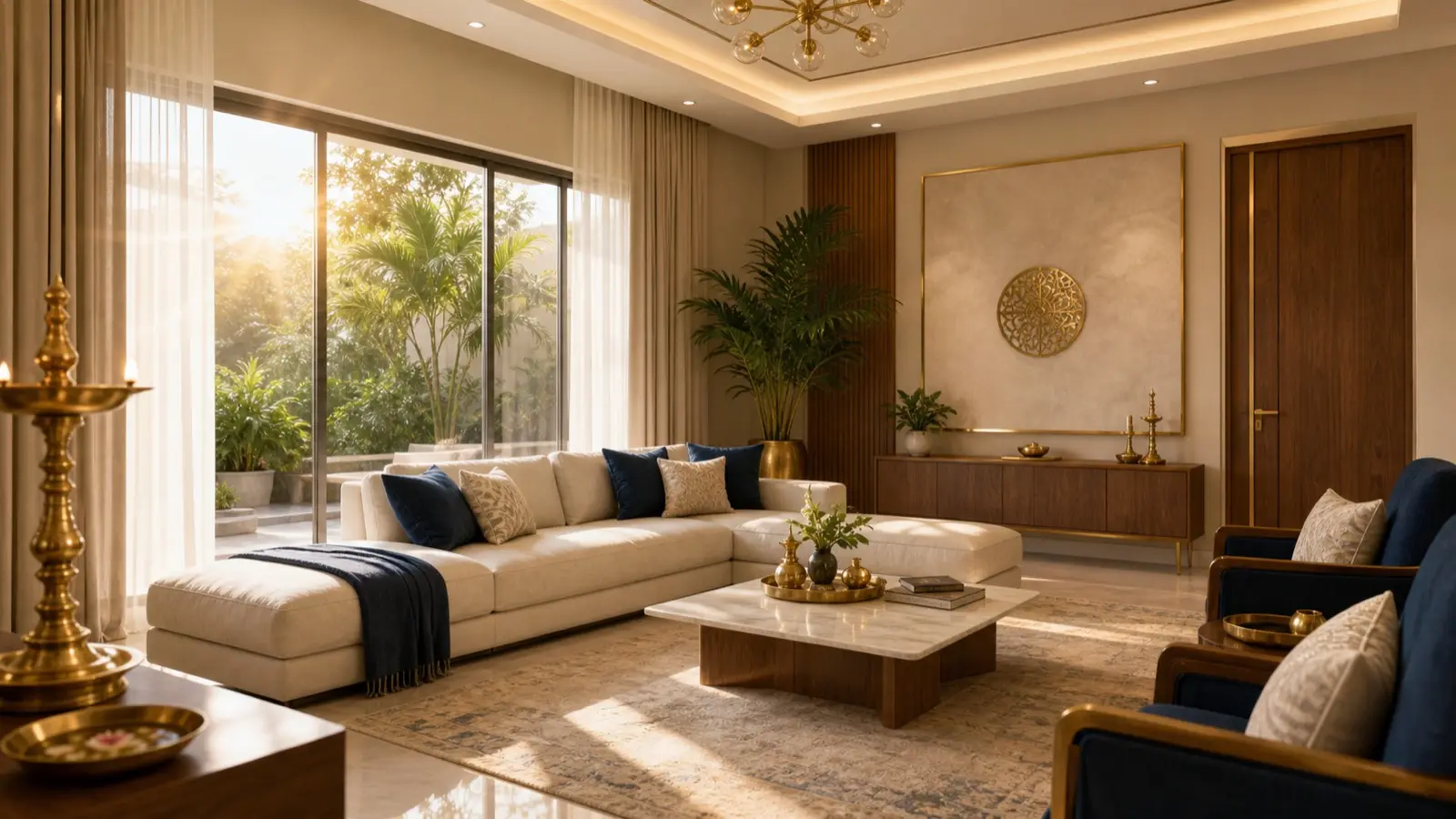
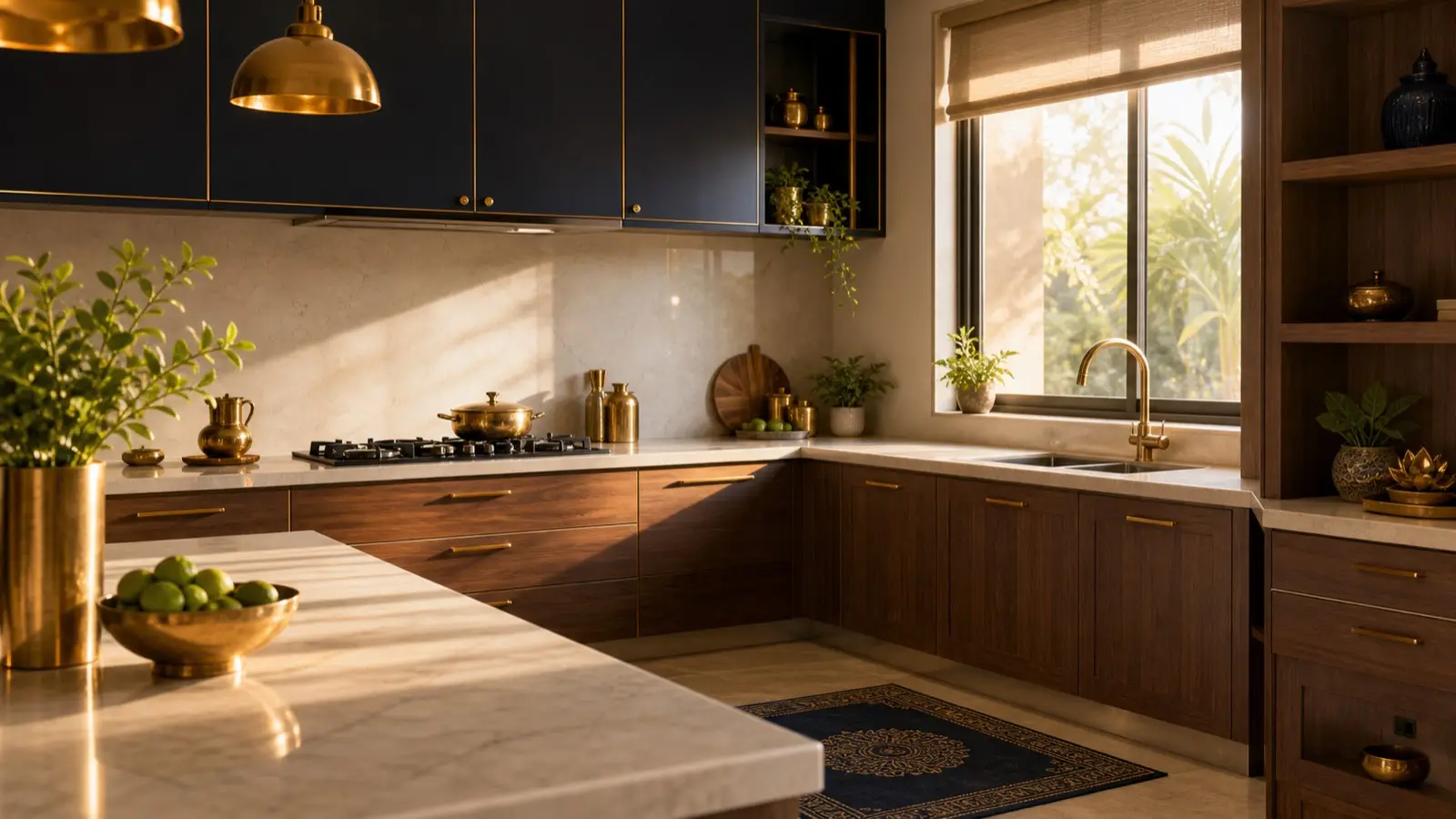
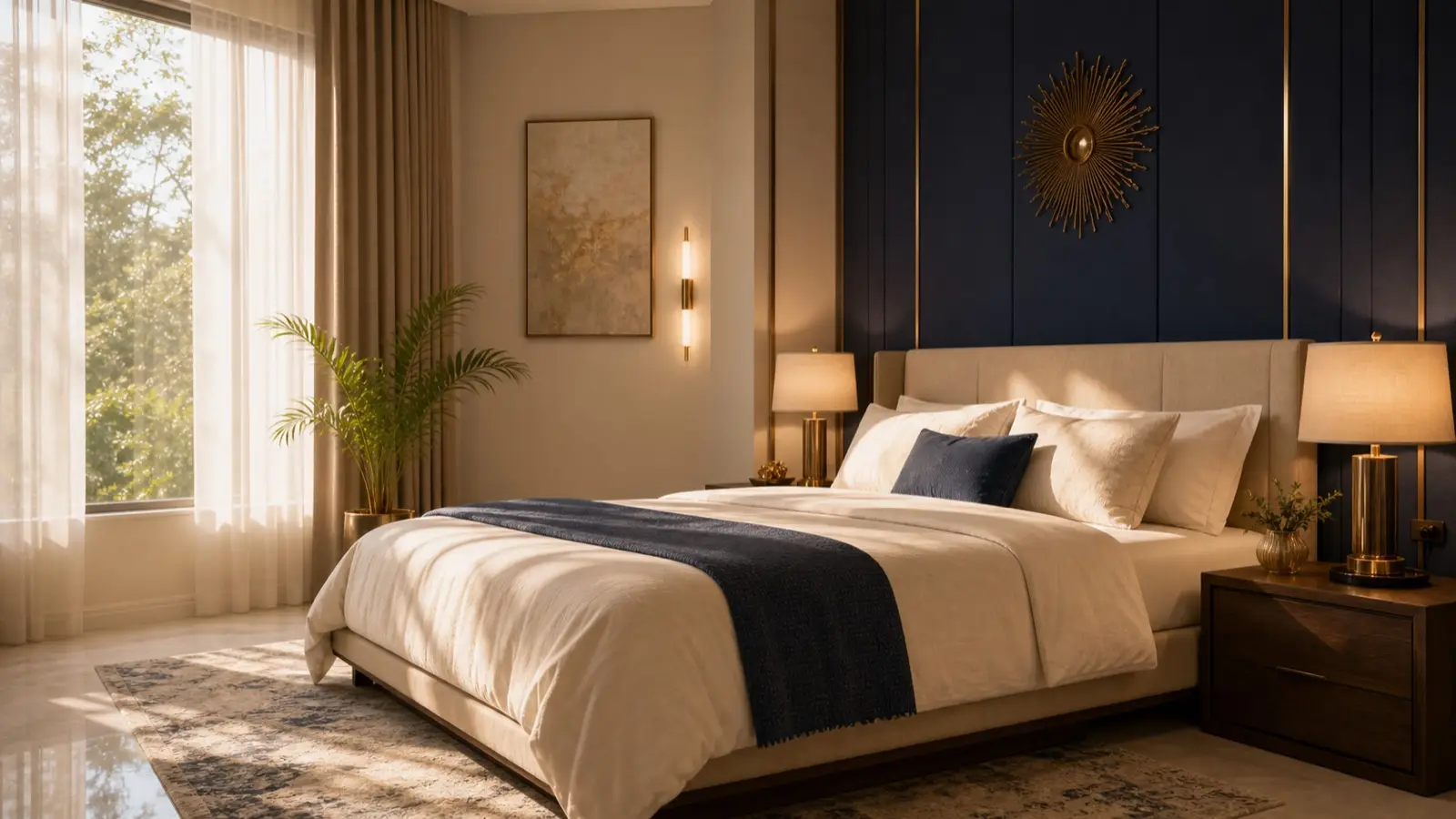
Kitchen
Often placed in South-East (fire). If not possible, keep the cooking area safe, ventilated, and uncluttered.
Master bedroom
Often preferred in South-West (stable). Prioritize sleep quality, quiet, and good ventilation.
Pooja / meditation
Often placed in North-East. Keep the area clean, calm, and bright—avoid storing clutter nearby.
Study / work desk
Place where daylight is comfortable and distractions are low. Many prefer north/east light for focus.
Bathrooms / toilets
If possible, keep them away from entry and from the clean/quiet zones. Ensure strong exhaust and hygiene.
Stairs / storage
Heavy functions often work better in stable areas. Keep stair paths safe, well-lit, and uncluttered.
Apartments and rentals: what matters most
In apartments, you usually cannot move walls. Direction Vastu becomes premium when you focus on what you can change: furniture placement, decluttering, ventilation, lighting, and routines. Even if the kitchen is not in the “ideal” zone, a clean workflow + good exhaust + safe storage improves daily life more than chasing perfect diagrams.
A good apartment strategy: identify your top 3 priorities (sleep, kitchen safety, work focus). Then choose direction-friendly upgrades for those areas first. This produces visible results quickly and avoids overwhelm.
When rules conflict: a premium decision rule
Real homes have constraints: plumbing lines, structural columns, setbacks, and budget. When two “rules” conflict, choose the option that improves safety, ventilation, and daily maintenance. A calm hierarchy is:
1) Safety & engineering
Fire safety, structural stability, plumbing correctness, and building codes come first.
2) Light & airflow
A bright, breathable home feels better regardless of direction labels.
3) Flow & cleanliness
Uncluttered circulation and easy cleaning are premium “energy” upgrades.
4) Zone-based tradition
Use direction zones as a final refinement layer for comfort and routine.
Direction benefits (modern, practical view)
People ask, “What does direction benefit mean?” In a practical view, it often maps to sunlight, heat, privacy, and daily flow. For example, managing harsh afternoon sun in west zones is a comfort upgrade, not a superstition.
East
Morning light supports active routines. Use it for bright living zones and morning energy.
West
Afternoon heat is real. Premium design uses shading, curtains, and ventilation to stay comfortable.
North
Often offers softer daylight. Many people like north for study/work comfort when glare is controlled.
South
Not “bad.” Comfort depends on windows, shade, airflow, and how bedrooms are placed for quiet sleep.
Direction remedies (non-demolition, premium-friendly)
If your home layout is fixed, focus on remedies that improve comfort and maintenance without fear. Small fixes, done consistently, feel more premium than dramatic changes.
Light
Improve lighting in dark corners (warm white LEDs, clean fixtures). Brightness changes mood immediately.
Declutter
Remove “dead zones” of unused items—especially near entry and center. Flow is a premium feature.
Ventilation
Fix exhaust fans, open windows daily, and reduce dampness. Air quality is the best remedy.
Color & calm
Use calm, neutral colors for rest zones; use brighter accents only where activity is needed.
For a deeper “remedies without demolition” approach, see Vastu Remedies.
Common direction mistakes (and quick fixes)
Direction Vastu can feel complicated, but most problems come from a few repeat patterns. Fixing these often improves the home more than memorizing rules.
Mistake: heavy clutter in “light zones”
Fix: keep entry/NE-type corners bright and clean; move storage to closed cabinets and reduce unused items.
Mistake: poor kitchen ventilation
Fix: strong exhaust + clean stove area. Kitchen comfort matters more than the perfect zone label.
Mistake: bedroom is bright and noisy at night
Fix: blackout curtains, calm lighting, and clutter reduction. Sleep quality is the premium metric.
Mistake: “blocked” center circulation
Fix: clear pathways, avoid bulky furniture in the center, and keep cleaning simple.
Facing homes: quick comfort tips (east, west, north, south)
Even without strict rules, you can use facing as a comfort strategy. Think of it as “sun management + privacy + entry flow.” These notes are general, but they help many Indian homes feel more premium.
East-facing
Use morning light for active zones. Keep entry bright and uncluttered; avoid blocking windows with heavy storage.
West-facing
Plan for afternoon heat: shading, curtains, ventilation, and reflective window film (if needed).
North-facing
Use softer daylight for study/work where glare is controlled. Keep rooms airy and avoid damp corners.
South-facing
Not “bad.” Make it premium with smart shade, good airflow, and calm bedroom placement for quiet sleep.
Quick start: 7-day direction upgrade plan
This gives you a premium routine without overwhelm.
Day 1 — Measure
Confirm north and map rooms to the direction grid. Use the Direction Finder if needed.
Day 2 — Entry clean-up
Clear clutter, add lighting, and create a calm shoe/storage system.
Day 3 — Kitchen safety
Improve ventilation, keep stove area clean, and ensure safe movement around heat sources.
Day 4 — Sleep zone
Make the bedroom darker at night, quieter, and less cluttered. Put sleep quality first.
Day 5 — Center & circulation
Open up pathways and remove obstacles. Flow and easy cleaning feel premium.
Day 6 — Light & heat control
Shade harsh sun areas; add curtains; improve airflow where rooms feel hot or stale.
Day 7 — Check and repeat
Review your notes and pick 3 small improvements to repeat monthly.
Toilets, stairs, and center: quick direction guidance
These are the areas that often cause worry because they are expensive to change. A premium mindset is to improve hygiene, ventilation, and circulation first, then use direction guidelines as a gentle refinement.
Toilets & bathrooms
If a bathroom sits in a “sensitive” zone, focus on exhaust, dry floors, bright lighting, and frequent cleaning. Fix leaks quickly.
Stairs
Keep stairs safe and well-lit. Avoid storing clutter underneath; treat it as a clean utility zone to prevent damp smell.
Brahmasthan (center)
Many traditions prefer the center open. Practically, open center improves movement, cleaning, and ventilation.
Heavy storage
Keep heavy storage in closed cabinets and away from entry. Less visible clutter makes any home feel premium.
Mini glossary (direction terms)
Cardinal directions
North, south, east, west—used to orient the plot and rooms.
Intercardinal zones
NE, SE, SW, NW—often used for room placement recommendations.
Facing
Direction associated with the road/door side used for planning entry.
Brahmasthan (center)
The central zone—many traditions prefer it open and uncluttered for easy movement.
Myths vs facts (direction)
Myth: “One wrong direction ruins everything.”
Fact: comfort upgrades (light, airflow, hygiene) can dramatically improve how a home feels.
Myth: “South is always bad.”
Fact: south can be comfortable with good shading and a smart plan.
Myth: “Remedies replace planning.”
Fact: good planning wins. Remedies are for comfort improvements, not for ignoring layout reality.
Myth: “Compass readings are always accurate.”
Fact: compasses can be disturbed by metal and wiring—confirm readings calmly.
Recommended next
- Start room planning: Room-wise Vastu.
- Plot decisions: Plot & Land Vastu.
- Home layouts: Home Vastu.
Frequently asked questions (directions)
Facing usually refers to the road/door side orientation. Direction Vastu is how rooms sit on the compass grid (NE/SE/SW/NW and center) and how you plan entry, kitchen, and bedrooms with that map.
Not automatically. Comfort depends on layout, shading, ventilation, and how bedrooms and kitchen are placed. Don’t judge a home only by one label.
Prioritize safety and comfort: strong exhaust, clean cooking zone, clear workflow, and good lighting. Direction rules are a planning preference, not a reason for stress.
Choose an entrance that is bright, safe, and private with a clear walking path. Then optimize it using zones (for example keeping the entry area uncluttered). If you need help, use the Direction Finder tool and map it calmly.
It’s often good enough for a basic map, but readings can be disturbed by metal grills, wiring, and nearby vehicles. Take readings in two spots and confirm before making decisions.
Choose the cleanest, calmest spot you can, keep it uncluttered, and ensure good lighting. In apartments, calm routine and cleanliness usually matter more than exact placement.
Rather than fear-based rules, use a practical approach: avoid mirrors that reflect clutter, sleeping faces, or harsh glare. Use mirrors to improve light and spaciousness in a controlled way.