VastuEssentials.com Complete guide to Vastu Shastra
Home Room-wise Master Bedroom Vastu
Room-wise Vastu

Master Bedroom Vastu

Master Bedroom Vastu checklist (2500+ words): ideal direction notes, best colors, placement tips, common mistakes, and do’s & don’ts — with simple direction diagrams. Educational only.

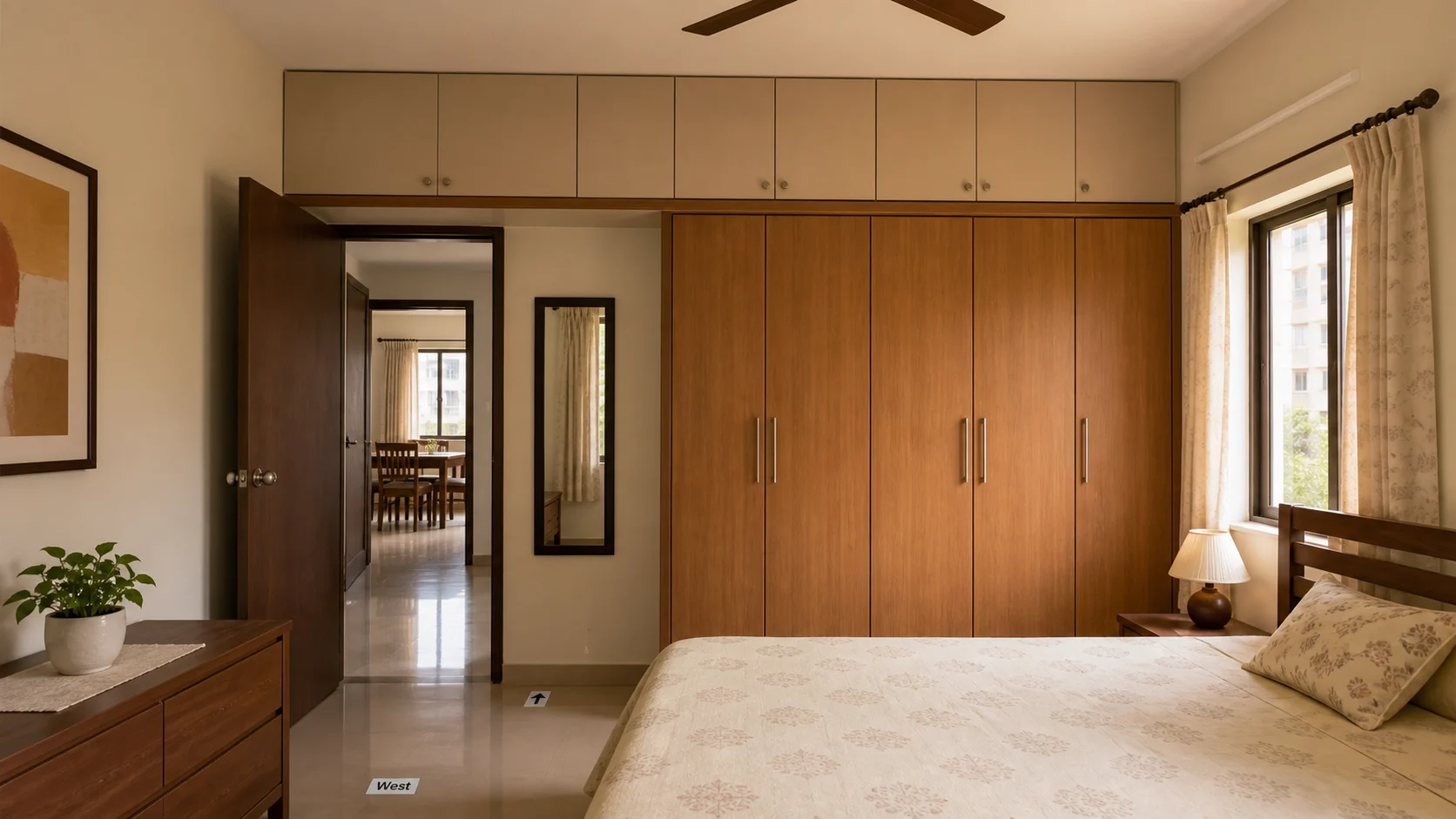
Master Bedroom Vastu related photo
Premium outcomes come from comfort: light, airflow, hygiene, and easy circulation.
Direction zone diagram for Master Bedroom Vastu
Use the zone map to understand common placement traditions (then adapt to your home).
Square home plan direction grid
If your layout is fixed, use the grid as a reference and focus on improvements you can do.

Master Bedroom Vastu Vastu is easiest when you treat it like a comfort + maintenance checklist. Direction traditions can be helpful as a map, but your results come from light, ventilation, hygiene, and a layout that is easy to keep clean. On this page you’ll see common guidance used in many Indian traditions, explained in a calm, practical way. Use what helps your home feel better and ignore anything that creates stress.

A premium approach is simple: don’t chase perfection. Instead, pick one measurable upgrade (better lighting, better airflow, less clutter, safer circulation) and repeat it consistently. In most homes, that produces a bigger change than moving everything around. If you are renting or your layout is fixed, focus on placement and routines rather than demolition.

Direction notes below use a square-plan diagram for understanding. Real homes can be L-shaped, multi-floor, or apartment blocks. That’s okay: treat the diagram as a learning tool. When in doubt, prioritize safety (especially for electrical/wet areas), then hygiene, then comfort.

Ideal direction (common guidance, calm version)

Use this section as a quick scan. If you’re in a hurry, follow the first three points and you’ll cover most of what matters. If you’re planning a new build, treat these as planning notes; if you’re in a finished home, treat them as improvement ideas.

Fast checklist

  • Many traditions prefer South-West for master bedroom vastu when possible (use the diagram as a guide).
  • If the space sits elsewhere, focus on ventilation, light, and uncluttered circulation.
  • Avoid placing heavy storage where it blocks daylight or makes cleaning hard.
  • Keep damp/heat/noise sources away if they reduce comfort.

Premium rule

If a suggestion makes the space easier to maintain (cleaner, drier, quieter, safer), keep it. If it adds clutter or fear, skip it. Premium Vastu is calm and repeatable.

Tip: take one photo of the space today. Then apply one change and take another photo after 7 days. The difference in clutter and circulation is often the real “before/after” that people feel.

Best colors (premium look without loudness)

Use this section as a quick scan. If you’re in a hurry, follow the first three points and you’ll cover most of what matters. If you’re planning a new build, treat these as planning notes; if you’re in a finished home, treat them as improvement ideas.

Fast checklist

  • Choose calm neutrals (ivory, beige, soft grey) as the base; premium rooms look uncluttered.
  • Add one accent color only (muted green/blue/terracotta) instead of many loud colors.
  • Use warm lighting (2700–3000K) for comfort; use neutral light for task areas.
  • Avoid very dark paint if it makes the room feel smaller or harder to maintain.

Premium rule

If a suggestion makes the space easier to maintain (cleaner, drier, quieter, safer), keep it. If it adds clutter or fear, skip it. Premium Vastu is calm and repeatable.

Tip: take one photo of the space today. Then apply one change and take another photo after 7 days. The difference in clutter and circulation is often the real “before/after” that people feel.

Placement tips (what matters in real homes)

Use this section as a quick scan. If you’re in a hurry, follow the first three points and you’ll cover most of what matters. If you’re planning a new build, treat these as planning notes; if you’re in a finished home, treat them as improvement ideas.

Fast checklist

  • Keep a clear walking path; don’t force furniture that creates collisions.
  • Use closed storage to hide visual clutter; open shelves get messy quickly.
  • Place key items where you will actually use them (not just “as per rules”).
  • For wet/electrical zones: prioritize safety, waterproofing, and easy access for repairs.

Premium rule

If a suggestion makes the space easier to maintain (cleaner, drier, quieter, safer), keep it. If it adds clutter or fear, skip it. Premium Vastu is calm and repeatable.

Tip: take one photo of the space today. Then apply one change and take another photo after 7 days. The difference in clutter and circulation is often the real “before/after” that people feel.

Common mistakes (and what to do instead)

Use this section as a quick scan. If you’re in a hurry, follow the first three points and you’ll cover most of what matters. If you’re planning a new build, treat these as planning notes; if you’re in a finished home, treat them as improvement ideas.

Fast checklist

  • Blocking windows with storage or heavy curtains all day.
  • Creating clutter near the entry/threshold (it makes the whole home feel heavy).
  • Ignoring ventilation and then trying “remedies” for smell or dampness.
  • Over-optimizing directions while ignoring comfort basics (light, airflow, hygiene).

Premium rule

If a suggestion makes the space easier to maintain (cleaner, drier, quieter, safer), keep it. If it adds clutter or fear, skip it. Premium Vastu is calm and repeatable.

Tip: take one photo of the space today. Then apply one change and take another photo after 7 days. The difference in clutter and circulation is often the real “before/after” that people feel.

Do’s & don’ts (simple rules you can repeat)

Use this section as a quick scan. If you’re in a hurry, follow the first three points and you’ll cover most of what matters. If you’re planning a new build, treat these as planning notes; if you’re in a finished home, treat them as improvement ideas.

Fast checklist

  • Do keep it simple: one change at a time and track what improves comfort.
  • Do keep the space clean, dry, and well-lit—these are premium multipliers.
  • Don’t add objects that create dust/maintenance just to follow a rule.
  • Don’t break walls or do expensive changes without professional advice.

Premium rule

If a suggestion makes the space easier to maintain (cleaner, drier, quieter, safer), keep it. If it adds clutter or fear, skip it. Premium Vastu is calm and repeatable.

Tip: take one photo of the space today. Then apply one change and take another photo after 7 days. The difference in clutter and circulation is often the real “before/after” that people feel.

7-day upgrade plan (calm + premium)

If you want results without overwhelm, follow this simple plan. It avoids expensive changes and focuses on what improves daily comfort. Take one photo on Day 1 and compare on Day 7 — you’ll usually see cleaner circulation, less clutter, and a calmer look.

Day 1 — Map + measure

Confirm directions and note your top 3 pain points (heat, damp, noise, clutter, awkward flow).

Day 2 — Declutter reset

Remove what you don’t use weekly. Add one closed storage solution to hide visual clutter.

Day 3 — Light upgrade

Fix dark corners. Use layered lighting: ceiling + one lamp + one corner light if needed.

Day 4 — Ventilation

Improve airflow: open windows daily, add exhaust for damp/odor zones, and keep vents unblocked.

Day 5 — Layout tweak

Make circulation easy: avoid collision points and keep the center path clear.

Day 6 — Hygiene + maintenance

Fix leaks, remove damp smell sources, clean corners, and set a simple weekly cleaning routine.

Day 7 — Keep what works

Choose 3 habits to repeat monthly. Premium results come from repetition, not perfection.

Best placement logic (how to think, not memorize)

Vastu becomes premium when you understand the reason behind guidance:

Heat zones

Keep heat and heavy activity away from areas that need quiet rest. Improve ventilation first.

Wet zones

Wet areas must stay dry and ventilated. Dampness is the fastest way to make a home feel “heavy”.

Light zones

Let daylight enter and spread. Don’t block windows with storage. Bright circulation feels premium.

Noise zones

Protect sleep and focus areas from TV, machines, pumps, and traffic noise where possible.

If a “direction rule” improves one of the four items above, it’s worth using. If it doesn’t, you can safely ignore it.

Rentals vs owned homes (what changes)

If you rent

Focus on lighting, storage, curtains, rugs, plants, and routines. Avoid irreversible changes.

If you own

You can invest in ventilation, waterproofing, storage carpentry, and long-term maintenance access.

Either way, you can get premium results with small steps. The most common mistake is doing too many changes at once.

Quick checklist you can print

Use this checklist for Master Bedroom Vastu. Tick what you already have; then choose the top 3 items you want to fix this month.

Comfort

Good light • Fresh airflow • Low clutter • Easy movement

Maintenance

Dry corners • No leaks • Easy cleaning access • Closed storage

Safety

No loose cables • Safe wet areas • Proper exhaust • No blocked exits

Routine

Daily 60-second reset • Weekly deep clean • Monthly review

Extra visuals

These visuals support the “comfort-first” method. You don’t have to memorize them — use them to explain the logic to yourself (or your family) when planning.

Five elements infographic
Elements are often used as a teaching model. Use them as a guide, not a fear tool.
Compass diagram
Measure directions once correctly. Then focus on layout and habits.
Light and ventilation diagram
Light + ventilation are the most repeatable premium upgrades across all rooms.

Direction diagram: where this fits in a square plan

Alternate locations (2nd and 3rd options)

If the preferred zone is not possible, many traditions suggest alternate zones. Treat these as planning preferences — and use common sense: ventilation, light, hygiene, and easy circulation matter more than labels.

Alternate #2

A commonly used alternative is West.

Alternate #2 zone diagram
West highlight example.

Alternate #3

If needed, a third option is South.

Alternate #3 zone diagram
South highlight example.

Below is a simple visual example. It’s not a rule you must follow — it’s a way to understand why certain placements are suggested. If your plan is different, treat this as a learning tool and apply the comfort-first version: airflow, light, cleanliness, and uncluttered movement.

Master Bedroom Vastu direction zone highlight
South-West is a common “preferred” zone in many traditions. Use it as a guide, not a source of fear.

Mini case study (realistic example)

A simple way to understand Master Bedroom Vastu is to look at what changes the daily feeling of a space. In one common scenario, a family felt a room was “not good” even though it looked okay in photos. The root cause was practical: blocked airflow, clutter near the entry side of the room, and uneven lighting that created dark corners. They didn’t move walls or do expensive work. Instead, they cleared the walking path, added one warm lamp in a dark corner, and used a closed storage box to hide loose items. Within a week, the space felt calmer and easier to maintain.

The premium lesson: when a room is easier to clean and easier to use, the entire home feels lighter. Direction traditions can help you decide where to place important functions, but the “premium effect” usually comes from repeatable maintenance: dry corners, fresh air, and uncluttered circulation.

Best colors: fast palette ideas

Use these combinations if you want a premium look without trial-and-error. You can apply them with paint, curtains, bedsheets, rugs, or wall art.

Warm neutral

Ivory + beige + brass accents (calm, timeless, easy).

premium

Soft green

Off-white + muted green + wood tones (fresh, balanced).

calm

Soft blue

Light grey + soft blue + warm light (clean, modern).

modern

If you can’t follow direction guidance

Many apartments and existing homes can’t relocate rooms. That’s normal. Use the “calm version” of guidance:

Make it breathable

Prioritize cross-ventilation and exhaust in any area that smells damp, hot, or stale.

Make it maintainable

Closed storage + simple routines beats complex remedies. Premium is ease.

Make it safe

Electrical + wet zones: correct wiring, no loose cables, dry floors, safe access.

Make it calm

Reduce noise, reduce glare, and keep the first view uncluttered.

If you follow these four rules, you’ll get most of the benefits people seek from Vastu — without stress.

Myths vs facts (keep it premium)

Online advice can sound extreme. Use these calm facts to stay grounded while applying Master Bedroom Vastu. The goal is a home that feels better, not a checklist that creates pressure.

Myth: one rule decides everything

Fact: ventilation, light, and hygiene decide daily comfort more than labels.

Myth: you must rebuild

Fact: most premium wins come from small changes you repeat (storage, lighting, routines).

Myth: remedies are objects

Fact: the best remedies are habits: declutter, ventilate, keep wet areas dry.

Myth: perfect directions are required

Fact: direction guidance is a map. Use it when possible, adapt when not.

If you want one premium principle: choose changes that reduce stress tomorrow (less mess, less smell, less heat, better sleep).

When to consult a professional

This site is educational only. If your concern involves structure, waterproofing, electrical safety, gas lines, or major plumbing, consult qualified professionals before making changes. Many “Vastu problems” people experience in real life are actually practical building issues: dampness from leaks, poor ventilation, unsafe wiring, or blocked drainage. Fixing those basics often improves comfort immediately.

If you want guidance that feels premium and realistic, combine three inputs: a correct direction map, your floor plan, and your daily routines. Then choose changes that reduce stress for the next 30 days (easier cleaning, better sleep, better airflow). That’s how to use Vastu as a calm checklist rather than a source of anxiety.

A simple way to stay consistent: write down your top 3 priorities for this space (for example: airflow, storage, and lighting). Improve only one priority per week. This keeps the process calm, avoids wasted spending, and makes the improvement visible.

Frequently asked questions

No. Use directions as a guide, but prioritize comfort, hygiene, safety, and daily ease first.

Then focus on placement, declutter, ventilation, lighting, and small routines. These upgrades are often the highest impact.

Clear circulation + strong ventilation. A space that is easy to move through and easy to keep fresh feels premium immediately.

Recommended next Continue with Room-wise Vastu overview or learn directions with Direction Finder.