

Topic
curtain colour Vastu
Best for
Apartments, rented homes, bedrooms, living rooms, and balcony windows.
Main rule
Choose curtains that improve light, privacy, airflow, and room purpose.
On this page
- Why curtains matter in Vastu
- Direction-wise curtain colours
- Room-wise curtain choices
- Common mistakes
- Frequently asked questions
Why curtains matter in Vastu
Curtains sit between the home and the outside world. They filter sunlight, soften views, protect privacy, and decide how much visual noise enters the room. In a practical Vastu reading, this matters because a room that is too bright, too dark, too exposed, or too hot does not feel balanced even if its furniture is placed well.
Many people search for the best curtain colour as per Vastu because curtains are easy to change. Unlike plumbing, walls, main doors, or kitchen platforms, curtains are movable and rental-friendly. That makes them one of the simplest no-demolition improvements for modern flats. The key is to use colour as a support for real comfort, not as a superstition.
Before choosing any fabric, check three things: the direction of the window, the purpose of the room, and the quality of natural light. A north window in a bright living room needs a different solution from a west-facing bedroom that overheats every afternoon. If you are unsure about direction, first read how to check directions correctly.
Direction-wise curtain colour guide
Direction-wise colour advice works best when it is treated as a design filter. You do not need to make every north curtain green or every east curtain yellow. Instead, use these suggestions to choose from shades that already suit your furniture, wall paint, climate, and daily use.
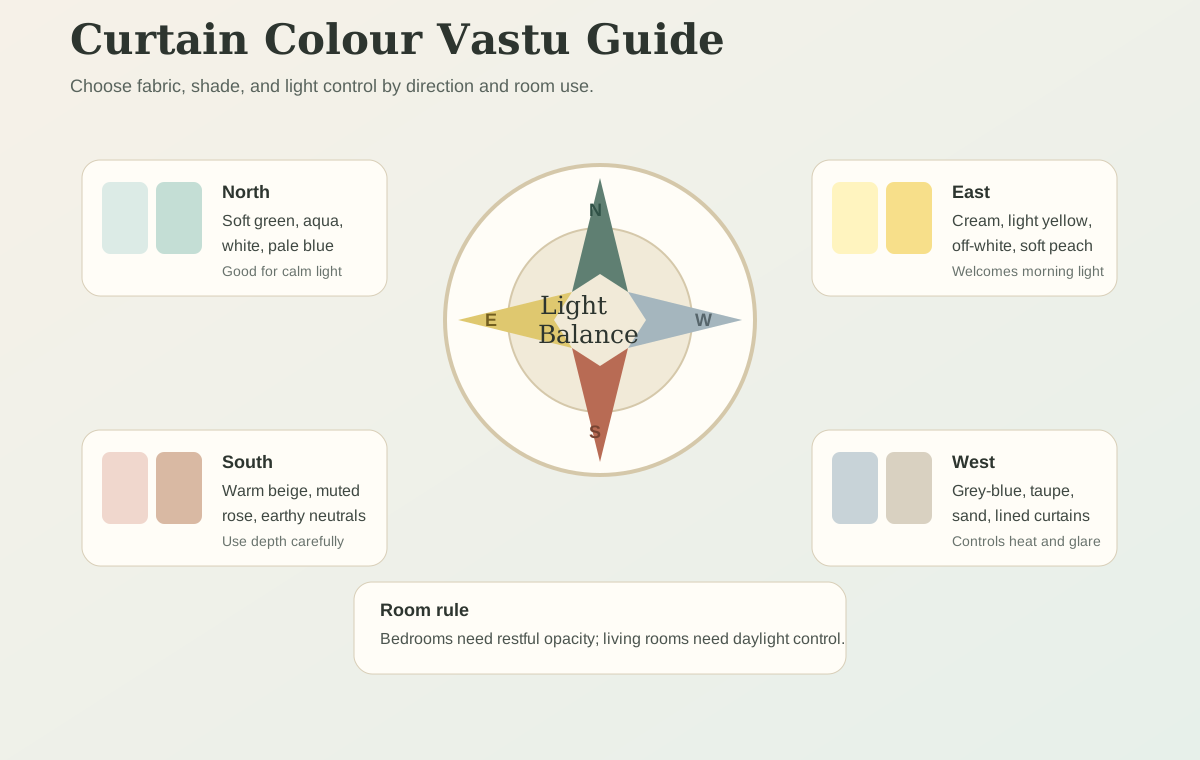
North-facing windows
North is commonly linked with calmness, growth, and balanced light. Soft green, aqua, pale blue, white, and off-white curtains usually work well here. These shades keep the room fresh without making it visually heavy. In a living room, sage green or cream can look elegant. In a study corner, pale blue-green can feel focused and uncluttered.
East-facing windows
East receives morning light, so curtains should welcome brightness without glare. Cream, light yellow, soft peach, warm white, and pale gold tones can work well. Avoid thick, permanently closed curtains that block morning freshness. If privacy is needed, use sheers with a second layer that can be opened during the day.
South-facing windows
South windows can handle slightly warmer and deeper neutrals if the room has enough light. Beige, muted rose, clay, soft brown, and calm terracotta accents can work, especially in bedrooms and family rooms. Avoid aggressive red or very dark maroon across large windows unless the room is large, bright, and carefully balanced.
West-facing windows
West-facing rooms often need heat and glare control. Taupe, grey-blue, sand, beige, muted green, and lined curtains are practical choices. If the room gets harsh afternoon sun, a blackout lining or solar blind can protect comfort. For more climate-focused advice, see west balcony Vastu and the balcony Vastu guide.
| Direction | Useful curtain shades | Best room use | Avoid |
|---|---|---|---|
| North | White, aqua, pale blue, soft green | Living room, study, home office | Dusty or dull heavy fabric |
| East | Cream, light yellow, warm white, peach | Bedrooms, pooja corners, living rooms | Blocking all morning light |
| South | Beige, muted rose, earthy neutrals | Bedrooms and private rooms | Very strong red or black dominance |
| West | Taupe, grey-blue, sand, lined neutrals | Balconies, bedrooms, TV walls | Thin fabric that allows harsh heat |
Room-wise curtain choices
Living room curtains
The living room should feel welcoming, bright, and orderly. Cream, off-white, sage green, pale yellow, soft blue, and gentle earthy neutrals are usually safer than loud prints. If the living room has a TV, choose curtains that reduce glare without making the whole room dark. For layout support, pair this advice with living room Vastu.
In apartments, the living room often opens to the balcony. Use a double-layer system if possible: a sheer curtain for daytime privacy and a thicker layer for evening. This lets the room breathe during the day and feel settled at night. Avoid curtains that are so long or heavy that they block balcony door movement.
Bedroom curtains
Bedroom curtains should support rest. Soft green, cream, warm white, muted rose, beige, and pale blue are good starting points. If you need blackout curtains for sleep, use a dark lining behind a lighter visible fabric. This gives practical darkness without making the bedroom look heavy all day. For deeper sleep guidance, read bedroom Vastu for sleep and the full bedroom Vastu guide.
Avoid shiny, high-contrast, or very busy curtain prints behind the bed. They can make the room feel restless. If a wardrobe mirror reflects the window, check whether curtain movement or glare disturbs sleep. Keep the fabric calm enough that it does not become the first thing the eye notices at night.
Kitchen and dining curtains
Kitchen curtains should be safe, washable, and away from flame. Short blinds, easy-clean fabric, or simple light curtains are better than long cloth near the stove. Cream, pale yellow, light green, and soft neutrals can make compact kitchens feel fresher. If you are planning the full kitchen palette, use kitchen colours Vastu as a companion guide.
Dining areas need warmth without visual heaviness. Light earthy colours, off-white, muted yellow, and soft green can work well. If the dining table sits near a strong west window, use lined curtains so mealtime is not disturbed by glare.
Balcony and utility curtains
Balcony curtains should respond to climate first. East balconies can use sheers and light cotton blends. West balconies need stronger heat control, blinds, or lined fabric. North balconies can stay airy with pale colours. South balconies may need practical shading, especially in hot cities. Keep balcony fabric easy to remove and wash because dust collects quickly.
Utility areas need function over decoration. If curtains are used near washing machines or drying areas, choose washable fabric and keep it away from damp floors. This supports both Vastu and hygiene, especially where the utility space is visible from the kitchen or balcony.
Fabric, length, rods, and maintenance
Colour gets attention, but fabric decides daily experience. Cotton and linen blends feel breathable and natural. Polyester blends can be practical for rental homes because they are easier to maintain. Blackout linings are useful for bedrooms and west-facing windows, but they should not make the room permanently gloomy. Open them daily when possible.
Curtain length should suit cleaning and safety. Curtains that drag across the floor collect dust and can get caught in balcony tracks. Curtains that are too short may look unfinished and expose clutter below the window. In most homes, stopping just above the floor or lightly touching it is practical.
Check rods and brackets. A loose rod above a bed, sofa, or children's play area is not a Vastu problem; it is a safety problem. Fix it properly. Clean the curtain track so movement is smooth. Wash or vacuum fabric regularly, especially in homes near traffic, construction, or sea air. Dusty curtains make even a well-designed room feel dull.
Practical examples for modern homes
Example 1: West-facing apartment living room
A west-facing living room gets strong evening sun. Instead of choosing only by colour, combine taupe or grey-blue curtains with a heat-control lining. Keep the daytime sheer layer light so the room still feels open in the morning. Add plants only where they can survive the heat and keep the balcony track clear.
Example 2: Small north-facing bedroom
A north-facing bedroom with limited direct sun can feel cool and calm. Soft green, pale blue, or warm white curtains keep the room restful. Avoid very dark curtains unless sleep requires blackout. If the room feels cold, balance the curtains with warm bedside lamps and a wood-tone headboard.
Example 3: Rented 2BHK with fixed curtain rods
Many rented flats have rods already installed. Use them instead of drilling new holes unless necessary. Choose reversible improvements: curtain rings that slide smoothly, removable tiebacks, washable sheers, and layered panels. This approach fits the spirit of rental home Vastu and avoids damage disputes.
Curtain colour Vastu checklist
Direction
Confirm whether the window faces north, east, south, or west before choosing shades.
Purpose
Bedrooms need rest, living rooms need welcome, and kitchens need safety.
Light
Filter harsh light, but do not block healthy daylight all day.
Privacy
Use sheers, blinds, or double layers where neighbours are close.
Cleaning
Choose fabric that can be washed or vacuumed regularly.
Safety
Keep long fabric away from stoves, wet floors, and loose rods.
Common curtain Vastu mistakes
- Choosing a colour only because it is called lucky, while ignoring heat, glare, and room size.
- Using very dark curtains in every room, making the home feel smaller and heavier.
- Keeping torn, dusty, stained, or faded curtains for years.
- Blocking morning light in east-facing rooms with thick closed fabric.
- Using long curtains near a kitchen stove, utility sink, or damp balcony floor.
- Buying loud prints that clash with wall paint, artwork, and furniture.
- Forgetting privacy needs in apartments where windows face another building.
- Letting curtains cover AC airflow, window handles, balcony tracks, or electrical points.
Best practices for balanced curtain design
Start with the existing room. Look at the wall colour, flooring, sofa, bed, wardrobe, sunlight, and view. Then choose a curtain shade that makes the room easier to use. If the room is already colourful, use calmer curtains. If the room is plain, add a soft texture or gentle pattern. Avoid turning curtains into the loudest element unless the rest of the room is very controlled.
Use layers where possible. A sheer layer gives daytime privacy and soft light. A thicker layer gives night privacy, glare control, and sleep support. Tiebacks can help curtains stay open neatly. In small rooms, mount the rod slightly wider than the window so fabric stacks away from the glass and allows more daylight.
Keep curtain Vastu connected to full home Vastu. If the room has leakage, clutter, broken windows, poor ventilation, or unsafe wiring, fix those first. Curtains can improve the feel of a room, but they cannot replace basic maintenance. For no-demolition improvements, see Vastu remedies without demolition.
Summary and conclusion
Curtain colour Vastu is useful because curtains are easy to change and immediately affect light, privacy, heat, and mood. North windows usually suit fresh whites, blues, and greens. East windows benefit from warm white, cream, light yellow, and soft peach. South windows can use earthy neutrals and muted warm tones. West windows often need lined curtains in taupe, grey-blue, sand, beige, or muted green.
The best choice is not the most dramatic colour. It is the curtain that supports the room's purpose. Bedrooms need rest, living rooms need welcome, kitchens need safety, balconies need climate control, and rented homes need reversible solutions. Keep fabric clean, rods safe, windows usable, and daylight alive. That is a practical, modern way to apply Vastu without fear.
Frequently asked questions
Which curtain colour is best as per Vastu?
Light, clean, room-appropriate shades usually work best. North and east windows can use white, cream, light yellow, pale green, or soft blue, while west and south windows may need calmer heat-control shades.
Which curtain colour is good for bedroom Vastu?
Soft green, cream, beige, pale blue, muted rose, and warm off-white are practical bedroom choices. Avoid overly loud colours if they disturb sleep.
Can dark curtains be used in Vastu?
Dark curtains can be used for privacy, glare, and heat control, especially in west-facing rooms, but balance them with lighter walls, daylight, and clean fabric maintenance.
Are black curtains bad as per Vastu?
Black curtains can make a room feel heavy if used everywhere. If needed for blackout sleep, use them as a lining or combine them with lighter front curtains.
Which curtains are best for a west-facing balcony?
Use lined curtains, blinds, or layered fabric in taupe, grey-blue, beige, or light earthy shades to reduce heat and glare without making the room dull.
Should curtains touch the floor?
Curtains can lightly touch or stop just above the floor, but they should not drag, collect dust, block airflow, or become difficult to clean.
Which curtain colour is good for living room Vastu?
Living rooms usually suit cream, off-white, pale yellow, sage green, soft blue, or gentle earthy neutrals depending on direction, light, and furniture.
Can red curtains be used in the bedroom?
Strong red curtains can feel stimulating in bedrooms. If you like red, use muted rose, terracotta, or small accents rather than full heavy red panels.
What is the best no-demolition curtain remedy?
Replace dusty, torn, very dark, or heat-trapping curtains with clean layered fabric that improves light, privacy, and airflow. This is simple, reversible, and rental-friendly.
Related Vastu guides
Colour and light
Vastu colours for home, windows Vastu, and entrance lighting.
Room guides
Use curtains with the room's main purpose: rest, welcome, privacy, and daylight.
Apartment help
Apartment Vastu can help you apply these ideas across a fixed flat layout.