
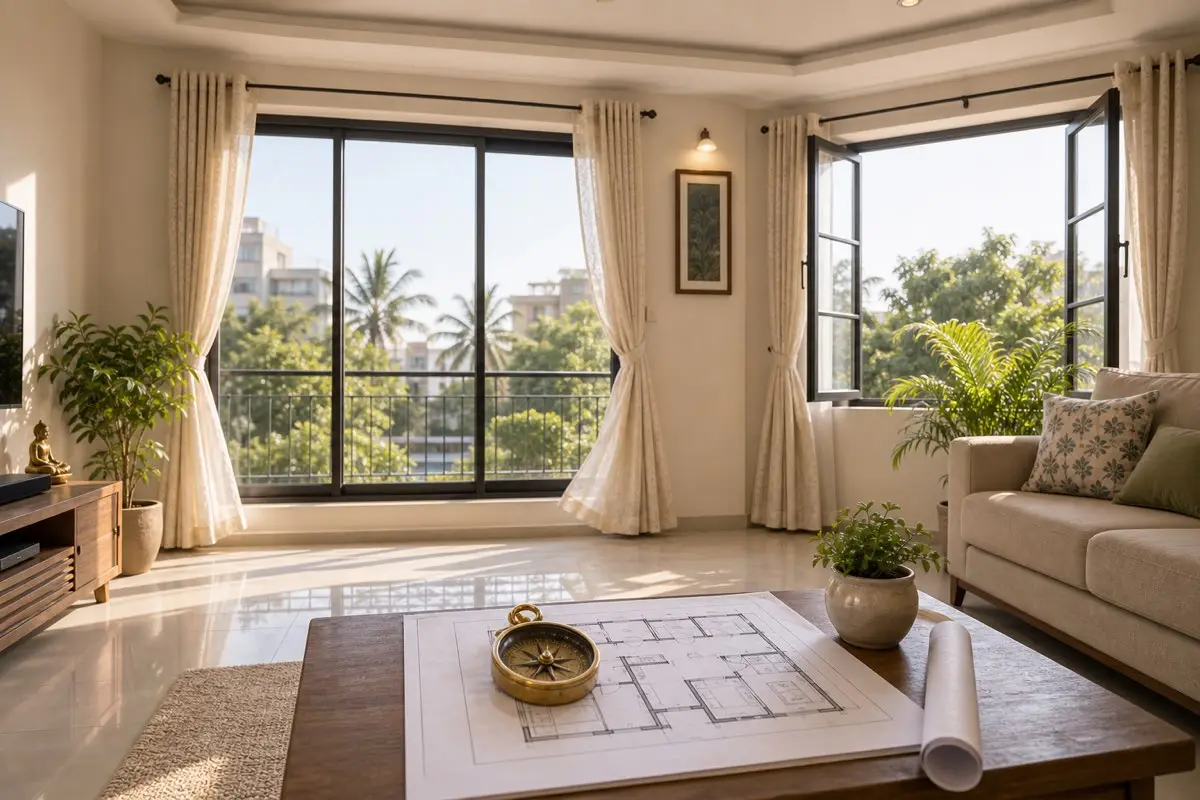
Why windows matter in Vastu
A home without good windows can feel dull, damp, and heavy. Windows allow natural light, cross ventilation, morning freshness, and visual relief. They also affect heat, noise, privacy, dust, security, and furniture placement. This makes window planning both a Vastu and architectural decision.
Many Vastu traditions encourage more openness toward north and east, with controlled openings toward harsh south and west depending on climate. This does not mean south or west windows are banned. It means they need shade, proportion, and heat control.
Best directions for windows
Traditional guidance often favours north and east openings. East-facing glass receives morning sun, but glare and heat depend on season, latitude, glazing and nearby shade. Window direction does not determine the temperature of incoming air. Assess south and west openings for their actual sun exposure, and discuss suitable shading or glazing where overheating is a problem.
In apartments, window direction may be fixed. If your windows are mostly west-facing, use heat-control curtains, balcony plants, external shade where allowed, and ventilation timing. If windows are small, improve interior colours, mirrors carefully, and artificial lighting.
Window planning grid
Record what each window actually provides, not just its compass direction.
Daylight
Observe the desk and seating area in the morning and afternoon, including screen reflections.
Opening area
Distinguish fixed glass from an operable sash and check handle access and screen clearance.
Outside conditions
Note neighbouring windows, traffic, cooking exhausts and exposure to wind-driven rain.
Window size and proportion
Window size should match room use. Living rooms need light and openness, bedrooms need privacy and ventilation, kitchens need exhaust and safety, and bathrooms need privacy with airflow. A large window in the wrong place can create glare, heat, or privacy issues.
Avoid blocking windows with wardrobes, storage, or heavy furniture. A window that cannot open or receive air becomes decorative only. Keep mosquito screens, grills, and locks practical and easy to maintain.
Cross ventilation and airflow
Cross ventilation happens when air can enter from one side and leave from another. This is more effective than one fixed window in a closed room. If possible, plan windows on adjacent or opposite walls with safe privacy.
Kitchens, bathrooms, laundry spaces, and utility areas need ventilation suited to the moisture and pollutants they produce. Natural ventilation is not always sufficient or appropriate. The US EPA explains the distinction between natural and mechanical ventilation, including outdoor-vented kitchen and bathroom fans. Have a suitable ventilation arrangement assessed rather than assuming an open window replaces required extraction.
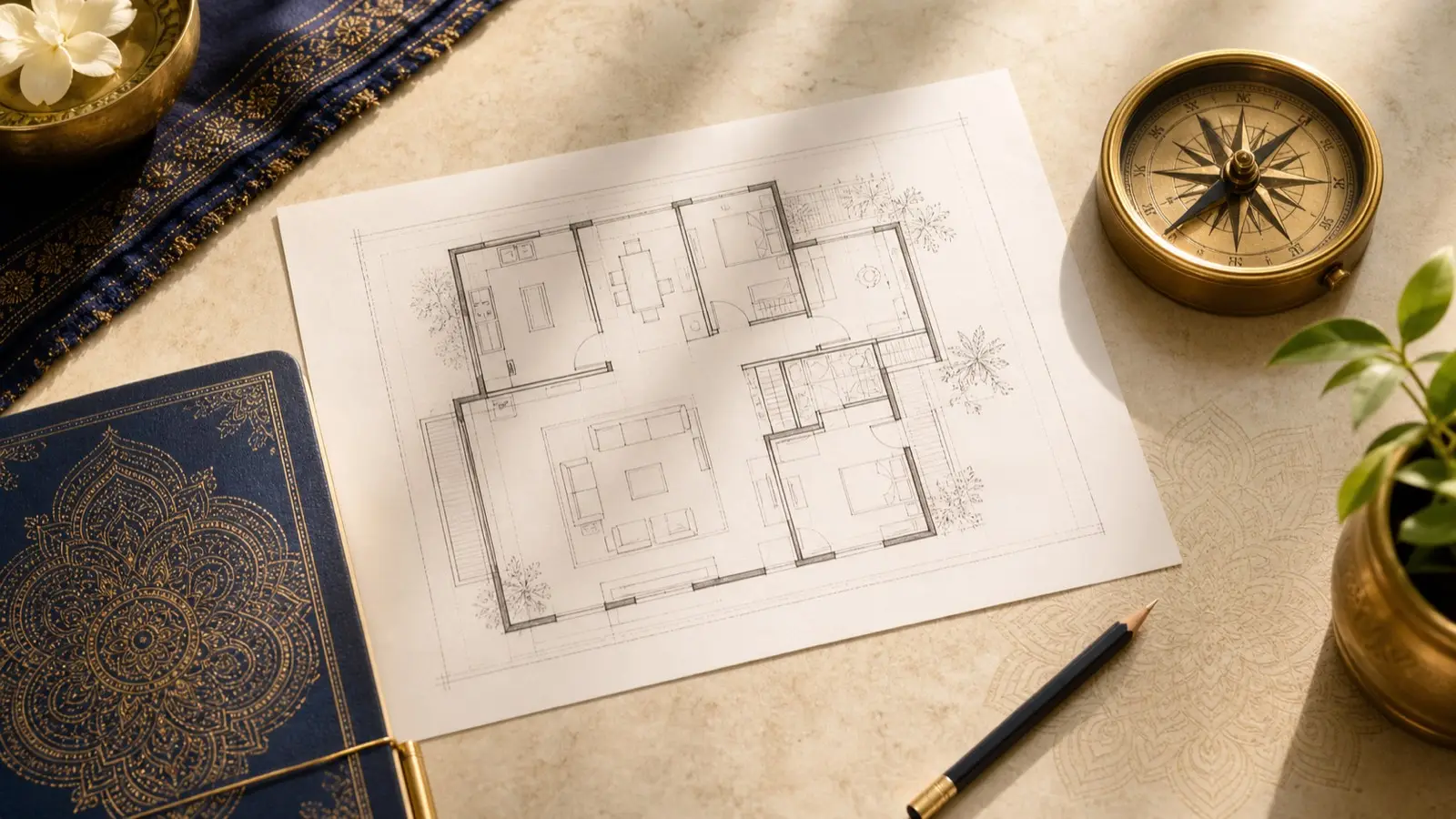
Window do's and don'ts
Match the adjustment to the problem you observe at that particular window.
| Do | Don't |
|---|---|
| Check whether the sash can open behind the blind. | Measure glazing area as if all of it admits air. |
| Observe glare from the actual seat or desk. | Choose coverings from a photograph alone. |
| Keep handles and safe cleaning access reachable. | Place a tall cupboard across the opening. |
| Record when damp patches appear. | Cover recurring water damage with a curtain. |
Privacy, curtains, and security
Windows should not expose bedrooms, bathrooms, or private family areas directly to neighbours or the street. Use curtains, blinds, frosted glass, jali screens, plants, or window height carefully. Privacy should not completely kill ventilation.
Security grills should be strong but not prison-like. Make sure emergency exits and fire safety rules are respected where relevant. Clean windows regularly because dusty glass reduces light and makes the home feel neglected.
Room-wise window tips
Living rooms benefit from bright windows and pleasant views. Bedrooms need softer light and privacy. Kitchens need ventilation near cooking and sink zones. Study rooms need glare-free daylight. Bathrooms need privacy plus exhaust.
Avoid placing a bed directly under a leaking or badly sealed window. Avoid study tables where harsh glare hits the screen. Arrange furniture after checking window position, not before.
Common window Vastu mistakes
Common mistakes include sealing windows permanently, using heavy dark curtains all day, blocking windows with storage, ignoring west heat, keeping broken glass, and allowing bathroom or kitchen ventilation to fail.
Another mistake is judging windows only by direction. A north window facing a dirty shaft may be less useful than a shaded west window with good airflow. Context matters.
Questions about fixed and awkward windows
Can a large fixed window ventilate a room?
Fixed glass admits light but does not open to provide airflow. Check the room's operable openings and designed ventilation. A bright room is not proof that its air exchange is adequate.
Should I block a west-facing window for Vastu?
No. First assess afternoon glare, heat and the value of the view and daylight. Adjustable coverings or permitted shading may address the actual problem without losing the window. Direction alone does not justify permanent closure.
What if the only window faces a narrow shaft?
Check what enters from that shaft, including neighbouring exhausts, and whether privacy prevents regular opening. Ask a ventilation professional about suitable alternatives if it cannot supply useful outdoor air. A mirror will not solve that limitation.
Can I put privacy film on a rented apartment window?
Obtain permission and check the glazing manufacturer's compatibility guidance first. Test the intended privacy effect under both daylight and indoor lighting at night. Film does not substitute for curtains in every situation or make fixed glass ventilate.
Separate daylight, glare and ventilation
Visit each room at the times you use it. Note where direct sun falls, which objects reflect into a screen, and whether the opening is reachable without moving furniture. Record the fixed and opening portions separately. A sliding window may expose only part of its total glazed area. Use this record to choose a desk position or blind before considering a larger structural opening.
Track rain leaks and recurring condensation
Record whether moisture appears during rain, on cool mornings or after activities that release moisture indoors. Photograph the glass, frame and wall junction so a specialist can distinguish possible condensation from a leak. Do not assume every damp patch has the same cause. Clean accessible tracks according to the manufacturer's instructions; do not block designed drainage openings. Arrange safe professional access where exterior surfaces cannot be reached from inside.
Make reversible changes in a rental
Try moving a desk sideways to the window and adjusting existing curtains before buying replacements. Check that a new blind will not catch the handle or stop the sash opening. If privacy is the difficulty, test the view from outside at night with permission and without entering neighbouring property. Exterior shading, replacement glazing and changes to the building facade need the owner's and relevant building approvals.
Read the view as well as the floor plan
At a flat viewing, ask which windows open and whether you may try them. Check latches, damaged seals and water staining. Look beyond the glass: another building may reduce light, while a nearby exhaust outlet may make opening undesirable. Ask how upper-floor panes are cleaned safely and who maintains them. Do not lean outside to inspect a frame or assume a wide glass panel is an emergency exit.
Choose airing times for local conditions
An opening is useful only when conditions permit its use. Consider outdoor air quality, weather, noise and secure operation rather than leaving windows open to satisfy a direction rule. The US Department of Energy's natural-ventilation guidance explains that cooling performance depends on climate and cautions against natural ventilation when outdoor air quality is poor.
Where outdoor conditions prevent regular opening, have the ventilation strategy assessed. Do not defeat window safety devices, or block a designated escape opening with a privacy treatment.
Example: afternoon glare on a study desk
Consider a room with one west-facing window and a desk facing it. The reader closes a heavy curtain all afternoon because the screen is difficult to see. Turning the desk so daylight arrives from the side and using an adjustable blind may retain useful light while controlling the direct beam. Test the arrangement during the problem hours. This addresses glare; it does not by itself prove that heat or ventilation is resolved.
Specify the problem before ordering new glazing
Bring observations of glare, noise, rain entry and opening difficulties to a window or building specialist. Ask which proposed feature addresses each problem and how it affects maintenance and ventilation. A larger pane, darker tint or extra layer of glass is not a universal remedy. Structural enlargement and replacement of safety-critical components need appropriate design review, especially in a shared building.
Related guides
Entrance planning
Read Entrance & Main Door Vastu, Main Door Mistakes, and Main Door Pada Vastu.
Home layout
Use Home Vastu, Balanced Layout, and Direction Vastu.
Corrections
For existing homes, see Vastu Remedies Without Demolition, Direction Checking, and Vastu FAQ.
Judge windows from the room they serve
A useful window plan distinguishes what can be seen, what can be opened and what needs screening. Keep traditional direction preferences separate from measured daylight, weather exposure and ventilation needs. Retain a sound window when an adjustment to furniture, coverings or maintenance solves the actual difficulty.