
Topic
beam Vastu remedies
Best for
Flats, bedrooms, study corners, kitchens, entrances, and rented homes.
First rule
Never cut or weaken a structural beam for any remedy.
On this page
- What beams mean in Vastu
- Where beams matter most
- No-demolition beam remedies
- Comparison table
- Checklist
- Frequently asked questions
What a ceiling beam means in Vastu
A beam is a structural element that carries load. In many modern flats it is visible because the ceiling height is limited, the builder has left a drop beam, or the interior work has not covered it. In Vastu discussions, a beam is often described as creating pressure when it sits directly above the head, chest, stove, desk, or main seating position. The practical reason is easy to understand: a low horizontal line above the body can make a space feel compressed.
The goal is not to fear every beam. Many beams are above passages, wardrobes, balcony edges, kitchen service areas, or corners where nobody sits or sleeps for long. Those may not need any correction. The beam becomes important when a person spends many hours below it, such as while sleeping, studying, working, cooking, eating, or sitting with guests.
This is why beam Vastu should be handled with calm observation. First identify the beam. Then identify the activity below it. Then decide whether the beam is creating discomfort, poor light, awkward furniture placement, or visual heaviness. A beam that is far from daily use is usually less urgent than a beam above the pillow in a bedroom.
Where beams matter most in a home
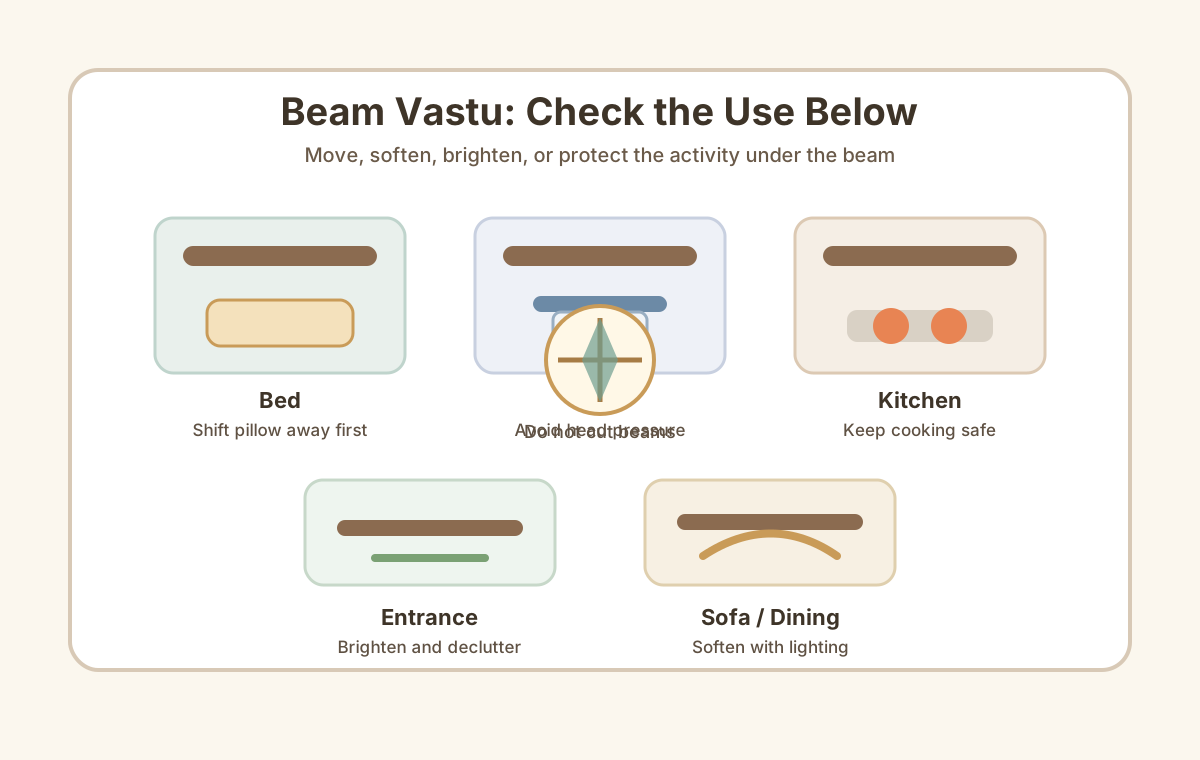
Beam above the bed
The most searched beam Vastu concern is a beam above the bed. Many families ask whether sleeping under a beam is bad because the line is visible when they lie down. If the beam falls above the pillow, head, chest, or centre of the bed, it may create a feeling of pressure. In practical design, it can also divide the ceiling awkwardly and make the bedroom feel smaller.
The first remedy is simple: move the bed if the room allows it. Even a small shift can move the pillow away from the beam line. If the bed cannot move because of wardrobes, doors, or windows, shift the sleeping direction on the mattress if possible. Keep the headboard stable, use calm lighting, and avoid adding heavy shelves above the head. For complete bedroom planning, pair this with Bedroom Vastu and Bedroom Vastu for Better Sleep.
Beam above a study table or work desk
A beam above a desk can affect focus if it sits directly over the head or screen. Students may feel visually boxed in. Remote workers may notice that the desk looks heavy on video calls or that the ceiling line distracts them. Before buying remedies, test the practical setup: chair height, face direction, screen glare, background, light, and storage.
If the desk can move by even six to twelve inches, shift the chair out of the beam line. Face east or north if practical, but do not sacrifice ergonomics. Use a wall lamp, clean pinboard, or light wall colour to make the work corner feel open. For deeper planning, see Study Room Vastu.
Beam above the stove or kitchen platform
A beam above the stove is less common in new modular kitchens, but many older flats have low beams near kitchen entries or service shafts. If the stove is directly below a beam and the cook feels cramped, review whether the platform has another safe cooking position. Fire safety, ventilation, chimney clearance, gas pipe routing, and counter height matter more than symbolic correction.
If the platform is fixed, keep the stove clean, maintain strong lighting, and make sure smoke does not collect near the beam. Do not install a heavy false ceiling that traps heat or blocks chimney service access. Use Gas Stove Vastu and Kitchen Vastu as companion guides.
Beam above the entrance
A beam above the main door or foyer can make the entry feel compressed, especially when paired with a low loft, shoe clutter, weak light, or dark paint. In Vastu, the entrance should feel open, clean, and welcoming. A visible beam does not automatically make an entrance unusable, but it should not be made heavier with bulky storage or dusty decor.
Improve the entry with bright lighting, a clean name plate, minimal shoe storage, and a clear walking path. Avoid hanging very heavy objects from the beam. If a false ceiling is used, keep it serviceable and proportionate. Continue with Entrance and Main Door Vastu.
Beam above sofa, dining, or pooja area
A beam above the sofa or dining table can affect the room if people sit below it every day. In a compact flat, it may not be possible to avoid all beams, so choose the most important seating positions first. Move the main sofa or dining chair line slightly if possible. If not, soften the ceiling line with colour continuity, warm light, or a simple approved ceiling finish.
For pooja areas, avoid placing the shelf directly under a heavy beam if another respectful wall is available. If the home is small and there is no alternative, keep the setup clean, elevated, and visually light. Do not crowd the shelf with unrelated items. Read Pooja Room Vastu and Small Pooja Corner Vastu for apartment-friendly options.
No-demolition beam remedies that actually help
The best remedy is usually furniture placement. Move the bed, desk, sofa, or dining chair so the beam is not directly above the head or centre of the body. This is simple, reversible, and suitable for rented apartments. If the room is tight, move the most sensitive position first. A bed matters more than a side table; a study chair matters more than a decorative console.
The second remedy is visual softening. A low beam feels heavier when it is dark, dusty, sharply contrasted, or poorly lit. Paint the beam and ceiling in a related light shade so the line is less harsh. Add wall washing light or soft ceiling lighting if the electrical plan allows it. Avoid strong shadow lines above the bed or desk.
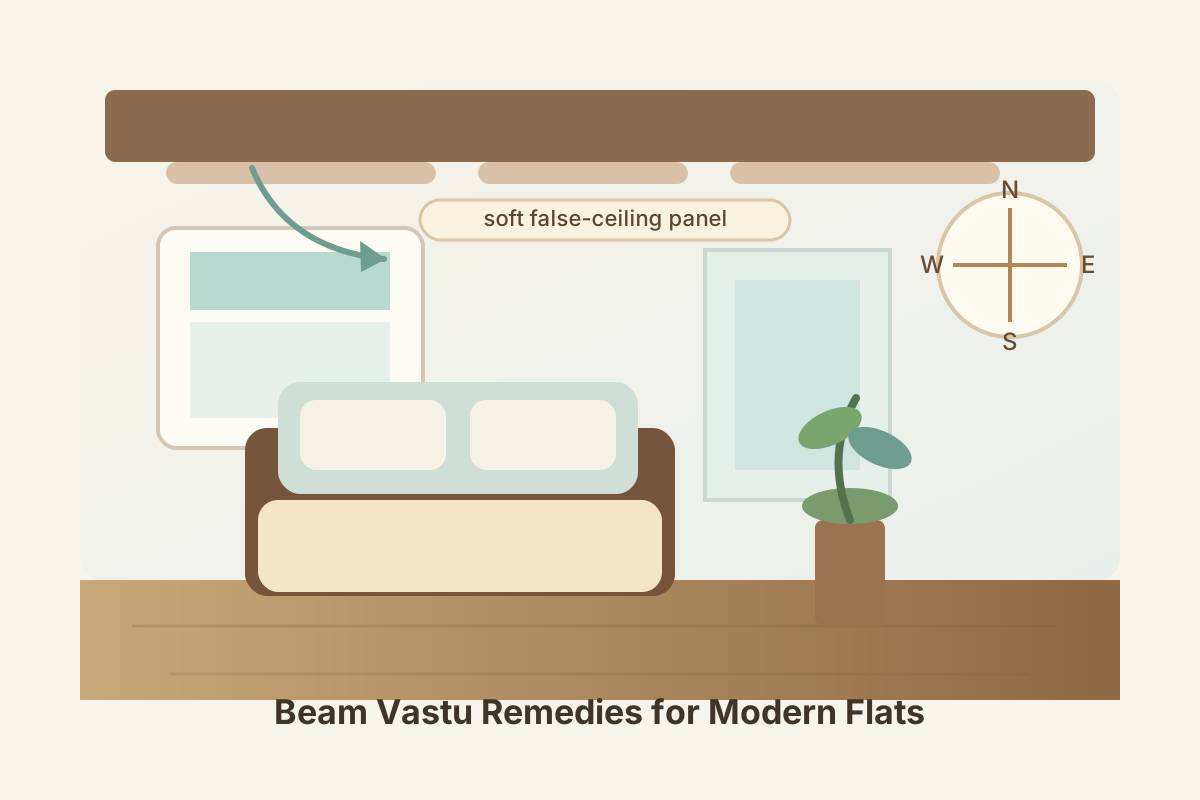
The third remedy is ceiling treatment. A false ceiling, gypsum panel, wooden strip, or fabric-like design feature may soften the beam, but it must be safe, light, serviceable, and suitable for ceiling height. Do not reduce an already low ceiling so much that the room feels more compressed. Avoid trapping moisture, hiding leaks, or blocking access to AC lines, sprinklers, electrical boxes, or smoke detectors.
The fourth remedy is activity change. If a beam is fixed above one spot, change what happens there. Keep storage, a low console, or decor below the beam instead of a bed or study chair. Use the beam zone as a passage, wardrobe edge, or less-used corner. This works well in small flats where every inch has a role.
The fifth remedy is maintenance. Dust on beam edges, water stains, cracks, peeling paint, and dark corners make the beam feel worse. Repair seepage, repaint neatly, clean cobwebs, and improve ventilation. Many Vastu concerns reduce when the home looks cared for.
Beam Vastu comparison table
| Beam location | Why it matters | Best first fix | Avoid |
|---|---|---|---|
| Above bed | Long hours below the beam, especially near head or chest | Shift bed, pillow line, or sleeping side | Heavy shelves or fear-based remedies above head |
| Above desk | May create pressure during study, work, or video calls | Move chair out of beam line and improve light | Ignoring ergonomics for direction alone |
| Above stove | Cooking needs heat clearance, ventilation, and comfort | Check safe counter position and chimney access | Unsafe false ceiling or blocked exhaust |
| Above entrance | Can make arrival feel compressed | Brighten, declutter, and keep passage open | Overhead storage and heavy hanging decor |
| Above sofa or dining | Daily seating below a low beam can feel visually heavy | Shift main seating line or soften ceiling colour | Making the beam darker than the ceiling |
Practical examples for modern homes
Example one: a 2BHK bedroom had a beam exactly above the pillows. The family could not rotate the bed because of wardrobes, but they shifted the bed six inches and moved the pillows to the opposite end. The beam no longer crossed the head. A warm bedside lamp made the ceiling shadow softer. No renovation was needed.
Example two: a student desk sat below a low beam in a compact apartment. The child complained of distraction. Moving the chair slightly, adding a brighter study lamp, and clearing the wall ahead improved focus. The family also used How to Check Directions Correctly to confirm that the new position still felt practical.
Example three: a kitchen had a beam near the chimney. Instead of covering it blindly, the owner asked the carpenter and electrician to keep service access open. Better lighting and a clean counter solved the visual heaviness. This was better than installing a thick ceiling panel that would have reduced height and complicated maintenance.
Example four: a rented flat had a beam above the entry and a bulky shoe rack below it. The real problem was not only the beam; it was clutter. A slimmer shoe cabinet, brighter light, and a clean name plate made the entry feel open. This fits Rental Home Vastu because the solution was reversible.
Beam Vastu checklist
Identify
Mark every visible beam on the plan and note which activity happens below it.
Prioritise
Correct beams above beds, desks, stove, dining seats, and main sofa first.
Move
Shift furniture before spending on ceiling treatment or symbolic remedies.
Soften
Use light colour, balanced lighting, and clean edges to reduce visual pressure.
Maintain
Repair seepage, stains, cracks, and dust around beam corners quickly.
Protect
Never cut or weaken beams. Take professional advice for structural work.
Common beam Vastu mistakes
- Assuming every beam is a serious Vastu defect without checking what is below it.
- Cutting, drilling, chasing, or weakening a structural beam for a cosmetic correction.
- Buying remedies before moving the bed, desk, chair, or sofa.
- Installing a heavy false ceiling that reduces height and makes the room feel lower.
- Covering dampness, cracks, or leakage instead of repairing the source.
- Placing heavy loft storage over the entrance and then blaming only the beam.
- Ignoring light and shadow; dark beams feel heavier than clean, softly lit beams.
- Copying independent-house advice into an apartment without considering fixed beams and limited height.
Best practices for flats and rented homes
In apartments, beams are part of the building frame. Treat them as fixed conditions, similar to shafts, columns, and exterior walls. Your job is to plan furniture intelligently around them. Start with the bedroom because sleep affects daily wellbeing. Then review study, work, cooking, dining, and entrance areas. Do not spend money on a beam that nobody notices while ignoring the one above the bed.
In rented homes, choose reversible corrections. Move furniture, add lamps, use lighter curtains, choose a lower headboard, and keep beam edges clean. Avoid drilling large fixtures into beams or installing permanent ceiling work without owner permission. If the beam is near a balcony or window, keep airflow open and avoid creating a dark, dusty shelf above it.
In owned homes, plan ceiling treatment with professionals. Ask about height, wiring, AC ducts, fan placement, sprinkler clearance, and maintenance access. A beautiful false ceiling that makes the room hot, low, or difficult to repair is not a good Vastu solution. Good Vastu should improve daily comfort, not create hidden problems.
Summary and conclusion
Beam Vastu is mainly about pressure, proportion, and daily use. A beam above a passage or unused corner may need no correction. A beam above the head while sleeping, studying, cooking, or sitting for long hours deserves attention. Start with practical observation, not fear.
The strongest beam remedies are simple: move furniture, shift the activity below the beam, soften harsh ceiling lines, improve lighting, repair stains, and keep the area clean. False ceilings can help when designed safely, but they are not always necessary. Never cut or weaken a beam. Structure is more important than any online remedy.
For a complete home review, combine this guide with Apartment Vastu and Vastu Remedies Without Demolition. A calm, bright, safe, and well-maintained home is always stronger than a fearful checklist.
Frequently asked questions
Is sleeping under a beam bad as per Vastu?
Many Vastu practitioners avoid a beam directly above the head or chest because it can create visual pressure. In practical terms, move the bed or pillow line first, then use soft ceiling treatment only if needed.
Can beam Vastu be corrected without demolition?
Yes. Most flat-friendly corrections are no-demolition: shift furniture, move the pillow or chair position, use a false ceiling panel, improve lighting, reduce clutter, and avoid sitting or sleeping directly under the beam.
Should I cut or remove a ceiling beam for Vastu?
No. Beams are structural members and should never be cut, drilled heavily, weakened, or removed for a Vastu remedy. Consult a structural engineer before any ceiling or beam-related work.
What is the best remedy for a beam above the bed?
The best first remedy is to reposition the bed so the beam is not directly over the head, chest, or centre of the sleeping body. If movement is limited, soften the beam visually with approved ceiling treatment and calm lighting.
Is a beam above a study table a problem?
It can feel distracting if the beam sits directly above the head while studying. Shift the chair or desk slightly, improve light, and keep the wall ahead clean so the student feels open and focused.
Can a stove be placed under a beam?
Avoid placing a stove directly under a low, heavy beam if another safe counter position exists. If the platform is fixed, prioritise ventilation, safe chimney installation, lighting, and comfortable cooking posture.
Are beam remedies needed in every apartment?
No. A beam away from beds, desks, dining seats, and main movement paths may not need action. Correct only the beam that affects daily use, comfort, safety, or visual heaviness.
Can mirrors or pyramids fix beam Vastu?
Do not buy symbolic remedies before solving the practical issue. Furniture movement, light, ceiling finish, cleaning, and proportion usually matter more in modern flats.
How do I check whether a beam is structural?
Assume it is structural unless an architect or engineer confirms otherwise from building drawings. Never cut, chase, or heavily drill a beam based on online advice.
Related Vastu guides
Bedrooms and study
Review the bed and desk first because these are long-use positions.
Kitchen and entrance
Check fire safety, light, storage, and movement before decorative correction.
Apartment fixes
Choose reversible, no-demolition improvements when the layout is fixed.