
Best zone
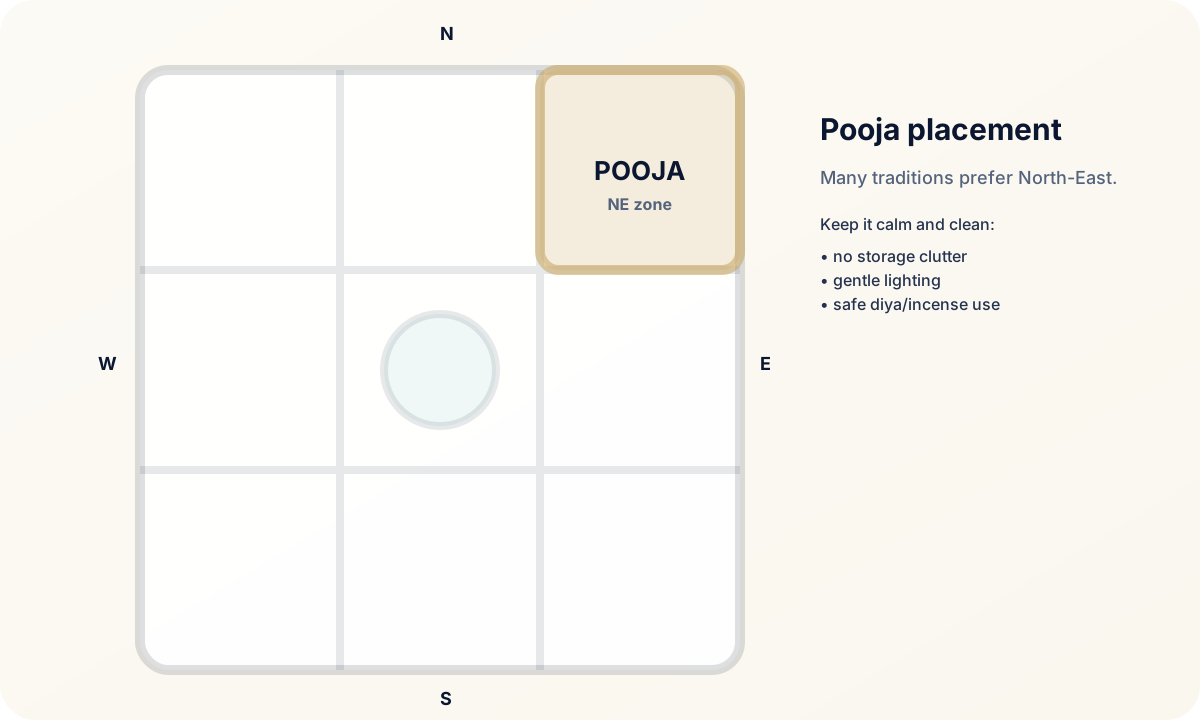
North-East is often preferred, with east or north as practical options.
Best quality
Cleanliness, respect, calm light, and daily discipline.
For flats
A small elevated shelf can work beautifully if maintained well.
Best direction for pooja room
Many Vastu traditions recommend the North-East for pooja because it is associated with clarity, calmness, and spiritual focus; read North-East Corner Vastu for the full explanation. East and north can also work when North-East is not available. In small apartments, the most respectful practical choice is often better than a forced perfect location. Avoid placing the pooja shelf in a dusty, noisy, damp, or neglected corner.
When praying, many people prefer facing east or north. Keep the idols or pictures elevated, clean, and not crowded. The space should be easy to access daily. If you hide it behind storage or place it where shoes, laundry, or random household items collect, the sacred quality reduces.
Pooja corner in apartments
Modern Indian flats may not have a dedicated pooja room, so pair this with Small Apartment Vastu. That is okay. A pooja cabinet, wall shelf, or compact mandir unit can be enough. Choose a calm zone away from the bathroom door, dustbin, shoe rack, and heavy kitchen mess. Keep a small drawer for incense, matchbox, oil, cotton, and prayer books so the surface remains clean.
Do
- Keep the shelf elevated
- Use soft warm light
- Clean regularly
- Keep prayer items organised
Avoid
- Placement near shoes
- Cluttered idols and photos
- Damp walls
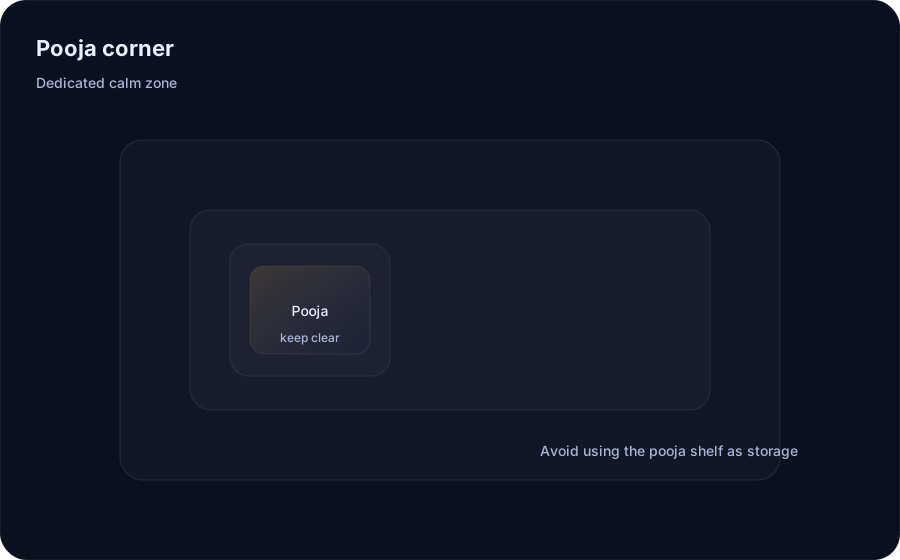
- Storage of unrelated items
Colours and lighting
Soft white, cream, light yellow, pale gold, and gentle wood tones work well for pooja spaces. Avoid heavy dark colours unless balanced with light. The light should feel peaceful, not harsh. A small lamp, clean diya space, or warm LED can create a steady visual centre.
Common pooja room mistakes
The common mistakes are crowding too many items, placing the mandir near clutter, letting oil stains build up, keeping broken frames, using the pooja cabinet as general storage, or placing it in a noisy passage where no one can pause. Sacred space needs respect more than size.
Comparison table: Dedicated room vs compact pooja corner
| Setup | Best use | Key rule |
|---|---|---|
| Dedicated pooja room | Large homes and villas | Keep peaceful and uncluttered |
| Wall shelf | Small flats | Keep elevated and clean |
| Cabinet mandir | Apartments and rentals | Do not mix with random storage |
Detailed pooja room setup guide
A pooja room does not need to be large to feel sacred. It needs clarity, cleanliness, and respect. In many Indian homes, the pooja space slowly becomes crowded with framed photos, old garlands, incense packets, oil bottles, matchboxes, prayer books, coins, small gifts, and festival leftovers. The first step is to simplify. Keep what you actually use and maintain it well.
Choose a place where the family can pause without blocking movement. If the pooja area is in the living room, keep it slightly protected from casual clutter and review Living Room Vastu. If it is in a kitchen corner, make sure it is away from the sink, dustbin, and cooking splashes. If it is in a bedroom because there is no other option, keep it clean and elevated, and avoid placing it beside laundry, shoes, or office files.
Idols and photos should be arranged respectfully. Avoid overcrowding the shelf until cleaning becomes difficult. Keep a small cloth, lamp, incense holder, and prayer book space. If you use oil lamps, ensure fire safety. Keep curtains, paper, and loose fabric away from flame. Good Vastu never ignores safety.
Daily essentials
- Clean surface
- Stable lamp space
- Fresh flowers or simple decor
- Organised incense and oil
- Prayer books stored neatly
Avoid crowding
- Broken frames
- Old garlands
- Too many small items
- Storage of unrelated objects
- Dusty corners behind idols
Pooja Vastu for small apartments
Small apartments need practical spiritual corners. A wall-mounted mandir, compact wooden cabinet, or clean shelf can work beautifully if the placement is thoughtful. North-East is often preferred, but many flats do not provide a perfect North-East wall. In that case, choose east or north if available. If even that is not possible, choose the cleanest and calmest place where the pooja space can be maintained daily.
Avoid placing the pooja shelf directly above a shoe rack, near a dustbin, beside a toilet door, or under a staircase in a dark storage-like space. If the only available space is in the living room, use a small cabinet with doors so the sacred area remains protected when not in use. If you live in a rented flat, choose a movable unit that does not damage walls and can travel with you.
In apartments, smoke alarms, ventilation, and building rules also matter. If incense smoke is strong, use it carefully. Keep windows open when needed. A sacred space should not create breathing discomfort for children, elders, or people with allergies.
Cleanliness as the main remedy
The strongest pooja room remedy is regular cleaning. Remove old flowers before they decay. Wipe oil stains. Clean diya holders. Keep the floor or shelf dry. Do not allow insects, dust, or old ash to collect. If the pooja room is beautiful but difficult to clean, simplify it. A smaller clean space is better than a larger neglected one.
Many families clean deeply before festivals but ignore weekly maintenance. A simple weekly routine works better. Choose one day to remove expired incense packets, arrange books, wash small vessels, clean frames, and check lighting. The energy of the pooja room should feel fresh, not heavy with old offerings.
Daily
Remove used flowers and keep the surface clean.
Weekly
Wipe lamps, frames, shelf, and storage drawer.
Festival
Deep clean, simplify, and arrange only meaningful items.
Family use and emotional atmosphere
A pooja room should bring peace, not pressure. If family members follow different practices, keep the space respectful and inclusive. Avoid using the pooja area as a place for arguments, storage disputes, or household tension. The emotional tone around the space matters. Children learn respect not by fear, but by watching adults maintain the space with care.
If elders need seating, provide a small clean stool or mat. If the pooja shelf is too high for daily use, adjust it. If the lamp area is unsafe for children, redesign it. If the family travels often, keep the setup simple enough to maintain. Vastu should support devotion, not make it complicated.
Realistic pooja room examples
Example one: A 2BHK flat had no pooja room. The family used a North-East living room shelf but kept shoes below it. After moving the shoe cabinet and adding a small drawer for prayer items, the same shelf felt much more respectful.
Example two: A rented apartment had only one suitable wall. The tenant used a compact movable mandir, warm light, and a weekly cleaning routine. Because it was easy to maintain, the space felt calm even without a perfect direction.
Example three: A large house had a dedicated pooja room, but it was full of unused festival items. After decluttering and keeping only active prayer items, the room became peaceful again. Size alone does not create sanctity; care does.
Festival and daily-use planning
Indian homes often use the pooja space more intensely during festivals, vrats, family ceremonies, and special days. Plan for this in advance. Keep extra lamps, cotton, oil, incense, flowers, and cleaning cloths in one labelled box. After the festival, remove dried flowers, ash, packaging, and temporary decorations promptly. A pooja room that stays overloaded for weeks after a festival can feel heavy instead of sacred.
If your pooja room is small, avoid buying large decorative items that cannot be stored or cleaned. Choose quality over quantity. A simple brass lamp, clean cloth, fresh flowers, and warm light can feel more peaceful than a crowded shelf. If children participate, keep flame safety in mind. If elders sit for prayer, make sure the floor, mat, and seating are comfortable.
Daily use should be easy. If prayer items are difficult to reach, the space becomes inconvenient. If oil spills every day, add a tray. If incense smoke bothers someone, reduce it or improve ventilation. If the shelf is too high, adjust it. Respect is shown through thoughtful maintenance, not through impractical arrangements.
Daily
Simple prayer, clean lamp area, fresh surface.
Weekly
Deep wipe, organise items, remove old offerings.
Festival
Prepare supplies, maintain safety, reset after celebration.
A pooja space should help the family pause. If it becomes a source of argument, clutter, smoke, or maintenance stress, simplify it. In Vastu, simplicity with devotion is stronger than decoration without care.
Most searched pooja room concerns
Many readers ask whether a pooja room can be placed in the kitchen. In traditional planning, a separate clean prayer space is preferred, but small apartments often require compromise. If the pooja shelf is in or near the kitchen, keep it away from the sink, dustbin, and direct cooking splashes. It should not feel like another kitchen storage shelf. Use a small cabinet or elevated shelf and maintain it carefully.
Another common concern is whether the pooja room can be in the bedroom. This is not the first preference for many families, but in compact homes it may be the only option. If used, keep the shelf clean, elevated, and separate from clothes, laundry, and office items. Avoid placing it beside the bed in a way that feels casual or cramped. The key is respect.
People also ask how many idols or photos should be kept. There is no need to crowd the space. Keep what your family worships with devotion and can maintain properly. If cleaning becomes difficult, reduce the number of items. Avoid broken frames, torn pictures, and old offerings. A smaller, cleaner arrangement is usually more peaceful.
For rented homes, do not feel guilty if the direction is not perfect. Choose a movable mandir, keep it dignified, and build a steady cleaning habit. Devotion travels with the family; the unit is only a support.
Pooja space checks before buying a home
Many buyers forget to check where the pooja space will go until after possession. During a site visit, look for a calm wall or corner that can hold a shelf or cabinet. Check whether it is away from the shoe rack, dustbin, toilet door, and heavy kitchen splashes. Also check whether there is an electrical point for soft lighting if needed.
In larger homes, ask whether a dedicated pooja room is actually usable. Sometimes a room is labelled pooja room on the plan but is too narrow, poorly ventilated, or placed in a noisy passage. A usable sacred space should allow a person to stand or sit comfortably, clean easily, and access prayer items without strain.
In apartments, a compact pooja unit may be more practical than forcing a separate room. If the North-East is unavailable, choose the cleanest peaceful area. The emotional quality of the space matters: it should invite a pause. If a location feels rushed, dirty, or awkward every day, it is not serving the purpose.
Before moving in, plan storage for festival items separately. Do not overload the daily pooja shelf with everything used only once a year. Keep the everyday space simple and the festival box organised. This keeps the sacred corner fresh throughout the year.
If the family has different traditions, design the pooja space with sensitivity. Some may prefer lamps, some may prefer quiet meditation, and some may use prayer books or chanting. Keep the arrangement flexible enough for real family practice. A sacred space becomes powerful when it is used with sincerity. It should not become a display corner that looks impressive but is difficult to approach, clean, or maintain.
Also consider sound. If the pooja corner is beside a television, washing machine, or noisy passage, create a small visual boundary with a cabinet, curtain, or calm wall treatment. The boundary does not need to be expensive. It simply tells the mind that this area has a different purpose from the rest of the room.
FAQ
Which direction is best for pooja room?
North-East is commonly preferred. East or north can also work when maintained respectfully.
Can I keep pooja room in living room?
Yes, if the space is clean, elevated, calm, and away from shoes, dustbins, and clutter.
Can a rented flat have a pooja shelf?
Yes. Use a movable cabinet or shelf that is clean, respectful, and easy to maintain.
Related guides
Read Pooja Room Vastu, Small Apartment Vastu, Home Vastu, and Vastu FAQ.
More Vastu guides to read next
Home and layout
Home Vastu, Apartment Vastu, Balanced Layout, Small Apartment Vastu
Directions and buying
Check Directions, Main Door Vastu, East-Facing House, North-Facing House
Room-wise help
Kitchen Vastu, Bedroom Vastu, Bathroom Vastu, Pooja Room Vastu
Focus and work
Study Room Vastu, Home Office Vastu, Wealth Vastu, Office Vastu
Remedies and support
Vastu Remedies, No-Demolition Remedies, Vastu FAQ, Trust and Support
Popular blog topics
Kitchen Do's and Don'ts, Mirror Vastu, Vastu Plants, Brahmasthan Vastu