
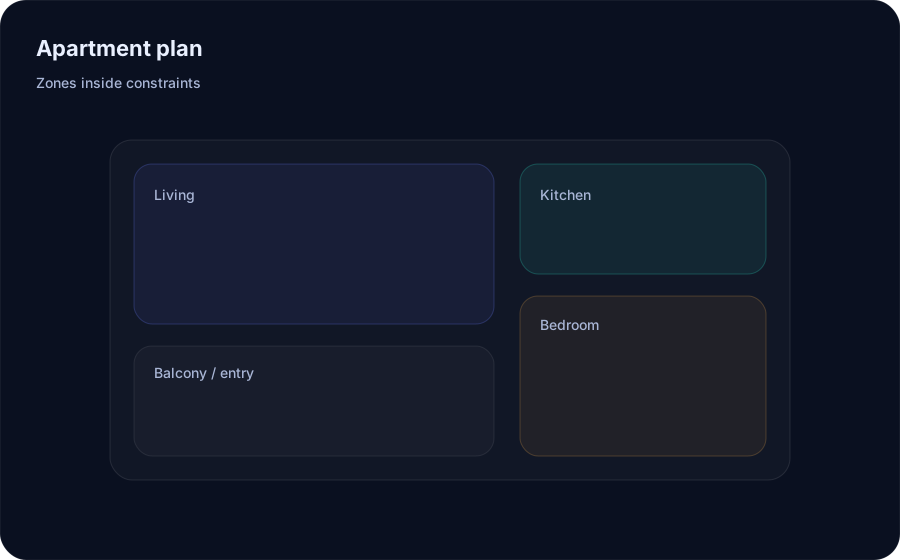
Main idea
When walls cannot move, improve flow, light, cleanliness, and placement inside each room.
Best for
1BHK, 2BHK, rented flats, compact city apartments, and builder-fixed layouts.
Avoid fear
A small flat is not “bad” just because one room is not perfect. Balance matters more.
Why Vastu for small apartments needs a different approach
Traditional Vastu advice often assumes that you are designing an independent house from scratch. You can choose the plot, place the kitchen in the South-East, keep the master bedroom in the South-West, open the North-East, and plan every toilet carefully. That is useful when you are building a home. But most city buyers and renters in India do not get that freedom.
In Mumbai, Bengaluru, Chennai, Hyderabad, Pune, Delhi NCR, Kochi, and other dense cities, apartment layouts are shaped by building cores, plumbing shafts, parking grids, lifts, ventilation rules, and builder economics. The flat may be lovely, but the kitchen might be in the North-West, the bathroom may share a wall with the kitchen, or the entrance may not match the direction you wanted. This is where practical apartment Vastu becomes important.
Instead of asking, “Is my flat perfect?” ask, “How can I make this fixed layout healthier, calmer, and more supportive?” That question opens many useful solutions. You can improve lighting, reduce clutter, create better storage zones, separate water and fire inside the kitchen, choose calmer colours, and protect the main entrance from visual mess. These are not cosmetic changes only. They change how the flat functions every day.
Start by checking directions correctly
Before applying any rule, confirm the direction of the flat with How to Check Directions Correctly. Many people make decisions based on a broker’s statement, a builder brochure, or one phone compass reading taken near a lift lobby. That is risky. Reinforced concrete, electrical wiring, refrigerators, and metal railings can affect phone compass readings inside apartments.
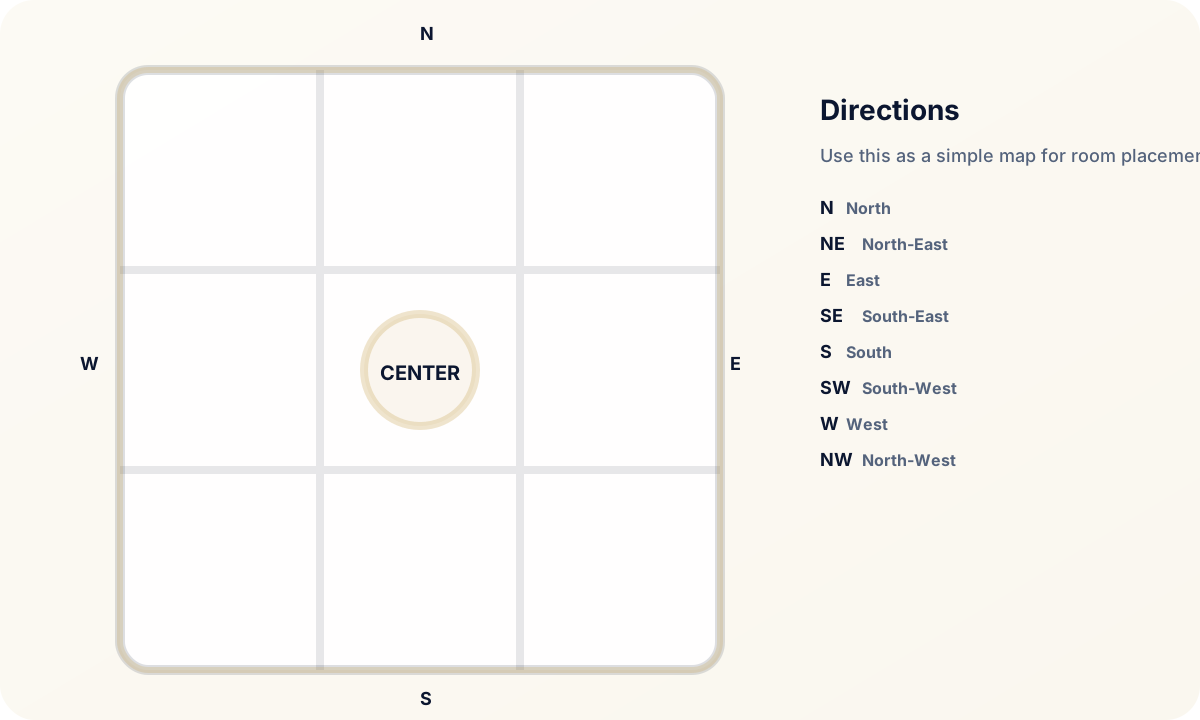
The most reliable method is to use the architectural floor plan with a north arrow. Mark the entrance, kitchen, bedrooms, toilets, balcony, and living room. Then label the major zones: North, East, South, West, North-East, South-East, South-West, and North-West. If you do not have a plan, use a rough sketch and cross-check with Google Maps satellite view and a compass reading near a balcony or window.
Simple direction method
- Get the floor plan or draw a rough sketch
- Confirm north using plan, map, or compass
- Mark all rooms and fixed plumbing zones
- Apply room-wise improvements after marking zones
Avoid these mistakes
- Assuming the top of the plan is always north
- Checking compass near fridge, lift, or main door metal grill
- Confusing flat-facing direction with building-facing direction
- Changing things before confirming actual zones
Read next: How to Check Directions Correctly.
The four principles that matter most in compact flats
When space is limited, small decisions become large. A shoe rack in the wrong place can make the entrance feel blocked. A bed with storage stuffed under it can make the bedroom feel heavy. A dark kitchen with poor exhaust can make the entire home feel dull. In small apartment Vastu, four principles give the best results.
1. Keep the centre light
The centre of a home, often called Brahmasthan in Vastu, should feel open and easy to cross. In a flat, you may not have a large centre, but avoid loading the middle with boxes, unused furniture, heavy partitions, or cluttered dining chairs.
2. Protect the entrance
The main door is the first energy transition. Keep it bright, clean, and easy to open fully. Avoid dustbins, broken footwear, delivery bags, and dark corners near the entrance.
3. Separate fire and water
If the kitchen cannot move, improve the stove-sink relationship. Even a small counter gap, tray, or layout shift can reduce the feeling of conflict between cooking and washing.
4. Use light as a remedy
Bright, clean light changes the mood of a small flat quickly. Use daylight where possible, warm lamps in evenings, and under-cabinet lighting in kitchens or study corners.
Room-wise Vastu tips for small apartments
The best apartment Vastu is practical and room-wise. Do not try to fix the whole home in one day. Start with the spaces you touch every morning and night: entrance, kitchen, bedroom, bathroom, and work area. Once these feel better, the entire flat becomes easier to maintain.
Entrance and main door
In a small apartment, the entrance often opens directly into the living room, a passage, or a shoe storage wall. This means the entrance can easily become congested. Vastu-wise, the main door should feel welcoming, clean, and unobstructed. Practically, it should also allow movement without bumping into furniture or stacked items.
Do
Keep the door area bright, clean, and easy to open fully.
Avoid
Do not place trash, broken shoes, or old cartons near the entry.
Upgrade
Use a slim shoe cabinet, warm wall light, and a simple nameplate.
If the entrance direction is not ideal, do not panic. Focus on cleanliness, lighting, and dignity of the entry. Add a neat threshold, avoid mirror reflection directly facing the main door if it creates visual restlessness, and keep keys in a fixed bowl or drawer so the entry does not become chaotic.
Living room
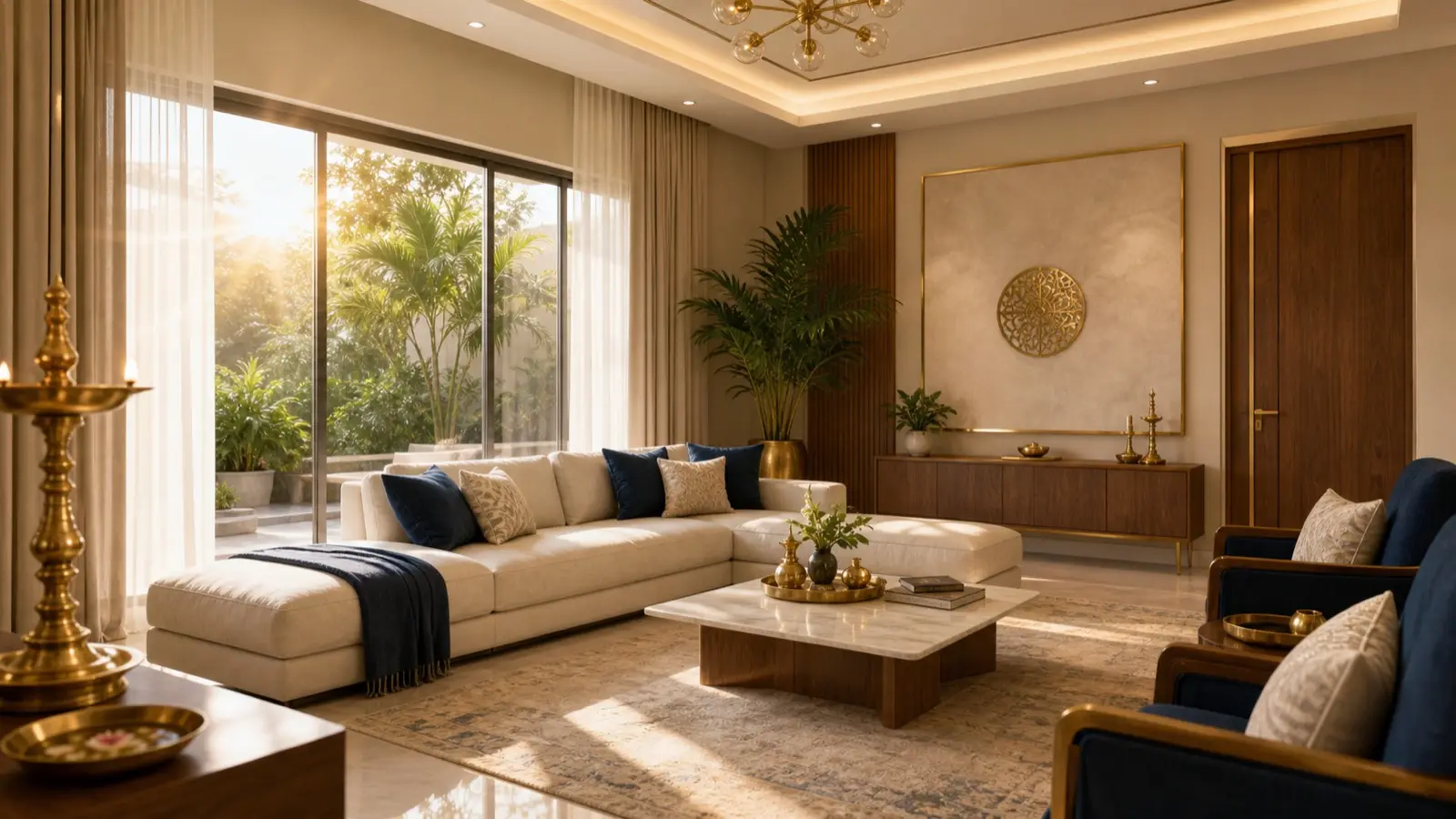
In many small flats, the living room is also the dining room, work zone, prayer corner, and sometimes guest sleeping area. Its Vastu role is therefore very important. The living room should support movement, conversation, and light. Avoid making it a storage dump.
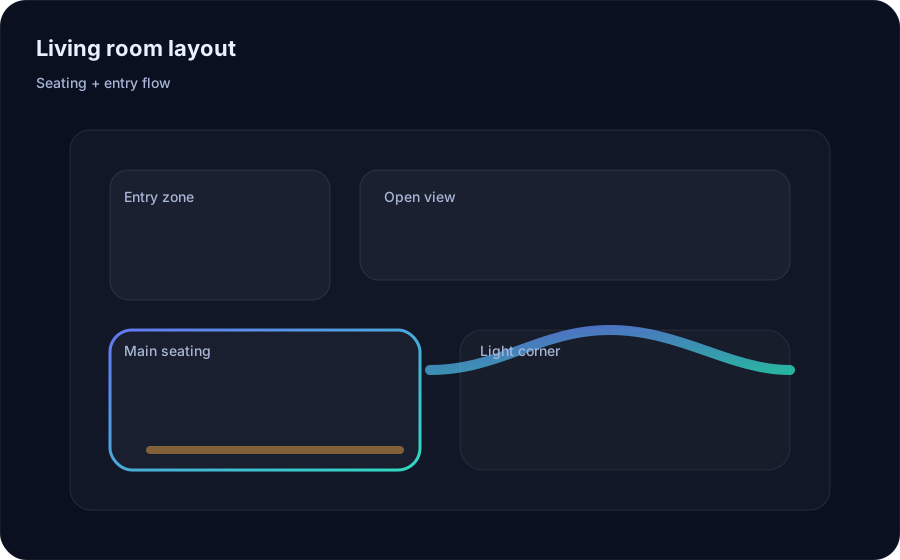
Place heavier furniture toward the south or west side where possible. Keep the north and east sides lighter and more open, especially if they receive daylight. If your sofa must be elsewhere, focus on clear circulation. Avoid placing tall storage where it blocks a window or balcony door. A small flat needs every bit of light it can get.
Kitchen
Kitchen location is usually fixed in apartments because plumbing and exhaust shafts are fixed, so use Kitchen Vastu Dos and Don'ts for practical corrections. Instead of worrying about what cannot move, improve the fire-water balance inside the kitchen. Traditionally, many Vastu systems prefer the kitchen in the South-East, with North-West as a second option. In flats, place the cooktop on the South-East side of the kitchen room if possible and keep the sink slightly away from the stove.
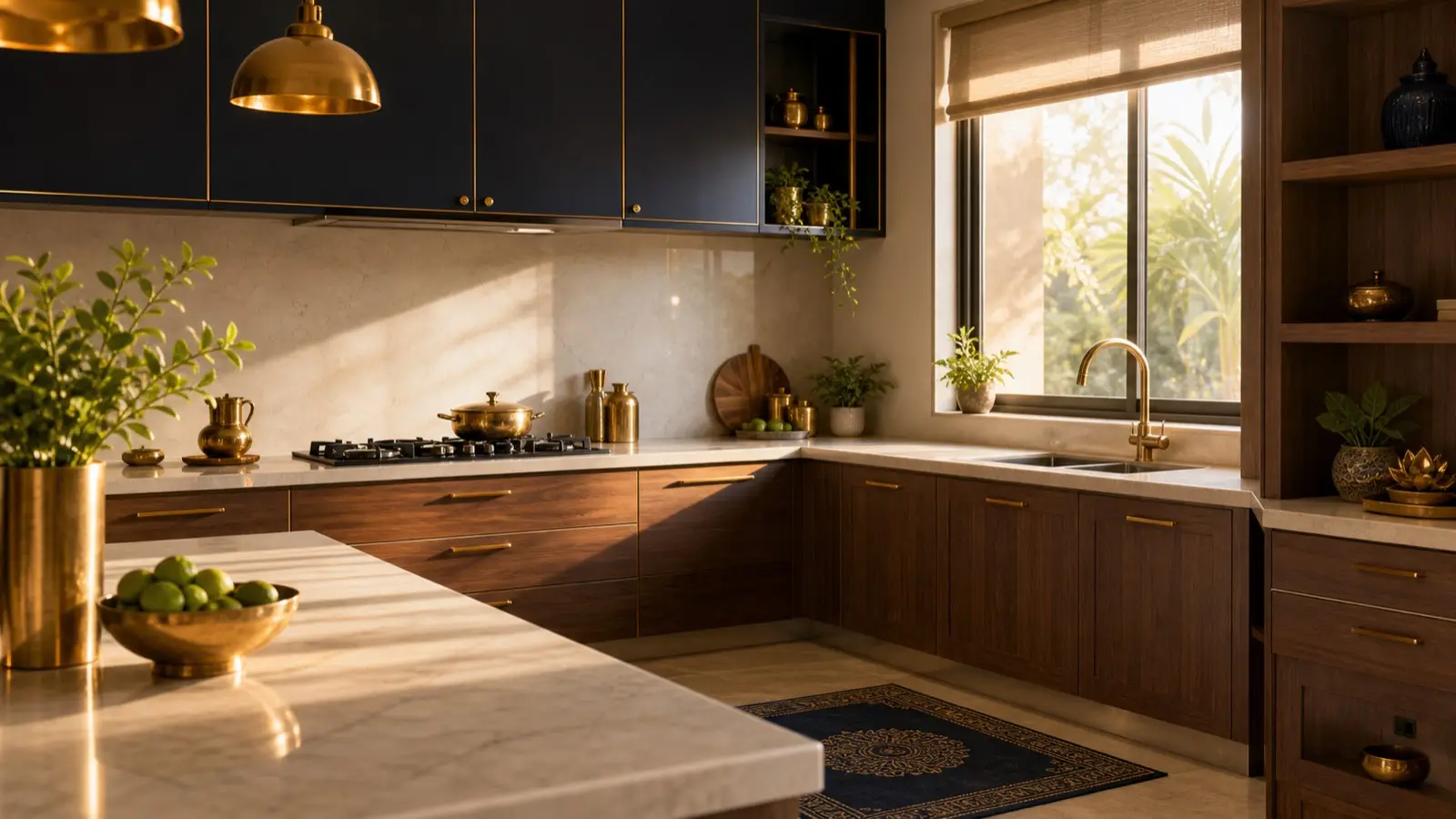
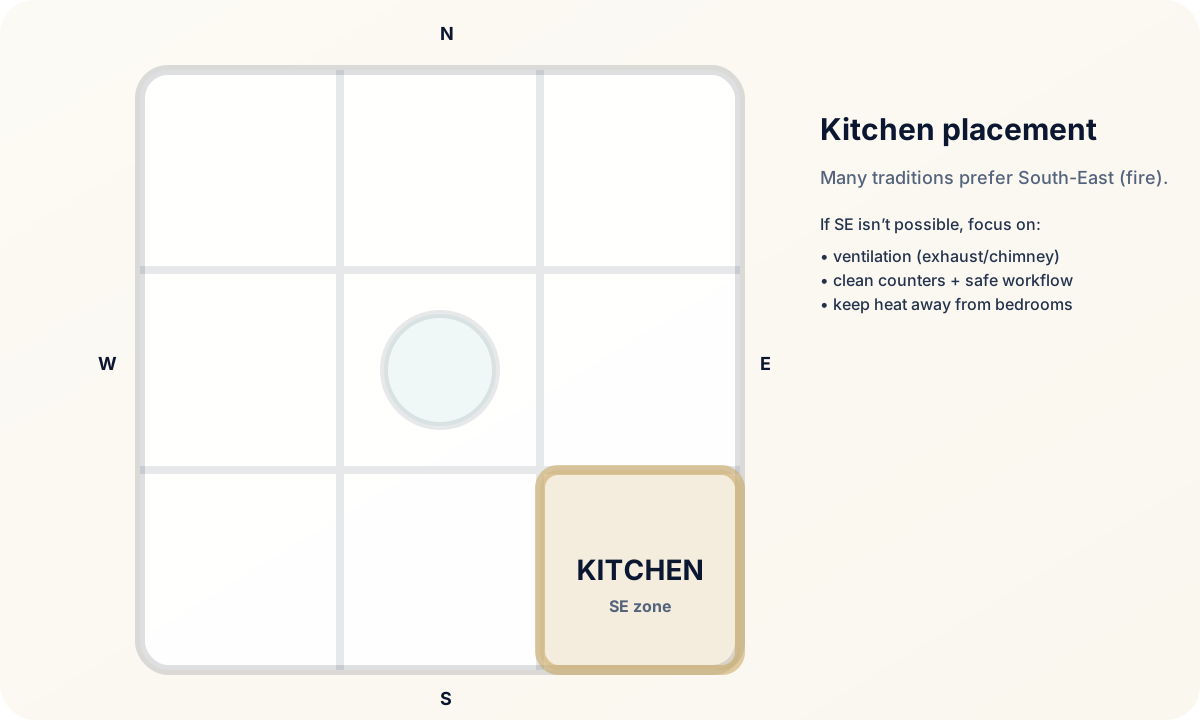
Good kitchen Vastu in small flats also means ventilation. A smoky, oily, dark kitchen can affect the living room and bedroom mood, especially in open layouts. Clean the chimney filters, keep a covered bin, repair leaks quickly, and avoid storing old plastic containers and expired ingredients. These are simple remedies that work every day.
Bedroom
The bedroom in a small apartment must do heavy emotional work. It is where you sleep, recover, store clothes, and sometimes work. Vastu guidance often prefers the master bedroom in the South-West. In a fixed apartment, you may not have that option. So focus on bed placement, storage weight, and sleep quality.
Better choices
- Keep the head toward south or east when practical
- Use calmer wall colours and soft lighting
- Keep mirrors from reflecting the bed directly if it disturbs sleep
- Avoid office files and laptop clutter near pillows
Watch-outs
- Heavy boxes under the bed can make the room feel loaded
- Bright blue-white light at night can reduce relaxation
- Sharp furniture corners near the bed create discomfort
- Too many open shelves collect visual noise
Bathroom and toilet
Bathrooms in apartments are almost impossible to relocate; see Bathroom and Toilet Vastu for no-demolition fixes. The practical Vastu solution is cleanliness, dryness, ventilation, and odour control. Keep the bathroom door closed when not in use, repair leaks, clean drains, and avoid storing unrelated items inside. In a small flat, bathroom smell spreads quickly, so ventilation is not optional.
Use light colours, a working exhaust fan, and a fixed cleaning schedule. If the bathroom shares a wall with the kitchen or bedroom, keep both sides especially dry and uncluttered. A clean bathroom is one of the strongest no-demolition remedies in compact homes.
Study or work-from-home corner
Many Indian apartments now need a work desk, but there is no separate study room. A dining table becomes a laptop zone; the bedroom becomes a meeting room. Vastu-wise, create a defined work corner rather than letting work spread everywhere.
Direction
Facing east or north is often preferred for study and work.
Lighting
Use focused task lighting so the corner feels intentional.
Boundary
Close the laptop or cover files after work to reset home energy.
Comparison table: Structural changes vs no-demolition apartment Vastu
The table below helps you choose realistic solutions. In small apartments, the best first step is usually not renovation. It is a smart adjustment that improves daily experience without disturbing the building, landlord, budget, or family routine.
| Issue | Major change | No-demolition fix | Why it helps |
|---|---|---|---|
| Kitchen not in ideal zone | Move plumbing and kitchen | Improve stove-sink separation, exhaust, lighting | Reduces heat-water conflict and cooking stress |
| Entrance feels blocked | Change door position | Slim shoe cabinet, better light, clear opening path | Makes arrival calmer and more welcoming |
| Bedroom feels heavy | Change room allocation | Reduce under-bed storage, soften light, reposition mirror | Supports sleep and reduces visual pressure |
| Bathroom in sensitive zone | Relocate toilet shaft | Keep dry, ventilated, closed, and leak-free | Controls odour, moisture, and hygiene issues |
| No separate pooja room | Create new room | Use a clean elevated shelf in a calm corner | Creates respect and consistency without taking space |
Storage Vastu: the hidden secret of small flats
Most small apartments do not feel uncomfortable because of direction alone. They feel uncomfortable because every surface is doing too much. The dining table becomes storage, the sofa becomes a laundry zone, the balcony becomes a dumping area, and the bedroom becomes a warehouse. Vastu speaks often about balance, and storage is where balance becomes visible.
Keep heavy storage toward south and west where possible. Keep north and east areas lighter, especially near windows and balconies. Use closed storage for items that are visually noisy: cleaning supplies, old papers, extra wires, tools, and medicine boxes. Open shelves are beautiful only when they are curated. If every shelf is full, the home will feel smaller than it is.
Keep
- One donation box for items leaving the home
- One drawer for keys, bills, and chargers
- Closed cabinets for heavy or unattractive items
- Clear balcony corners for light and airflow
Remove
- Broken appliances waiting for repair forever
- Expired medicines and old cosmetics
- Duplicate containers without lids
- Unused cartons near the main door or bed
Colours, light, and plants for apartment balance
Small flats need colours that reflect light. Heavy colours can look luxurious in large rooms, but in compact apartments they can make walls feel closer. Use warm whites, soft creams, gentle greens, muted yellows, and light earthy tones. If you love darker shades, use them as accents on one wall, cushions, frames, or cabinets rather than covering the entire room.
Lighting is equally important. A single harsh tube light makes a room functional but not comforting. Layer the light: ceiling light for cleaning, wall or floor lamp for evening, under-cabinet light for kitchen, and a focused light for study. This is one of the most affordable ways to make a small apartment feel bigger and calmer.
Plants can help if you can maintain them. Choose easy indoor plants and keep them healthy. A dying plant, muddy pot, or water leakage near a wall creates the opposite effect. In balconies, keep plants organised so they do not block drainage or sunlight.
Vastu for rented small apartments
Renters need especially practical Vastu. You cannot drill everywhere, change tiles, move plumbing, or paint without permission. So use reversible solutions: lamps, curtains, movable storage, rugs, door mats, removable hooks, clean shelves, and furniture placement. These changes are easy to take with you when you move.
If your rented flat has an awkward entrance, use lighting and cleanliness. If the kitchen is fixed, improve stove-sink separation and exhaust. If the bedroom is small, reduce under-bed storage and keep a calm sleep corner. If you have no pooja room, use a clean shelf. These adjustments are enough to create a respectful, balanced home without ownership-level renovation.
Common mistakes in small apartment Vastu
Mistakes
- Trying to apply independent-house rules rigidly to a flat
- Buying many “remedy” items before fixing clutter and light
- Ignoring ventilation in kitchen and bathroom
- Keeping broken things because “we may use it someday”
- Blocking balcony light with storage racks
- Using mirrors randomly without checking what they reflect
Better choices
- Fix one room per weekend instead of the whole flat at once
- Keep the centre and entrance clear before buying decor
- Use light colours and layered lighting
- Repair leakage and exhaust problems quickly
- Store heavy items in stable zones
- Use internal checklists from room-wise guides
Mini case studies from modern Indian homes
Case 1: A 1BHK where everything was in one room
A 1BHK owner in Pune used the living room as work area, dining space, and guest room. The home felt permanently busy. The solution was not structural. The work table was moved near better daylight, the sofa path was cleared, a closed cabinet replaced open clutter, and evening lighting was softened. The flat immediately felt more restful because each activity had a defined zone.
Case 2: A rented flat with a North-East toilet
The tenant was worried about a toilet in a sensitive direction. Since moving it was impossible, the focus shifted to cleanliness and control: exhaust fan repair, leak fixing, door kept closed, light colours, and no storage of unrelated items. The emotional fear reduced because the practical problem was handled with discipline.
Case 3: Open kitchen facing the living area
A Bengaluru apartment had a beautiful open kitchen, but cooking smell and dishes made the living room feel untidy. The family cleaned the chimney filter, created a covered wet/dry bin system, moved the dish rack out of direct sight, and added under-cabinet lighting. The same layout started feeling premium.
Small apartment Vastu checklist
Entrance
- Door opens fully
- Shoe area is closed and neat
- Entry has warm light
- No trash or broken items nearby
Kitchen
- Stove and sink separated
- Exhaust works well
- Counter is not overloaded
- Leakage fixed quickly
Bedroom
- Bed has calm placement
- Mirror does not disturb sleep
- Under-bed storage is reduced
- Work clutter is removed at night
Bathroom
- Dry and ventilated
- Door kept closed
- No leakage or odour
- Cleaning items stored neatly
Storage
- Heavy items south/west if possible
- North/east windows kept open
- Donation box used monthly
- Broken items removed
Energy
- Morning ventilation routine
- Layered evening lighting
- Plants are healthy
- Centre pathway is clear
Related guides for deeper reading
Apartment basics
Room-wise help
Planning support
Help pages
FAQ: Vastu for small apartments
Can a small apartment be good as per Vastu?
Yes. A small apartment can feel balanced when entrance, light, ventilation, storage, kitchen hygiene, and bedroom comfort are handled well. Vastu is not only about large plots or independent houses. In flats, practical balance matters more than perfection.
What if I cannot change the kitchen location?
Improve what is inside the kitchen. Keep the stove and sink separated, maintain strong exhaust, fix leaks, keep counters clean, and place heavy storage thoughtfully. These no-demolition changes often make a fixed kitchen feel much better.
Which direction is best for sleeping in a small flat?
Many Vastu traditions prefer sleeping with the head toward south or east. If room size does not allow it, choose the calmest practical bed position, avoid mirror disturbance, reduce clutter, and keep the sleep area quiet and softly lit.
How do I improve Vastu in a rented apartment?
Use reversible solutions: movable lamps, curtains, rugs, closed storage, neat shoe cabinets, plants, and furniture placement. Avoid major drilling or renovation unless the landlord approves. Rented-home Vastu should be practical and removable.
Is clutter really a Vastu problem?
Yes, especially in small flats. Clutter blocks movement, collects dust, creates visual pressure, and makes the home harder to clean. Removing broken, unused, and expired items is one of the simplest apartment Vastu improvements.
What should I do if the bathroom is in a bad direction?
Since apartment bathrooms usually cannot move, focus on dryness, ventilation, odour control, leak repair, and keeping the door closed. A clean and dry bathroom is a strong practical remedy.
Can mirrors help in small apartment Vastu?
Mirrors can make a room feel larger, but they should reflect something pleasant and orderly. Avoid mirrors that reflect the bed directly if it disturbs sleep, or mirrors that double clutter near the entrance.
What is the fastest Vastu improvement for a compact flat?
Clear the entrance, open windows for fresh air, remove visible clutter, fix kitchen and bathroom odours, and improve lighting. These changes are fast, inexpensive, and noticeable within a few days.
More Vastu guides to read next
Home and layout
Home Vastu, Apartment Vastu, Balanced Layout, Small Apartment Vastu
Directions and buying
Check Directions, Main Door Vastu, East-Facing House, North-Facing House
Room-wise help
Kitchen Vastu, Bedroom Vastu, Bathroom Vastu, Pooja Room Vastu
Focus and work
Study Room Vastu, Home Office Vastu, Wealth Vastu, Office Vastu
Remedies and support
Vastu Remedies, No-Demolition Remedies, Vastu FAQ, Trust and Support
Popular blog topics
Kitchen Do's and Don'ts, Mirror Vastu, Vastu Plants, Brahmasthan Vastu
Conclusion
Vastu for small apartments is not about feeling trapped by a fixed layout. It is about using intelligence and care inside the layout you already have. A compact flat can feel balanced when the entrance is clean, the centre is light, the kitchen is ventilated, the bedroom supports rest, the bathroom stays dry, and storage does not overpower the home.
Start with direction checking, then improve one zone at a time. You do not need to break walls to make the home feel better. In many Indian apartments, the most powerful Vastu changes are simple: remove what is broken, let light in, create clear pathways, respect the kitchen, and protect the peace of the bedroom.