

What is a “north facing house” (in simple words)?
A “north-facing house” usually means the main entrance/approach is on the north side, or you face north when you stand inside and look outward from the main door. In India, people often use the phrase loosely, so you must confirm how it is defined for your property.
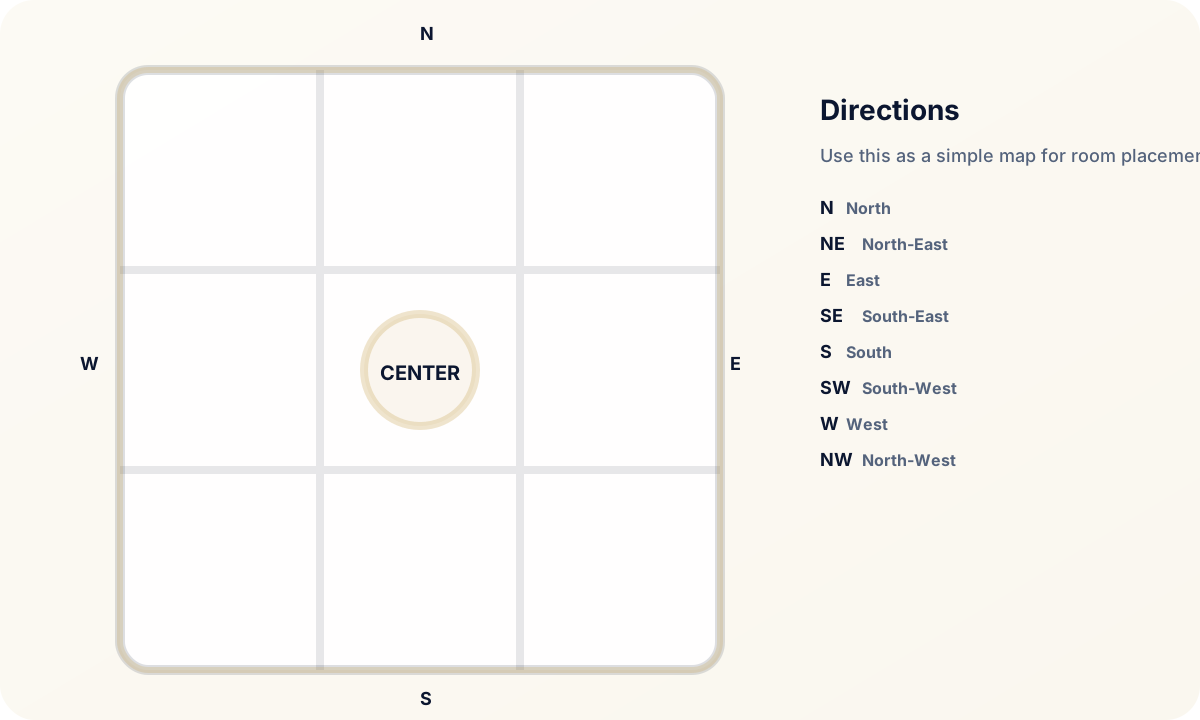
In apartments, this confusion becomes bigger: some people call a flat “north facing” because the balcony is on the north. Others use the main door wall. For Vastu planning, the most useful thing is: identify the main door zone and the NE/SE/SW/NW corners on a floor plan.
Facing vs entrance zone (beginner clarity)
Facing is the general direction (north/south/east/west). Entrance zone is more specific: where the door sits along the wall (NE/N/NW on the north wall, etc.). Most Vastu discussions around “good entry” are about the entrance zone, not the label alone.
Quick verify method
Use two checks: (1) building plan with north arrow, and (2) Google Maps / compass cross-check. If the two disagree significantly, pause and re-check. Direction mistakes are the #1 reason people get confused.
North facing house Vastu: myths vs facts
North facing homes are often marketed as “premium” in India. That creates myths. Let’s clear the common ones in a practical way.
Myth: North-facing automatically brings money
Fact: Vastu isn’t a guaranteed money machine. What north-facing often gives is good daylight feel, easier ventilation choices, and a clean entry experience—if planned well. Financial stability comes from real factors: income, savings, and good decisions. Use Vastu as a layout framework, not a promise.
Myth: Any north door is “perfect”
Fact: Door position, approach cleanliness, and what you see after entering matter more than the label. A north entry that opens into clutter, a toilet view, or a tight dead-end won’t feel premium. See Entrance & Main Door Vastu.
Myth: North-facing means NE is always free
Fact: In many layouts (especially apartments), the NE corner can still be blocked by toilets, shafts, or storage. Vastu practice often keeps NE lighter and cleaner. If NE is fixed, you can still improve results through hygiene, ventilation, and decluttering.
Myth: Facing matters more than room placement
Fact: For daily comfort, room placement and routines usually matter more. Kitchen ventilation, bedroom sleep quality, and toilet hygiene often decide peace in a home. Use Home Vastu as your real checklist.
How to verify if your house is truly north-facing
Before you apply any rule, confirm direction correctly. Here’s the beginner-friendly approach:
Method A: Building plan (best for flats)
Ask for a floor plan that shows a north arrow. Mark the main door. If the door is on the north wall, the property is commonly called north facing. Then label NE/SE/SW/NW corners on the plan for room placement.
Related: How to Check Directions Correctly
Method B: Google Maps (best for plots)
Use satellite view to confirm which side faces the road and how the building is oriented. This avoids indoor compass errors. For plots, road side usually decides plot-facing. Then confirm on site with a magnetic compass if needed.
What matters most in north-facing house Vastu
A north-facing label is only one input. These are the high-impact priorities that make a north-facing home feel “premium” and balanced:
1) Clean entrance approach
Keep the entry bright, uncluttered, and easy to walk through. Avoid trash, shoe piles, and broken items near the door. This matches Vastu intent and also improves real life.
2) A light NE corner
Many traditions keep NE for pooja or calm. In modern homes, “light NE” can simply mean: no heavy storage, no dampness, and a clean corner. If you want, keep a simple pooja shelf. See Pooja Room Vastu.
3) Kitchen zone and ventilation
Kitchen is commonly placed in SE. If it’s fixed elsewhere, focus on ventilation, cleanliness, and safe fire/water separation. See Kitchen Vastu.
4) Master bedroom stability
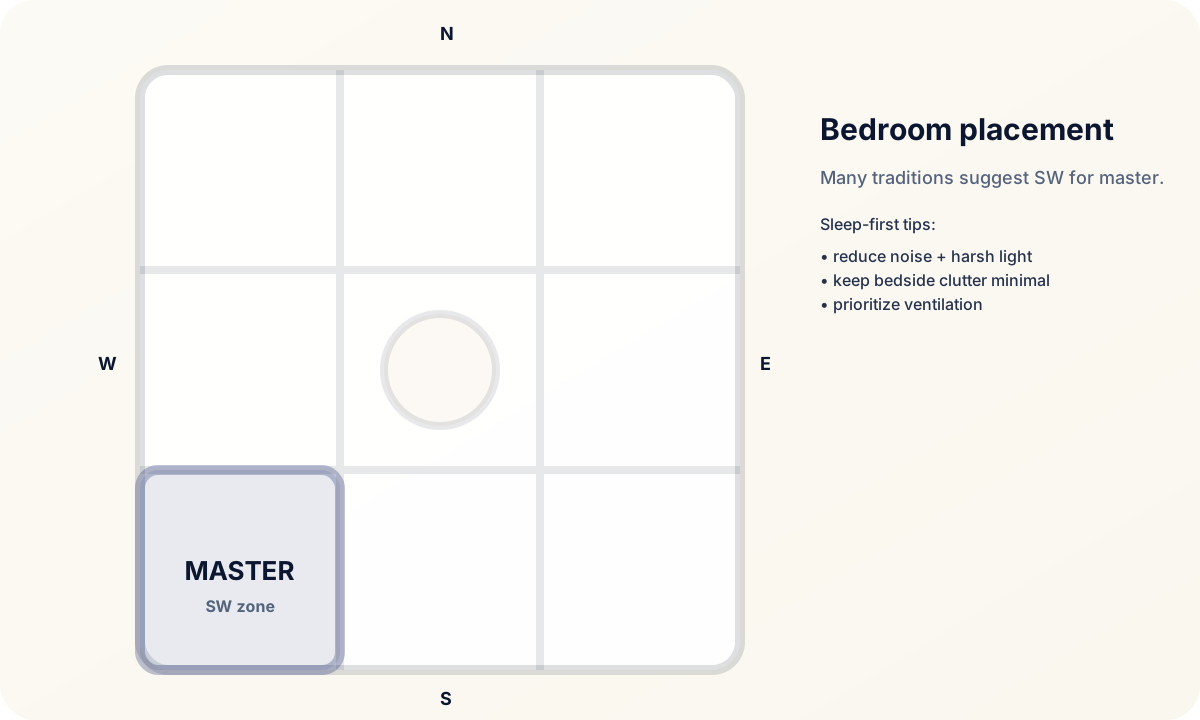
Many Vastu approaches place master bedroom in SW. Even if you can’t, you can still improve rest: reduce glare, reduce noise, and avoid mirrors facing the bed. See Bedroom Vastu.
Room-by-room guide for north-facing homes
Use this as a planning map. If you’re buying a flat, apply this to the floor plan. If you’re building a house, apply it to the architectural plan. If anything is fixed, use the “no-demolition” fixes from Vastu Remedies.
Main entrance (north-facing)
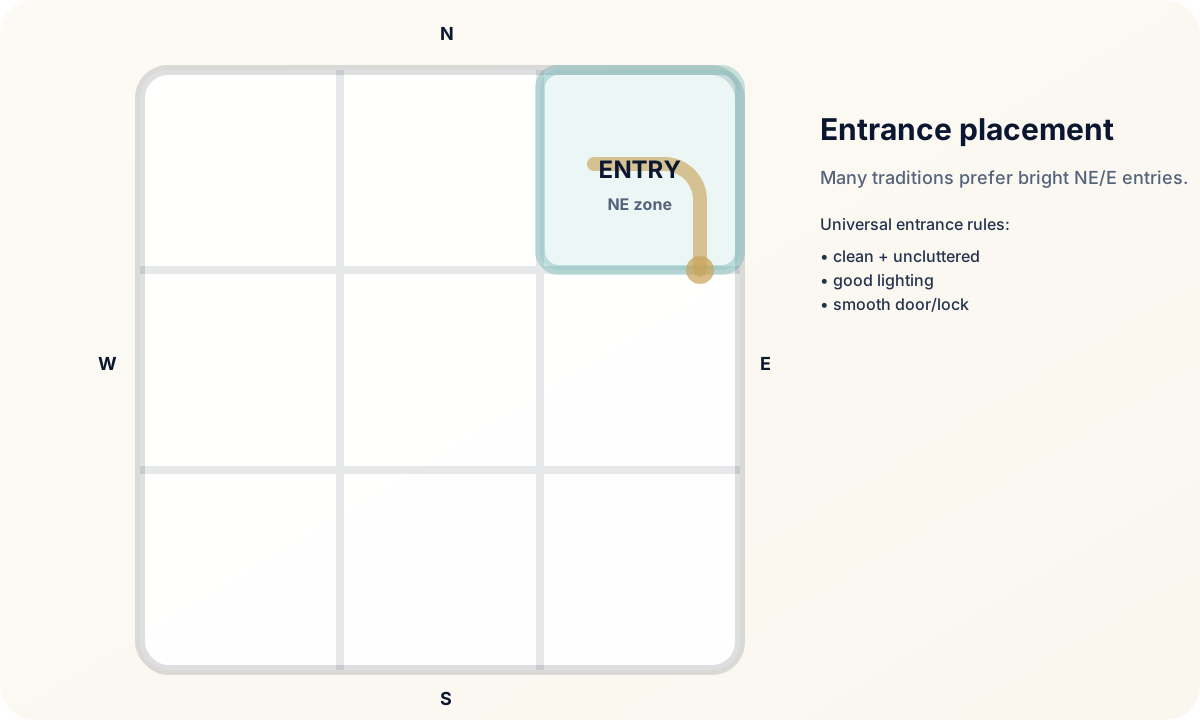
A north entry is often considered good in many traditions, but the door should still be placed thoughtfully and maintained well. Practical tips: good lighting, clear walkway, no clutter, and a pleasant first view inside the home.
Avoid: door opening to a toilet view, clutter wall, or tight dead-end. Read: Entrance / main door.
Living room
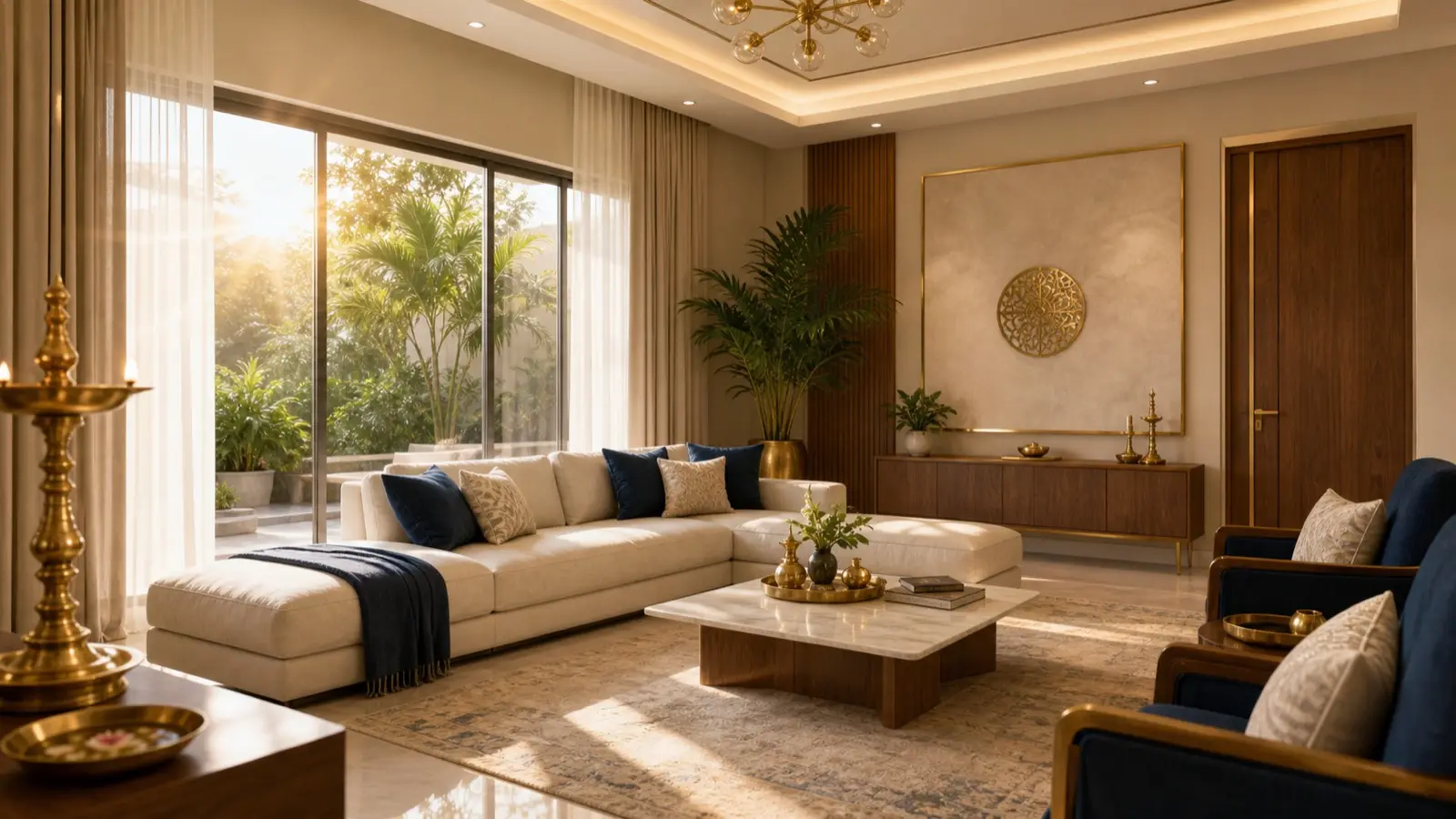
Many homes keep living in north/east zones for openness. The practical goal: daylight, ventilation, comfortable seating, and uncluttered circulation. Living room is where “energy” is felt most—often because it’s the most used space.
Read: Living Room Vastu.
Kitchen
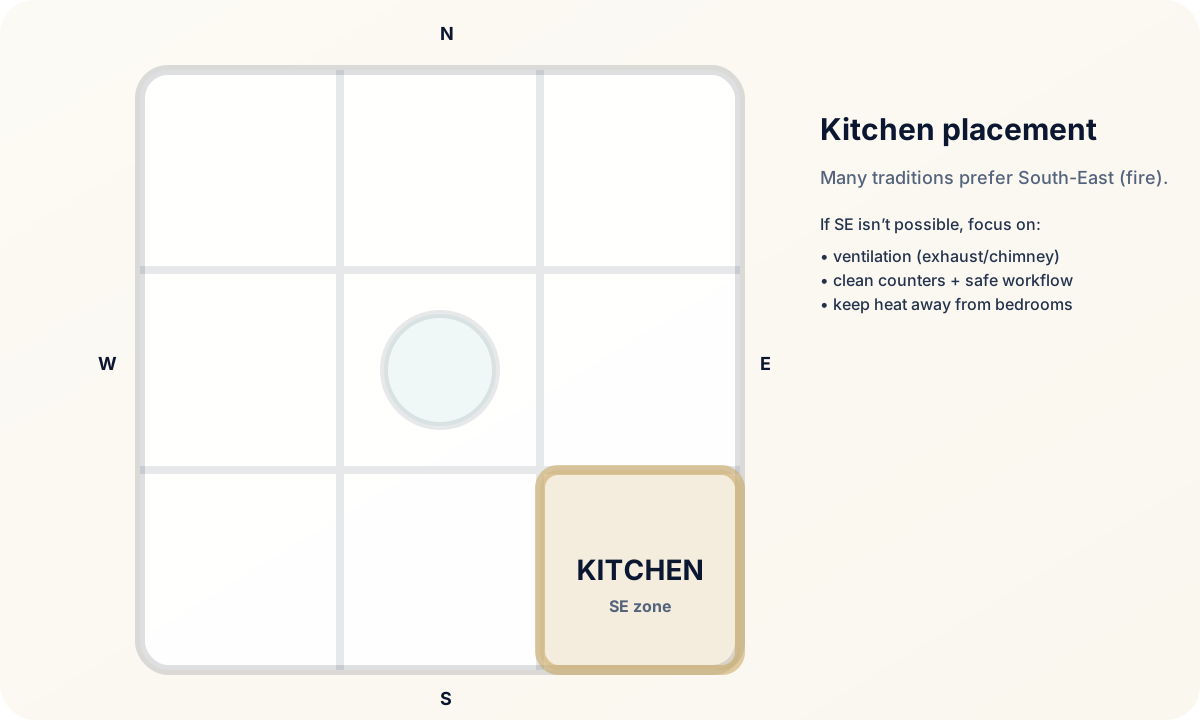
SE is commonly recommended. If you have a north-facing house with kitchen elsewhere, your best fix is: ventilation + cleanliness + smart internal placement. Keep stove and sink separated, reduce smoke, and keep counters uncluttered.
Read: Kitchen Vastu.
Bedrooms
Master bedroom is often recommended in SW. Guest room often sits in NW in some traditions. Children’s room commonly fits in east or north zones. But the practical truth is: if a room sleeps well, it supports the whole family.
Read: Bedroom Vastu and Master Bedroom Vastu.
Bathrooms / toilets
Traditional guidance often keeps toilets away from NE. Practically, you can solve most issues by keeping toilets: dry, ventilated, and odor-free. If a toilet is near kitchen, create a buffer and keep doors closed.
Read: Bathroom & Toilet Vastu.
Pooja corner
NE is commonly used. If you can’t make a full room, a clean shelf corner works. Keep it uncluttered, avoid storage above it, and keep it away from toilet walls.
Read: Pooja Room Vastu.
North facing house Vastu: do’s & don’ts
Do
- Verify north direction using plan + Google Maps/compass
- Keep entry bright and clutter-free
- Keep NE corner clean and light
- Improve kitchen ventilation and keep fire/water separated
- Prioritize sleep quality in bedrooms
Don’t
- Assume “north facing” means everything is automatically correct
- Let toilets become damp or smelly
- Block windows with heavy storage
- Buy expensive “remedies” before fixing basics
- Ignore drainage, leaks, and maintenance
Mini case studies (India-style scenarios)
Case 1: North-facing flat with toilet near NE
The buyer panics because “NE toilet is bad”. Practical fix: strong exhaust, leak-proof plumbing, dry floors, bright light, and keep the corner uncluttered. If possible, keep pooja on another clean wall rather than sharing the toilet wall.
Case 2: North-facing independent house that feels “hot”
Facing label doesn’t control heat. Practical fix: cross ventilation, shading on west, roof insulation, curtains/blinds, and reduce clutter that blocks airflow. Vastu-friendly living is comfortable living.
North-facing house checklist (print-friendly)
Before buying
- Confirm north direction (plan + maps)
- Identify entrance zone and first view
- Check kitchen zone + ventilation
- Check toilet locations + ventilation
- Check drainage and dampness risks
After moving in
- Daily entry reset (shoes, trash, light)
- Weekly kitchen deep clean and ventilation check
- Keep NE corner uncluttered
- Improve sleep setup (noise, light, device clutter)
- Fix leaks immediately
FAQ
Is a north-facing house always good in Vastu?
North-facing is considered favorable by many traditions, but it’s not automatic. Entrance zone, room placement, ventilation, and maintenance decide how the home feels. Use the Home Vastu checklist for priorities.
Which is the best north-facing main door position?
Traditions vary, but many prefer the entry in north and north-east side zones with clean approach and good lighting. Avoid door opening to a toilet view or clutter. See Entrance Vastu.
Can a north-facing house have kitchen in the north?
Some layouts may have it, but many traditions prefer kitchen in SE (and sometimes NW as an alternate). If kitchen is fixed elsewhere, prioritize ventilation and cleanliness. See Kitchen Vastu.
How do I find the NE corner in my flat?
Use a floor plan with north arrow, then label NE between north and east. Avoid checking inside corridors near lifts. Read: How to check directions correctly.
What if my toilet is in the NE corner?
If it’s fixed, focus on practical fixes: strong exhaust, dry floors, leak-free plumbing, and consistent cleaning. Keep that corner uncluttered. See Bathroom & Toilet Vastu.
Does north-facing help with prosperity?
Vastu is a traditional system; outcomes are not guaranteed. But a well-planned north-facing home can support calm routines, comfort, and productivity. Focus on basics first: light, air, order, and sleep.
Which rooms should be in the north in a north-facing house?
Many keep living/reception-like spaces in north/east for openness, and keep heavier functions (storage/master bedroom) toward south/west. Use Balanced Layout for examples.
What’s the simplest no-demolition remedy for north-facing homes?
Keep the entry and NE corner clean and light, improve ventilation, reduce clutter, and maintain toilets. Read Vastu Remedies.
More Vastu guides to read next
Home and layout
Home Vastu, Apartment Vastu, Balanced Layout, Small Apartment Vastu
Directions and buying
Check Directions, Main Door Vastu, East-Facing House, North-Facing House
Room-wise help
Kitchen Vastu, Bedroom Vastu, Bathroom Vastu, Pooja Room Vastu
Focus and work
Study Room Vastu, Home Office Vastu, Wealth Vastu, Office Vastu
Remedies and support
Vastu Remedies, No-Demolition Remedies, Vastu FAQ, Trust and Support
Popular blog topics
Kitchen Do's and Don'ts, Mirror Vastu, Vastu Plants, Brahmasthan Vastu
Conclusion
A north-facing house can be a great choice—but the label alone doesn’t decide quality. Verify directions correctly, understand entrance zone, keep NE clean and light, plan kitchen and bedroom sensibly, and maintain hygiene and airflow. That’s what creates a truly “premium” Vastu experience.
Next: explore Home Vastu, Room-wise Vastu, and the visual examples in Balanced Layout.