VastuEssentials.com Complete guide to Vastu Shastra
Home Blog West-facing house Vastu
Blog

West Facing House Vastu: Benefits, Myths, and Buying Checklist

West-facing homes are common in Indian cities and are often misunderstood, just like the myths explained in South-Facing House Vastu. Some buyers prefer east or north automatically, while others choose west-facing homes for light, road access, or pricing. This guide explains myths, benefits, entrance checks, room placement, heat control, and buying tips.

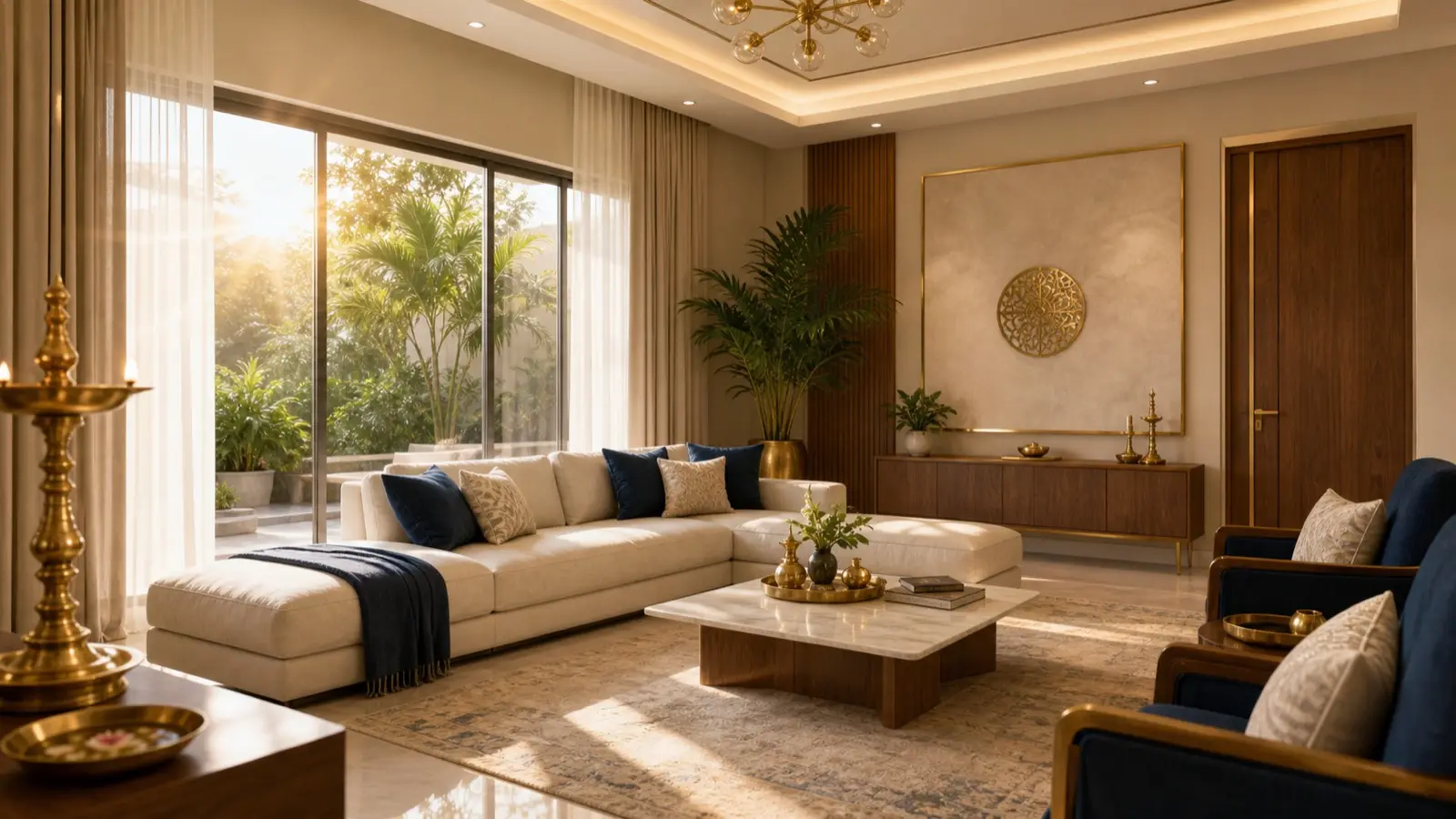
Bright living room in a west-facing home planning guide
West-facing homes can work well with planning and heat control.
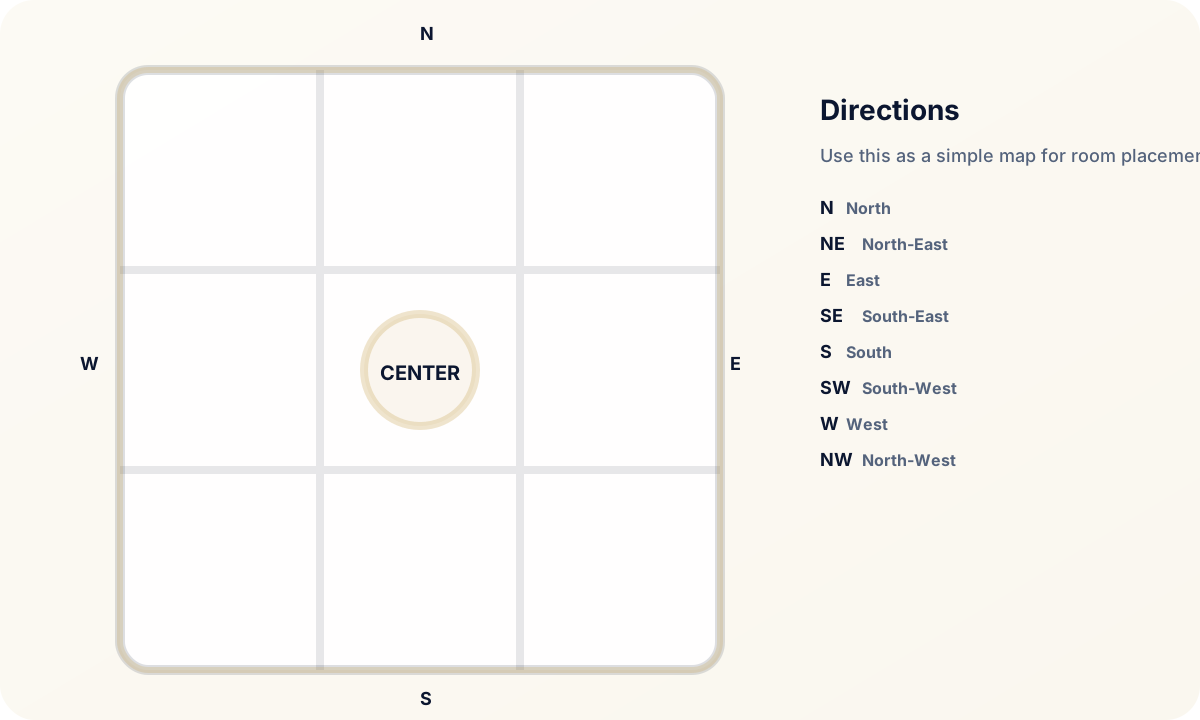
Direction grid for west-facing house Vastu
Facing is only one part of the full Vastu reading.

Quick rule

Keep the zone clean, functional, bright, and easy to maintain.

Best for

Indian homeowners, flat buyers, renters, plot investors, and families planning interiors.

First step

Verify the direction and layout on a plan before applying any rule.

Common myths about west-facing homes

The biggest myth is that west-facing homes are always bad. This is not a mature Vastu reading. A west-facing home can be comfortable if the entrance is well placed, the layout is balanced, the kitchen and bedroom work, and afternoon heat is controlled. Another myth is that west-facing homes always become too hot. Heat depends on climate, shading, wall exposure, balcony depth, window size, and ventilation.

How to check west-facing direction

Stand inside the home at the main door and face outward, then verify the reading with How to Check Directions Correctly. If you face west, the home is commonly called west-facing. In apartments, check the flat entrance, not only the balcony or tower direction. In independent houses, also check the compound gate and road approach. Confirm with the floor plan and a compass reading away from metal.

Possible benefits of west-facing homes

Some west-facing homes receive good evening light, which can suit families who are away during the day and return in the evening. In certain plots, west access can allow better parking, garden placement, or living room planning. A west-facing property may also be priced better in markets where buyers over-prefer north or east. The key is to evaluate quality, not reputation.

Heat and light control

West sun can be strong in many Indian cities, so combine this advice with Home Vastu ventilation and layout checks. Use deep curtains, balcony shading, heat-control glass, plants, ventilated blinds, and smart furniture placement. Avoid placing beds or seating where harsh afternoon heat makes the room uncomfortable. Vastu and climate design should work together. A home that overheats daily will feel stressful regardless of direction theory.

Room placement checklist

Check the entrance, living room, kitchen, master bedroom, toilets, balcony, and centre. Keep the entry clean and bright. Keep heavy storage in stable zones. Keep North-East light where possible. Make the kitchen safe and ventilated. If the west side gets strong heat, avoid using it for heat-sensitive storage.

Buying checklist

Before buying, visit the property in the afternoon if possible and also review Main Door Vastu for entrance quality. Notice heat, glare, and ventilation. Check whether curtains or shading can solve issues. Look at the first view from the main door. Check if the door opens fully, if the entry has shoe storage, and if the plan has a proper north arrow.

Do's and don'ts

Do

Start with light, air, safety, cleanliness, and practical placement before buying decorative remedies.

Avoid

Do not let fear-based advice override legal checks, structural safety, ventilation, or family comfort.

Improve

Use no-demolition fixes first: declutter, repair, brighten, ventilate, organise, and maintain.

Comparison table

CheckGood signWarning signPractical fix
DirectionVerified on plan and cross-checkedBased only on broker wordsUse floor plan, compass, and observation
MaintenanceClean, dry, bright, and organisedDamp, cluttered, broken, or smellyRepair, clean, ventilate, and simplify
Daily flowEasy movement and clear purposeBlocked path or confused useRemove excess items and resize furniture
RemedySupports real functionAdds clutter without solving issueChoose simple fixes that improve daily life

7-day practical action plan

Day one is for observation. Walk through the space slowly and write down what feels heavy, dark, blocked, noisy, damp, or difficult to clean. Day two is for decluttering. Remove broken, expired, duplicate, and unrelated items. Day three is for light. Replace weak bulbs, clean windows, and open curtains where privacy allows. Day four is for air and smell. Check exhaust, drains, damp corners, and closed storage. Day five is for placement. Move small items before considering large changes. Day six is for safety: locks, steps, slippery floors, wiring, and sharp corners. Day seven is for maintenance. Create a weekly routine so the improvement does not disappear.

This action plan works because most Vastu issues in modern Indian homes are not solved by one object. They are solved by a steady relationship with the home. When a family keeps important areas clean, bright, and purposeful, the home begins to feel more supportive. If a structural issue remains, you can then decide whether a professional consultation or renovation is worth it.

Buyer checklist

Before buying or renting, visit the property at different times if possible. Morning light, afternoon heat, evening noise, and monsoon dampness can change your opinion. Ask for the floor plan, check the north arrow, and compare the plan with the actual site. Do not rely only on sample-flat styling. A staged flat may hide storage problems, ventilation issues, or weak natural light. Take photographs, measure important areas, and discuss practical fixes with family before paying token money.

Also check whether the issue is personal, practical, or structural. Personal preferences can be adjusted. Practical issues may need small fixes. Structural issues need serious evaluation. This distinction protects you from rejecting good homes unnecessarily and from accepting homes that will be expensive to correct.

Detailed west-facing house guide for buyers

West-facing homes deserve a balanced review. In many Indian cities, west-facing flats and houses are common because road networks, plot divisions, and apartment towers do not all align to north or east. A west-facing home can be pleasant if the entrance is clean, afternoon heat is managed, rooms are planned sensibly, and ventilation is strong. Rejecting such homes automatically may make buyers miss good properties.

The main practical challenge is afternoon sun. In hot climates, west-facing windows and balconies can heat up living rooms and bedrooms. This is not purely a Vastu issue; it is climate design. Deep curtains, exterior shading, balcony plants, ventilated blinds, and good cross-ventilation can make a large difference. Visit the property between 3 pm and 6 pm if possible. Morning visits may hide the actual heat experience.

For independent houses, check whether the west entrance has a shaded porch. Check drainage near the gate and whether rainwater flows toward the door. For apartments, check whether the flat entrance faces west or only the balcony faces west. A west balcony with a different entrance needs a different reading from a west-facing main door.

Realistic west-facing examples

A west-facing flat in Bengaluru felt excellent because the balcony had deep shade, the living room had cross-ventilation, and the entrance was clean. A north-facing flat in the same project felt darker and had poor kitchen exhaust. The better Vastu choice was not obvious from direction alone. Another west-facing villa overheated badly because large glass windows had no shading. After adding blinds, plants, and roof insulation, comfort improved.

A family buying a resale west-facing house worried about direction. The actual concerns were old wiring, broken threshold, and damp storage. Once these were priced into renovation planning, the direction became only one part of the decision. This is the kind of practical thinking buyers need.

Most searched west-facing concerns

People ask whether west-facing homes are good for business or career. The honest answer is that a home supports work through sleep, focus, light, and emotional stability. A west-facing home with a good work corner can support productivity. A poorly maintained home in any direction can create stress. Another question is whether west-facing homes are too hot. They can be, but heat can often be managed with design.

Readers also ask whether west-facing homes need remedies. Start with climate remedies: shading, curtains, ventilation, and light control. Then check Vastu refinements such as entrance cleanliness, room placement, and clutter reduction. Do not buy symbolic remedies while ignoring a room that overheats daily.

West-facing home comfort plan

For west-facing homes, comfort depends strongly on heat management. Review curtains, balcony shading, window seals, and ventilation every season. In summer, west rooms may need thicker curtains, outdoor blinds, or plants that filter harsh light. In monsoon, check whether rain hits west-facing windows and causes seepage. In winter, evening light may become pleasant and useful. A good west-facing home adapts to seasons.

If you are planning interiors, avoid placing heat-sensitive furniture, electronics, or beds directly in harsh west sun. Use the west light thoughtfully. It can make a living room glow in the evening, but it can also make a bedroom uncomfortable if not controlled. Check how the room feels at the time your family actually uses it. A home office used in late afternoon may need glare control. A balcony used in evening may need seating and shade.

Before buying, compare the west-facing property with other options in the same project. Sometimes the west-facing unit has better ventilation, view, or privacy. Sometimes it has worse heat. Do not decide from direction alone. Visit, measure, observe, and then choose.

Decision framework for Indian homeowners

Use a three-level decision framework before making any change. Level one is health and safety. If there is leakage, smell, poor light, unsafe movement, broken hardware, or electrical risk, fix that first. Level two is daily comfort. Ask whether the space is easy to use, easy to clean, and emotionally comfortable for the family. Level three is Vastu refinement. Once the practical foundation is strong, use direction, placement, colour, and symbolic remedies to improve balance.

This order prevents expensive mistakes. Many families spend money on decorative remedies while ignoring the actual problem: a dark corner, a blocked path, a damp wall, or an overcrowded room. Vastu should make the home more liveable. If an advice makes the home harder to maintain, more cluttered, or more fearful, pause and rethink it.

For buyers, write every concern in two columns: fixed and fixable. Fixed issues include structure, shaft location, major room position, and building orientation. Fixable issues include lighting, furniture, storage, colour, curtains, screens, cleaning, and minor repairs. A property with many fixable issues may still be good. A property with serious fixed issues needs deeper review.

For renters, choose reversible improvements. Lamps, curtains, movable cabinets, rugs, plants, organisers, and cleaning routines can change the feel of a home without damaging it. For owners, plan changes in stages. Start with the least expensive improvement and observe the result before renovating. This patient approach is often more successful than a dramatic one-time correction.

Final west-facing home notes

For west-facing homes, observe the property when the sun is strongest. If a room feels hot during a five-minute visit, imagine living there through summer. Ask about wall insulation, window quality, balcony depth, and electricity costs. If the heat can be managed, the home may still be a strong choice. If heat, glare, and poor ventilation combine, the family may feel tired every evening.

West-facing does not need fear, but it needs climate awareness. A practical buyer looks at direction, sunlight, ventilation, price, layout, and long-term comfort together.

For families comparing multiple units, keep a simple scoring sheet: heat, light, ventilation, privacy, entrance quality, kitchen usability, bedroom comfort, and repair cost. The best choice is usually the home with the strongest overall score, not only the most popular facing label.

FAQ

Is this Vastu rule compulsory?

No single rule should be used without reading the full layout. Use Vastu as a planning guide along with safety, hygiene, legal checks, and practical comfort.

What if I cannot change the layout?

Use no-demolition improvements first: better light, ventilation, cleaning, storage, curtains, screens, and disciplined maintenance.

Should I use remedies?

Use remedies only after fixing the practical issue. A remedy should support the home, not add clutter or fear.

Is this suitable for apartments?

Yes. Apartment Vastu is about improving fixed layouts through smart placement, cleanliness, lighting, and routine.

More Vastu guides to read next

Conclusion

Vastu is most useful when it helps a family make calmer decisions and maintain a healthier home. Use the direction rules as a guide, but also check light, air, hygiene, safety, storage, privacy, and daily routine. The best home is not the one that sounds perfect in a brochure. It is the one that supports the people living in it every morning and every night.

Before buying, renting, or renovating, write down what can be changed and what cannot. Fix the basics first: leaks, clutter, lighting, ventilation, broken items, noisy corners, and unsafe placement. Then use Vastu refinements to make the home feel more balanced, respectful, and easy to maintain.