
Use the study space to support reading, writing and learning materials rather than treat it as a smaller home office. Traditional east or north-facing preferences are not guarantees of memory, concentration, grades or exam success. The student's tasks, seating and access to books should guide practical decisions.
Why study room Vastu matters
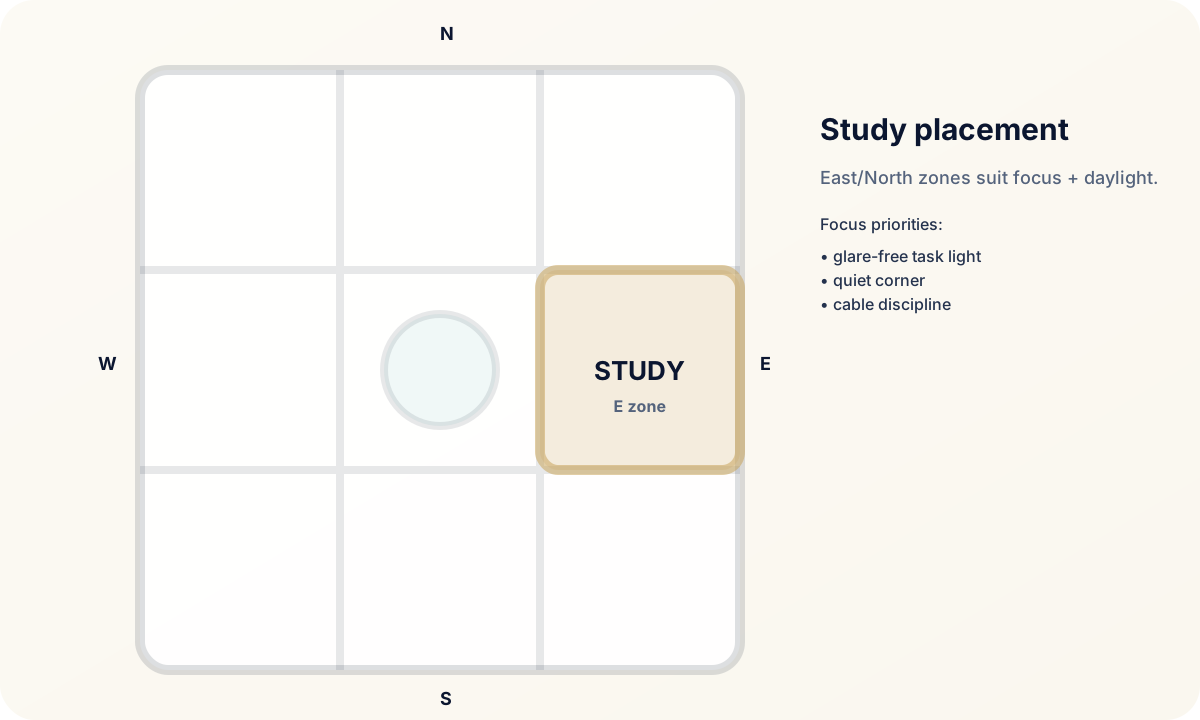
A study room shapes attention. It should reduce distraction and support steady effort. Vastu often recommends east, north, or North-East for study-related activities because these directions are linked with clarity and learning. Practically, these orientations can support better light and a calmer mental state when planned well. But a study room is not only direction. A noisy, cluttered, badly lit east-facing desk will not help concentration.
Best desk direction and placement
Many Vastu traditions suggest facing east or north while studying; verify your room direction first with How to Check Directions Correctly. The desk should have enough light, a comfortable chair, and a wall or stable background that does not feel chaotic. Avoid sitting with your back to a busy door if it makes you alert. Keep only current books on the table. Store old notes, craft items, and electronics separately.
Study spaces for children
Children need a study area that is serious but not stressful. Avoid placing the desk facing a television, bed, toy shelf, or busy corridor. Use calm colours, good lighting, and reachable storage. Keep the chair comfortable and age-appropriate. A child should not feel punished by the study corner; it should feel clear and supportive.
For competitive exams and college students
Students preparing for exams need routine more than decoration. Keep a fixed place, fixed timing, and a clean surface. Use a pinboard for schedules, not random clutter. Keep water nearby if helpful. Avoid studying on the bed for long hours because the brain mixes sleep and study signals.
Study corner in small apartments
If there is no separate study room, create a defined corner in the living room or bedroom using the ideas in Small Apartment Vastu. Use a lamp, chair, small shelf, and routine to create identity. Close the laptop and books after study so the room can reset. This is important in compact homes where one room has many roles.
Illustrative example: daylight on a student monitor
Imagine a student using a bedroom desk for textbooks and online lessons. Afternoon light reflects across the display, while moving the monitor backward leaves too little writing space. Try a different screen angle or adjustable window covering while keeping the notebook area available.
Check the arrangement during both a video lesson and handwritten work. The objective is to resolve a glare and space conflict; the example does not claim a change in grades or concentration caused by facing a particular direction.
Keep room for the current learning task
A maths exercise may need an open textbook, notebook and working space; an online lesson may require a screen and notes together. Test that combination before filling the desk with organizers.
Place frequently used materials where the student can reach them without climbing or moving piles. Keep bags and charging leads away from the chair and walking route, especially where siblings share the room.
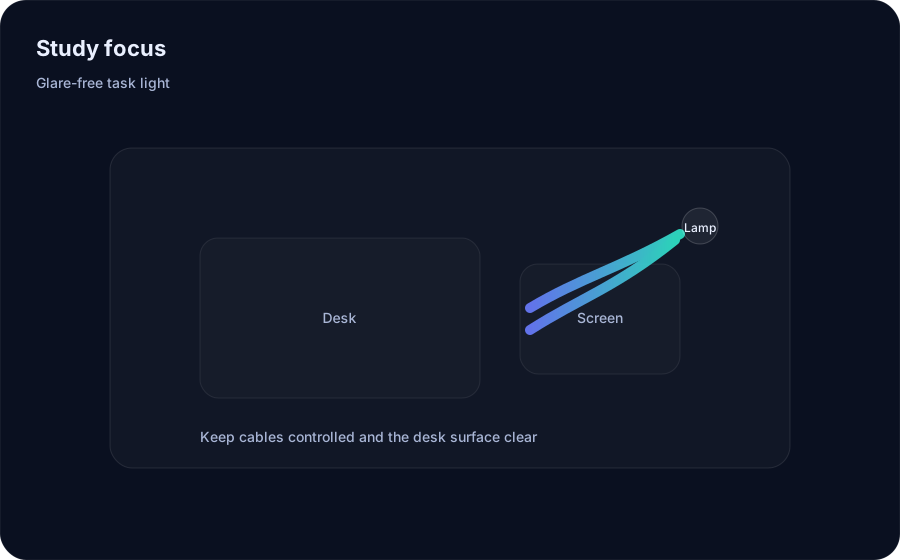
Light the page without reflecting on the screen
Check the desk with both printed text and the display in use. A lamp that makes handwriting visible may reflect on the screen if aimed poorly. Adjust its position and the screen arrangement rather than simply increasing brightness.
The OSHA guide to workstation lighting and glare explains the distinction between useful task lighting and screen reflections. Apply the principle to the actual study task; the compass facing does not determine glare.
Test one reading session and one writing session
Let the student try the proposed seat with the books or device normally used. Ask what is difficult to reach, whether the page is shadowed and whether the chair and desk feel suitable. Include the route for leaving the desk without disturbing another person.
Use those observations to adjust furniture, lighting or storage before adding decorations. Review again when subjects or equipment change. The purpose is a usable learning space, not a seven-day promise of better academic results.
Choose study furniture around the learner
Check the desk and chair together rather than buying either only by appearance. Leave space for the student's legs, the required materials and nearby cupboard movement. For a growing child, review whether the setup still fits over time.
A shared dining surface may work for scheduled study if materials can be set out and put away reliably. A dedicated room is not essential, and buying more furniture is not the answer when circulation is already tight.
Avoid replacing distraction with more desk objects
Too many planners, motivational decorations or storage trays can leave less space for the work itself. Keep only the tools used for the current session on the writing surface.
Do not move every book out of reach merely to make the desk photograph look uncluttered. A practical study setup balances a clear surface with quick access to relevant materials.
Study room deep dive for students and parents
Study Room Vastu should serve concentration, not pressure. Parents often ask for the best direction because a child is distracted. Direction can help, but routine, sleep, lighting, and emotional environment matter just as much. A child facing east while surrounded by noise, toys, and constant correction will not focus well. A calm, consistent study corner in a less perfect direction may perform better.
For school children, keep the study table simple. Too many motivational posters, gadgets, toys, and open shelves can create visual noise. For teenagers and exam aspirants, provide a planning board, a clock, and storage for active subjects only. Keep completed notes elsewhere. For college students, a clean laptop setup, good chair, and charging point reduce friction. Study spaces should make starting easy.
In compact flats, study often happens in the bedroom. Create a boundary between study and sleep. Use a desk lamp only during study time. Close books when finished. Avoid studying on the bed every day. If siblings share a room, give each child a defined shelf or box. Order supports fairness, and fairness reduces household tension.
Revisit lighting when study hours change
Homework after sunset needs a different lighting check from weekend reading in daylight. Test the page and screen at the actual study time, with the room's usual lights on.
When a new term brings larger books or more online work, review shelf space and the writing area. Keep charging and ventilation requirements for devices in mind rather than burying them under notes.
Agree how siblings share the learning space
Separate simultaneous needs from scheduled ones. One child may need quiet reading while another attends a spoken online lesson. Discuss time slots or another suitable lesson location rather than assuming two desks remove the conflict.
Keep shared reference books identifiable and personal materials in assigned places. Leave each learner enough writing space without having to move another person's unfinished work.
Improve a small study corner without rebuilding
Try moving a lamp, adjusting a curtain or changing which shelf holds current books before replacing the desk. Test whether the change actually helps the intended task.
If the study corner is in a bedroom, preserve access to the bed and storage. Do not install a partition that blocks a window or leaves the chair trapped between furniture simply to create a separate-looking zone.
Ask the student before finalizing the setup
Can you use a book and notebook together? Where will an online lesson appear while you take notes? Is the needed material easy to retrieve, and can the chair move without hitting a bag or another desk?
Ask what interruptions are most frequent and which can reasonably be addressed. A study-space review should not become a judgement of the student's ability or a promise that the room will determine exam results.
Reader-friendly summary
For final review, sit at the study desk for ten minutes without studying. Notice what pulls attention: noise, phone, bed, toys, window movement, or uncomfortable seating. The best study Vastu is the setup that makes starting work feel simple and staying focused feel natural.
If two children share one study room, give each child a defined shelf, labelled box, and separate writing zone if possible. Shared spaces become stressful when ownership is unclear. Clear boundaries support focus and reduce daily arguments.
FAQ
Must a student face east if the window causes screen glare?
No. Traditional facing preferences should not override usable lighting. Test the screen angle, desk position and window covering for the actual task.
How can textbooks and a laptop share a small desk?
Plan space for the materials used together and store inactive subjects nearby. Avoid filling the writing area with equipment or organizers that are not needed for that session.
What if siblings need quiet reading and spoken lessons at the same time?
Agree separate times or a suitable alternative lesson location where possible. Two adjacent desks alone may not resolve conflicting sound needs.
Does a Vastu study arrangement guarantee better grades?
No. It does not guarantee memory, intelligence or exam results. Judge the arrangement by practical usability, without putting pressure on the learner to produce an outcome from it.
Related guides for deeper reading
Room guides
Planning help
More Vastu guides to read next
Home and layout
Home Vastu, Apartment Vastu, Balanced Layout, Small Apartment Vastu
Directions and buying
Check Directions, Main Door Vastu, East-Facing House, North-Facing House
Room-wise help
Kitchen Vastu, Bedroom Vastu, Bathroom Vastu, Pooja Room Vastu
Focus and work
Study Room Vastu, Home Office Vastu, Wealth Vastu, Office Vastu
Remedies and support
Vastu Remedies, No-Demolition Remedies, Vastu FAQ, Trust and Support
Popular blog topics
Kitchen Do's and Don'ts, Mirror Vastu, Vastu Plants, Brahmasthan Vastu
Conclusion
Retain a study setup that makes books, writing and screens usable for the learner. Revisit lighting and shared-space arrangements as tasks change, and keep traditional direction preferences in perspective. A room can be organized for learning without treating it as a guarantee of academic achievement.