
Best rule
A healthy plant is better than a symbolic plant that is dying.
Best spaces
Entrance, balcony, living room, and bright corners.
Avoid
Thorny, neglected, overwatered, or dead plants inside living areas.
Why plants matter in Vastu
Plants bring softness into hard modern homes. Tiles, glass, metal, electronics, and concrete can make a flat feel dry or sharp. A plant adds life, colour, oxygen, moisture, and daily care. In Vastu, healthy plants are often connected with growth and positivity. Practically, they make the home look fresher and can improve the mood of the space.
But plants work only when they are maintained. A dry tulsi pot, yellow money plant, stagnant water tray, or muddy balcony creates the opposite feeling. Plant Vastu begins with plant health, drainage, sunlight, and cleanliness.
Popular Vastu plants
Tulsi
Traditionally respected. Keep it clean, sunlit, and cared for.
Money plant
Popular for growth symbolism. Keep it healthy and untangled.
Bamboo
Often used for freshness and compact apartment decor.
Areca palm
Good for living rooms with enough light and space.
Peace lily
Works in bright indirect light, but avoid overwatering.
Herbs
Useful in kitchen balconies when sunlight and drainage are good.
Placement tips for Indian homes
Place plants where they receive suitable light and can be maintained easily. Entrance plants should not block the door. Balcony plants should not block drainage or sunlight. Living room plants should not crowd movement. Bedroom plants should be limited and easy to maintain, because too many plants in a small bedroom can feel heavy.
Good placement
- Bright living room corner
- Clean balcony railing area
- Entrance side without blocking movement
- Kitchen herb shelf with sunlight
Avoid placement
- Dark corners where plants die
- Near shoe clutter
- Blocking balcony drains
- Under leaking AC water
Common plant Vastu mistakes
The biggest mistake is keeping plants for symbolism but ignoring care. Dead leaves, stagnant water, mosquitoes, cracked pots, and muddy floors reduce the energy of the home. Another mistake is overcrowding a balcony until light and air are blocked. A balcony garden should feel alive, not like storage.
Comparison table: Plant choice and placement
| Plant | Best space | Watch-out |
|---|---|---|
| Tulsi | Sunlit balcony or courtyard | Needs regular care |
| Money plant | Living room or balcony | Avoid messy overgrowth |
| Cactus | Outdoor or careful decor use | Avoid thorny plants in calm living zones |
Plant care is the real Vastu
Many people ask which plant brings luck, money, positivity, or peace. The better first question is: which plant can you keep healthy in your home? A healthy plant in the right light is more positive than a famous "lucky" plant dying in a dark corner. Vastu is not only about symbolism. It is about the quality of the space. A plant with fresh leaves, clean soil, and a neat pot makes a room feel alive. A plant with fungus, mosquitoes, dry leaves, and stagnant water creates the opposite effect.
Before buying plants, observe sunlight. Does your balcony receive morning sun, harsh afternoon sun, or only indirect light? Does the living room have a bright window? Does the entrance get any natural light? Choose plants based on these answers. Money plant may survive in many conditions, but tulsi usually needs good sunlight. Peace lily likes indirect light. Areca palm needs space. Herbs need sun and drainage. The best Vastu plant is the one suited to the actual location.
Also consider your lifestyle. If you travel often, choose low-maintenance plants. If you have small children or pets, check plant safety before bringing anything indoors. If your balcony has drainage issues, avoid too many pots until the drainage is fixed. Good Vastu should not create mess, pests, or extra stress.
Before buying
- Check sunlight direction
- Check drainage
- Choose pot size properly
- Plan watering routine
- Keep plant safety in mind
After buying
- Remove dead leaves
- Clean water trays
- Rotate pots if needed
- Watch for pests
- Do not overwater
Room-wise plant placement
For the entrance, choose plants that look fresh and do not block the door. A pair of neat pots can make the entry feel welcoming, but oversized pots in a narrow apartment corridor can create obstruction. In many flats, common corridors have society rules, so check before placing plants outside your door. If plants are inside the entrance, keep them away from shoe clutter and dustbins.
In the living room, plants soften the space and make it feel more premium. Place a taller plant near a bright corner, not in the centre pathway. Smaller plants can sit on shelves if they receive light and do not create water stains. Avoid placing too many plants around electronics or wooden furniture if water overflow is likely.
In the bedroom, use plants carefully. One healthy plant near a window can feel fresh, but many plants in a small bedroom can feel heavy or increase maintenance. If the bedroom has poor light, choose decor instead of forcing plants to survive. In the kitchen, herbs can be wonderful if sunlight is available. A small herb shelf can connect cooking with freshness, but it should not crowd the stove or sink.
Entrance
Fresh, neat, non-blocking plants only.
Living room
Use plants to soften corners and add life.
Balcony
Plan drainage, sunlight, and walking space.
Balcony garden Vastu for apartments
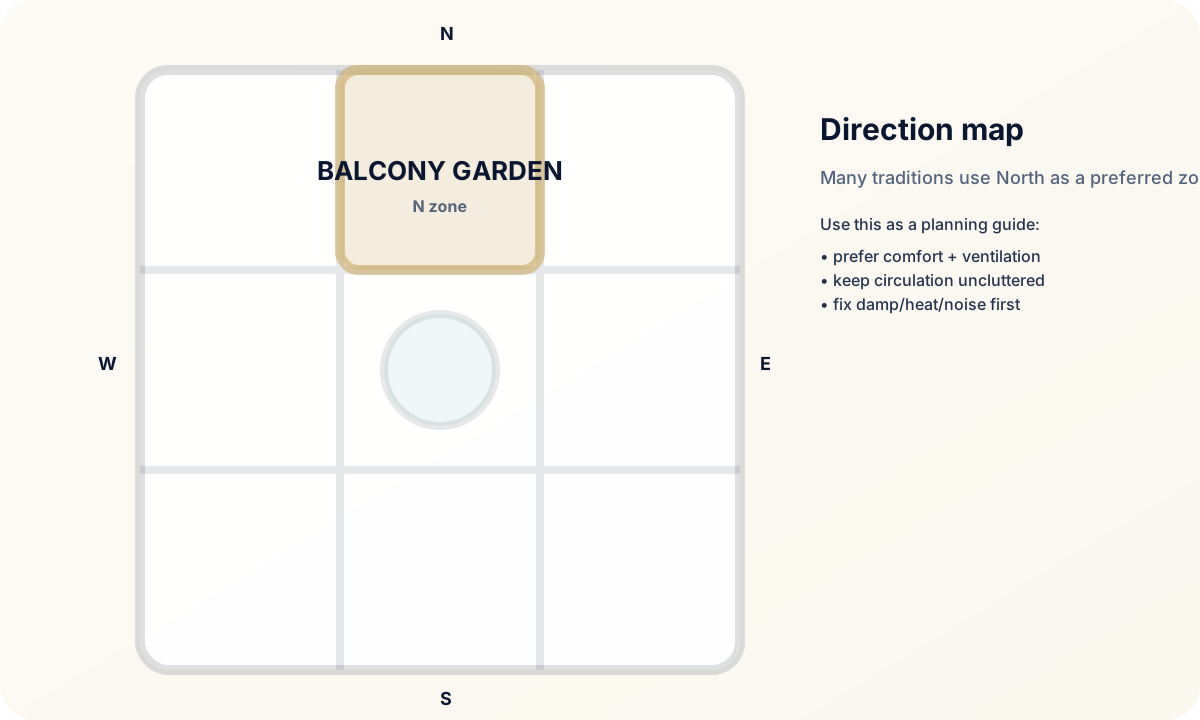
Balconies are precious in Indian apartments; see Balcony Garden Vastu for placement details. They bring air, light, view, and relief from compact interiors. A balcony garden should enhance these qualities, not block them. Avoid filling the balcony so heavily that sunlight cannot enter the living room. Do not place pots where water drains into walls or neighbour areas. Use trays responsibly and clean them often to avoid mosquitoes.
If your balcony is in the east or north, keep it especially light and clean because these directions are often associated with freshness and openness. If your balcony gets harsh west or south sun, choose hardy plants and use shading intelligently. A burnt, struggling plant is not better because it is in a "lucky" direction. Plant health comes first.
For balcony gardens, group plants by water needs. Keep heavy pots stable and safe. Avoid hanging planters where they may fall in strong winds. Use railing planters only if securely fitted. Vastu should never compromise safety.
Money plant, tulsi, and bamboo: practical notes
Money plant is popular because it symbolises growth and is easy to maintain; for wealth-related placement, read Wealth Vastu. Keep it untangled and healthy. If growing in water, change the water regularly. Stagnant water smells bad and attracts mosquitoes. If growing in soil, avoid overwatering. Place it where it receives enough indirect light.
Tulsi is deeply respected in many Indian homes. It usually needs sunlight and regular care. A neglected tulsi plant can make the home feel emotionally uncomfortable because of its sacred association. If you cannot provide sunlight or care, do not force placement indoors. Choose a suitable balcony or courtyard spot.
Bamboo is often used in compact homes and office desks. Keep the container clean, change water, and avoid dusty placement. Bamboo should not become another forgotten object on a shelf. Treat it as a living item, not a plastic decor piece.
Examples and mistakes
Example one: A family placed many plants near the main door, but the corridor became narrow and messy. After reducing the number to two healthy pots and adding a closed shoe cabinet, the entrance felt much better. More plants did not mean better Vastu; better placement did.
Example two: A balcony garden blocked the only living room light. The home felt dark. By moving tall plants to one side and keeping the centre open, the room regained daylight while the garden still looked beautiful.
Example three: A money plant in water was kept for prosperity, but the water smelled and had mosquito larvae. Once the container was cleaned weekly and placed in better light, the plant became a positive feature again. Care changed the energy.
Monthly plant reset for positive energy
Plants need rhythm. Once a month, review every plant in the home. Remove dead leaves, loosen compacted soil if needed, clean pot surfaces, wash trays, and check whether roots are overcrowded. Move weak plants to better light. Remove plants that have fully died. Keeping a dead plant because it was once considered lucky creates emotional heaviness and visual neglect.
Also review the number of plants. A home can have too many. If every window, balcony edge, and shelf is filled, cleaning becomes difficult and light may reduce. Vastu-friendly plant placement should make the home feel fresher, not more congested. Keep walking paths clear. Keep balcony drains open. Keep heavy pots stable and safe.
For Indian weather, plant care changes by season. In summer, some plants need shade and more frequent watering. In monsoon, overwatering and mosquitoes become a concern. In winter, growth may slow. Adjust care instead of following one fixed routine all year. A living plant responds to climate; your care should respond too.
Summer
Protect from harsh heat and check water needs.
Monsoon
Avoid stagnant water, pests, and slippery balcony floors.
Winter
Reduce overwatering and move plants toward gentle light.
If you are a beginner, start with two or three plants instead of ten. Learn their light and watering needs. Once they are thriving, add more. Growth that is steady and cared for feels more positive than a sudden crowded plant collection that becomes hard to maintain.
Most searched plant Vastu concerns
Readers often ask whether money plant should be kept in water or soil. Either can work if the plant is healthy. Water-grown plants need clean water changes. Soil-grown plants need proper drainage. The real mistake is neglect. A dirty bottle with stagnant water does not support prosperity, even if the plant name sounds lucky.
Another common question is whether plants can be kept in the bedroom. A few easy plants near a window may be fine, but avoid turning a small bedroom into a dense indoor garden. Bedrooms need rest, clear air, and low maintenance. If plant care becomes stressful or the room has poor light, choose plants for the living room or balcony instead.
People also ask about artificial plants. They can be used as decor in low-light areas, but they do not bring the living quality of real plants. If using artificial plants, keep them dust-free. Dusty artificial plants look neglected and reduce the freshness they are meant to create.
For balconies, the most important Vastu rule is not the plant name; it is balance. Keep air moving, light entering, water draining, and pots safe. A clean balcony garden can become one of the most healing areas in an apartment.
Plant placement before buying or designing interiors
If you love plants, check plant possibilities before finalising interiors, especially when applying Small Apartment Vastu. Where does sunlight enter? Which balcony has drainage? Can a large pot sit safely without blocking a door? Will watering damage wooden flooring or cabinets? These practical questions help you create a green home without future frustration.
For small flats, choose vertical plant stands carefully. They save floor space but can block light if placed badly. For villas, plan outdoor plants so roots do not damage paving, compound walls, or plumbing. For rented homes, use movable pots and trays that do not stain floors. Vastu-friendly greenery should be beautiful, safe, and easy to maintain.
Also think about who will care for the plants. If one family member loves plants but travels often, choose hardy varieties and simple watering systems. If elders maintain tulsi or balcony plants, keep pots at a comfortable height. If children help, teach watering discipline. Plant Vastu is most successful when care becomes a pleasant routine, not a burden.
FAQ
Which plant is best for home as per Vastu?
Tulsi, money plant, bamboo, and healthy indoor greens are popular. Choose plants you can maintain well.
Can plants be kept at the entrance?
Yes, if they are healthy, neat, and do not block the main door or movement.
Are thorny plants bad in Vastu?
Many people avoid thorny plants inside living areas because they feel sharp. If used, keep them outdoors or as careful decor.
Related guides
Read Balcony Garden Vastu, Vastu Remedies, Wealth Vastu, and Home Vastu.
More Vastu guides to read next
Home and layout
Home Vastu, Apartment Vastu, Balanced Layout, Small Apartment Vastu
Directions and buying
Check Directions, Main Door Vastu, East-Facing House, North-Facing House
Room-wise help
Kitchen Vastu, Bedroom Vastu, Bathroom Vastu, Pooja Room Vastu
Focus and work
Study Room Vastu, Home Office Vastu, Wealth Vastu, Office Vastu
Remedies and support
Vastu Remedies, No-Demolition Remedies, Vastu FAQ, Trust and Support
Popular blog topics
Kitchen Do's and Don'ts, Mirror Vastu, Vastu Plants, Brahmasthan Vastu