
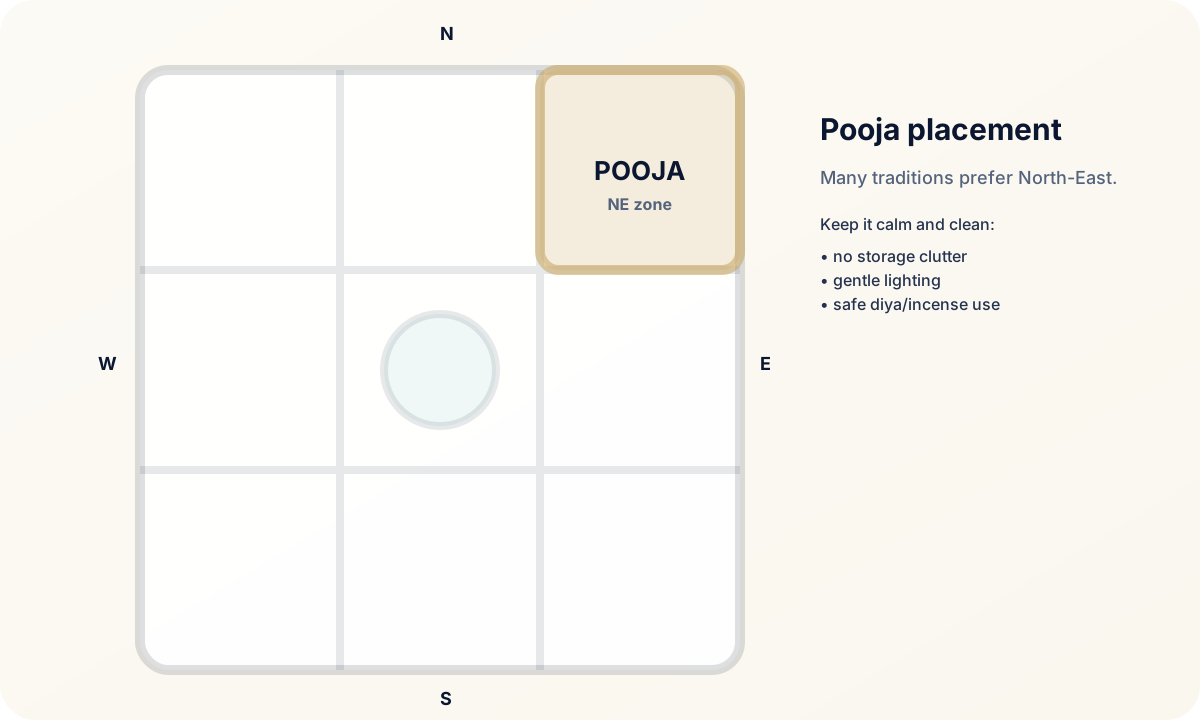
This article concerns the northeast sector of the home, not every direction on a compass. Traditional associations with prayer, water and lightness do not establish that this sector causes or prevents wealth, health, fertility or relationship outcomes. Identify it on the plan, then work with the room that actually occupies it.
What the North-East corner means
The North-East is the meeting point of north and east. Many Vastu traditions treat it as a sensitive, light, and sacred zone. It is often preferred for pooja, meditation, clean water features, and calm study. Practically, this zone often receives gentle morning light in many layouts, making it suitable for peaceful activities. The key idea is lightness. Do not overload this corner with heavy storage, clutter, dark colours, or damp neglect.
How to identify the North-East correctly
Use a floor plan with a north arrow, and if you are unsure, follow the steps in How to Check Directions Correctly. Mark north and east, then identify the corner between them. Do not guess based on where sunlight appears, because surrounding buildings can block light. In apartments, the North-East may fall in a bedroom, living room, balcony, toilet, or passage. Once identified, decide how to keep it cleaner, lighter, and more purposeful.
Best uses for North-East
A pooja shelf, meditation corner, quiet reading corner, clean water vessel, or uncluttered living space can work well. If the North-East has a window or balcony, keep it open and fresh. If it has a wall, use soft light and calm colours. If it has storage because of apartment constraints, keep storage light, clean, and organised.
What to avoid in North-East
Avoid heavy junk storage, broken items, dustbins, dark unused corners, and chronic dampness. Many traditions also avoid toilets, heavy staircases, and intense fire zones in this corner. If already present, do not panic. Improve maintenance, ventilation, lighting, and reduce heaviness.
North-East in apartments
Modern flats often have fixed layouts. If a toilet or kitchen is in the North-East, focus on practical remedies. Keep the area extremely clean, bright, dry, and ventilated. Keep doors closed where needed. Avoid adding more clutter. A difficult North-East becomes worse when neglected and better when maintained with discipline.
Illustrative example: a fixed northeast bathroom
Consider an apartment whose north-marked plan places a bathroom in the northeast. Its plumbing and shaft cannot reasonably be relocated. Separate the traditional location concern from observable issues such as a leaking fitting, a failed exhaust or obstructed access.
Arrange appropriate repairs for actual defects and keep the room usable for its intended function. There is no need to insert a prayer shelf or water feature into the bathroom. This example describes an adaptation process, not a claim that maintenance removes a supernatural effect.
Use one plan reference consistently
Mark north and east on the same home plan before deciding where the northeast sector lies. Do not switch between the corner of a bedroom and the corner of the whole flat without saying which you mean.
Where an irregular outline or shared area makes the boundary unclear, obtain help interpreting the actual plan. Avoid declaring a harmful missing corner from a cropped listing photograph.
An open corner and an occupied room need different responses
An unused northeast living-room corner may offer a choice between reading, prayer or leaving space open. Check how each choice fits the nearby window and passage. There is no requirement to fill an empty corner with an object.
A northeast kitchen, bedroom or bathroom already serves a necessary function. Preserve its services and usable storage. A cultural preference for lightness can inform furnishings where practical, but it is not a reason to dismantle an otherwise working room.
Inspect the actual northeast sector
After marking it on the plan, list what is fixed there: walls, windows, plumbing, built-in storage and doors. Then note actual conditions, such as blocked daylight, an unused pile of cartons or a maintenance fault.
Choose a response to the observed issue. Move movable clutter if it obstructs use, adjust lighting if the area is dim, and report defects through the appropriate professional or building manager. Keep that practical list separate from claims about the direction causing misfortune.
Reading a northeast concern in a property plan
Ask which part of the plan is being described and whether the concern is a traditional preference or an actual building problem. A room label by itself does not show its daylight, ventilation or condition.
For a fixed flat, establish what alterations are permitted before imagining a different room arrangement. Do not commit to costly relocation solely because someone describes the northeast as blocked or missing.
Do not turn a northeast preference into a new problem
Adding a fountain where there is no suitable maintenance space can introduce leaks rather than resolve a concern. Adding a large prayer unit can also obstruct the window or passage that made the corner usable.
Another mistake is removing all useful bedroom storage without deciding where belongings will go. Adapt the furnishing to the existing room; avoid shifting the same obstruction into another part of the home.
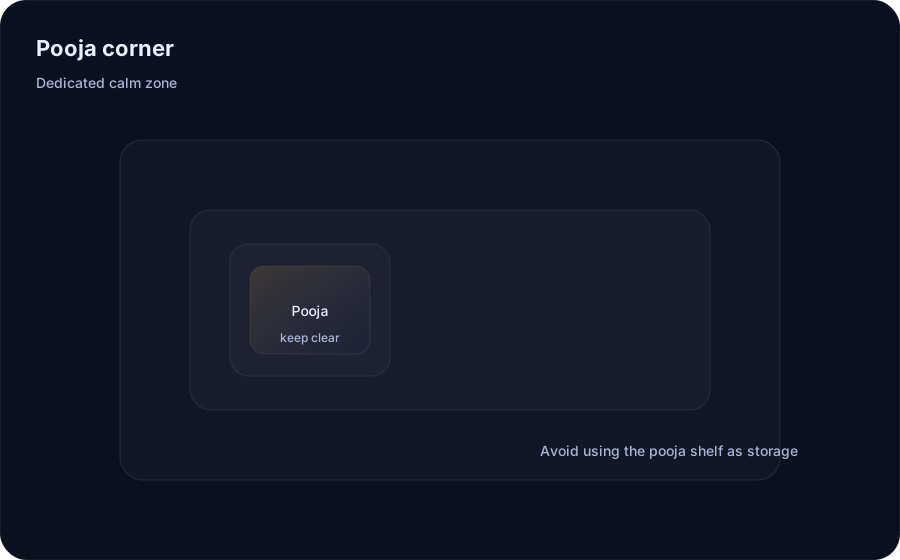
North-East corner deep dive for modern homes
The North-East corner is often treated with great sensitivity, which can make homeowners anxious. The useful approach is to preserve lightness. If the zone is a balcony, keep it clean and avoid turning it into storage; for plant placement, see Vastu Plants for Home. If it is a living room corner, use it for calm seating, prayer, reading, or open space. If it is a bedroom corner, reduce heavy storage there and keep colours softer. If it is a toilet or kitchen in a fixed apartment plan, focus on disciplined maintenance rather than panic.
Water and sacred use are often associated with this direction, but that does not mean every home must place a fountain or pooja shelf there. A water feature that leaks, smells, or gathers mosquitoes is not positive. A pooja shelf that becomes dusty and crowded is not ideal. The quality of care matters. Keep the North-East visually lighter than the heavier south and west zones where possible.
For buyers, check whether the North-East is cut, blocked, dark, or overloaded. Also check whether morning light can enter. In dense cities, buildings may block light regardless of direction. If the North-East has no window, use light colour, clean surfaces, and soft illumination. The goal is calm clarity, not blind rule-following.
Check light without assuming it from the compass
Look at the northeast space at the hours it is actually used. Adjacent buildings, balconies and window placement may limit daylight regardless of the compass sector. Suitable room lighting can address a dark reading spot without changing the window.
If dampness appears there, investigate its building-related source. Its location in the northeast does not establish a cause or a special repair method.
Choose a use the household can maintain
A prayer corner is appropriate only where the household wants one and can use it respectfully without obstructing another activity. A reading chair or open space may be more suitable in another home.
When the northeast is part of a shared bedroom, retain privacy and needed storage. Discuss furnishings with the people sleeping there instead of assigning the corner a new purpose that displaces their daily needs.
Adapt a fixed northeast kitchen or bedroom
In a kitchen, leave the cooking, washing and storage functions workable; do not reposition appliances against service or safety requirements just to free a symbolic corner. Address a blocked window or faulty extraction as a specific issue.
In a bedroom, test whether a smaller movable item would preserve access to a window. Keep permanent joinery and structural decisions separate from these simple furnishing choices.
Questions before buying a northeast remedy
Have you identified the sector consistently on the full plan? What actual issue is the proposed object meant to address? Will it need water, power, cleaning or space that the room cannot provide?
If the concern is only a prediction of bad outcomes, do not treat that prediction as a diagnosis. If there is a visible defect, seek the appropriate repair rather than expecting a symbolic object to fix it.
Reader-friendly summary
For final review, photograph the North-East corner in the morning and evening. Photos reveal clutter, darkness, and heaviness more clearly than memory. If the corner looks calm in a photograph, it usually feels calm in daily life too. If it looks crowded, start by removing objects rather than adding remedies.
FAQ
Is the northeast of one bedroom the same as the northeast of the flat?
Not necessarily. State which boundary you are using and keep the plan reference consistent. A room-level corner and a home-level sector answer different placement questions.
Must a northeast bathroom be demolished?
No. A traditional preference alone does not justify demolition. Preserve approved services and address actual ventilation, leakage or maintenance issues.
Does the northeast always need a fountain or pooja shelf?
No. Choose a use that fits the household and the existing room. Do not add water or furnishings that cannot be maintained or that obstruct access.
Is a dark northeast corner proof that the home is unlucky?
No. Inspect window position and surrounding shade. Direction does not establish a prediction about household outcomes.
Can necessary bedroom storage remain in the northeast?
Work with the room's practical requirements. Keep storage accessible and avoid blocking windows or movement rather than removing useful furniture for a symbolic rule alone.
Related guides for deeper reading
Sacred spaces
Home planning
More Vastu guides to read next
Home and layout
Home Vastu, Apartment Vastu, Balanced Layout, Small Apartment Vastu
Directions and buying
Check Directions, Main Door Vastu, East-Facing House, North-Facing House
Room-wise help
Kitchen Vastu, Bedroom Vastu, Bathroom Vastu, Pooja Room Vastu
Focus and work
Study Room Vastu, Home Office Vastu, Wealth Vastu, Office Vastu
Remedies and support
Vastu Remedies, No-Demolition Remedies, Vastu FAQ, Trust and Support
Popular blog topics
Kitchen Do's and Don'ts, Mirror Vastu, Vastu Plants, Brahmasthan Vastu
Conclusion
Locate the northeast consistently, understand its traditional associations and preserve the useful function of the room already there. Make adaptations for real light, access and maintenance needs. The sector is not a diagnosis of the household's future, and fixed apartments do not require fear-driven rebuilding.