
On this page
Why entrance plants matter in Vastu
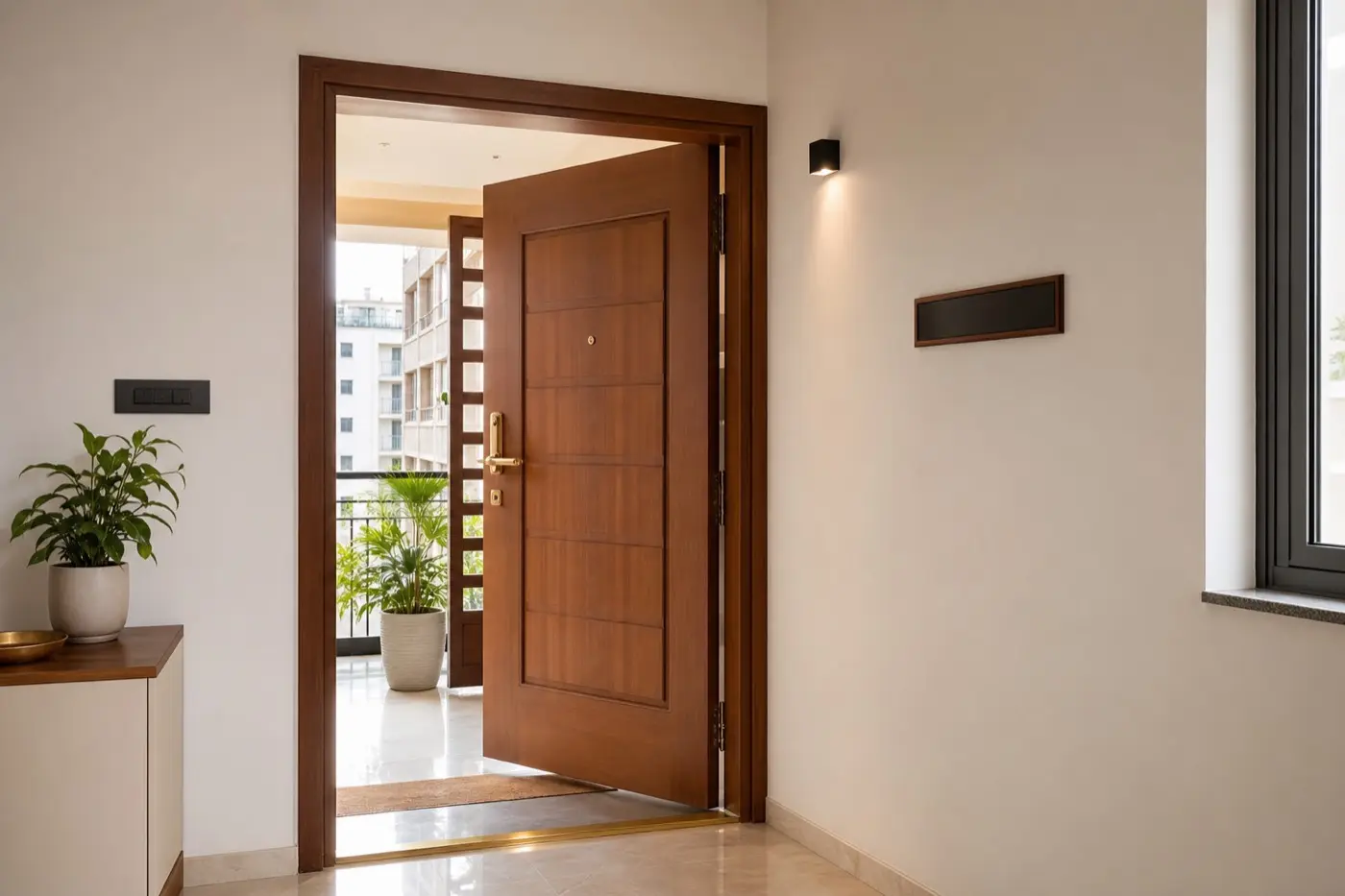
The main entrance is the first point where family members, guests, light, air and daily movement enter the home. Plants near the entrance can make this zone feel fresh, welcoming and alive. Entrance plants Vastu is popular because it gives homeowners a simple way to improve the look and feeling of the doorway without renovation.
In Indian apartments, the entrance may be a narrow corridor, lift lobby, grilled door, small foyer or shared passage. In independent houses, it may include a gate, steps, porch, verandah or garden path. The plant choice should suit the actual light, space and maintenance available.
The most important principle is simple: use healthy plants that do not block movement, collect dirt, smell bad or make the entrance look crowded. A dying plant at the door is worse than no plant. Practical Vastu values care, cleanliness and proportion.
Best plants near the main door
Tulsi is traditionally respected in many Indian homes, but it needs sunlight, airflow and care. If your entrance is too dark, do not force Tulsi there. Place it in a balcony or courtyard where it can stay healthy. Read Tulsi plant Vastu for deeper guidance.
Jade plant, money plant, areca palm, peace lily, snake plant and small flowering plants can work well if maintained properly. Choose plants based on light. A north or east entrance may support soft daylight plants, while a harsh west-facing entrance may need heat-tolerant choices.
Avoid thorny, dry, broken or oversized plants right at the door. A plant should enhance the entrance, not scratch guests, block the name plate or narrow the walkway.
Placement examples for flats and houses
Flat example: A small apartment has only one side wall near the main door. Use one healthy medium-height plant in a neat pot and keep the shoe rack closed. Do not fill the corridor with many pots if neighbours share the passage.
Independent house example: A porch has space on both sides of the door. Use balanced pots, but keep enough walking space. If there is a main gate, connect this with main gate Vastu and Main Door Vastu.
Rental home example: Use movable planters, a clean mat and warm light. Avoid drilling plant hangers without permission. A renter-friendly entrance can still look premium with simple care.
Direction, sunlight and watering
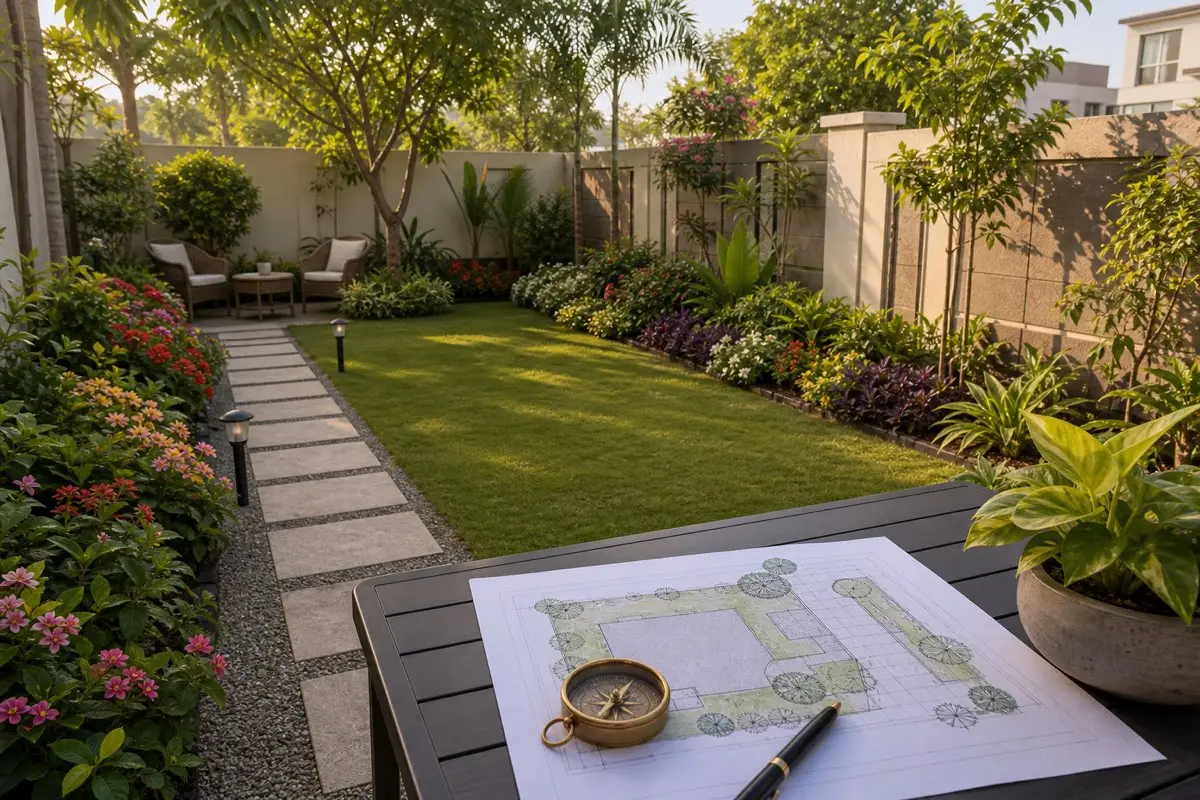
East and North entrances often receive gentler light, making them suitable for many decorative plants. South and West entrances may receive stronger heat, so choose durable plants and avoid delicate varieties that dry quickly.
Watering should not create stains, slippery flooring or mosquito breeding. Use trays, but do not let water sit for days. Clean the pot area weekly. A plant that creates dampness at the entrance becomes a maintenance problem.
If the entrance has no natural light, choose very hardy indoor plants or use plants in the living room instead. Artificial plants can look neat, but keep them dust-free. Dusty fake plants do not create a fresh feeling.
Common mistakes with entrance plants
The biggest mistake is overcrowding the doorway. Too many pots make the entrance look small and difficult to clean. Use fewer, healthier plants instead of many neglected ones.
Another mistake is placing plants where the door cannot open fully. The main door should feel free and easy to use. Do not let leaves touch the door every time it opens.
A third mistake is ignoring the shoe area. Plants cannot compensate for scattered footwear, dust and poor lighting. Use a closed shoe rack and read shoe rack Vastu if needed.
Best practices for a premium entrance
Choose pots that match the home style. Terracotta, stone, ceramic, matte metal or neutral planters can look more premium than random plastic pots.
Keep the name plate visible. Plants should frame the entrance, not hide the family name or doorbell. For name plate details, see name plate main door Vastu.
Use plants with lighting. A warm entrance light, clean threshold and healthy greenery can make even a compact flat entrance feel elegant.
Quick practical checklist
Check direction
Use direction guidance as one planning lens, then compare it with real room use.
Check safety
Never compromise wiring, drainage, fire safety, structure, access or maintenance.
Check clutter
Remove items that block movement, light, cleaning or daily comfort.
Check light
Prefer clean daylight and soft evening lighting over harsh or gloomy corners.
Check upkeep
Choose materials, plants, lights and fittings that your family can maintain.
Check flexibility
Try simple, reversible changes before permanent renovation or expensive purchases.
Practical examples for Indian homes
| Home type | Typical issue | Balanced response |
|---|---|---|
| Compact flat | Limited space and fixed builder points | Use neat placement, lighter colours, organized storage and practical corrections. |
| Independent house | More layout freedom | Plan direction, maintenance and service access before final finishing work. |
| Rental home | No structural changes allowed | Use movable items, cleaning, lighting, curtains, organizers and simple no-drill fixes. |
| Family home | Different needs for elders, children and guests | Prioritize safety, comfort, hygiene and easy daily routines. |
Related guides
For deeper planning, read Home Vastu, Room-wise Vastu, Balanced Layout, Vastu Remedies, Vastu FAQ, positive energy Vastu, Vastu remedies without renovation, flat buying Vastu checklist, and the complete Vastu blog archive.
When applying any Vastu idea, avoid judging the home by one rule alone. A room may need a combination of better cleaning, more natural light, improved airflow, simpler storage, safer wiring, calmer colours and more sensible furniture placement. This is especially true in Indian apartments, where builder layouts are fixed and every inch must be used carefully.
The best approach is to observe the space for a few days before making permanent changes. Notice where people naturally walk, where clutter gathers, which corners feel dark, where maintenance is difficult and which changes would improve daily comfort. Practical Vastu is not about panic; it is about making the home feel more balanced, clean, safe and supportive for normal family life.
Frequently asked questions
Which plant is best near main door as per Vastu?
Healthy, easy-care plants such as Tulsi, jade plant, money plant or areca palm can work depending on light and space.
Can Tulsi be kept at entrance?
Yes, if the entrance receives enough sunlight and airflow. Otherwise keep Tulsi in a better-lit balcony or courtyard.
Are thorny plants bad near entrance?
Avoid thorny or sharp plants near the main door because they can feel harsh and may inconvenience guests.
Can money plant be kept near main door?
It can be used if it stays healthy, neat and does not block movement.
How many plants should be near the entrance?
Use fewer healthy plants. One or two well-kept pots often look better than many crowded pots.
Can plants block negative energy?
Think of plants as freshness and beauty, not magic. Cleanliness, light and care matter most.
What if my entrance has no sunlight?
Use hardy indoor plants, rotate them for light, or keep plants in a brighter balcony instead.
Should plant water trays be used?
Yes, but keep them clean and avoid stagnant water or slippery flooring.
Conclusion
Entrance Plants Vastu: Best Plants Near Main Door for Indian Homes and Flats works best when it combines traditional direction awareness with modern safety, maintenance and family comfort. Start with simple observations, make practical corrections first, and avoid fear-based decisions.
For more guidance, continue with room-by-room Vastu guides and the full VastuEssentials blog.