
On this page
Quick answer: what is energy-efficient Vastu?
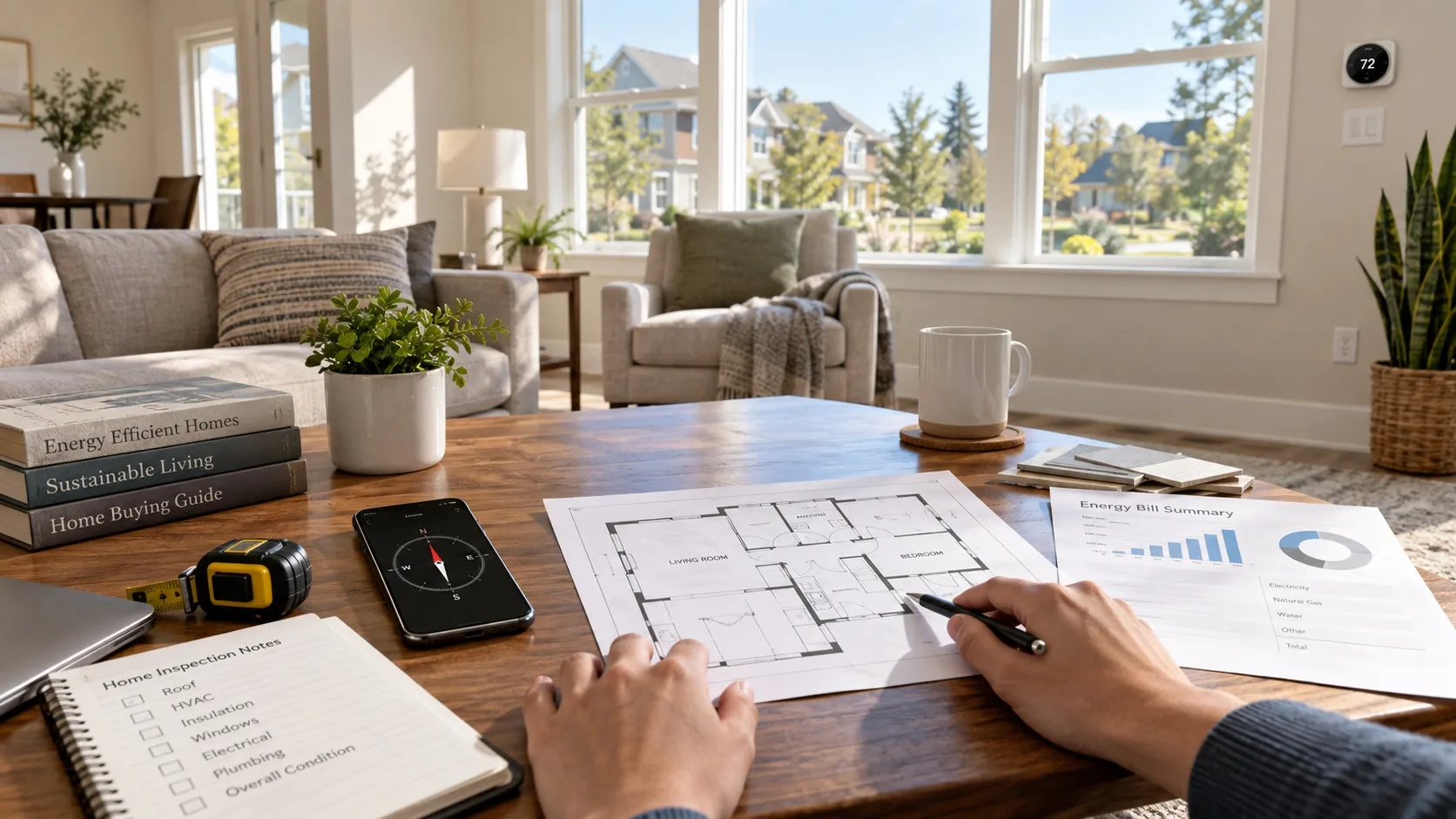
Energy-efficient Vastu means reviewing a home so that traditional direction preferences and practical building performance support each other. It asks simple questions: where does the sun enter, which rooms overheat, how well does air move, how much does the home cost to heat or cool, and can the family live comfortably without fighting the building every season?
This approach is especially useful for USA, Canada, UK, Australia and other international buyers because homes are built for different climates. A west-facing glass wall in Arizona behaves differently from one in Seattle. A dark north-facing room in a cold region may need better lighting and insulation, while the same orientation in a hot region may be easier to live with.
Vastu should not replace inspection, appraisal, HVAC review, energy audit, code compliance, insurance or professional advice. It can, however, help you notice comfort patterns that ordinary listing photos do not show. A calm, bright, well-insulated home is usually easier to improve than a beautiful home with constant glare, drafts, dampness or utility surprises.
Directions, sunlight and local climate
Many buyers ask whether east, north, west or south-facing homes are best. The honest answer is that direction must be read with climate and layout. East light can be pleasant in the morning and is often easier to manage. North light may feel soft and stable in many places. West sun can create harsh afternoon heat. South exposure may be helpful in colder climates but intense in hotter ones.
Do not rely only on the front-door label. Walk through the home and identify which rooms actually receive sun. A house can be north-facing at the entry and still have large west-facing bedroom windows. A condo can have one direction at the hallway door and another direction for its balcony or main living glass. For direction basics, use How to Check Directions Correctly and the Vastu Direction Finder.
Visit at the time the home will be used most. Remote workers should check afternoon office glare. Families with young children should check bedroom heat before bedtime. Elders may need warmer winter light and fewer drafts. A Vastu-friendly home is not only about a compass; it is about how the home behaves for the people living in it.
HVAC, airflow and room comfort
In many international homes, heating and cooling systems decide daily comfort. Ask the age of the furnace, heat pump, air conditioner, ducts, thermostat and water heater. During inspection, confirm whether the system is sized correctly, maintained and able to serve all rooms. A bedroom that is always too hot or too cold can disturb sleep even if its direction is preferred.
Air movement matters in Vastu because stagnant spaces feel heavy. Practically, poor airflow can mean blocked vents, weak returns, closed interior doors, dirty filters, oversized furniture, leaky ducts or poor insulation. Check whether the living room, kitchen, bedrooms, basement and upstairs rooms feel balanced. In two-story homes, upper floors often run hotter; in basements, dampness and stale air may be bigger concerns.
Do not place beds, desks or prayer areas directly under uncomfortable blasts of air. Strong airflow from a vent can cause dryness, noise and restless sleep. A gentle, balanced room is usually better than a room that constantly needs thermostat adjustment.
Windows, insulation and utility bills
Windows are both a Vastu and energy-efficiency topic. They bring light, view and air, but they can also bring heat, glare, noise and drafts. Check the age of windows, seal quality, condensation, damaged screens, locking condition and whether window coverings are included. Street-facing rooms may need privacy. West-facing rooms may need stronger shade. North-facing rooms in colder climates may need warmer interior lighting.
Ask for recent utility bills when available, but read them carefully. A large family, electric vehicle, old thermostat setting or work-from-home routine can raise bills. Low bills can also be misleading if the home was vacant. Compare bills with square footage, insulation, window area, HVAC age and local climate. If possible, ask an inspector or energy auditor what is fixable and what will be expensive.
From a Vastu point of view, a home with clear daylight and comfortable air often feels more balanced. From a practical point of view, good insulation, sealed ducts, maintained HVAC and shaded windows can save money and reduce stress. The two ideas work well together when checked honestly.
Roof, shade, solar readiness and drainage
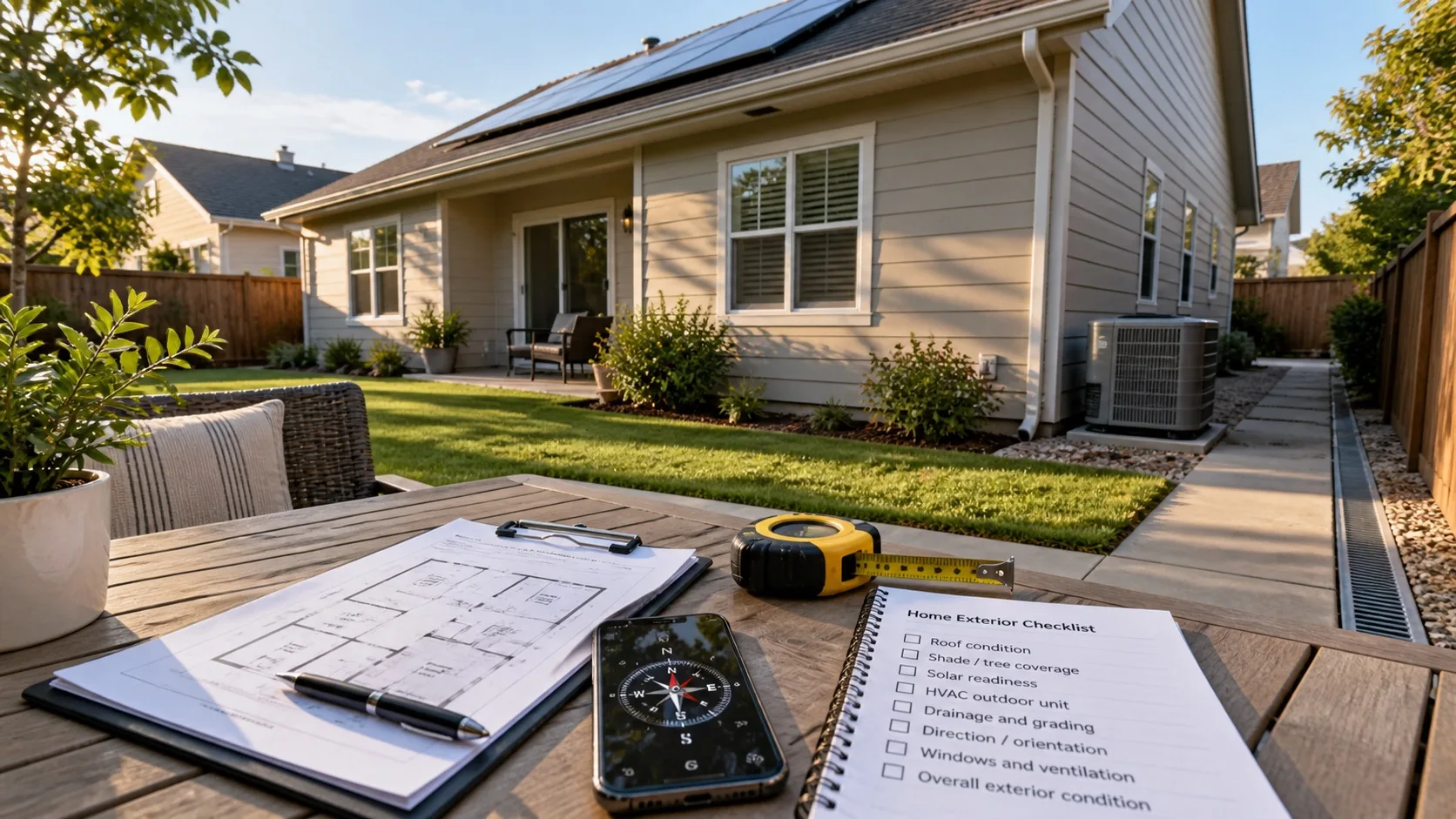
The outside of the home often explains the inside comfort. Look at roof age, attic ventilation, tree shade, exterior wall exposure, window direction, drainage slope and nearby hard surfaces that reflect heat. A house with beautiful interiors may still overheat if the roof, attic and windows are weak.
Solar panels can be valuable, but they should be reviewed practically. Check roof condition before assuming solar is a benefit. Panels on an old roof may create future removal costs. Ask about ownership, lease terms, production history, warranties, inverter age and transfer rules. From a Vastu perspective, solar belongs to the practical fire and energy system of the home, so safety and professional installation matter more than symbolism.
Drainage is equally important. Water collecting near foundations, patios, garage doors or basement walls can create dampness and long-term repair costs. Vastu discussions often describe water imbalance symbolically, but buyers should begin with grading, gutters, downspouts, sump pumps and waterproofing. A dry home is calmer than a home that needs constant repair.
Energy-efficient Vastu comparison table
| Area | Good sign | Concern | Buyer action |
|---|---|---|---|
| Living room | Bright without harsh glare | Large west glass and afternoon heat | Visit late afternoon and review shade |
| Bedroom | Quiet, stable temperature | Drafts, vent blast or road noise | Stand where the bed will go |
| Kitchen | Good exhaust and safe appliance layout | Heat, smell or weak ventilation | Check range hood and windows |
| HVAC | Maintained, even comfort | Old equipment or hot/cold rooms | Ask inspector about remaining life |
| Windows | Sealed, shaded, easy to cover | Condensation, leaks or glare | Review replacement cost |
| Exterior | Good roof, drainage and shade | Water pooling or exposed walls | Inspect grading and gutters |
Practical examples
Sunny west living room
The room photographs beautifully, but afternoon heat is strong. The buyer checks shade, window quality, cooling capacity and curtain options before deciding.
Cold north bedroom
The bedroom is quiet and private but feels cold. Better insulation, warm lighting and vent balance may solve it if inspection shows no moisture issue.
Solar home with old roof
The panels look attractive, but roof age matters. The buyer reviews transfer documents, warranties and future roof work before counting it as a benefit.
Townhome with uneven rooms
Upstairs bedrooms run hot while the lower floor feels cool. The buyer asks about insulation, ducts and zoning instead of judging direction alone.
International remote buyer
The buyer requests videos at morning and afternoon times to compare light, glare, street noise, thermostat location and room comfort.
Efficient but dark condo
The utility bills are low, but the unit feels dim. The buyer plans lamps, lighter finishes and mirrors only after confirming the room is not damp.
Buyer checklist before making an offer
Use this checklist during showings, inspection and final decision. It helps you separate emotional staging from daily performance. A comfortable home should support morning routines, work, cooking, sleep and maintenance without constant correction.
- Confirm true directions for entry, main windows, kitchen, bedrooms and work areas.
- Visit at a second time if sunlight, heat or glare is a concern.
- Ask for utility history, but compare it with occupancy and climate.
- Check HVAC age, service records, thermostat location and room balance.
- Look for drafts, condensation, window damage and difficult-to-cover glass.
- Review attic, insulation, roof, gutters and drainage during inspection.
- Study solar ownership, warranties and roof condition before assuming value.
- Check whether furniture placement blocks vents, windows or walking paths.
- Separate low-cost fixes from major building-performance issues.
- Use professional advice before relying on expensive upgrades.
Remedies and improvements that usually help
Start with practical, low-risk changes. Improve curtains, shades, lamps, rugs, vent clearance, furniture placement, weather stripping and routine maintenance. Replace filters and keep return air paths clear. Use plants only where real light supports them. Avoid blocking windows that provide necessary air or emergency exit.
For larger changes, use professionals. Insulation, duct sealing, HVAC replacement, window replacement, solar installation and roof work need technical review. A remedy should not create code, warranty, moisture or safety problems. When a Vastu idea requires construction, treat it as construction first and symbolism second.
If you are renting, focus on removable improvements: curtains, lamps, rugs, layout, cleaning, portable air purifiers where appropriate and furniture that does not block vents. Compare this with Renting Before Buying: Vastu Checklist.
Related buyer guides
For a full purchase review, use this article with Vastu Home Inspection Checklist for USA Buyers, Open House Vastu Checklist, Final Walkthrough Vastu Checklist and HOA and Vastu Checklist. For room-level comfort, read Living Room Vastu, Bedroom Vastu and Air Conditioner Vastu.
Frequently asked questions
Can energy efficiency and Vastu be checked together?
Yes. A practical Vastu review should include daylight, airflow, heat gain, cooling, heating, insulation, utility costs and room comfort because these affect daily life directly.
Which direction is best for an energy-efficient home?
There is no single best direction for every climate. East and north light may be easier to manage in many homes, while west and south exposure need careful shade, insulation and cooling review.
Should I reject a home with high utility bills?
Not automatically. Ask why the bills are high, review HVAC age, insulation, window quality, orientation, occupancy and climate before deciding whether the issue is fixable.
Do solar panels make a home Vastu-friendly?
Solar panels can support practical energy goals when installed safely, but they do not replace good layout, ventilation, maintenance, roof condition and professional electrical design.
Can renters use this energy Vastu checklist?
Yes. Renters can still review daylight, heating, cooling, window coverings, drafts, ventilation, appliance condition and furniture placement without making permanent changes.
Is this advice a substitute for inspection or energy audit?
No. This guide is educational only. Buyers should use qualified inspectors, HVAC technicians, energy auditors and real estate professionals for technical and purchase decisions.
Conclusion
Energy-efficient Vastu is a grounded way to judge a home. It respects direction, but it also respects climate, sunlight, airflow, insulation, HVAC, roof condition, drainage and utility costs. These practical details decide whether the home feels calm after the viewing excitement is gone.
Before buying, ask how the home will behave in summer, winter, morning, afternoon and ordinary busy weeks. A home that is bright, dry, comfortable and affordable to maintain gives Vastu improvements a stronger foundation. That is the kind of balance buyers can live with every day.