
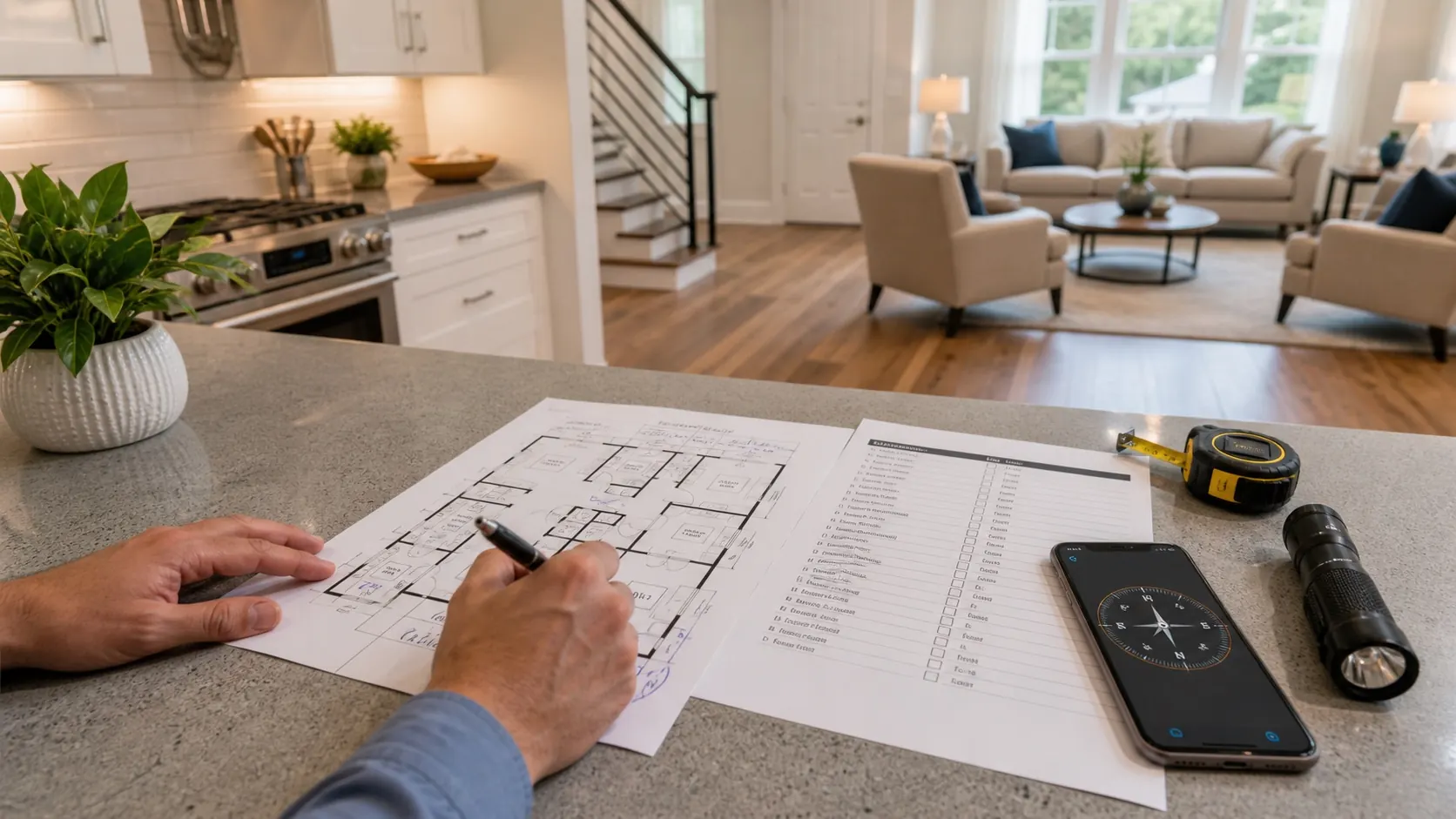
Quick answer: how should buyers combine Vastu and inspection?
Use the home inspection as the practical foundation and Vastu as a second layer of layout review. First check safety, structure, water, electricity, ventilation, roof, drainage, heating and cooling. Then study the main entry, kitchen, bedrooms, bathrooms, basement, garage and room flow. A home is truly supportive only when both physical condition and daily layout make sense.
This approach is especially important for USA and international buyers. Many properties look beautiful in listing photos, but an inspection may reveal dampness, old wiring, weak ventilation, roof wear, foundation cracks, drainage toward the house or expensive mechanical systems near the end of life. These are not small symbolic issues. They affect health, money, comfort and long-term peace of mind.
Why inspection comes before remedies
Vastu often speaks about balance, cleanliness, light, air and stability. A professional inspection looks at many of the same practical realities, but with technical tools and building knowledge. When an inspector reports active leakage, damaged roof flashing, poor grading, unsafe electrical work or mold risk, that information should guide your decision before any decorative correction.
A home with a pleasant entrance and good bedroom direction may still become stressful if the basement floods after heavy rain. A kitchen may be in a preferred zone, but if exhaust is weak and wiring is unsafe, the daily experience will be poor. Direction can help you compare layouts, but inspection findings protect you from avoidable cost and risk.
Think of inspection and Vastu as partners. Inspection answers, “Is the home physically sound and maintainable?” Vastu asks, “Will the home support daily rhythm, rest, cooking, work, movement and emotional comfort?” Good buying decisions respect both questions.
Inspection red flags Vastu-conscious buyers should not ignore
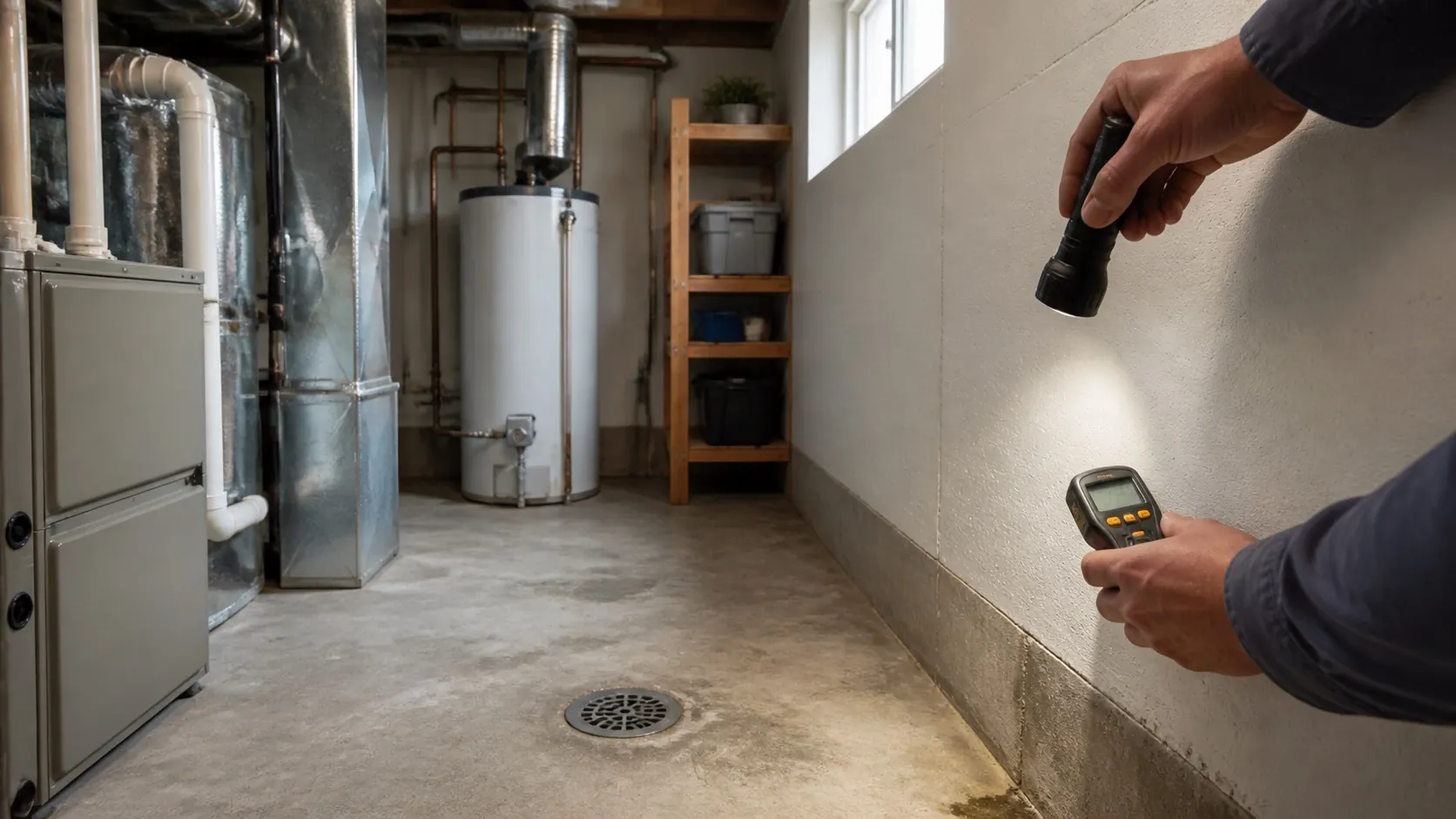
Water is the first major red flag. Look for roof leaks, plumbing leaks, damp basement walls, musty smell, stained ceilings, swollen cabinets, damaged bathroom caulking, clogged drains and poor exterior grading. In Vastu language, uncontrolled water often feels like loss or instability. In practical language, it can mean repair bills, mold, insurance issues and stress.
Electrical and fire-safety issues also matter. Old panels, overloaded circuits, exposed wiring, missing GFCI protection near wet areas or amateur repairs should be reviewed by qualified professionals. A kitchen or electrical zone cannot feel balanced if it is unsafe. Heat, fire and power need respect before symbolism.
Ventilation is another quiet issue. Bathrooms without working exhaust, kitchens without proper venting, sealed windows, damp laundry rooms and stale basements can make the home feel heavy. Good air movement is one of the most practical forms of positive energy. If air is trapped, odors and moisture remain trapped too.
Structural and drainage concerns require calm seriousness. Foundation movement, sloping floors, retaining wall cracks, damaged decks, unsafe stairs and water flowing toward the house should not be minimized. Ask what is cosmetic, what is urgent and what could become expensive later.
Room-by-room inspection and Vastu checklist
Main entry
The entry should feel clean, visible, secure and easy to use. Inspect door alignment, locks, threshold condition, porch lighting, water pooling, steps and handrails. Then review the Vastu experience: does the door open smoothly, is the first view pleasant, and is there space for shoes, coats, keys and bags without blocking movement?
Kitchen
Check sink leaks, appliance age, exhaust, outlet safety, cabinet swelling, countertop cracks, lighting and whether the stove area is safe. For Vastu, review stove-sink spacing, island clearance, pantry flow and whether cooking smoke can leave the house. A costly kitchen remodel should be planned only after safety and function are understood. Read Kitchen Sink and Stove Vastu for deeper layout guidance.
Bedrooms
Inspect windows, heating and cooling, closet moisture, wall cracks, flooring, noise and outlets. Then draw bed placement. A bedroom should allow a stable headboard wall, privacy from the door and enough walking clearance. A room that passes inspection but has no workable bed wall may still feel uncomfortable for daily sleep.
Bathrooms and laundry
Bathrooms reveal many hidden issues. Check exhaust fans, water pressure, toilet stability, shower waterproofing, caulk, grout, drain smell, stains below sinks and laundry connections. In Vastu terms, wet areas should be contained, clean and ventilated. A bathroom direction concern is easier to manage than active leakage.
Basement, attic and garage
Basements need moisture, sump pump, cracks, windows, radon where relevant, egress and storage review. Attics need ventilation, insulation, roof leaks and pest signs checked. Garages need fire-rated doors, opener safety, fumes, clutter and route-to-kitchen review. For detached homes, continue with Vastu for USA Single-Family Homes.
Buyer inspection table
| Finding | Practical risk | Vastu interpretation | Buyer action |
|---|---|---|---|
| Basement moisture | Mold, foundation or drainage cost | Heavy, unhealthy lower zone | Ask inspector about source and repair scope |
| Weak kitchen exhaust | Smoke, smell and grease buildup | Fire zone not clearing properly | Price ventilation correction before closing |
| Unsafe wiring | Shock or fire hazard | Electrical zone lacks stability | Use licensed electrical review |
| Roof leak | Interior damage and hidden rot | Protection of home is compromised | Request repair, credit or specialist quote |
| No bed wall | Poor sleep layout | Weak bedroom support | Sketch furniture before accepting room |
| Water toward house | Foundation and basement risk | Flow works against stability | Review grading, drains and downspouts |
How inspection findings affect the buying decision
After inspection, sort issues into three groups. First are urgent safety or water issues: active leaks, electrical hazards, foundation movement, roof failures, gas concerns, mold risk and unsafe stairs. These need specialist review or negotiation. Second are functional issues: weak exhaust, poor lighting, broken fans, old appliances, drafty windows and storage problems. Third are Vastu or comfort refinements: bed direction, desk placement, decor, colors, plants and clutter habits.
This sorting keeps emotions steady. A buyer may feel worried by a bathroom in a less preferred direction, but the inspection may show it is dry, ventilated and well built. That is easier to manage. Another house may have a preferred kitchen direction, but active under-sink leakage and poor exhaust. That requires action before closing.
For international buyers, ask for photos of every flagged issue. Request repair estimates where needed, and understand local customs. In some markets, sellers fix items. In others, buyers receive credits or accept the home as-is. Vastu should not push you into accepting repair risk you do not understand.
Practical examples for USA and international buyers
New Jersey basement
The layout feels good, but the inspection notes moisture at one foundation wall. The buyer should ask about grading, gutters, sump pump and repair cost before deciding.
Texas kitchen
The open kitchen is attractive, but exhaust is weak and the island blocks movement. Improve ventilation and workflow before spending on decorative upgrades.
California townhouse
The daily entry is through the garage. Inspection confirms the fire-rated door works, but clutter would block movement. Plan storage as part of move-in Vastu.
Remote buyer abroad
The agent sends photos of roof, attic, basement, bathrooms and electrical panel. The buyer combines these with a north-marked floor plan and video tour.
Canada winter home
South light feels valuable in winter, but window condensation appears. Check ventilation and insulation before judging only by direction.
First rental after move
The rental has imperfect direction but good light, ventilation and no water issues. Simple furniture placement and entry storage make it workable.
What buyers should not overcorrect
Do not reject every home because one room is imperfect. Very few modern houses match every traditional rule exactly, especially abroad. Focus on issues that affect health, safety, money and daily comfort. A fixable bed position concern is different from a foundation drainage problem.
Do not buy many remedies before repairs. If the bathroom leaks, repair waterproofing. If the kitchen smells smoky, improve exhaust. If the entry is dark, improve lighting. These practical corrections usually create more benefit than adding objects to a damaged area.
Do not ignore inspection because the seller offers fresh paint or staged interiors. Paint can hide dampness temporarily. Staging can hide awkward pathways. Ask direct questions and trust documented findings over appearance.
Inspection-day checklist
- Ask for the complete written inspection report with photos.
- Mark major findings on the floor plan so you can see patterns by zone.
- Check roof, attic, basement, drainage, bathrooms, kitchen and electrical panel carefully.
- Separate urgent repairs from cosmetic improvements.
- Confirm whether the real daily entry is the front door, garage or corridor.
- Draw bed placement before accepting bedroom suitability.
- Review kitchen exhaust, stove-sink spacing, island clearance and lighting.
- Ask how water moves away from the house during rain or snow melt.
- Use qualified professionals for structural, electrical, HVAC, roof and moisture concerns.
- Make Vastu improvements after the home is safe, dry and maintainable.
Related buyer guides
For a wider buyer checklist, read Vastu Checklist for USA and International Home Buyers. For remote buying and move-in planning, use Vastu for International Relocation Home Buyers. For new homes, read Vastu for USA New-Construction Homes. For no-renovation improvements after closing, continue with Vastu Remedies Without Renovation.
Frequently asked questions
Can Vastu be combined with a USA home inspection?
Yes. Use the inspection report to identify practical issues such as leaks, dampness, ventilation, electrical safety, HVAC, drainage and structural concerns, then apply Vastu only in ways that support real repairs and comfort.
Which inspection red flags matter most for Vastu buyers?
Water leakage, basement moisture, poor drainage, mold smell, unsafe wiring, weak ventilation, roof damage, blocked entries, cramped kitchens and bedrooms without workable bed placement deserve careful review.
Should buyers ignore a good Vastu layout if inspection is poor?
A poor inspection should be taken seriously. A directionally attractive home with active water damage, unsafe electrical work or major repair risk may not be a good purchase without clear repair terms.
Can remedies replace inspection repairs?
No. Remedies should never replace plumbing, waterproofing, electrical, HVAC, roof, drainage or safety repairs. Fix the physical issue first, then use simple Vastu improvements if needed.
What should international buyers ask inspectors to check?
Ask for photos and comments on roof, basement, attic, drainage, bathrooms, kitchen exhaust, HVAC, electrical panel, water heater, windows, entry safety, dampness and any urgent repair items.
What are easy post-closing Vastu improvements after inspection?
After repairs, improve lighting, ventilation, entry storage, bed placement, kitchen organization, basement use, clutter control and routine maintenance before buying decorative remedies.
Conclusion
A Vastu-conscious home buyer should welcome inspection clarity. The report helps you see whether the home is dry, safe, ventilated, maintainable and worth the cost. Vastu then helps you understand daily flow: how the family enters, cooks, sleeps, works, stores belongings and keeps the home clean.
When both views agree, confidence grows. When they conflict, choose physical safety and repair truth first. A home that is structurally sound, dry, bright, well ventilated and easy to maintain gives you a stronger foundation for every Vastu improvement that follows.