
On this page
Quick answer: how should USA buyers use Vastu for single-family homes?
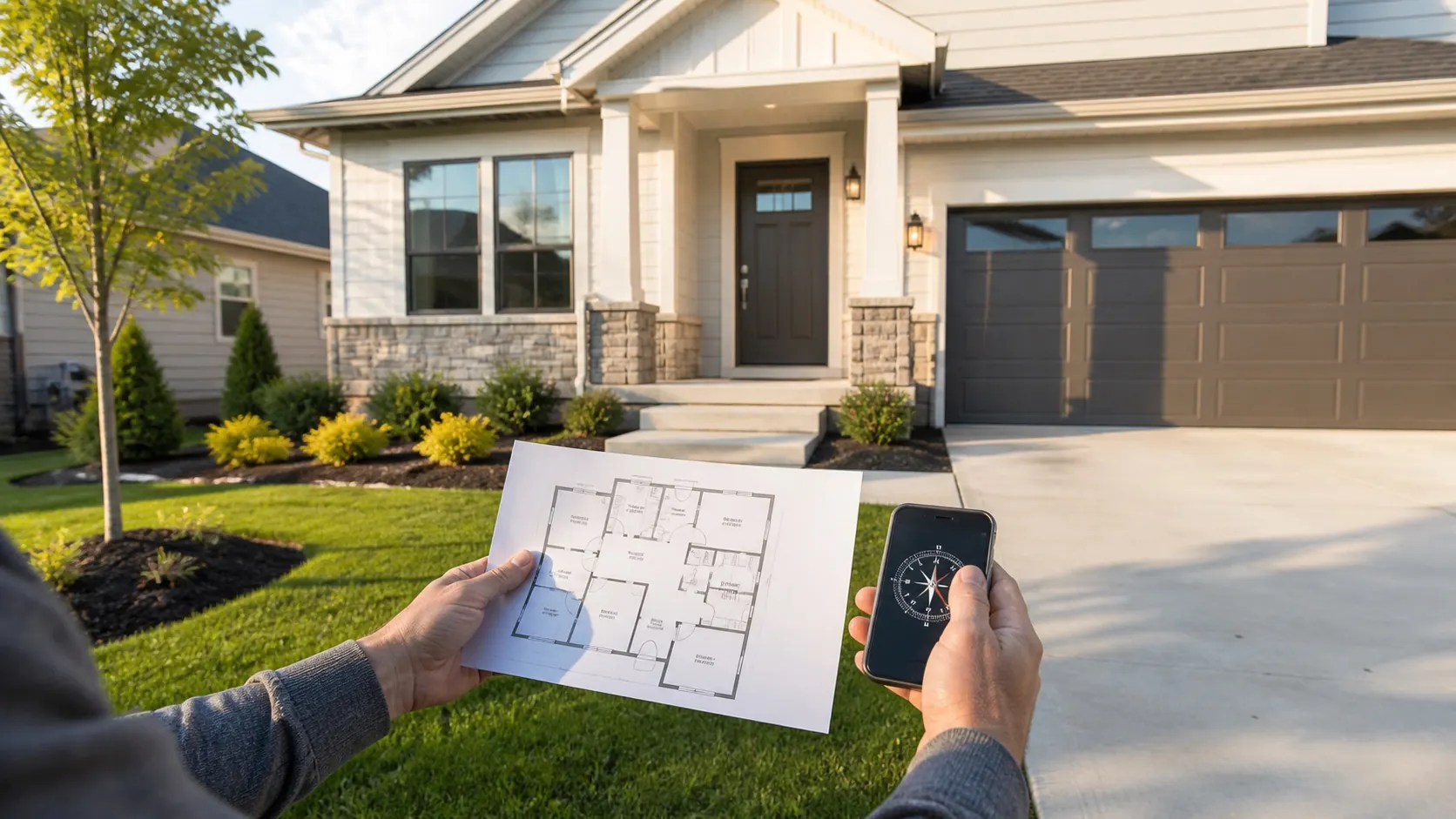
Use Vastu as a practical review method, not as a reason to panic over one imperfect direction. For a detached USA home, first identify the real daily entrance, confirm directions with a reliable compass reading, review the floor plan, inspect the kitchen and bedrooms, check the garage route, study basement condition, observe yard slope and separate fixed concerns from easy improvements.
A single-family house can be more flexible than a condo because you may control the yard, exterior lighting, garage storage, basement use and future renovations. That flexibility is useful, but it also means you must inspect more. A beautiful front door does not help much if the family enters daily through a dark, cluttered garage. A large basement is not a bonus if it smells damp or has poor drainage outside.
Why detached USA homes need a different Vastu checklist
Many traditional Vastu examples assume a plot, courtyard or independent house where land, entry and room placement are connected. USA single-family homes are closer to that model than condos, but the details are different. You may see attached garages, finished basements, open kitchens, large laundry rooms, mechanical rooms, decks, patios, fenced yards and climate-specific construction. These features deserve their own review.
Start with the property as a whole. Look at the road, driveway, front walkway, main door, garage, side yard, backyard, drainage flow and surrounding homes. Then review the rooms. This outside-to-inside method prevents a common buying mistake: evaluating only the kitchen or bedroom while ignoring the land and entry pattern that shapes daily life.
Detached homes also vary by region. A Texas home may focus on heat, west sun and HVAC load. A New Jersey or Illinois home may have a basement that needs moisture review. A California home may have slope, wildfire, seismic or garage-conversion concerns. A Florida home may require careful attention to water, wind, ventilation and outdoor exposure. Vastu should support local building reality, not replace it.
Front entry, driveway and garage route
The front entry is still important because it shapes identity, guest movement and first impression. Check whether the door is visible, clean, well lit and protected from harsh weather. The walkway should feel natural, not squeezed between bins, parked cars or overgrown plants. If the front door opens directly into a cramped wall or stair, test whether furniture and lighting can soften the experience.
In many USA homes, the garage entry is the true daily entrance. Families park inside, carry groceries through the mudroom and rarely use the formal front door. From a practical Vastu view, that garage-side route must be treated seriously. It should be bright, dry, safe, well organized and free from broken items, trash smell, paint cans, sharp tools and blocked pathways.
Attached garages also affect the rooms beside or above them. Check whether bedrooms over the garage are cold, noisy or difficult to heat. Review fire-rated doors, ventilation, fumes, storage and whether the garage wall is shared with a bedroom, kitchen or family room. A direction preference cannot compensate for poor safety or weak comfort.
Basement, backyard slope and drainage
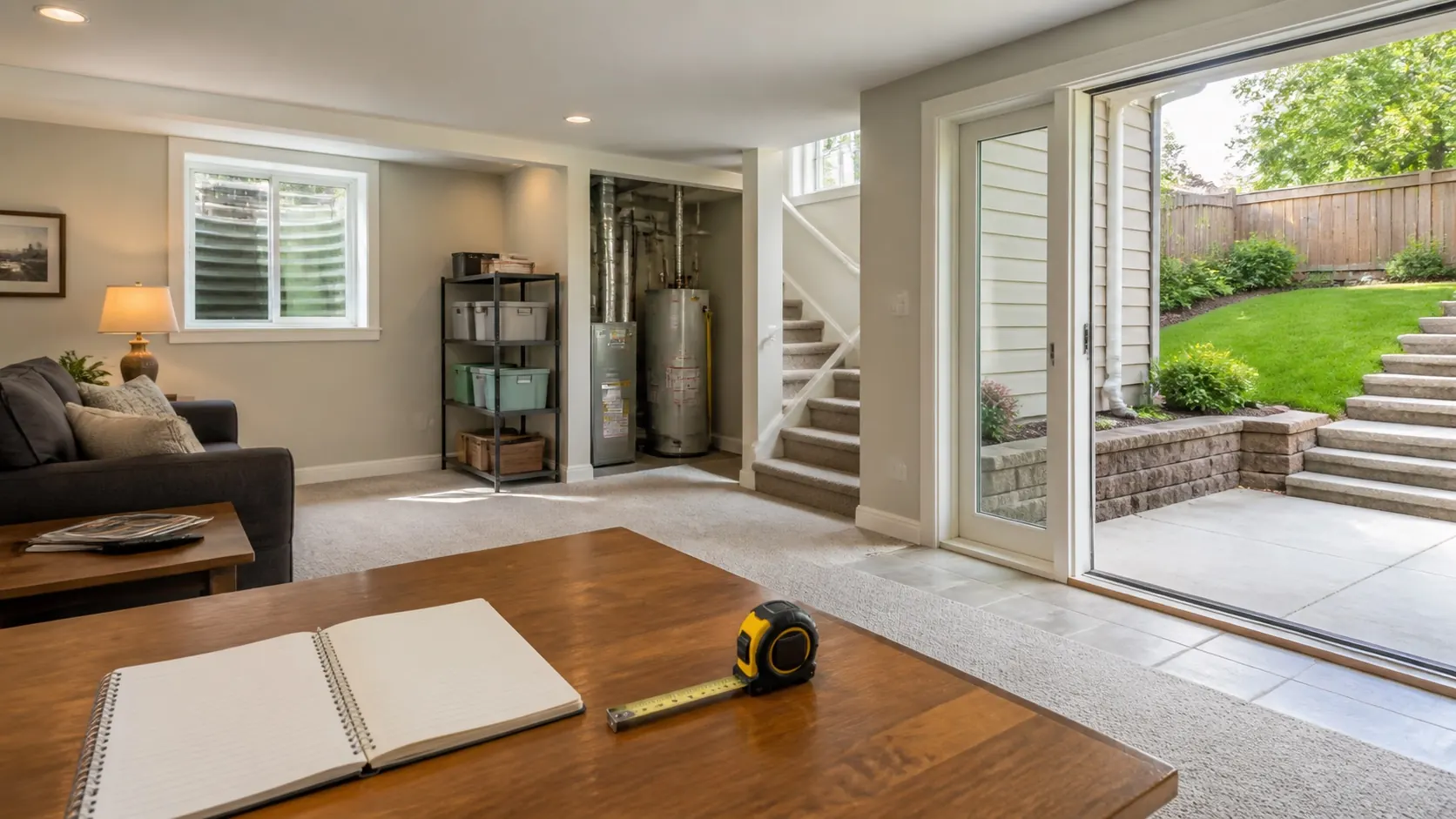
Basements are common in many USA regions, and buyers often treat finished basements as bonus living space. Vastu review should begin with condition. Is the basement dry? Does it smell musty? Are there water stains, cracks, sump pumps, dehumidifiers, blocked windows or weak lighting? If a basement is intended for office, playroom, gym or guest use, it must feel healthy and easy to ventilate.
Traditional Vastu often treats underground or lower areas as heavier zones. In a modern home, that does not mean every basement is bad. It means the basement should be used thoughtfully. Storage, gym, media, hobby space or occasional guest use may work well. Daily sleeping or long work hours in a dark, damp basement should be reviewed carefully, especially if natural light and emergency egress are poor.
Backyard slope connects directly to basement performance. Walk around the house and notice where water would flow during rain or snow melt. Downspouts should move water away from the foundation. Soil should not slope toward the house. Retaining walls, patio levels and walkout basement doors should be inspected. For more detail, read Plot Slope Vastu and Water Leakage Vastu.
Room-by-room checklist before making an offer
Main living room
The living room should feel open enough for movement and conversation. Check window direction, glare, sofa placement, TV wall, fireplace position and whether the room connects smoothly to the entry and kitchen. A very large room can still feel uncomfortable if every path cuts through the seating area. Read Living Room Vastu for room-specific planning.
Kitchen and dining
USA kitchens often include islands, pantries, large refrigerators and open sightlines to the family room. Review stove location, sink distance, exhaust, fridge access, island clearance and whether people can cook without blocking the main walking path. A southeast preference is useful only when the kitchen is also safe and practical. Continue with Kitchen Sink and Stove Vastu.
Primary bedroom
The primary bedroom should allow a stable bed wall, comfortable nightstands, privacy from the door and calm light. Watch for layouts where the only bed wall is under a large window, beside a bathroom door or against a noisy garage wall. A supported headboard and clear walking space often matter more than a decorative remedy added later.
Children's rooms and guest rooms
Secondary bedrooms should be easy to furnish. Draw the bed, desk and wardrobe before assuming the room works. In some USA homes, small bedrooms are shaped by closets, windows and HVAC vents in ways that make layout harder. If one room will become a nursery, study room or guest room, test that exact use.
Bathrooms, laundry and mechanical spaces
Detached homes may have several bathrooms, a laundry room, water heater, furnace, HVAC equipment and electrical panels. These are not just technical details. They influence sound, heat, access and maintenance. Keep wet and mechanical zones clean, ventilated and easy to service. Do not buy a house where hidden water problems are dismissed as minor Vastu defects.
Fixed versus fixable issues
Fixed or expensive issues include lot slope, driveway position, main entrance location, garage attachment, staircase placement, plumbing stacks, basement condition, large windows, structural walls and major utility systems. These should be reviewed before making an offer because they can affect cost and daily comfort.
Fixable issues include lighting, curtains, shoe storage, garage organization, bed direction, desk placement, wall colors, plants, mirrors, rugs, artwork and basement zoning. These can often be improved after closing without major construction. A house with mostly fixable issues may be a strong candidate.
Make two columns while touring: “must accept as-is” and “can improve later.” This simple exercise reduces anxiety. It also helps you avoid rejecting a good home over a movable item while accepting a poor home with hidden drainage or layout problems.
Buyer comparison table
| Area | Good sign | Warning sign | Buyer action |
|---|---|---|---|
| Front entry | Visible, bright, clean and welcoming | Blocked path, dark porch or cramped foyer | Test entry flow and lighting options |
| Garage route | Clear mudroom, safe door and storage | Cluttered daily entrance or fumes | Treat garage entry like a main entrance |
| Basement | Dry, bright, ventilated and easy to exit | Musty smell, water stains or poor egress | Use inspection findings before Vastu remedies |
| Yard slope | Water moves away from the house | Soil or patio slopes toward foundation | Ask inspector about drainage and grading |
| Kitchen | Safe stove, sink and island spacing | Crowded work triangle or poor exhaust | Measure cooking and walking clearance |
| Bedrooms | Stable bed wall and quiet placement | No comfortable bed position | Sketch furniture before offer |
Practical examples for USA and international buyers
Suburban new-build
The front door is pleasant, but everyone enters through the garage. Add strong garage lighting, closed storage and a clean mudroom plan before judging only the formal entry.
Older home with basement
The basement has useful space, but one wall shows moisture. The buyer should request inspection details and repair costs before treating the issue as a simple energy concern.
West-facing backyard
The yard is beautiful but hot in summer. Use shade planning, curtains, tree placement and patio use timing instead of rejecting the home automatically.
NRI buyer touring remotely
Ask for a floor plan with north marked, a slow video from street to entry, garage route, basement, kitchen, bedrooms and backyard drainage points.
House with office need
If remote work matters, choose a room with daylight, privacy and a solid desk wall. A quiet office may be more valuable than a rarely used formal dining room.
Family with children
Check stairs, bedroom distance, backyard safety, school-morning entry storage and noise before focusing on small decor changes.
How to combine Vastu with inspection and resale logic
For USA buyers, Vastu review should sit beside inspection, appraisal, insurance, HOA rules where applicable, school commute, flood risk and resale value. A home is not only a floor plan. It is a system of land, structure, utilities, light, weather and daily habits. When those basics are strong, Vastu adjustments become easier and less stressful.
Never use Vastu to ignore a professional warning. Foundation cracks, active leaks, mold, unsafe wiring, drainage toward the house, missing handrails or poor ventilation need practical correction. In many cases, repairing water, light, clutter and safety issues is the most meaningful remedy.
International buyers should be especially careful when buying remotely. Ask the agent for compass readings from multiple spots, current photos in daylight, basement and attic videos, inspection reports and a simple furniture plan. If you cannot visit, have a trusted person walk through with the checklist. For broader buying steps, use Vastu Checklist for USA and International Home Buyers.
No-renovation improvements after closing
Begin with the entrance. Clean the porch, repair lighting, keep the door hardware working and create a simple place for shoes, keys and coats. If the garage is the daily entrance, organize it before buying new decorative items. Good lighting and clear walking space can change how the home feels immediately.
Then improve sleep and work zones. Position beds with solid support, reduce mirror glare, use curtains for privacy and create a calm desk location. In the kitchen, keep counters clear, maintain exhaust and separate wet and heat zones as much as the layout allows. For no-demolition ideas, read Vastu Remedies Without Renovation.
Use the basement with intention. Storage should be labeled and dry. A gym needs ventilation. A media room needs lighting and easy stairs. A guest room needs legal egress, comfort and privacy. Avoid making a damp basement into a daily bedroom or office simply because it adds square footage.
Offer-stage checklist
- Confirm whether the family will use the front door or garage door daily.
- Take compass readings away from cars, metal railings, appliances and electrical panels.
- Review the full lot: road, driveway, porch, side yards, backyard and slope.
- Inspect basement walls, smell, light, sump pump, dehumidifier, windows and exits.
- Check that downspouts and soil grading move water away from the foundation.
- Measure kitchen island clearance, stove-sink distance and exhaust quality.
- Draw the bed and desk positions for each important bedroom.
- Look for noise from garage doors, HVAC, road traffic and mechanical rooms.
- Separate expensive fixed concerns from easy furniture or decor improvements.
- Use Vastu notes, inspection results and daily routine together before deciding.
Frequently asked questions
Can Vastu be applied to USA single-family homes?
Yes. Use Vastu as a practical buying checklist for entry flow, direction, kitchen placement, bedrooms, basement use, garage entry, yard slope, light, ventilation and inspection issues.
What should USA buyers check first in a detached home?
Start with the true daily entrance, compass direction, floor plan, garage route, kitchen, bedrooms, basement dampness, backyard drainage, sunlight and whether any problem is fixed or easily adjustable.
Is a garage entrance important in Vastu?
Yes. In many USA homes the family enters through the garage more often than the front door, so that route should be bright, clean, safe, ventilated and uncluttered.
Should I reject a house because it has a basement?
No. A basement can work well when it is dry, bright, ventilated, safe and used for suitable functions. Dampness, poor drainage, mold smell and weak egress are more serious than the basement itself.
How does backyard slope affect Vastu review?
Backyard slope affects drainage, moisture, retaining walls, basement risk and the visual weight of the property. Buyers should combine Vastu preference with a professional drainage and inspection review.
What Vastu improvements are easiest after closing?
Lighting, entry storage, curtains, bed position, work desk placement, plants, garage organization, basement use, mirrors and clutter control are usually easier than moving walls, plumbing, stairs or windows.
Conclusion
Vastu for USA single-family homes is most useful when it helps buyers notice how the whole property will support daily life. Review the front entry, garage route, basement, yard slope, kitchen, bedrooms, bathrooms and mechanical areas with the same calm attention. A home that is dry, bright, safe, organized and easy to maintain already has a strong foundation for practical Vastu.
Before making an offer, mark directions on the floor plan and list what is fixed versus fixable. If the fixed features are acceptable and the remaining issues can be improved with lighting, storage, furniture and maintenance, the house may be a strong candidate. Continue with How to Check Directions Correctly, Main Door Vastu and Independent House Vastu.