
On this page
Quick answer: does Vastu affect resale value?
Vastu can affect resale value for some buyers, especially families who actively look for direction, entrance quality, room placement and a calm interior flow. But in the USA and many international markets, resale value is mostly shaped by location, school district, home condition, layout, natural light, usable square footage, parking, neighborhood appeal, comparable sales and current demand. Vastu is one helpful lens, not the full pricing model.
The safest approach is to choose a home that is both Vastu-conscious and broadly marketable. A property with good entry flow, clean light, practical kitchen, comfortable bedrooms, dry bathrooms, useful storage and no severe inspection issues will usually appeal to more buyers than a home that is directionally preferred but awkward, dark, damaged or difficult to maintain.
What resale value really means for USA buyers
Resale value means how confidently a future buyer may want the home, and how easily the property can compete with similar homes. In the USA, this is often judged through comparable sales, location, condition, bedroom and bathroom count, floor plan, lot usability, HOA rules, school access, commute, taxes, insurance and inspection findings. Appraisers and lenders generally do not assign formal value because a home is Vastu-friendly. They look at measurable market evidence.
That does not make Vastu irrelevant. Vastu-aware buyers may feel more confident when the entrance is clear, the home receives balanced light, the kitchen feels properly placed, bedrooms feel private and the center of the house is not blocked by heavy clutter. These qualities also overlap with mainstream buyer preferences. A bright, clean, easy-to-navigate home is easier to show and easier to remember.
International buyers should be especially careful. A direction that feels culturally important may not increase appraisal value in the local market. If two homes are equal in location and condition, Vastu can be a deciding factor. If one home has major repair needs or a weak location, Vastu should not be used to ignore those risks.
Vastu features that often support resale appeal
The first helpful feature is a strong entry experience. The front door should be easy to identify, well lit, safe, clean and not overwhelmed by the garage. The path from curb to door should feel natural. For Vastu-aware buyers, this supports a calm sense of arrival. For general buyers, it improves curb appeal and first impression. Read Main Door Vastu for more entry details.
The second feature is good natural light without harsh glare. East and north light may feel softer in many homes, while south and west exposures can be valuable or difficult depending on climate. The resale question is practical: do the main rooms feel bright, comfortable and usable at the times people actually live there? For direction comparison, continue with East vs West Facing House Vastu for USA Buyers.
The third feature is a floor plan that feels simple. Buyers tend to like clear movement from entry to living room, kitchen, dining, bedrooms and outdoor space. A home can lose appeal when the entrance opens into a blocked wall, the dining room is squeezed into a passage, the kitchen has poor ventilation, or bedrooms lack privacy. These are Vastu concerns and market concerns at the same time.
The fourth feature is maintenance. Dry bathrooms, working exhaust, clean windows, safe stairs, stable flooring, fresh paint and uncluttered storage matter deeply. Many buyers talk about direction, but they decide emotionally when a home feels fresh, cared for and low-stress. Vastu works best when it supports that practical confidence.
Vastu concerns that can hurt buyer confidence
Some concerns are mostly fixable. A cluttered entry, weak lighting, poor furniture placement, loud paint color, uncovered west glare or messy storage can often be improved after purchase. These should not automatically disqualify a home if the price, location and structure are strong.
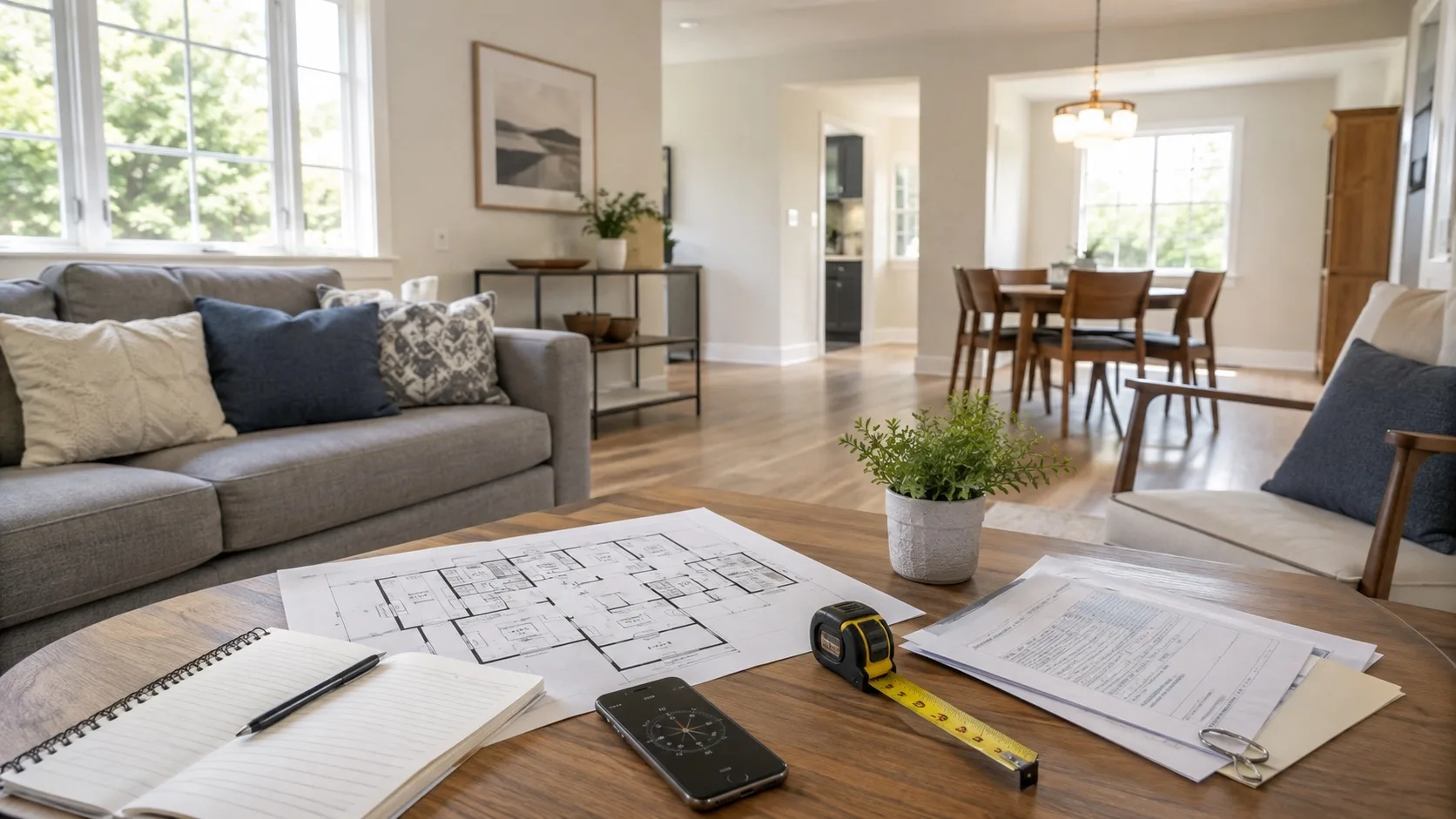
Other concerns deserve caution. A floor plan with very dark central areas, awkward room access, poor bedroom privacy, severe bathroom odor, chronic dampness, difficult parking or a kitchen that cannot ventilate well may reduce broad buyer appeal. These are not only spiritual worries; they become daily-life problems. Future buyers may notice them quickly during showings.
Be careful with highly customized remedies or permanent design choices. A future buyer may not understand mirrored corrections, unusual partitions, crowded symbolic objects or niche color choices. If you plan to resell within a few years, choose improvements that make the home cleaner, brighter, safer and easier to use. These are more universally accepted than dramatic changes.
Also remember that appraisal and resale are different. An appraiser may not value a Vastu correction, while a motivated Vastu-aware buyer may love it. The practical compromise is to improve features that both groups can appreciate: condition, layout, light, storage, ventilation and maintenance.
Buyer comparison table
| Vastu factor | Resale-friendly sign | Buyer caution | Best action |
|---|---|---|---|
| Entrance | Clear, bright, safe and visible | Hidden door, garage dominance or clutter | Review daily access and curb appeal |
| Living room | Good light and easy seating | Glare, blocked paths or awkward shape | Test furniture scale and window exposure |
| Kitchen | Ventilated, clean and practical | Poor exhaust, heat or cramped workflow | Inspect appliance layout and repair cost |
| Bedrooms | Private, quiet and comfortable | Noise, heat, weak bed wall or low privacy | Check sleep quality and window direction |
| Bathrooms | Dry, ventilated and maintained | Leaks, smell, dampness or stains | Use inspection before cosmetic judgment |
| Center of home | Open enough for movement | Heavy clutter or dark passage | Keep circulation simple and bright |
Practical examples
Strong Vastu, weak location
A home has a preferred entrance direction but sits beside constant road noise. Future buyers may care more about noise than direction, so the price should reflect that risk.
Average direction, excellent flow
The entry is not the buyer’s first choice, but the home is bright, dry, well maintained and easy to furnish. This can be more resale-friendly than a cramped “perfect” layout.
West-facing living room
Afternoon glare worries the buyer. Good curtains, shade trees and efficient cooling may make it manageable, but the buyer should visit during peak sun before offering.
International condo buyer
The unit has a good entry but limited storage and strict HOA rules. Resale review should include building rules, parking, elevators, rental limits and future buyer demand.
Resale home with remedies
The owner added many symbolic items, but the actual issue is poor lighting. The buyer should price practical improvements, not assume all remedies add value.
Newer home with broad appeal
The layout supports light, entry, kitchen flow and bedroom privacy. Even if one Vastu point is imperfect, the home may appeal to more buyers later.
Offer checklist before paying a Vastu premium
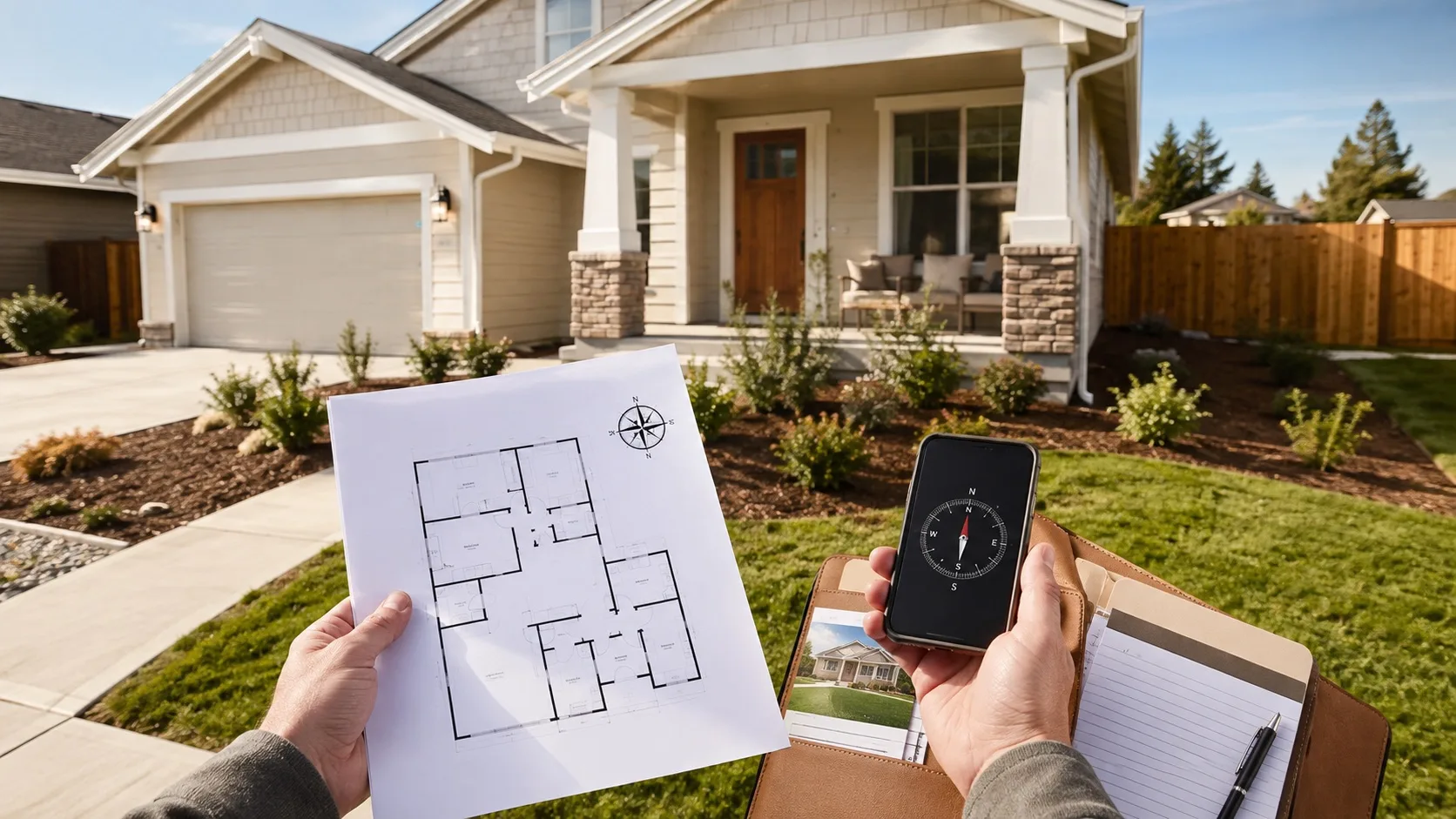
- Confirm the true facing direction with a compass and floor plan.
- Compare the home with recent local sales, not only personal preference.
- Check entry clarity, garage dominance, porch safety and driveway flow.
- Observe living room and bedroom light at realistic times of day.
- Inspect kitchen ventilation, storage, appliance layout and repair needs.
- Review bathrooms for leaks, smell, exhaust, tile condition and dampness.
- Separate easy fixes from costly structural or location problems.
- Ask whether future buyers could understand the layout within one showing.
- Use inspection, appraisal, legal and financial advice before final commitment.
- Avoid permanent remedies that reduce broad buyer appeal.
How to preserve resale while improving Vastu
Choose improvements that future buyers can appreciate even if they do not follow Vastu. Better lighting, fresh paint, clean storage, working ventilation, repaired leaks, trimmed landscaping and uncluttered movement are rarely controversial. They make the home feel cared for and also support Vastu principles of clarity, flow and balance.
Use flexible remedies when possible. Furniture placement, curtains, plants, rugs, lamps and closed storage can improve a home without locking the next owner into a very specific belief system. If you want a prayer corner, make it clean and dignified but not forced into a place that blocks movement. If you want color support, use it through accents rather than permanent finishes that may narrow buyer taste.
For buyers planning to live in the home long-term, personal comfort can matter more than resale perfection. For buyers who may relocate in two to five years, broad market appeal deserves extra weight. This is especially important for international families whose job location, visa status, school needs or family plans may change.
Related buyer guides
Use this guide with Open House Vastu Checklist for USA Home Buyers, Vastu Home Inspection Checklist for USA Buyers, Neighborhood Vastu Checklist for USA Home Buyers and Vastu Checklist for USA and International Home Buyers. For a whole-house planning view, continue with Balanced Layout and Room-wise Vastu.
Frequently asked questions
Does Vastu affect resale value in the USA?
Vastu can influence some buyers, especially Vastu-aware families, but resale value is mainly shaped by location, condition, layout, light, schools, market demand, inspection results and comparable sales.
Should I pay more for a Vastu-friendly home?
Only when the home also makes practical and financial sense. Do not overpay for direction alone if the property has poor condition, weak location, high repair costs or limited buyer appeal.
Which Vastu features help resale appeal?
A clear entrance, good natural light, easy room flow, clean kitchen, private bedrooms, dry bathrooms, useful storage and uncluttered central movement can support both Vastu comfort and general resale appeal.
Can bad Vastu reduce buyer interest?
It may reduce interest for a segment of buyers, but many concerns can be improved with lighting, layout, cleaning, ventilation, curtains and maintenance. Serious structural, location or inspection issues matter more.
What should international buyers check before resale?
Check local market norms, HOA rules, inspection reports, comparable sales, school and commute demand, room sizes, natural light, parking, neighborhood appeal and whether the layout feels broadly usable.
Is this real estate or financial advice?
No. This guide is educational only. Buyers should use licensed real estate, inspection, legal, tax and financial professionals before making purchase or resale decisions.
Conclusion
Vastu can help buyers notice entry quality, light, room flow, comfort and maintenance. Those same details often support resale appeal because they make a home easier to understand and easier to live in. The strongest choice is not always the home with the most perfect rule; it is the home with the best overall balance.
Before making an offer, compare Vastu with market facts, inspection results and future buyer appeal. A home that feels calm, practical, maintained and broadly usable is more likely to support both family life and resale confidence.