
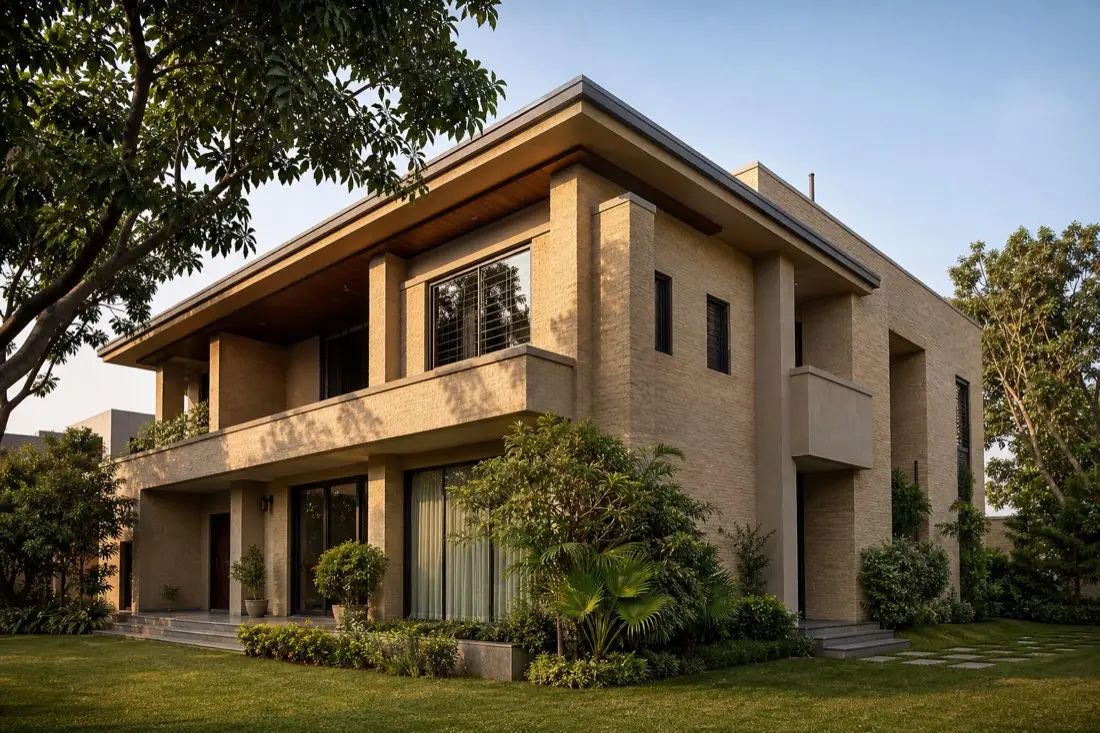
What is a south-west facing house?
Stand inside the main door and look outward. If the bearing falls between south and west, the entrance faces south-west. Take repeated compass readings away from gates, cars, electrical boards, and appliances. Compare them with the approved plan because the road-facing side may not be the actual door direction.
South-west is traditionally called Nairutya and is associated with stability, weight, privacy, authority, and the earth element. It is commonly preferred for the main bedroom and heavy storage rather than a large opening. However, the precise entrance segment matters. “South-west facing” alone is not enough information to accept or reject a property.
Do not guess
Verify the compass bearing and north arrow.
Find the pada
Measure where the door sits along the wall.
Check reality
Review heat, access, rooms, drainage, and safety.
Why the entrance requires detailed checking
Traditional entrance charts divide each side into smaller segments, and not every opening on a southern or western wall receives the same interpretation. Use a scaled plan and one consistent method. A door close to south may be classified differently from one close to west even though both are broadly called south-west.
Practically, protect the door from harsh afternoon sun and monsoon rain. Use an appropriate porch, chajja, shaded transition, durable finish, and non-slip landing. The door should open fully and remain secure. Do not add a raised threshold that becomes a hazard for older adults, children, wheelchairs, or luggage.
Room placement guide
| Area | Common preference | Practical check |
|---|---|---|
| Main bedroom | South-west or west | Privacy, shade, ventilation |
| Kitchen | South-east; north-west alternative | Gas, exhaust, sink, workflow |
| Living room | North, east, or north-east | Daylight and circulation |
| Pooja | North-east or calm east/north wall | Clean, dry, safe flame |
| Children/guest | West, north-west, or north | Sleep, study, bathroom access |
| Stair/storage | South, west, or south-west | Safe structure and useful access |
Using the south-west for the main bedroom
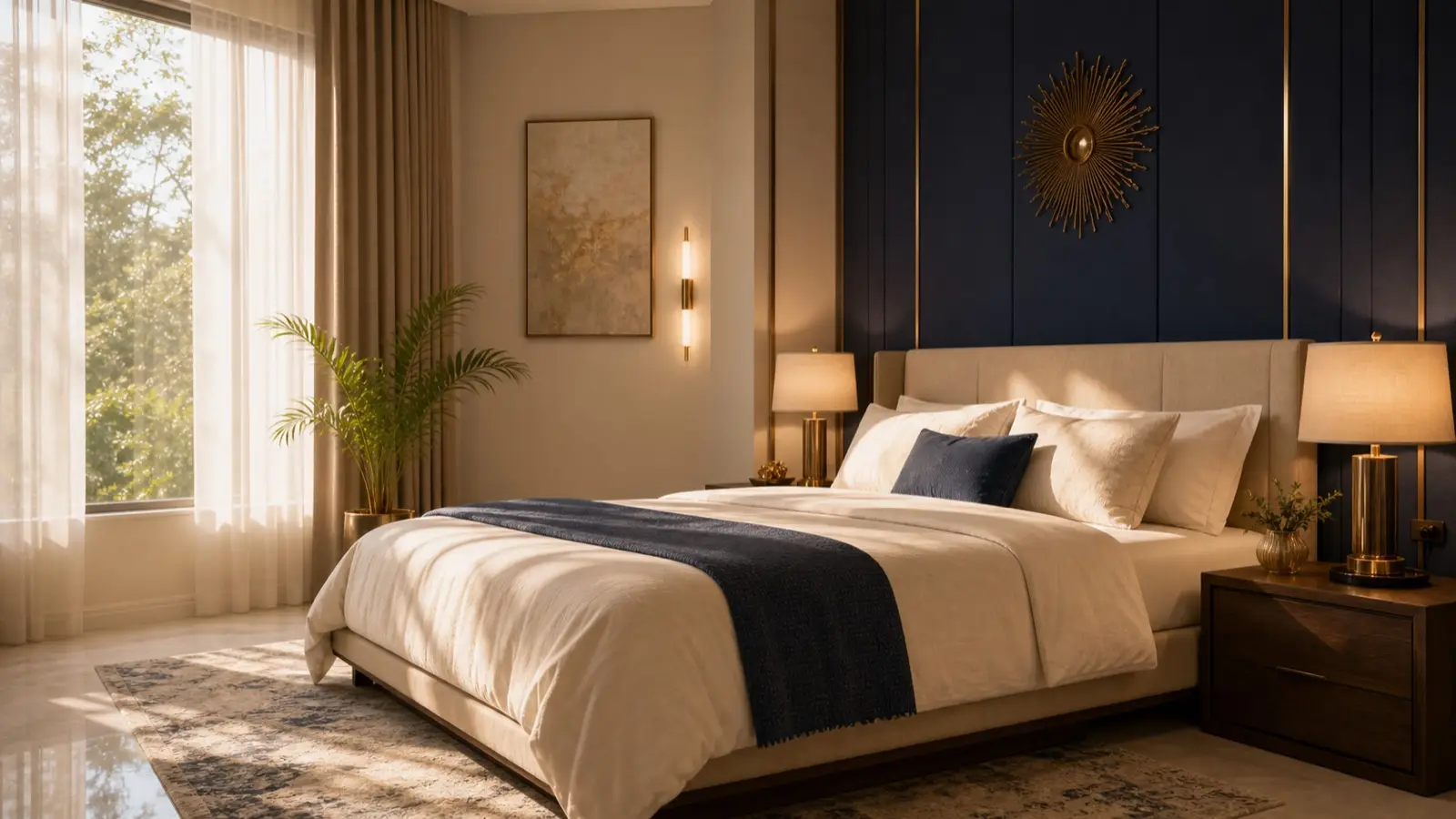
The main bedroom often fits naturally in south-west because it is away from the lighter north-east and can offer privacy. Position the headboard against a solid wall, commonly toward south or west, so the sleeper's head points south or east where practical. Keep a clear route to the bathroom and door.
South-west rooms may overheat. Use external shade, insulated walls or roof, suitable glazing, ceiling fans, and curtains. Avoid placing the bed against a damp external wall or below an AC drain. Heavy wardrobes can sit on structurally suitable south or west walls without blocking ventilation.
Managing western heat and glare
Visit the property in late afternoon. Touch exposed walls, inspect room temperature, and notice glare. Deep shade, trees at a safe distance, ventilated cladding, fins, verandas, and well-sealed windows can reduce heat before it enters. Internal blinds alone are less effective than exterior protection.
Climate matters. A solution for a dry inland city may not suit a humid coast. Coordinate shade with monsoon rain, wind, corrosion, insects, and maintenance. Never seal a room so tightly that it loses fresh air or creates condensation and mould.
Kitchen and fire placement
A south-east kitchen remains the common first choice, with north-west as an alternative. A kitchen in the south-west may interfere with the zone's preferred private and stable use, but existing homes should not be demolished automatically. First assess workflow, exhaust, heat, gas safety, and adjacent rooms.
If relocation is impossible, improve ventilation, use safe electrical circuits, repair leaks, separate sink and hob comfortably, and reduce visual clutter. Consult an architect before moving plumbing or making openings. A clean, safe kitchen supports the household more than symbolic products placed beside unsafe wiring.
Balancing the opposite north-east
Keep the north-east comparatively light, clean, and open. It may suit a living area, study, prayer corner, balcony, or garden depending on the building. Avoid turning it into a dark storeroom or a parking area full of unused items. Maintain drainage and prevent dampness.
The idea of a heavier south-west and lighter north-east is a relationship, not a demand to weaken structure. All columns, foundations, tanks, and retaining walls must follow engineering. Visual weight can be managed through room use, cupboards, finishes, and landscaping.
Never remove a column, cut a beam, relocate a staircase, or weaken a retaining wall based on an informal Vastu recommendation.
Toilets, water, stairs, and storage
Place toilets where plumbing, ventilation, privacy, and maintenance work. Traditional guidance avoids the exact north-east and centre. Waterproofing, floor slope, traps, exhaust, and leak detection remain essential in every direction. A dry bathroom in a secondary zone is better than a “correct” bathroom with seepage.
Stairs and storage often fit south or west, but must not make the entrance dark or block escape. Overhead tanks are sometimes preferred toward west or south-west, subject to structural design. Underground water, borewells, and septic systems require engineering, sanitation, legal setbacks, and local groundwater rules.
Practical solutions without demolition
Begin with shade, lighting, ventilation, maintenance, and room assignment. Repair a hot or leaking entrance, improve the foyer, simplify furniture, and create clear movement. If the main bedroom is elsewhere, consider moving it to a suitable south-west room when that supports family privacy.
Use calm earthy neutrals, warm whites, natural wood, or muted green according to actual light. Do not make every south-west surface dark or heavy. Symbolic remedies may have personal meaning, but avoid claims that they guarantee wealth, health, or relationships. Solve observable building problems first.
Property buying checklist
Entrance
Measure the exact position and check weather protection.
Heat
Visit during late afternoon and inspect exposed rooms.
Bedrooms
Check privacy, shade, headboard walls, and bathrooms.
Kitchen
Review direction, exhaust, gas, plumbing, and storage.
Structure
Inspect cracks, dampness, stairs, roof, and approvals.
Affordability
Include loan, taxes, maintenance, cooling, and repairs.
Myths and realistic risks
The myth is that every south-west entrance causes unavoidable misfortune. No direction can predict individual outcomes. The realistic concerns are afternoon heat, a badly positioned opening, poor privacy, or a plan that places heavy service conflicts in awkward locations. These can be assessed and often improved.
Another myth says expensive remedies can neutralise any defect. A plaque cannot repair structural cracks or waterproofing. Qualified design, maintenance, legal due diligence, financial judgement, and healthy household habits remain essential. Vastu should support calm decisions, not panic.
South-west entrances in apartments
In a flat, verify the unit door rather than the tower gate or balcony. Steel doors, lifts, and electrical rooms can disturb a phone compass, so compare readings with an approved plan. The corridor must remain clear, and a fire-rated door must not be cut, drilled, or replaced without written approval.
If the foyer is hot or dark, improve internal lighting, approved shading, seals, and ventilation. A compact shoe unit may sit inside the flat. Do not place bulky cabinets in common escape space. Noise, lift traffic, and privacy may affect daily comfort more than a small directional variation.
Daily habits for a stable home
Keep the south-west bedroom orderly, dry, and well ventilated. Repair dampness before placing a wardrobe against the wall. Close curtains during harsh afternoon sun, then ventilate when outdoor conditions improve. Use bedside lighting that supports rest instead of a single glaring ceiling light.
Balance the home by keeping north and east routes open, maintaining the entrance, and removing broken or unused objects from circulation areas. Stability does not require heavy décor everywhere. It grows from predictable storage, comfortable sleep, safe access, manageable finances, and regular maintenance.
Planning a safe renovation
Before renovation, obtain a measured plan and identify structural walls, plumbing stacks, electrical circuits, waterproofed areas, and society restrictions. Compare at least two layouts. A minor furniture change may achieve privacy without moving a wall; external shade may solve heat better than rebuilding the bedroom.
Set priorities and budget contingency. Complete waterproofing, wiring, ventilation, and safety first. Then address room assignment, storage, colour, and optional traditional details. Photograph concealed services before walls close. A documented renovation is easier to maintain and less likely to create new defects.
After changes are complete, observe the home during late-afternoon heat and monsoon rain. Check whether shade, seals, drainage, and ventilation actually work. Review bedroom comfort, entrance security, and storage after several weeks rather than judging success from appearance alone. Maintain a simple record of repairs, paint colours, service routes, warranties, and professional contacts so future work remains safe and consistent.
Frequently asked questions
Is a south-west facing house always bad?
No. Exact entrance position, layout, climate, and construction quality matter.
Which room is best in south-west?
The main bedroom and suitable heavy storage are commonly preferred.
Can the kitchen be south-west?
South-east is preferred. Improve safety and ventilation if an existing kitchen cannot move.
How can I reduce south-west heat?
Use exterior shade, insulation, suitable glazing, trees, fans, and ventilation.
Should I reject the property?
No. Verify the exact plan, legal status, safety, comfort, and affordability first.