
On this page
Why false ceiling Vastu matters
A ceiling is not furniture, but it strongly affects the mood of a room. Low, dark, or complicated false ceilings can make a living room feel smaller. Harsh spotlights can irritate the eyes. Heavy ceiling panels above a bed or sofa can feel uncomfortable even when they look stylish in a showroom. Vastu guidance becomes useful when it helps you choose lighter, calmer, safer design.
Many homes use false ceilings to cover beams. This can be a practical no-demolition remedy because it visually softens a beam line. But the remedy should not create another problem. If the false ceiling becomes too low or packed with dark shapes, the room can feel more burdened than before.
Use this guide along with Beam Vastu Remedies, Ceiling Beam Vastu, and Vastu Remedies.
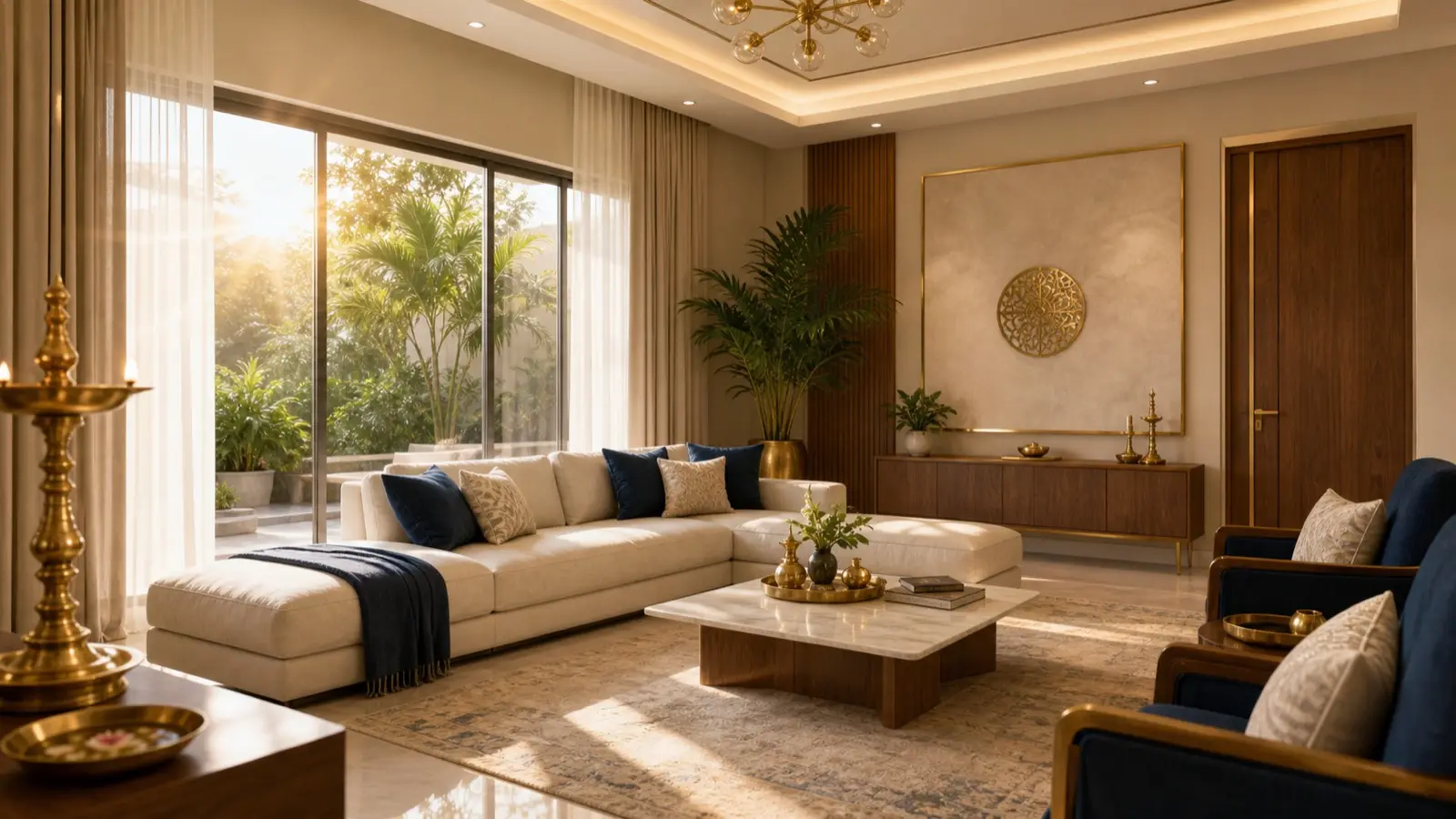
Best false ceiling design for living rooms
A living room false ceiling should support openness. Simple borders, cove lighting, soft warm LEDs, and balanced panels usually work better than heavy patterns. If the living room is small, keep the central ceiling lighter and avoid multiple deep layers.
In Vastu, the centre of the home or room is often treated as a zone that should feel open and uncluttered. A ceiling with a very heavy central design can make the space feel visually loaded. If you want a chandelier, choose size according to room proportion and height.
Avoid placing very sharp, pointed, or aggressive ceiling designs directly above the seating area. Rounded, rectangular, or softly layered forms are easier to live with.
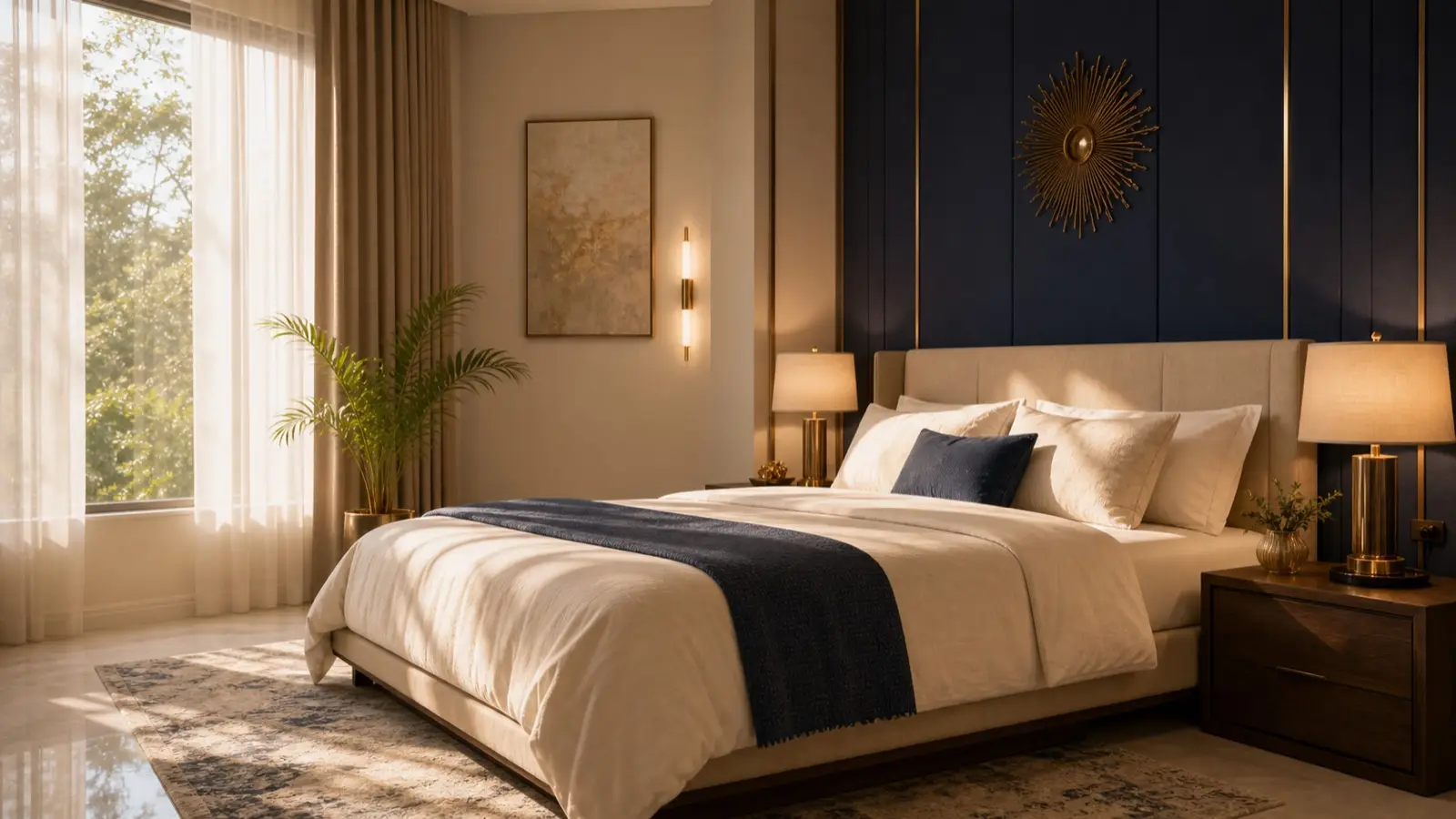
False ceiling in bedroom
In bedrooms, avoid heavy ceiling design directly above the bed. The sleeping area should feel stable and calm. Cove lighting on the sides, a simple fan point, and soft indirect light can work well. Avoid bright downlights shining directly into the eyes while lying down.
If there is a beam above the bed, the first remedy is to shift the bed if possible. If not, a carefully designed false ceiling can visually blend the beam. Keep the design subtle and make sure ventilation and ceiling height remain comfortable.
For master bedrooms, South-West is often preferred in Vastu, but even the best direction will feel uncomfortable if the ceiling is oppressive. Room feeling matters.
Lighting, colours, and maintenance
Lighting is a major part of false ceiling Vastu. Use layered lighting: general light, warm cove light, and task light where needed. Avoid too many coloured LEDs that make the room feel like a commercial display. Warm white or neutral white is usually more elegant for homes.
White, cream, beige, soft wood, and muted gold accents work well in most Indian homes. Dark ceilings can look dramatic but may reduce perceived height. Use them only when the room is large enough and has good natural light.
Maintenance matters. Dusty cove lights, dead LED strips, loose panels, and water stains weaken the premium feeling of the home. A clean simple ceiling is better than an expensive neglected one.
Real-life examples
Example 1: A 2BHK living room has a central beam. Instead of creating a heavy box, the designer uses a simple perimeter false ceiling with indirect light. The beam becomes less noticeable and the centre remains open.
Example 2: A bedroom has a low ceiling and the owner wants a luxury design. A full layered false ceiling would reduce height too much. A better choice is a slim side cove and wall lights.
Example 3: A rented flat has exposed wiring. Since permanent work is not allowed, use surface conduits neatly, floor lamps, and warm plug-in lights instead of unauthorized ceiling changes.
Quick checklist
1. Practical check
Keep ceiling height comfortable after installation.
2. Practical check
Avoid heavy central designs in small rooms.
3. Practical check
Use soft warm lighting for bedrooms and living rooms.
4. Practical check
Do not place harsh spotlights directly above the bed.
5. Practical check
Keep beams visually softened but not overbuilt.
6. Practical check
Check for water leakage before closing any ceiling area.
Practical examples
| Home type | Best practical response |
|---|---|
| Compact apartment | Keep the layout light, easy to clean, and free from blocked movement. |
| Independent house | Plan direction early, but verify structure, maintenance, ventilation, and safety. |
| Rental home | Use reversible fixes such as lighting, organizers, curtains, movable storage, and decluttering. |
Common mistakes
A common mistake is copying a design from social media without checking room size, natural light, maintenance, and family habits. Vastu becomes useful only when it improves the real experience of the home.
Another mistake is treating a single direction rule as more important than hygiene, safety, comfort, and daily use. Before buying products or making structural changes, start with cleaning, repair, lighting, airflow, and clutter control.
Related guides
Home Vastu
Read Home Vastu for whole-house planning basics.
Room-wise Vastu
Explore room guides for deeper placement logic.
Vastu Remedies
Use remedies carefully before making expensive changes.
Practical planning notes before finalizing a false ceiling
In many Indian homes, the false ceiling is planned after the electrical work has already started. From a Vastu point of view and from a practical design point of view, this is usually the wrong order. First mark the main activity zones: where the sofa sits, where the bed headboard sits, where the dining table is centered, where the puja shelf is visible, and where the work desk needs clear light. Once these zones are clear, the ceiling design becomes calmer and more useful.
For a living room, avoid making the ceiling pattern too heavy exactly above the center seating area. A simple tray ceiling, soft cove light, or slim wooden accent is usually easier to maintain and visually more peaceful. If a beam is unavoidable, the false ceiling can visually soften it, but the design should not make the entire room feel lower or darker. In apartments with limited height, use shallow profiles, fewer layers, and warm white lighting instead of bulky designs.
For bedrooms, the most important check is the bed position. Do not place a dense ceiling panel, mirror-like glossy surface, or strong downlight directly above the sleeping position. If the room already has a structural beam, use a clean ceiling treatment to reduce visual pressure, and keep the bed slightly away from the beam line where possible. The aim is comfort, not fear. A room that feels restful, easy to clean, and well lit supports better daily living.
Before approving the final drawing, ask the contractor for three simple details: finished ceiling height, light locations, and access panels for maintenance. A good Vastu-friendly ceiling should never block ventilation, trap heat, hide leakage, or make repair work difficult. In practical Vastu, a beautiful ceiling is successful only when it supports clarity, proportion, safety, and long-term comfort.
Frequently asked questions
Is false ceiling good as per Vastu?
Yes, if it improves lighting, hides beams sensibly, and does not make the room feel low, dark, or heavy.
Can false ceiling be used as beam remedy?
It can visually soften a beam, but the design must remain light and proportionate.
Which colour is best for false ceiling?
White, cream, beige, soft wood, and warm neutrals are safe choices for most homes.
Should false ceiling be avoided above bed?
Avoid heavy or dark ceiling patterns directly above the bed. Keep bedroom ceilings calm and light.
Are ceiling lights important in Vastu?
Yes. Good lighting improves the feeling of a room and supports practical comfort.
Can dark false ceiling be used?
Only in larger rooms with enough height and light. In small rooms it can feel heavy.
What is the best false ceiling for living room?
A simple perimeter or cove design with balanced lighting often works best.
Can renters improve ceiling Vastu?
Yes, with lamps, cleaner lighting, beam-softening decor, and clutter-free walls without permanent work.
Conclusion
False Ceiling Vastu: Designs, Beam Remedies, Lights, and Mistakes works best when it helps your home feel calmer, cleaner, safer, and easier to live in. Use direction guidance as a planning lens, then balance it with proportion, comfort, light, airflow, and maintenance.
For more practical help, continue with Balanced Layout, Room-wise Vastu, and the complete Vastu blog archive.