
On this page
Why colour matters in a study room
A study room needs a different mood from a bedroom or entertainment space. It should feel calm enough for long focus but not so sleepy that the mind becomes dull. Very dark walls can absorb light and feel heavy, while very bright colours can distract. The right balance depends on direction, natural light, age, and purpose.
Children need a space that supports routine and reduces distraction. Adults working from home need a background that looks professional on video calls and feels comfortable for hours. Colour is not magic, but it quietly shapes behaviour.
Use this article with Study Room Vastu, Study Room Vastu, and Study Table in Bedroom Vastu.
Best colours for study room as per Vastu
Light green is often used for learning, freshness, and balance. Soft blue can support calm thinking, especially when the room gets strong sunlight. Cream, off-white, and warm white are safe choices for small study corners because they reflect light and keep the space open.
Light yellow can feel optimistic and alert, but use it softly rather than as a harsh bright wall. Beige and wood tones create warmth for home offices. Avoid heavy black, deep red, and overly loud neon colours in large areas because they can feel intense over time.
If the study is in the North or East, lighter colours usually work well. If the room is in the South or West and gets heat, use calmer shades, curtains, and good ventilation.
Desk background and video-call comfort
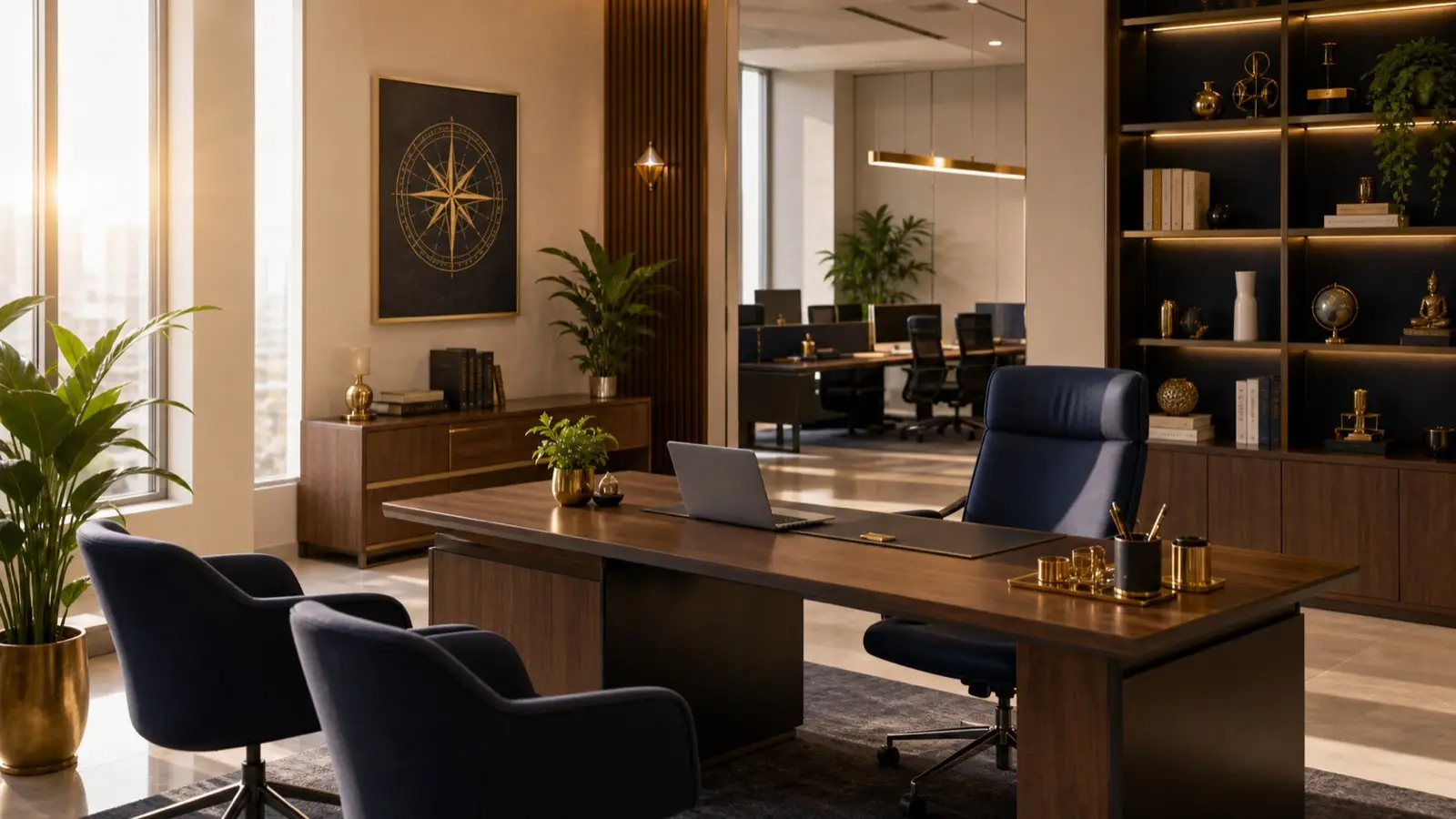
Many people now use study rooms as home offices. The wall behind the desk matters because it appears on video calls and affects mental clarity. A clean wall, simple shelf, plant, or artwork works better than a cluttered background.
Avoid placing too many motivational posters, busy patterns, or reflective surfaces directly in front of the desk. The eye should rest easily. If the student faces a wall, use a soft colour and one neat board for schedule or goals.
Lighting should support the colour. Even a good wall shade looks dull under weak light. Use natural light from the side, a desk lamp, and avoid glare on screens.
Examples for students and working adults
Example 1: A child’s study corner is inside a bedroom. Use a soft green or cream wall behind the desk, keep toys away from the study surface, and use one small shelf for books.
Example 2: A work-from-home desk sits in the living room. Use a warm neutral background, closed storage, and a plant. This keeps the area professional without making the living room look like an office.
Example 3: A west-facing study gets hot afternoon light. Use light curtains, pale blue or beige walls, a desk lamp, and avoid dark furniture that absorbs heat.
Quick checklist
1. Practical check
Use soft, low-distraction colours.
2. Practical check
Keep the desk background clean.
3. Practical check
Avoid very dark or neon walls.
4. Practical check
Match colour with natural light and room direction.
5. Practical check
Use a desk lamp for evening study.
6. Practical check
Keep shelves organized and not visually noisy.
Practical examples
| Home type | Practical advice |
|---|---|
| Compact apartment | Choose the solution that keeps movement open, cleaning easy, and natural light usable. |
| Independent house | Use direction planning earlier, but still verify ventilation, safety, structure, and maintenance. |
| Rental home | Prefer no-damage improvements such as curtains, lighting, organizers, movable furniture, and decluttering. |
Common mistakes
The biggest mistake is treating one Vastu rule as more important than the full living experience. A direction may sound correct, but if it creates clutter, darkness, dampness, blocked movement, or daily inconvenience, the space will not feel balanced.
Another mistake is copying advice from a different house type. A villa, rented flat, 1BHK, and duplex all need different levels of flexibility. Always read your own plan first, then apply Vastu guidance in a practical and calm way.
Related guides
Home Vastu
Read Home Vastu for whole-house planning basics.
Room-wise Vastu
Explore room guides for deeper placement logic.
Vastu FAQ
Check FAQs before making layout decisions.
Frequently asked questions
Which colour is best for study room as per Vastu?
Soft green, light blue, cream, off-white, light yellow, and beige are commonly useful depending on direction and light.
Is green good for study room?
Yes, soft green can feel fresh and balanced. Avoid very bright green if it distracts the student.
Can study room be white?
Yes. Warm white or off-white works well in small rooms, especially when paired with wood, plants, and good lighting.
Which colours should be avoided?
Avoid large areas of black, deep red, neon shades, or overly busy wall patterns in study rooms.
What colour is good for home office background?
Warm neutral, beige, cream, soft grey-green, or light blue can look professional and calm on video calls.
Does direction decide study colour?
Direction helps, but natural light, age, purpose, and furniture also matter. Use direction as a guide, not a rigid rule.
Can wallpaper be used in a study room?
Yes, if it is subtle. Avoid loud prints behind the desk or screen.
How do I improve a rented study corner?
Use removable wallpaper, desk mats, curtains, lamps, organizers, and plants instead of permanent painting.
Conclusion
Study Room Colours Vastu: Best Shades for Focus and Calm is most useful when it improves daily comfort, not when it creates fear. Start with direction awareness, then check light, airflow, movement, storage, cleaning, and safety.
For more help, continue with Balanced Layout, Vastu Remedies, and the complete Vastu blog archive.