
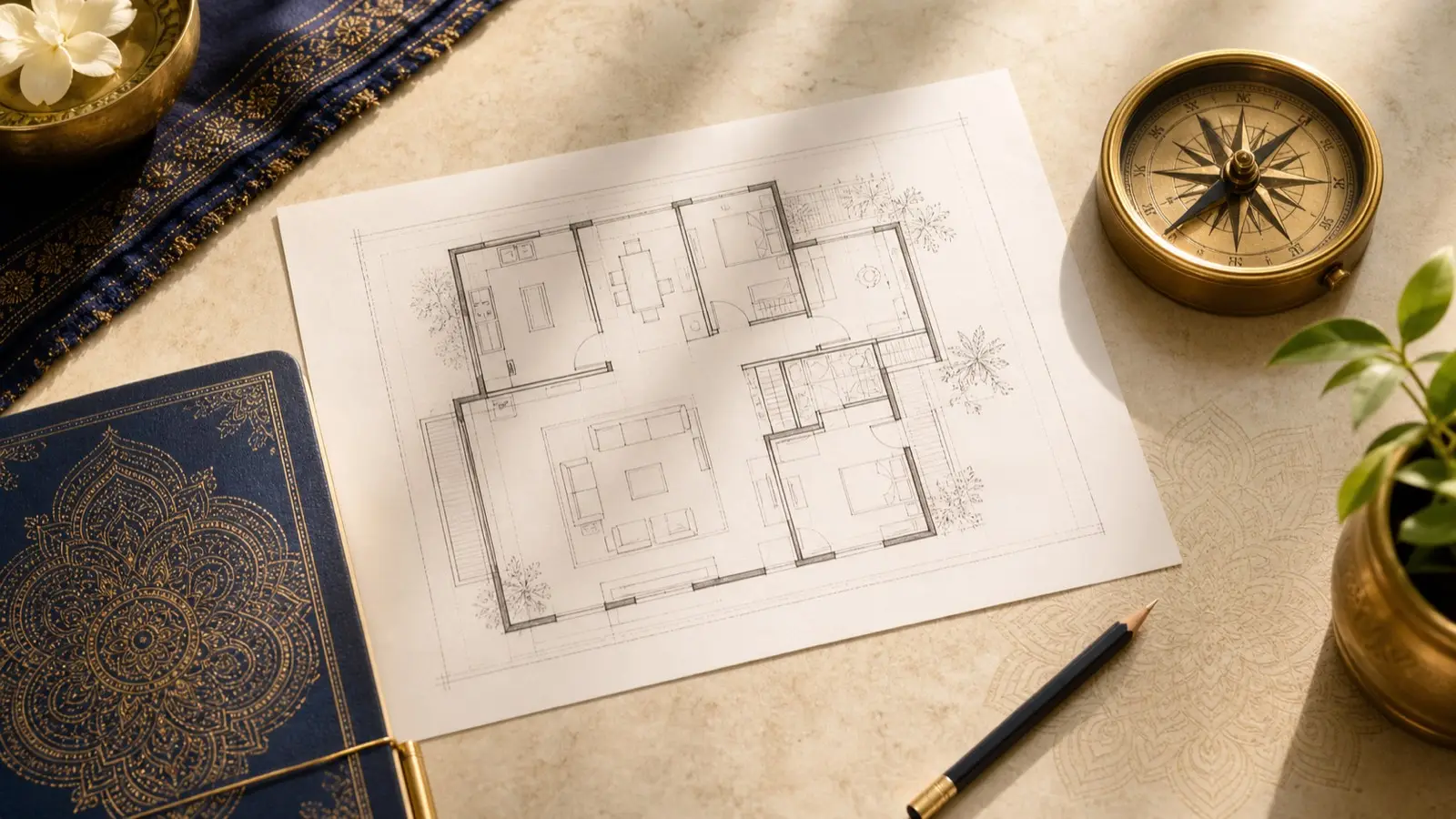
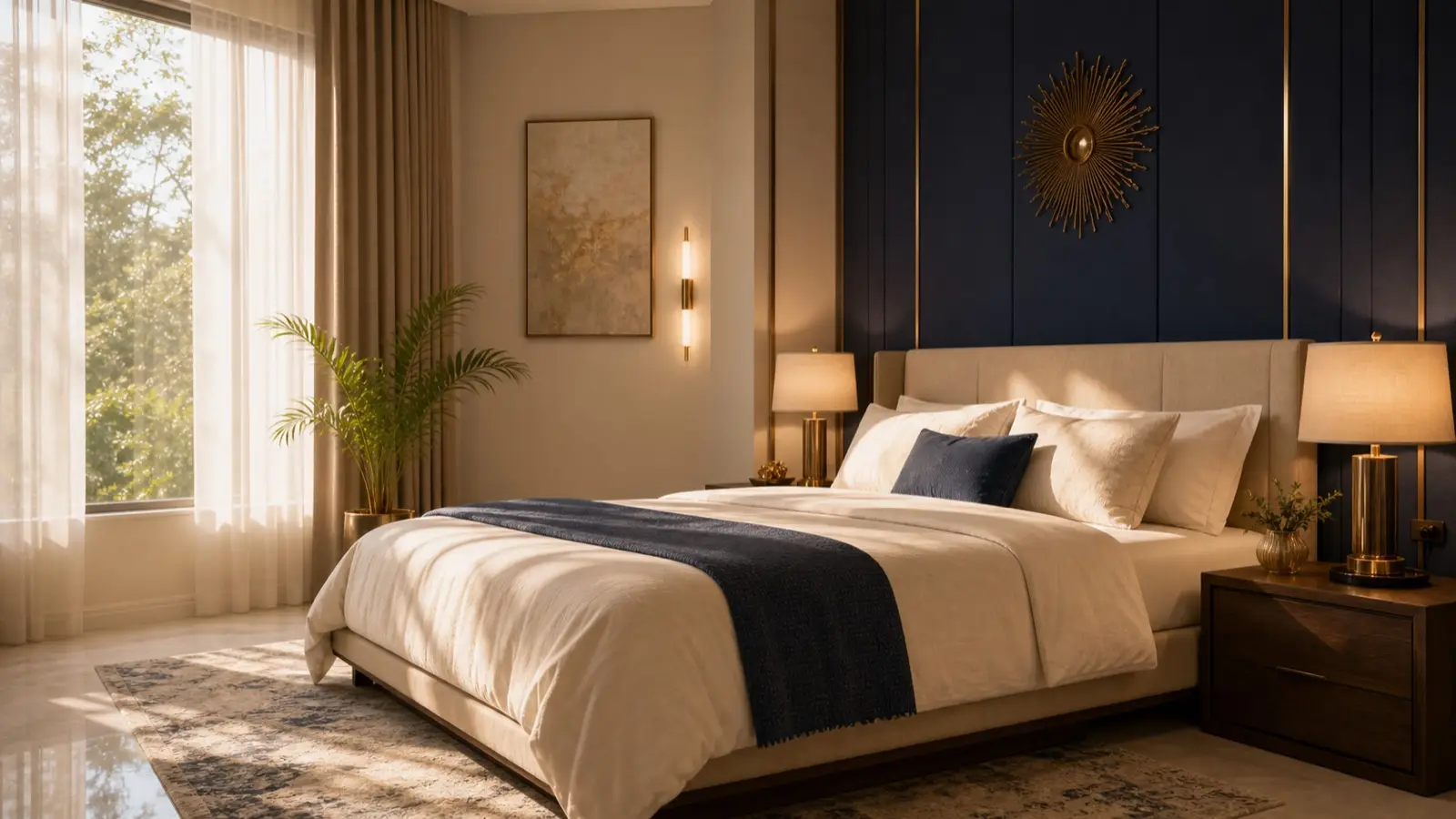
For whom
Indian families, flat owners, renters, and homeowners who want practical Vastu without fear.
Main idea
Use Vastu as a calm checklist for comfort, direction, light, air, storage, and routine.
Best action
Start with simple changes you can maintain every week.
Children need rhythm more than perfection
Parents often worry about the “perfect” direction for a child’s room, but children also need routine, comfort, and encouragement. A room with good light, clean air, organised books, and restful sleep can support a child better than a theoretically perfect room filled with clutter.
Use Vastu as a gentle guide. Observe your child’s habits. Where do they focus best? Where do they sleep peacefully? Which corner becomes messy quickly? The answers will help you make practical changes.
Study direction and desk placement
East and North are commonly preferred directions for study because they are associated with clarity and learning. If possible, place the desk so the child faces East or North while studying. Keep the wall in front calm and avoid too many distracting posters directly at eye level.
The chair should be comfortable and the table height should be right. Vastu cannot help if the child is physically uncomfortable. Keep books, stationery, and school items organised. A clear table makes starting homework easier.
Sleep direction and bedroom calmness
Many traditions prefer sleeping with the head toward South or East. Avoid placing the bed where the child feels exposed to the door or disturbed by constant movement. Keep the room softly lit at night if the child is afraid of darkness.
Avoid storing too many toys under the bed. The sleeping area should feel calm. If siblings share a room, give each child a small personal storage space. This reduces fights and supports emotional security.
Colours for kids’ rooms
Soft and cheerful colours work better than very loud themes. Light blue, soft green, warm white, beige, pastel yellow, and gentle peach can support a balanced mood. Very bright red or neon colours may feel exciting at first but can become overstimulating.
Use stronger colours in small accents, not everywhere. Bedding, cushions, and wall art can add personality without overwhelming the room.
Toy storage and clutter control
Children’s rooms become messy quickly because play is part of childhood. The goal is not a showroom. The goal is easy reset. Use labelled boxes, low shelves, and simple categories: books, toys, art, school, sports. If cleanup is easy, children are more likely to participate.
Remove broken toys and dried craft materials regularly. Too many unused items create visual noise and reduce focus.
Screen placement and digital routine
Screens are now part of children’s lives, but they should not dominate the study or sleep zone. Avoid placing a television directly in the child’s bedroom if possible. Keep tablets and phones away from the bed at night. Charging outside the sleeping area can improve routine.
A study desk should not face a screen that constantly distracts. Create a simple rule: study surface for study, bed for sleep, play corner for play. This zoning is very Vastu-friendly because it gives every activity a clear place.
Apartment tips for kids
In apartments, children may not have a separate room. A study corner in the living room or bedroom can still work. Use a clean table, good light, and a storage box for school items. Try to keep the study corner consistent so the child’s mind recognises it as a focus zone.
If the room is small, use vertical shelves and avoid bulky furniture. Keep windows accessible for air and light. A compact but organised room is better than a large chaotic one.
Conclusion
Vastu for kids should feel supportive, not strict. Children grow, change, and need flexible spaces. Focus on light, air, sleep, study direction, colours, storage, and routine. These simple changes can make a real difference.
A child’s room does not need to be perfect. It needs to feel safe, cheerful, and easy to reset. That is where positive energy begins.
FAQ
Which direction should kids face while studying?
East or North is commonly preferred where possible.
Which colours are good for kids room?
Soft green, light blue, warm white, pastel yellow, beige, and gentle peach are good options.
Can kids sleep with head toward North?
Many Vastu traditions avoid head toward North. South or East is commonly preferred.
How do I manage clutter?
Use simple labelled storage and remove broken or unused items regularly.