
Topic
sleeping direction Vastu
Best head direction
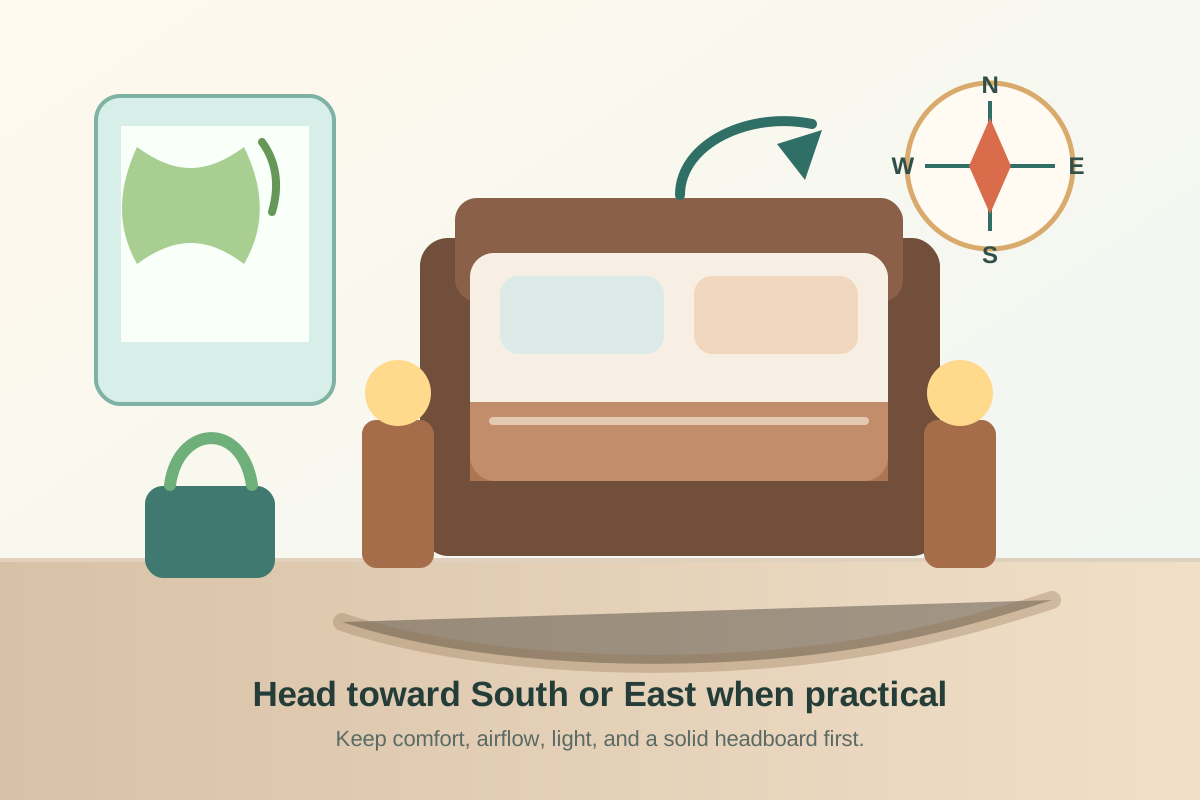
South first, east second, when the room allows it comfortably.
Modern rule
Do not sacrifice safety, airflow, access, or sleep quality for a label.
On this page
- What sleeping direction means
- Best head directions
- Head toward north question
- Apartment examples
- Comparison table
- Checklist and mistakes
- Frequently asked questions
What does sleeping direction mean in Vastu?
Sleeping direction means the direction your head points while you lie down. If your headboard is on the south wall and your feet point north, your head direction is south. If your headboard is on the east wall and your feet point west, your head direction is east. This simple definition prevents many mistakes because people sometimes confuse the direction they face while entering the room with the direction of the head while sleeping.
In Vastu, the sleeping position is treated as part of the bedroom's energy pattern. The bedroom should support recovery, privacy, steadiness, and emotional calm. Direction is one layer of that. Other layers include the room's location, light, airflow, mattress comfort, mirror reflection, storage, noise, screen use, and the relationship between the bed and door. A south-facing head direction in a noisy, hot, cluttered room will not feel better than a slightly different direction in a clean, dark, quiet room.
If you are new to bedroom planning, read the broader Bedroom Vastu guide first. This article goes deeper into a specific question: which direction should your head face while sleeping, and how should modern Indian flats apply the rule without fear?
Best sleeping direction as per Vastu
Many Vastu traditions prefer sleeping with the head toward south. South is associated with grounding, stability, and settled rest. In practical terms, a bed placed with the head to the south often feels anchored when the wall is solid, the door is not cutting sharply across the pillow area, and both sides of the bed remain usable. This is why head south is usually the first recommendation.
East is also considered a good sleeping direction. It is often linked with freshness, learning, and morning clarity. Students, children, and people who want a more alert start to the day often choose east when the layout supports it. A head-to-east position can work well when the room has soft morning light and does not force the bed into a cramped corner.
West is usually treated as a workable alternative. It may not be the first choice in every traditional list, but many apartments make west the most practical option. If west gives you a solid headboard, clear wardrobe access, better ventilation, and less door disturbance, it may be better than forcing a south or east placement that blocks daily use.
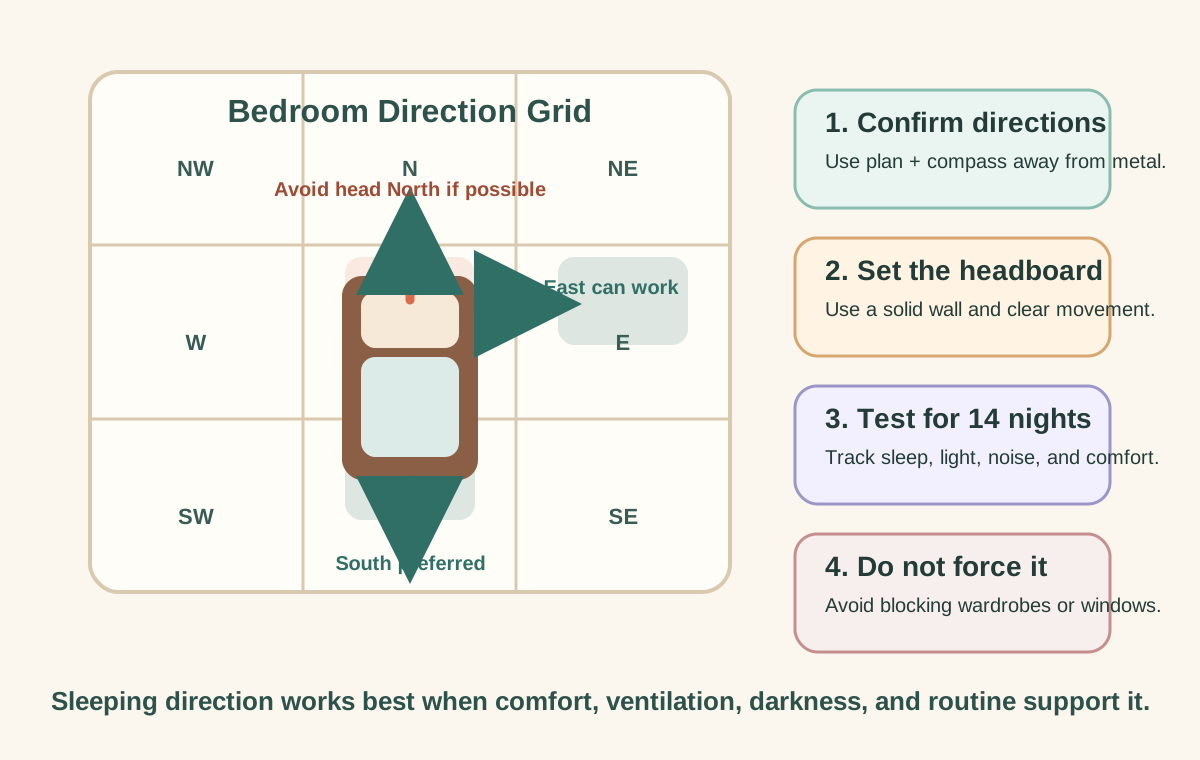
North is commonly avoided for the head direction in Vastu discussions. However, the advice should not become fear-based. If your bed currently points north and you sleep poorly, test another direction for two weeks if the room allows it. If your layout cannot change, improve the sleep environment: reduce light, remove clutter, shift mirrors, repair dampness, and create a better night routine.
Why is head toward north avoided?
Traditional explanations often connect head-to-north sleeping with the earth's magnetic field and with a feeling of restlessness. Some modern sleep discussions also mention that people are curious about body orientation, but strong universal proof is limited. A practical Vastu approach is to respect the tradition without making exaggerated claims. If south or east is available without damaging the bedroom layout, choose it. If not, focus on measurable sleep quality.
The strongest sign is your own experience over time. Do you wake up refreshed? Is the room dark enough? Is the mattress supportive? Is the air fresh? Are electronics away from the pillow? Is the attached bathroom dry and closed? These factors affect sleep every night. Direction can support them, but it cannot replace them.
When you test a new direction, change only one or two things at a time. If you rotate the bed, change the mattress, add a new lamp, repaint the wall, and shift the wardrobe all together, you will not know which change helped. A two-week test with a simple sleep note is more useful than guessing.
Sleeping direction in apartments and small bedrooms
Modern apartments are the real test of sleeping direction Vastu. In a compact 1BHK or 2BHK, the bed may fit in only one place because of the wardrobe, attached toilet, balcony, window, electrical switchboard, or air-conditioner position. In such cases, the best answer is not to panic. Choose the most stable and usable bed position first, then refine direction where possible.
For example, a couple in a 2BHK may want head south, but the south wall has a full wardrobe. If they force the bed there, the wardrobe becomes unusable and the room feels crowded every morning. A head-east position with clear storage, good movement, and a calm headboard may be the better choice. Vastu should make the home easier to live in, not harder.
A child's room may need both sleep and study. If the bed can face east and the study table can face north or east, that is a good combination. But if the room is small, do not place the bed under heavy shelves or directly in the door path just to match one direction. Safety and emotional comfort come first. For children, also read Vastu for Kids and Study Room Vastu.
Guest rooms can be more flexible. Since guests stay temporarily, cleanliness, ventilation, fresh bedding, and easy access matter more than perfect orientation. A guest room used as a dumping area will feel poor even if the bed direction is technically good. Remove old boxes, broken items, and unused mattresses before worrying about fine adjustments.
Sleeping direction comparison table
| Head direction | Common Vastu view | Practical bedroom check |
|---|---|---|
| South | Most preferred for stability and restful sleep | Use when the headboard has a solid wall and movement remains easy |
| East | Good for clarity, students, and fresh morning energy | Works well if morning light is soft and the bed does not block storage |
| West | Acceptable alternative in many layouts | Choose it if south/east creates a cramped or unsafe room |
| North | Usually avoided for the head direction | Test another direction if possible; otherwise improve sleep environment first |
Bed placement rules that matter as much as direction
The headboard should feel supported. A solid wall behind the head is usually better than a window, passage, or bathroom wall with dampness. If the only available wall has a window, use curtains, a steady headboard, and avoid gaps that make the bed feel floating. If the wall shares an attached bathroom, check leakage and smell first. A dry, well-maintained wall matters more than symbolic correction.
Avoid direct bed-door alignment when it makes the sleeper feel exposed. You should ideally see the door without lying exactly in the line of movement. In small bedrooms this is not always possible, so soften the effect with a rug, side table, curtain, or furniture arrangement that creates a calmer boundary. Keep sharp furniture corners away from the pillow area.
Mirrors deserve special attention. Many people feel restless when a mirror reflects the bed, especially at night. If you cannot move the mirror, cover it after use or adjust wardrobe shutters. The Mirror Vastu guide explains this in more detail. Also reduce screens near the pillow. A large TV, phone charger, or work laptop beside the bed can disturb sleep more directly than compass direction.
Realistic examples for Indian homes
Example 1: 1BHK with one possible bed wall
The only bed wall gives a head-to-west direction. South would block the wardrobe, and east would block the balcony door. In this case, keep west, use a stable headboard, add warm lamps, remove under-bed clutter, and keep the balcony path clear. For compact planning, use the 1BHK Flat Vastu and Small Apartment Vastu guides.
Example 2: Master bedroom with attached toilet
The bed can face south, but the headboard wall is shared with a damp bathroom. Repairing seepage is the first remedy. Do not celebrate a perfect direction while ignoring leakage. Keep the toilet door closed, exhaust working, and floor dry. If the toilet is in a concern zone, the Toilet Vastu for Apartments guide will help.
Example 3: Child's room with study pressure
The bed points east, but the study desk faces the bed and homework remains visible at night. This can keep the child's mind active. Use closed storage for books after study time, keep the bedside area simple, and separate the study lamp from the sleep lamp. The direction is good, but the routine must support rest.
Example 4: Couple trying to improve sleep
The couple changes from head north to head south for two weeks. They also reduce phone use, dim lights, and clear laundry piles. If sleep improves, keep the arrangement. If not, continue checking mattress comfort, noise, temperature, stress, and attached bathroom maintenance. Vastu works best with honest observation.
Sleeping direction checklist
Direction
Confirm the head direction with a compass and floor plan.
Headboard
Use a solid, dry, stable wall behind the pillow area.
Access
Do not block wardrobes, windows, bathroom doors, or walking space.
Light
Keep the bedroom dark at night and softly lit in the evening.
Mirrors
Avoid direct mirror reflection of the bed if it disturbs sleep.
Routine
Test changes for two weeks and track actual rest.
Common mistakes to avoid
- Rotating the bed into an awkward position only to follow one direction rule.
- Ignoring a poor mattress, heat, noise, or bright screen use while blaming direction.
- Keeping the headboard against a damp bathroom wall without fixing leakage.
- Trusting a compass reading taken beside metal cupboards, lifts, or electrical panels.
- Letting mirrors, TV screens, or open wardrobes reflect the bed all night.
- Using fear-based advice that makes the family anxious instead of practical.
- Changing too many bedroom elements at once and then not knowing what helped.
- Blocking windows and ventilation in a small flat to chase a textbook placement.
Best practices for long-term sleep balance
Keep the bed direction you can maintain. A bedroom that works for one week but creates daily storage problems will fail. After choosing the direction, make the rest of the room support sleep. Use warm lamps after sunset, reduce work devices near the pillow, keep the floor clear, and close wardrobe doors. If the room doubles as a home office, create a visible shutdown ritual before bedtime.
Review the bedroom every season. Summer may reveal heat and glare. Monsoon may reveal dampness and smell. Winter may reveal poor morning light. Vastu is not a one-time furniture exercise; it is a way to keep the room aligned with rest. A good bedroom should feel calm on ordinary days, not only after a major cleaning.
If you are buying a flat, test the bedroom on the plan before finalising interiors. Mark the bed, wardrobe, side tables, door swing, window, AC point, and attached bathroom. Then check head direction. This avoids the common mistake of selecting beautiful furniture that cannot fit in a Vastu-friendly and practical arrangement. For property decisions, combine this with the flat buying Vastu checklist.
Summary and conclusion
The best sleeping direction as per Vastu is usually head toward south, with east as another strong option. West can be acceptable when the room works better that way. Head toward north is commonly avoided, but the response should be practical rather than fearful. If you can change it easily, test another direction. If you cannot, improve the bedroom experience first.
Good sleeping direction Vastu is not just a compass rule. It is a complete sleep environment: solid headboard, clean storage, soft light, low noise, good ventilation, reduced screens, dry attached bathroom, and a routine that lets the mind settle. When these basics support the chosen direction, the bedroom feels calmer and more useful for real life.
Frequently asked questions
Which direction is best to sleep as per Vastu?
Many Vastu traditions prefer sleeping with the head toward south. East is also widely used, especially for students and people who want a fresher morning routine. Comfort, ventilation, darkness, and a stable headboard should still be checked.
Can I sleep with my head toward east?
Yes. East is commonly considered a good head direction, especially when the bedroom layout supports it without blocking wardrobes, windows, or movement.
Why is head toward north avoided in Vastu?
Traditional Vastu often avoids head-to-north sleeping because it is believed to feel less restful for many people. Treat this as guidance, not fear. If changing direction is practical, test another orientation for two weeks.
What if my bed can fit only in one direction?
Do not force a bad layout. Keep the bed stable, avoid sharp door alignment, reduce clutter, improve light and airflow, and use the best available direction without damaging daily comfort.
Is west head direction acceptable for sleeping?
West can be acceptable when south or east is not practical. Focus on a solid headboard, quiet wall, comfortable mattress, and a bedroom routine that supports rest.
Should feet point toward the main door while sleeping?
Avoid direct bed-door alignment when it makes the sleeper feel exposed. If the room is compact, use furniture placement, a rug, or a screen-like visual boundary to soften the line.
Does sleeping direction matter more than mattress and light?
No. Mattress comfort, noise, temperature, screen use, light, and stress strongly affect sleep. Vastu direction works best as a supporting layer, not a replacement for basic sleep hygiene.
How do I confirm sleeping direction correctly?
Use the headboard side as the head direction. Confirm with a floor plan and a compass reading taken away from metal, lifts, electrical panels, and large appliances.
Can couples sleep in different preferred directions?
In one bed, choose the direction that works best for the room and both people. A calm shared routine, balanced sides, and reduced clutter usually matter more than debating one perfect direction.
Related Vastu guides
Bedroom basics
Bedroom Vastu for Better Sleep explains mirrors, colours, storage, and relationship comfort.
Direction check
How to Check Directions Correctly helps avoid compass mistakes.
Master bedroom
South-West Bedroom Vastu covers master bedroom stability and storage.